
Best Munich Christmas Market Food Guide 2026
Explore the best Munich Christmas market food for 2026. From savory sausages to sweet treats, learn what to eat and where to find it. Plan your visit today!
On this page
Discover the Best Munich Christmas Market Food in 2026
Munich transforms into a winter wonderland when the holiday markets open their wooden stalls. The scent of roasted almonds and spiced wine fills the crisp Bavarian air. You will find that Munich Christmas markets offer much more than just festive shopping. Exploring these stalls provides a deep dive into local Munich Christmas market food traditions and seasonal flavors.
Understanding the Pfand System Before You Eat
Before diving into specific foods, first-time visitors should understand the Pfand deposit system. When you purchase a drink like Glühwein, you pay a deposit of €3 to €5 for the ceramic mug on top of the beverage price. Return the empty mug to any stall and you receive your deposit back. Many travelers choose to keep the mugs as unique souvenirs instead, making them one of the most affordable and authentic keepsakes from Munich.
The same system applies to some food plates and platters at larger stalls. Pay attention to the signage, as some vendors may have slightly different deposit amounts. Small wooden or ceramic servers often come with a €2 to €4 refundable deposit. Carrying cash is essential, as the Pfand system still operates primarily on coin-based transactions.
Understanding this system upfront eliminates confusion during peak hours at the markets. Avoid the frustration of searching for change or misunderstanding pricing when you arrive prepared with knowledge of how the deposits work.
Savory Bavarian Classics: Wurst and Beyond
The classic bratwurst remains the quintessential Munich Christmas market food. These grilled pork sausages are cooked over open flames to achieve a perfect smoky char on the outside while staying juicy inside. Expect to pay around €5 to €7 for a hearty serving in a fresh white bread roll. Bavarian mustard varieties are offered at nearly every stall to complement the rich, savory meat.
Weißwurst, or white sausage, is a uniquely Bavarian specialty made with veal and pork, seasoned with cardamom, lemon zest, and parsley. This delicate sausage has a lighter flavor profile and is traditionally enjoyed for breakfast or brunch. Many stalls serve weißwurst alongside warm pretzels and sweet mustard for the complete Bavarian experience. The cost is typically €6 to €8 per serving.
Currywurst offers a spiced alternative for adventurous eaters. Sliced bratwurst is tossed in a curry-infused ketchup and often served with crispy pommes frites (french fries). The curry flavoring adds depth to the meat without overwhelming the palate. This combination costs around €7 to €9 and provides a more substantial meal option.
Leberkässemmel delivers quick sustenance for those on the move. This thick slice of baked meatloaf sits inside a crusty white bread roll, traditionally topped with sweet Bavarian mustard. Most vendors offer this for around €4, making it the most affordable main option at the markets.
Vegetarian and Lighter Options for All Diets
Reiberdatschi, or potato pancakes, serve as beloved crispy snacks for cold afternoons. These golden fried treats usually come with a side of sweet applesauce, savory sour cream, or tangy sauerkraut. A typical portion includes three pancakes and costs roughly €6 at most central stalls. These are vegetarian and filling, making them perfect for sharing.
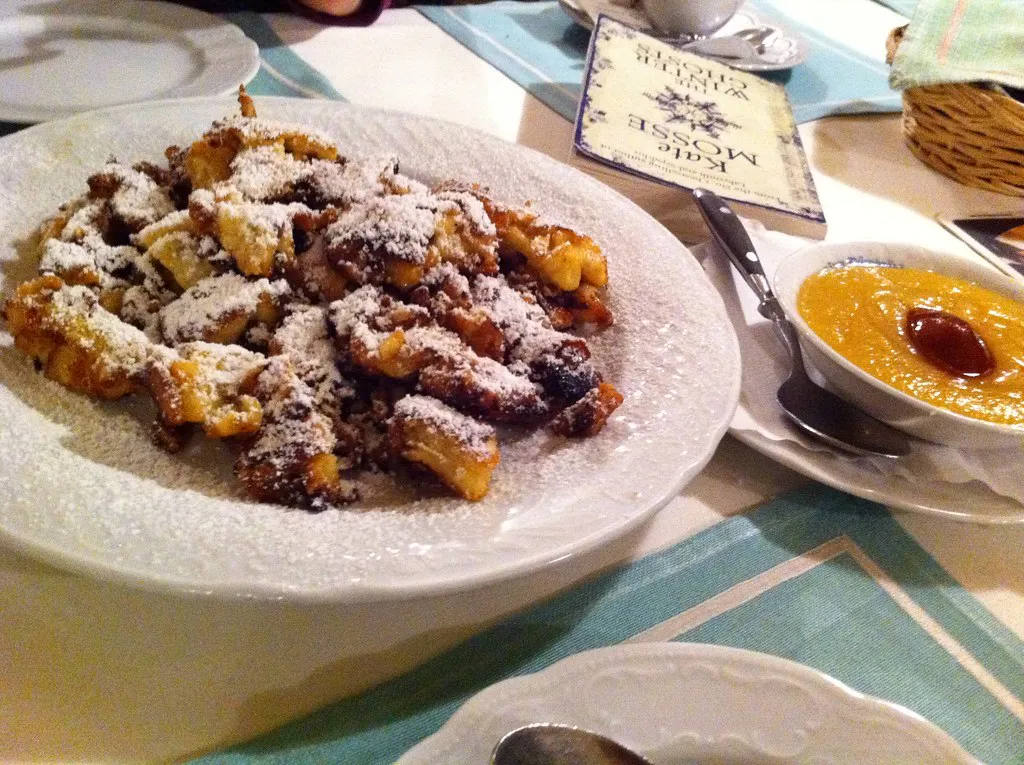
Käsespätzle represents the ultimate Bavarian comfort food for vegetarians. Soft egg noodles are mixed with melted mountain cheese and topped with crispy fried onions for a rich, savory dish. The creamy cheese mixture and crunchy onion garnish create a satisfying textural contrast. One serving is generous enough to share between two people and typically costs €8 to €10.
Lángos brings a Hungarian-influenced treat to Munich's markets: deep-fried bread dough topped with garlic, sour cream, or sweet variations with cinnamon sugar. The crispy exterior and pillowy interior make this vegetarian option highly addictive. Many food stalls feature lángos alongside traditional Bavarian fare, priced at €5 to €7 per piece.
Grilled mushrooms with garlic cream sauce, known as Champignons, appear at specialty stands during peak hours. These sautéed mushrooms in a rich cream sauce provide an earthy, vegetarian alternative. Roasted vegetables and artisanal vegetable soups are also available at higher-end stalls, particularly at the Viktualienmarkt Christmas market.
Grilled Fish and Unique Market Specialties
Steckerlfisch, or grilled fish on a stick, offers an alternative to the endless sausage options. Whole fish are seasoned, skewered, and grilled over open flames at dedicated stalls. The smoky flavor and tender flesh provide a lighter option than typical market fare. These whole grilled fish typically cost €7 to €10, depending on the type and size.
Drachenwurst is a spicy specialty sausage found exclusively at the Medieval Christmas Market at Wittelsbacherplatz. This dark, flavorful meat combines traditional spices and is served with rustic sourdough bread. The medieval setting and open-fire cooking method enhance the authenticity of this unique sausage. Most portions are served with spicy mustard for an authentic kick.
Schupfnudeln, or German potato noodles, resemble gnocchi but with an elongated shape similar to green beans. When paired with cheese or sauerkraut, these egg-based noodles provide a hearty vegetarian option. The Märchenbazar at Olympiapark South features a dedicated stand with multiple varieties of schupfnudeln, priced around €7 to €9.
Raclette is a heated Swiss cheese that is scraped onto bread, potatoes, or pretzels. While not strictly Bavarian, this cheese dish has become popular at Munich's Christmas markets. The molten cheese provides richness and warmth on cold evenings. Expect to pay €8 to €12 for a generous portion.
Sweet Treats and Bavarian Desserts
Gebrannte Mandeln, or roasted cinnamon almonds, are the signature scent of the holiday season. These nuts are cooked in large copper kettles with sugar until they reach a crunchy caramel glaze. Small bags usually cost around €4, making them an affordable and portable snack. The warmth of the paper bag also helps keep your hands cozy while you browse the market stalls.
Dampfnudeln represent a unique Bavarian dessert consisting of a large steamed yeast dumpling served in warm vanilla custard with poppy seeds. These soft, pillowy treats are quite filling and typically cost around €7 per dumpling. The combination of the tender dough and sweet sauce creates an unforgettable dessert experience, though sharing between two people is recommended.
Lebkuchen, or traditional gingerbread, comes in various shapes and sizes throughout Munich's markets. Elisenlebkuchen are the highest quality version, containing a high percentage of nuts and very little flour for a dense texture. You will find beautifully decorated hearts and other shapes that make excellent gifts for friends back home. Check the stalls for assorted tins that keep the cookies fresh for several weeks.
Apfelkücherl are thin apple slices dipped in batter, fried until golden, and dusted with powdered sugar. You get a crispy, sugary exterior with juicy apple filling, creating a textural contrast that appeals to all palates. These fried apple treats usually cost €5 to €6 and are best eaten while still warm.
Quarkbällchen are German donut holes made with quark, a creamy cheese similar to sour cream, and coated generously with powdered sugar. Light, fluffy, and moist, these pastries have a subtle cheese flavor that cuts the sweetness. Most stalls offer these for around €6 per serving.
Festive Beverages: Hot and Spiked
Glühwein remains the most popular beverage for visitors and locals during winter months. This hot mulled wine is infused with cinnamon, cloves, and citrus for a festive kick. Most stalls charge between €4 and €6 per mug, depending on wine quality. You can often add a splash of rum or amaretto for an extra €1. Remember: you pay an additional €3 to €5 deposit for the ceramic mug itself.
White wine varieties of Glühwein are less common but absolutely worth seeking out. These lighter, fruitier versions provide a refreshing alternative to the traditional red wine blend. The white wine versions often highlight citrus notes and cost the same as their red counterparts, around €4 to €6.
Kinderpunsch is a hot, non-alcoholic beverage made with a blend of fruit juices and warming spices. Perfect for children and non-drinkers, this festive drink provides the same cozy warmth as alcoholic options without the intoxication. Most vendors charge €3 to €4 for a generous serving.
Eierpunsch is an egg-based hot punch similar to eggnog but with a distinctly German flavor profile. This creamy, boozy drink combines eggs, milk, sugar, and spirits for a warming winter beverage. The velvety texture and rich flavor make it popular among adults seeking hearty drinks. Expect to pay €5 to €7, plus the mug deposit.
Feuerzangenbowle offers the most dramatic drinking experience at Munich's markets. A sugar loaf is soaked in rum, set on fire, and allows the caramelized sugar to drip into a pot of hot mulled wine below. This powerful drink is a staple at Munich's Christmas markets and packs a serious punch. Enjoy it slowly while standing near a tall heat lamp with friends. The spectacle alone is worth the €6 to €8 cost.
Market Location Food Map: Where to Find Specialties
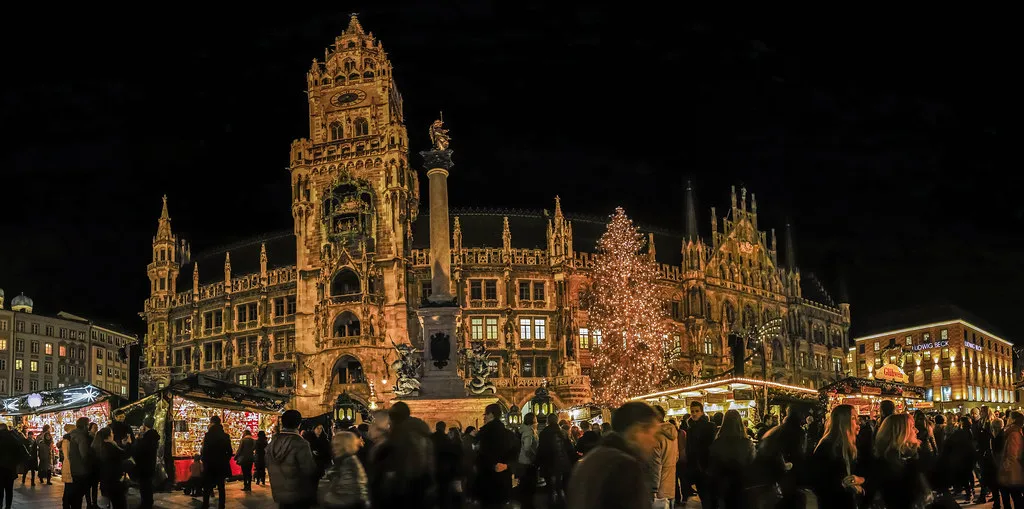
Marienplatz hosts the most comprehensive selection of traditional foods. Bratwurst, käsespätzle, potato pancakes, and all major options are available at numerous stalls. This central location offers the best variety but expect crowded conditions during evenings and weekends.
The Medieval Christmas Market at Wittelsbacherplatz specializes in historical recipes and rustic presentations. Here you will find drachenwurst, wood-fired grilled foods, and traditional serving methods. The torch-lit atmosphere enhances the dining experience and makes this location ideal for seeking authentic Bavarian preparations.
Viktualienmarkt, Munich's famous open-air food market, adds festive stalls during the holiday season. This location specializes in artisanal cheeses, wild game specialties, and premium local produce. Head here for high-end options and gourmet versions of traditional foods.
Märchenbazar at Olympiapark South offers international food diversity alongside traditional options. The dedicated schupfnudeln stand and unique vendor mix make this location ideal for adventurous eaters seeking alternatives. The alternative market aesthetic creates a more relaxed, less crowded atmosphere than Marienplatz.
Practical Tips for Eating at the Markets
Timing your market visit matters significantly. Arrive during weekday lunchtimes between 11:00 AM and 2:00 PM to enjoy your food without being jostled by crowds. Weekend evenings between 6:00 PM and 8:00 PM feature peak congestion at Marienplatz, particularly on Saturdays.
Always carry sufficient cash, as many smaller food stalls do not accept credit or debit cards. While some larger vendors are modernizing their payment systems, the cash-only rule still dominates most market stalls. Keep a mix of small bills and coins ready for quick transactions at busy locations.
Wear comfortable, warm shoes because you will spend several hours standing on cold cobblestones. Many food areas do not have traditional seating; instead, you eat at tall standing tables or while browsing. Sharing portions with travel companions allows you to taste a wider variety of dishes without overindulging.
Pack small napkins in your coat pocket for messy finger foods like bratwurst and fried items. Most stalls provide minimal napkins, and cold weather makes hand-wiping challenging. Consider booking a guided food tour if you want expert recommendations on which specific stalls have earned reputations for quality and freshness.
Frequently Asked Questions
How much does food cost at Munich Christmas markets?
Most main dishes like Bratwurst or Käsespätzle cost between €6 and €10 per portion. A mug of Glühwein usually adds another €5 plus the refundable mug deposit of €3 to €5. You should budget approximately €20 per person for a satisfying meal and a festive drink.
Are there vegetarian options at the Munich food stalls?
Vegetarians will find plenty of delicious options including Käsespätzle noodles, Reiberdatschi potato pancakes, and Lángos. Many stalls also offer roasted mushrooms with garlic sauce or hearty vegetable soups. Sweet treats like Dampfnudeln, Apfelkücherl, and roasted almonds are almost always vegetarian-friendly as well.
Can I keep the Christmas market mugs as souvenirs?
Yes, you can keep the beautifully decorated ceramic mugs by choosing not to return them for the deposit. Each market usually has its own unique design that changes every year. This makes them one of the most affordable and authentic souvenirs you can find in Munich.
What are the typical opening hours for food stalls?
Most food stalls open around 10:00 AM or 11:00 AM and stay busy until 9:00 PM or 10:00 PM. Weekends are significantly more crowded, so visiting during a weekday afternoon is highly recommended. Check the official city website for specific opening times at each individual market location.
Eating your way through Munich's holiday markets is an unforgettable part of any Bavarian winter trip. The combination of historic settings and traditional recipes creates a truly magical atmosphere for every visitor. Make sure to try both savory and sweet options to fully experience the local culture. Understanding the Pfand system and visiting during quieter times ensures a smooth, enjoyable experience. Your holiday memories will be much sweeter with a warm mug of Glühwein in hand.
 10 Best Budapest Christmas Market Food Treats for 2026April 21, 2026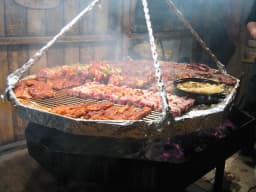
 12 Best Things to Eat at Oktoberfest (2026 Guide)April 21, 2026