
10 Best Budapest Christmas Market Food Treats for 2026
Discover the best Budapest Christmas market food from savory lángos to sweet chimney cakes. Plan your festive culinary adventure with our expert tips and prices.
On this page
The Ultimate Guide to Budapest Christmas Market Food in 2026
Budapest transforms into a glowing winter wonderland when the holiday season finally arrives. The air fills with the scent of cinnamon and roasted meats near the grand Basilica. Exploring the Budapest Christmas market allows you to taste centuries of Hungarian culinary tradition. Every corner of the city offers a new opportunity to indulge in seasonal flavors.
Visitors often find themselves overwhelmed by the sheer variety of steaming food stalls. You will discover hearty stews served in bread bowls alongside delicate, flaky pastries. Most food vendors open daily from 11:00 AM until late evening for hungry travelers. This guide helps you navigate the best bites without missing any local favorites.
Essential Savory Budapest Christmas Market Food
Lángos remains a mandatory staple for anyone visiting the festive stalls in Hungary. This deep-fried dough usually comes topped with garlic water, sour cream, and grated cheese. Expect to pay around 2,500 HUF for a classic version at the Vörösmarty Square market. Modern variations often include toppings like red onion, bacon, or even spicy sausage.
Töltött Káposzta, or stuffed cabbage, offers a warming meal on freezing December nights. Large cabbage leaves wrap around a savory mix of minced meat and seasoned rice. Vendors often serve them with a generous dollop of cool sour cream for perfect balance. One portion usually costs about 3,500 HUF and provides a very filling lunch.
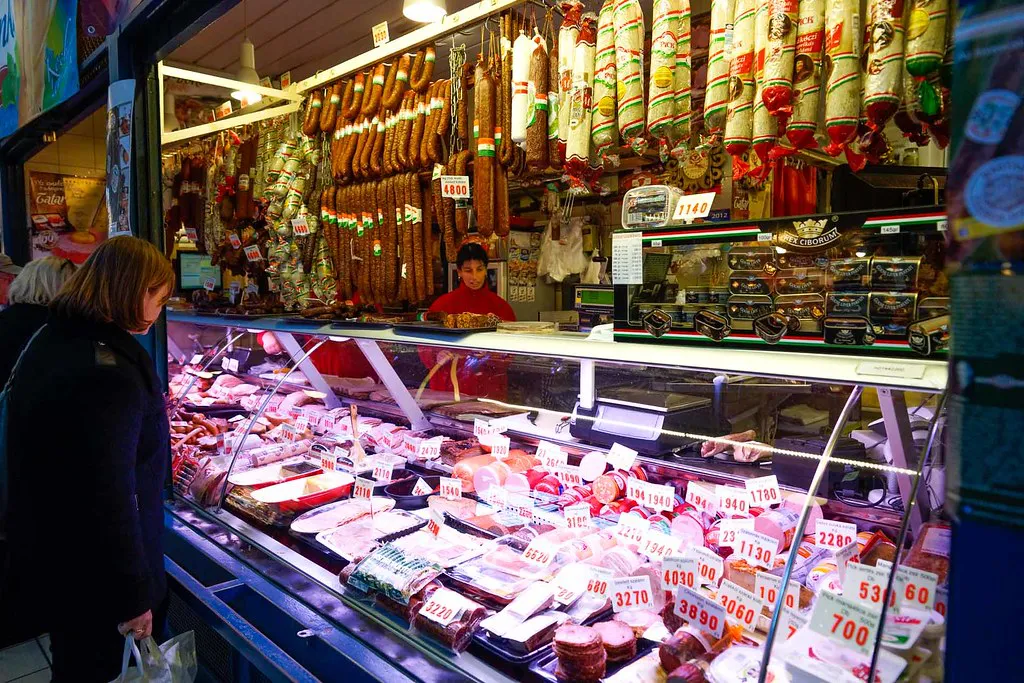
Roasted meats and sausages sizzle on giant iron griddles throughout the festive squares. Hurka and kolbász provide a smoky, spiced protein fix for active winter sightseers. Prices for these meat platters range from 3,000 to 4,500 HUF depending on the sides. Pair your sausage with mustard and a thick slice of fresh sourdough bread.
Gulyásleves, the famous Hungarian goulash, is frequently served in hollowed-out bread bowls. This beef and vegetable soup features heavy notes of sweet and smoky paprika. Eating technique: Begin with the interior, spooning the goulash and broth into the bread bowl for an even soak. Tear off the sides—these pieces, saturated with paprika-rich liquid, are the most flavorful. Eating the bowl afterward is a local tradition that saves on plastic waste. Look for stalls with long lines, as they typically have the freshest batches.
Sweet Delights and Iconic Festive Pastries
Kürtőskalács, known as **chimney cake**, is the most famous sweet treat in the city. The dough wraps around a wooden spit and roasts over hot coals until caramelized. Fresh cakes usually cost about 1,500 to 2,500 HUF depending on the chosen coating. Cinnamon and walnut remain the most popular choices for traditional holiday flavors.
Quality tip: Always choose stalls grilling over charcoal, not electric heat. Real charcoal creates the signature crispy, caramelized exterior that tourists pay for. Electric-heated versions produce a softer, doughy crust that lacks the signature crunch. Watch for the visible orange glow of coals when you order. This small detail separates an excellent chimney cake from a disappointing one.
Flódni provides a unique taste of Hungarian-Jewish heritage during the festive season. This layered cake features poppy seeds, walnuts, apples, and plum jam between thin sheets. It is a dense, flavorful dessert that pairs perfectly with a hot beverage. Individual slices are quite rich, making them easy to share with a partner.
Bejgli serves as the traditional Christmas roll found in almost every Hungarian household. These rolls typically feature a high ratio of walnut or poppy seed filling to dough. You can find pre-packaged rolls to take home as delicious edible souvenirs. Check the weight of the roll to ensure you are getting a premium product.
Roasted chestnuts offer a simple and nostalgic snack for those walking between markets. Small paper bags of these warm treats are sold at many street corners. A dozen chestnuts usually cost around 1,000 HUF from the smaller independent vendors. They are perfect for keeping your hands warm while you explore the city.
Warm Drinks to Beat the Winter Chill
Forralt bor, or **mulled wine**, is the essential companion for any market stroll. Most stalls offer red or white versions infused with cloves, star anise, and oranges. A standard 3dl mug typically costs around 1,200 to 1,500 HUF in 2026. These drinks taste even better when sipped from a souvenir mug — a keepsake you take home from the festive season.
Hot tea and apple cider provide excellent non-alcoholic alternatives for younger visitors. These drinks often feature local honey and seasonal spices for a festive profile. Expect to pay roughly 800 to 1,000 HUF for a steaming cup of cider. Specialty drinks like "Almás Puncs" (spiced hot apple punch) and "Krampampuli" (traditional spiced punch with rum undertones) round out the non-wine selection.
Hot chocolate is particularly popular—thick, creamy Hungarian versions topped with whipped cream cost around 1,000 HUF. Some vendors add a shot of gin or another liqueur for an adult twist.
Pálinka offers a stronger way to stay warm while browsing the various craft stalls. This fruit brandy comes in flavors like plum, apricot, and pear with high alcohol content. Small 2cl or 4cl shots are available for those wanting a quick, fiery kick—typically priced at 600–900 HUF. Always sip this drink slowly to appreciate the intense fruit aromas and warming effects.
Vegetarian and Vegan Options at the Stalls
Vegetarians will find plenty to enjoy at Budapest's Christmas markets, contrary to what meat-heavy menus might suggest. Lángos with cheese and sour cream (without garlic water or meat toppings) is a filling, naturally vegetarian staple found everywhere. Cost: 2,000–2,500 HUF.
Fried cheese (fűszeres sajt) offers a crispy alternative—breaded and golden, served with mustard and pickles. Expect to pay around 2,500 HUF. Grilled vegetables are often available at larger markets like Vörösmarty Square, featuring seasonal options like mushrooms, peppers, and zucchini at 2,000–3,000 HUF. These smoky, charred vegetables pair beautifully with a dollop of sour cream.
Crepes and potato dishes round out savory vegetarian options. Túrós palacsinta (cheese-filled sweet crepes) costs around 2,000 HUF, while tócsni (crispy potato pancakes) served with sour cream is a hearty 2,200 HUF option.
Sweet treats are naturally vegetarian: Chimney cakes, flódni, bejgli, and roasted chestnuts are all meat-free. Hot chocolate and mulled wine (when alcohol-free versions are requested) also suit vegetarian diets. Always confirm with vendors about lard usage in traditional stews—some mushroom or potato-based dishes may contain pork fat.
Payment Methods and Budgeting Tips
Most vendors now prefer or exclusively accept **credit cards** over cash, though some smaller independent stalls may still accept HUF. Keep a few small coins ready if you need to use the public restrooms. Budgeting around 8,000 HUF per person allows for a full meal, drinks, and a souvenir mug.
The mug deposit system: Many mulled wine and hot chocolate stalls use a deposit system for reusable mugs. You pay a 500–1,500 HUF deposit (depending on the mug's design) on top of the drink price. You can return the mug at any participating stall to get your deposit back, or keep it as a festive souvenir. This system reduces waste and makes a perfect keepsake.
Official exchange rates are usually better than rates offered by individual stalls. Vörösmarty Square and St. Stephen's market are more expensive than smaller neighborhood fairs, so plan your route accordingly if budget is a concern.
Best Markets for a Culinary Adventure
Different squares in the city offer varying atmospheres and specialized food selections. The St. Stephen's Christmas market is known for its high-quality gourmet options. You can find everything from traditional goose leg to modern fusion street food here. The light show on the Basilica facade provides a stunning backdrop for dinner.
Vörösmarty Square hosts the oldest and largest market with the most diverse food court. It features massive iron cauldrons filled with stews and grilled meats. Try the grilled vegetables if you are looking for a lighter savory option. This market is often the busiest, so prepare for a lively and crowded atmosphere.
Quick comparison: Vörösmarty Square vs. St. Stephen's Basilica
| Aspect | Vörösmarty Square | St. Stephen's Basilica |
|---|---|---|
| Crowds | Very busy, especially evenings | Moderately crowded, better flow |
| Food variety | Largest selection, traditional Hungarian | Gourmet focus, some international options |
| Best stalls | Goulash, sausages, traditional sweets | Premium goose leg, fusion street food |
| Price range | 2,500–5,000 HUF per main | 3,000–6,000 HUF per main |
| Timing tip | Visit 2:00–4:00 PM for shorter lines | Afternoon offers better atmosphere |
Advent in Óbuda offers a more local, residential feel at Fő tér in District III. Food costs range from 1,500–3,500 HUF, making it the budget-friendly alternative. This market closes before Christmas, so plan accordingly.
Local Tips for the Best Dining Experience
Many travelers make the mistake of only eating at the main central food stalls. Smaller markets often provide similar quality for lower prices and shorter waiting times. Explore the neighborhood fairs at Erzsébet Square, Fővám Square, and Jókai Square for less crowded experiences.

Timing matters. Visit between 2:00 PM and 4:00 PM to avoid the heaviest dinner crowds and weekend rushes. This timing also ensures the food is fresh and the service is much faster. Tuesdays and Wednesdays are quieter than weekends.
Standing tables are common, but finding a seated spot can be difficult during peak hours. Dress in layers because the heat radiating from the cooking vats can be intense. Keep coins handy for restroom access (typically 200–500 HUF).
Frequently Asked Questions
Is budapest christmas market food expensive for tourists?
Prices have risen recently, with main dishes costing between 3,000 and 5,000 HUF. While more expensive than local restaurants, the experience is unique to the season. You can save money by sharing larger portions of lángos or sausages. Visit EuroFestGuide for more budget tips.
Are there vegetarian options at the Budapest Christmas markets?
Yes, vegetarians can enjoy fried cheese, mushroom stews, and potato-based dishes. Lángos with cheese and sour cream is a filling meat-free staple found everywhere. Sweet treats like chimney cakes and roasted chestnuts are also naturally vegetarian-friendly. Always ask about lard usage in traditional stews.
What is the best time to visit for food?
Late afternoon between 3:00 PM and 5:00 PM is ideal for fresh food and shorter lines. This allows you to enjoy the festive lights without the peak dinner rush. Weekdays are significantly less crowded than weekends. Most stalls serve their full menu throughout the day.
Dining at the festive stalls is a highlight of any winter trip to Hungary. From savory cabbage to sweet chimney cakes, the flavors are truly unforgettable. Use this Christmas in Budapest guide to navigate the city's best culinary offerings. Every bite provides a deeper connection to the local culture and holiday spirit.
Plan your visit early to experience the magic without the largest crowds. Each market square offers a slightly different taste of the Hungarian holiday season. Bring your appetite and a sense of adventure to these historic cobblestone streets. Enjoy every moment of your delicious and festive Budapest holiday adventure.
 Best Munich Christmas Market Food Guide 2026April 21, 2026
 Polish Christmas Market Food: Best Eats in KrakowApril 21, 2026