
Berlin Christmas Markets Guide 2026: Top 10 Markets
Discover the best Berlin Christmas markets for 2026. Get expert tips on dates, locations, and local food to plan your perfect holiday trip to Germany today!
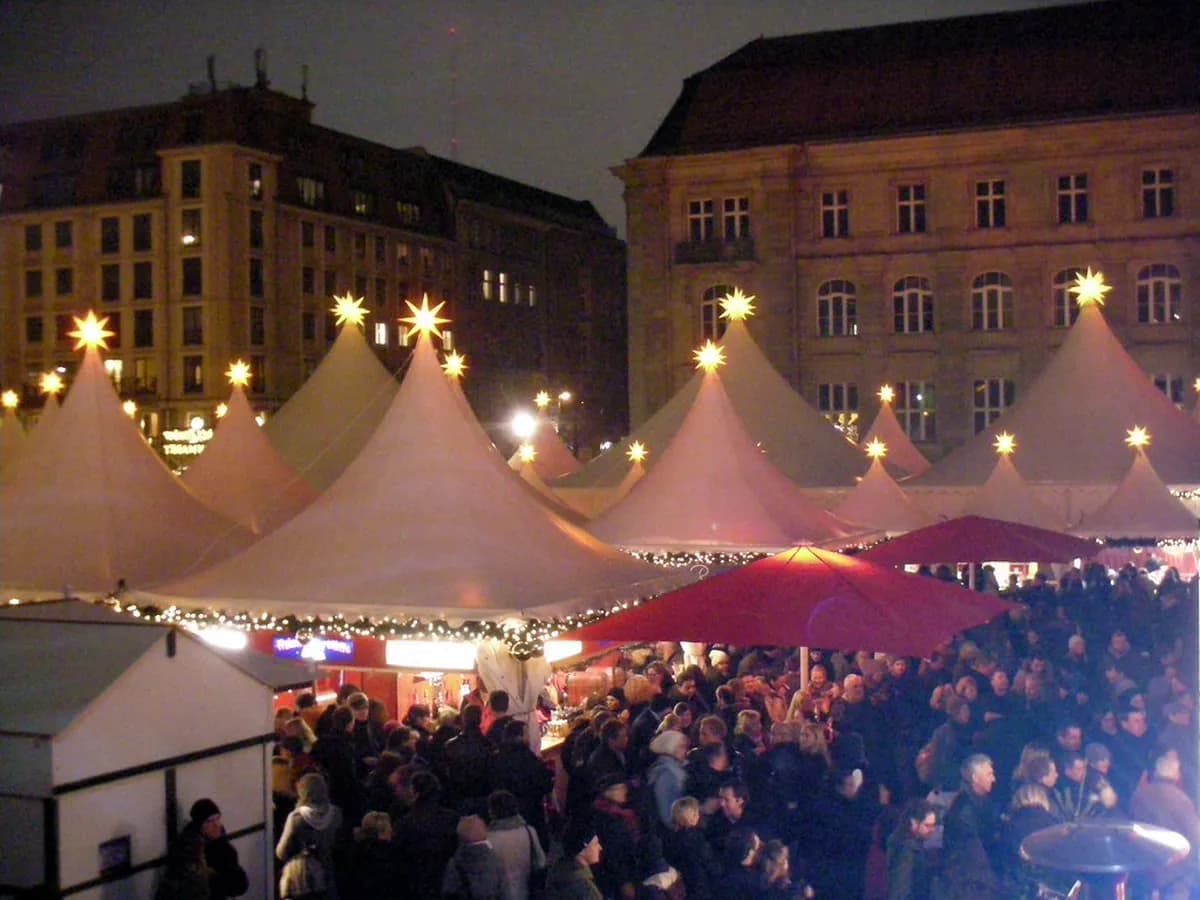
On this page
10 Best Berlin Christmas Markets: 2026 Local Guide
Berlin transforms into a glowing winter wonderland every November as dozens of markets open across the city. You will find traditional wooden huts and twinkling lights in almost every major neighborhood. Most festive events run from late November until late December or early January. With over 80 markets to choose from, this guide narrows down the absolute best for your visit.
The city offers everything from historic royal settings to modern urban fairs with carnival rides and ice skating. Planning ahead is essential because each location has unique opening hours, entry fees, and regional specialties. Local traditions like sipping warm spiced wine (Glühwein) in a ceramic souvenir mug make the cold weather feel cozy and welcoming. This guide covers the top 10 markets plus practical tips for navigating Berlin's festive season like a local.
Key Takeaways
- WeihnachtsZauber at Gendarmenmarkt (Bebelplatz) is Berlin's most elegant market with upscale crafts and gourmet food.
- Skip Alexanderplatz and Potsdamer Platz if you prefer authentic charm over commercial crowds and fairground rides.
- Understanding the Pfand (deposit) system for mugs and glasses saves money and protects against surprise charges.
- Visit weekday mornings (11 AM–3 PM) to avoid weekend crowds and enjoy better browsing.
- Bring cash for most stalls, small coins for toilets (1–1.50 EUR), and comfortable walking boots.
WeihnachtsZauber at Gendarmenmarkt (Bebelplatz)
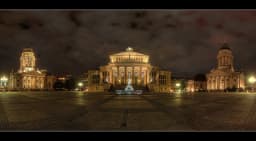
Many travelers consider WeihnachtsZauber to be the most elegant and upscale market in all of Berlin. Due to ongoing construction at the main Gendarmenmarkt square, this event currently takes place at the nearby Bebelplatz location, which remains equally stunning with grand historic buildings surrounding the white-topped tents. You can find detailed directions in our gendarmenmarkt christmas market guide for your visit.
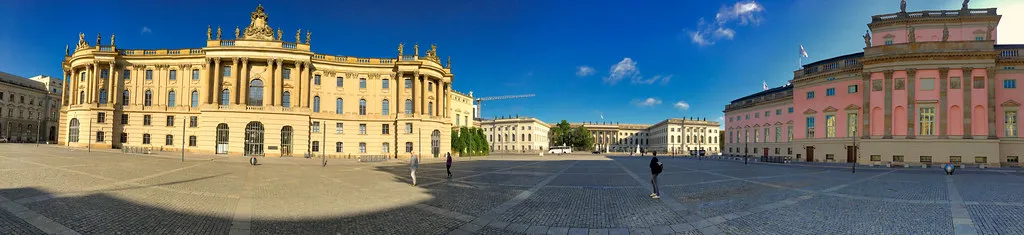
This market attracts artisans from across Europe who sell handmade jewelry, leather goods, ceramics, and unique Christmas ornaments. Glassblowers and woodcarvers often demonstrate their craft in real-time, creating a truly immersive experience. The entry fee of 2 EUR is well justified by the exclusive atmosphere and high-quality merchandise available. Admission is free on weekday mornings between 12:00 PM and 2:00 PM, making this the ideal time to shop without fighting crowds.
Heated dining tents offer gourmet versions of traditional German holiday cuisine. Professional chefs prepare käsespätzle (cheese noodles), Nürnberger Lebkuchen (traditional gingerbread), and seasonal soups. A full meal with wine typically costs 15–25 EUR. Live choirs and brass bands perform throughout the day on a central stage. Nighttime visits showcase thousands of golden lights reflecting off the historic facades.
Berliner Weihnachtszeit at Rotes Rathaus
The city hall market is one of Berlin's largest and most family-oriented Christmas celebrations. Set on the square between the beautifully illuminated Rotes Rathaus (Red Town Hall) and St. Marienkirche, it features around 100 wooden stalls and a truly magical atmosphere. A 50-meter-high Ferris wheel gives fantastic views over Berlin, while a 600-square-meter ice rink surrounds the beautiful Neptune Fountain where Santa appears at 4:30 PM, 6:30 PM, and 8:30 PM daily.
This market excels for families and groups wanting multiple activities in one location. A medieval-style craft area lets you watch artisans at work, making items like handmade pottery and ironwork. Food options range from traditional Bratwurst to crepes and Nürnberger Lebkuchen (authentic gingerbread cookies). The food is notably better here than at other major markets. Admission is free, though rides and ice skating have separate charges (3–6 EUR per person).
The market stays open until December 30th, making it a great late-season option. However, expect serious crowds on weekends after 6 PM. Visiting during weekday afternoons or early mornings offers much better browsing conditions. The atmosphere changes dramatically after dark when twinkling lights and the Ferris wheel create a carnival-like setting.
Lucia Christmas Market at Kulturbrauerei
For a unique, locally-focused experience, the Lucia market in Prenzlauer Berg stands out as Berlin's premier Scandinavian-themed Christmas market. Set against historic red brick buildings of the Kulturbrauerei (an old brewery now converted to a creative hub), this market celebrates Nordic traditions and Saint Lucia, the goddess of light. Daily visits from Father Christmas (5–6 PM) and a walking angel character (8–9 PM) delight families.
The market specializes in Nordic and Scandinavian cuisine you won't find elsewhere in Berlin. Try glögg (Scandinavian spiced mulled wine, sweeter than German Glühwein), reindeer bratwurst, elk goulash, and fire-roasted salmon sandwiches. The fish dishes and Nordic treats are notably fresher and more thoughtfully prepared than generic market fare. Most meals cost 10–15 EUR. Handmade ornaments, candles, and jewelry from Nordic artisans fill the stalls.
This market appeals to travelers seeking less crowded, more authentic experiences. Admission is free. It runs from November 23 to December 22, closing earlier than many competing venues. Getting there is easy via the U2 U-Bahn red line to Eberswalder Straße. Weekday evenings offer the coziest atmosphere with fewer people and better opportunities to chat with vendors about their crafts.
Spandau Old Town Christmas Market
Located in the historic old town of Spandau, this market is one of Berlin's largest and most enchanting with strong traditional German character. Filled with over 100 wooden stalls, twinkling Christmas lights, and festive decorations, it's a true step back into a classic German Christmas. The historic old town streets surrounding the market date back centuries, giving the entire area an authentically medieval feel that's rare in modern Berlin.
Spandau attracts artisans selling handcrafted gifts, woodcarvings, local honey, and traditional Christmas ornaments. The food is excellent, featuring charcoal-grilled Bratwurst, handmade potato pancakes (Kartoffelpuffer), and mulled wine. Live bands perform throughout the day, including carol singers and dance groups performing traditional German folk music. Admission is free. This market stays open from November 24 to December 23, making it accessible for most of the holiday season.
What sets Spandau apart is its lack of commercialism compared to central Berlin markets. You'll see genuine handmade items rather than mass-produced goods. Families appreciate the pedestrian-friendly cobblestone streets and the slower, more relaxed pace. Getting there requires a 20-minute S-Bahn ride to Spandau, but the journey is worthwhile for the authentic experience.
Historischer Weihnachtsmarkt (RAW-Gelände)
For a truly unique medieval Christmas experience, the Historical Christmas Market in Friedrichshain transforms an old railway yard into a cozy medieval village. Torchlight, bonfires, and historical music create an immersive atmosphere that feels like stepping back in time. The gritty industrial space of RAW cultural center now hosts one of Berlin's most distinctive markets, popular with locals and adventurous travelers.
Medieval artisans sell handmade pottery, leather goods, intricate ironwork, and wooden carvings. Jugglers, acrobats in period costumes, and fire performers roam the grounds entertaining visitors. Kids enjoy a hand-operated wooden carousel and vintage wooden Ferris wheel. The food is medieval-inspired with hearty soups, roasted meats, and spiced mulled wine (Glühbier—mulled beer—is a specialty). Entry is 2 EUR (free on Mondays, 1 EUR Thursday–Wednesday for children 6–16).
This market runs from November 13 to December 22, making it one of the longest seasons. Getting there requires taking the S-Bahn to Warschauer Straße and walking 5 minutes, but the unique medieval atmosphere justifies the extra travel. It's less crowded than central markets, making it ideal for photographers seeking authentic holiday atmosphere without commercial pressure.
Charlottenburg Palace Christmas Market
The market at Charlottenburg Palace offers one of Berlin's most romantic and historically significant Christmas experiences. The dramatic Baroque palace facade, illuminated with vibrant colored lights after dark, creates a fairy-tale backdrop that's unmatched at any other Berlin market. Over 100 wooden huts spread across the grand palace courtyard, and the palace gardens remain open for quiet winter strolls before entering the festive market area.
This location appeals to travelers seeking elegance and history combined. Wooden stalls feature handmade crafts, jewelry, and local artisan goods. The evening atmosphere is particularly magical, with the palace's architectural details highlighted by professional lighting. The market is less commercialized than central locations, attracting more serious crafts shoppers and couples seeking romantic experiences. Admission is free, though bathroom access costs 1.50 EUR.
To reach Charlottenburg, take the U7 subway to Sophie-Charlotte-Platz (20–25 minutes from city center). The market runs from November 24 to December 28, and parking is available nearby. Combining a palace tour with the market visit makes for a full cultural day. Wear extra warm layers as the open courtyard can be windy, and plan to visit after 4 PM when the lighting creates the most magical atmosphere.
Winter Market at Humboldt Forum (Schlossplatz)
Berlin's newest addition to its Christmas market scene, the Winter Market at Schlossplatz features over 150 festively decorated stalls divided into two distinct areas. Schlossplatz itself offers food stalls with international flavors—Jamaican specialties, pasta served in giant cheese wheels, Hungarian goulash—almost all certified organic. The real magic happens in the Humboldt Forum courtyard, featuring handmade jewelry, soaps, candles, and Christmas ornaments with beautiful light projections on surrounding buildings.
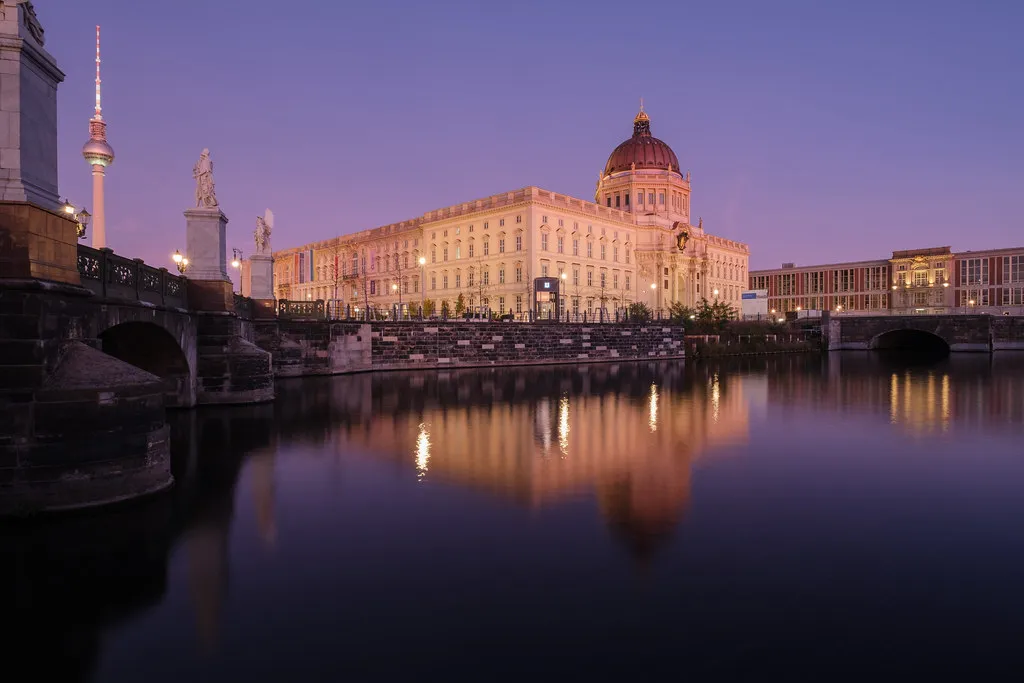
This market is open longer than most, running from November 18 to January 3, making it accessible even after the New Year. A spectacular laser light show illuminates the Schlüterhof courtyard every Tuesday and Thursday at 6 PM and 8 PM. A 30-meter-long giant stollen (traditional German fruit bread) from Rösler bakery is ceremonially cut on November 25 at noon. Admission is free. This is the ideal market for photographers, with Instagram-worthy backdrops from every angle.
The diverse food options make it perfect for mixed groups with different dietary preferences. The organic focus appeals to health-conscious travelers. Expect moderate crowds compared to Alexanderplatz, though evenings and weekends get busy. The curated stall selections mean higher-quality handmade items, though prices reflect this upscale positioning.
Which Christmas Markets to Skip
Alexanderplatz and Potsdamer Platz dominate tourist guides, but experienced visitors recommend skipping or minimizing time at both. The Alexanderplatz market, while featuring Europe's largest Ore Mountain pyramid (illuminated by 5,000+ lights), feels excessively commercial with mass-produced goods, fairground rides, and a "Las Vegas of Christmas markets" atmosphere. Most merchandise is generic souvenirs rather than handmade crafts. Admission is free, but the crowds are overwhelming on weekends.
Potsdamer Platz similarly transforms into a commercial "Alpine winter village" with a 12-meter toboggan run and 600-square-meter ice rink inside the Sony Centre. The focus is entertainment and commercial shopping rather than authentic German Christmas traditions. Both venues are easily accessible, which ironically makes them unbearably crowded. If you're short on time, these markets are skippable—they lack the magic and authenticity of the top 10 venues listed above.
Instead of investing time at these commercial hubs, prioritize Gendarmenmarkt for elegance, Spandau for authenticity, or Lucia for Scandinavian uniqueness. The extra travel effort to reach outer-city markets rewards you with genuinely magical experiences and manageable crowds.
Understanding the Pfand (Deposit) System
The Pfand system is Berlin's unique deposit-based drinking glass model that confuses many first-time visitors. When you purchase a beverage in a decorative ceramic or glass mug at any Christmas market, you pay a deposit (typically 5 EUR for a souvenir mug, 2–3 EUR for a regular glass). The deposit is refundable when you return the vessel to the same vendor or any vendor at that market.
This system serves two purposes: reducing litter and encouraging drink purchases at specific venues. Most travelers choose to keep the souvenir mug as a Christmas keepsake, making the 5 EUR deposit essentially a purchase fee for a ceramic vessel. However, you can return the mug if you prefer a refund. Some vendors now offer card-to-cash refunds as an alternative to returning physical mugs, though cash returns remain standard.
Pro tip: Bring small coins to complete the Pfand transaction smoothly. Many vendors prefer cash, though card payments are increasingly accepted. Ask the vendor upfront about their refund policy before purchasing. This small detail saves frustration and ensures you understand the true cost of each drink. A typical Glühwein costs 4–5 EUR plus the 5 EUR deposit (refundable).
LGBTQIA+ Winterdays and Christmas Avenue
For an inclusive and vibrant Christmas market experience, Berlin's LGBTQIA+ Winterdays at Nollendorfplatz offers a festive alternative most generic guides overlook. This community-focused celebration features decorated stalls, live performances, and a welcoming atmosphere for LGBTQIA+ travelers and allies. The Christmas Avenue section highlights local artists, designers, and performers, creating a uniquely Berlin vibe that differs dramatically from traditional markets.
This market celebrates contemporary Christmas culture rather than only historic traditions. You'll find modern art installations, emerging designers selling jewelry and fashion, and live music ranging from drag performances to traditional carols. The food is diverse and inclusive, reflecting Berlin's multicultural character. Admission is free, and the atmosphere is notably more relaxed than mainstream markets.
Winterdays typically runs in December and is especially vibrant on weekends. It's easily accessible via the U2 red line to Nollendorfplatz. This market exemplifies Berlin's reputation as a progressive, creative city. LGBTQIA+ travelers particularly appreciate the explicitly welcoming environment and the chance to celebrate holidays surrounded by community.
Practical Tips for Visiting Berlin Christmas Markets
Berlin's public transportation system is excellent for market hopping. Purchase a 7-day zone AB pass for 41.50 EUR to access all U-Bahn, S-Bahn, and tram lines unlimited. Individual tickets cost 3.50 EUR. A single-trip cost of 3.50 EUR means you break even on a 7-day pass after just six rides. For longer stays, the Berlin WelcomeCard provides unlimited transit plus discounts on museums and attractions.
Cash is still essential at many stalls, especially smaller vendors and toilet facilities. While card payments are increasingly accepted, don't assume every stall takes cards. Many artisans prefer cash for quick transactions. Always carry 50-cent and 1-EUR coins for bathroom access (typically 1–1.50 EUR). ATMs are available near major squares, though withdrawing cash away from markets is safer.
Wear thermal layers, waterproof walking boots, and bring a warm hat and gloves. December in Berlin is damp and cold, with temperatures between 0–5°C (32–41°F). Comfortable footwear is critical as you'll walk between multiple markets. Many markets close on Christmas Eve (December 24) and certain holiday dates, so check official schedules in advance. Most operate until December 30 or 31, with a few continuing through early January.
Visit on weekday mornings (11 AM–3 PM) to avoid crowds and enjoy better browsing. Weekends and evenings are when locals flock to markets after work, creating bottlenecks. If you must visit evenings, arrive before 6 PM. The "blue hour" just after sunset (4–5 PM) offers ideal lighting for photography. Download offline maps and the VBB transit app to navigate confidently.
Local Food and Drink You Must Try
Drinking Glühwein (hot mulled wine) is the quintessential Berlin Christmas market tradition. This hot spiced wine comes in a decorative ceramic souvenir mug for 4–5 EUR plus a 5 EUR refundable deposit. You can return the mug for a refund or keep it as a gift. Glühwein varies by vendor—some add too much sugar while others nail the spice-to-sweetness balance. Try samples from different stalls to find your favorite. Glögg (Scandinavian mulled wine, sweeter than Glühwein) is a specialty at Lucia market.
Charcoal-grilled Bratwurst and Currywurst are reliable quick meals. Served in a small crusty bread roll with mustard and ketchup, a Bratwurst costs 5–6 EUR. The sausage quality varies widely—vendors with long lines typically have the freshest meat and fastest turnover. Vegetarians should seek Kartoffelpuffer (crispy fried potato pancakes) served with applesauce or garlic cream, or Käsespätzle (cheese noodles), a hearty vegetarian option costing 8–10 EUR.
For dessert, Nürnberger Lebkuchen (authentic traditional gingerbread from Nuremberg) is superior to generic gingerbread. These soft, spiced cookies cost 3–4 EUR for a package. Gebrannte Mandeln (roasted almonds coated in cinnamon sugar) are addictive at 4–5 EUR per bag. Heart-shaped cookies with icing messages make great gifts. The sweet scent of sugar, spices, and roasted nuts fills every market.
Quick Comparison: 10 Best Markets at a Glance
| Market | Entry Fee | Best For | Highlight |
|---|---|---|---|
| Gendarmenmarkt | 2 EUR | Upscale shopping | Elegance and gourmet food |
| Rotes Rathaus | Free | Families | Ferris wheel, ice rink, Santa |
| Lucia | Free | Scandinavian food | Nordic traditions, reindeer bratwurst |
| Spandau | Free | Authenticity | Historic old town, live bands |
| RAW-Gelände | 2 EUR | Medieval atmosphere | Torchlight, medieval crafts, acrobats |
| Charlottenburg | Free | Romantic couples | Baroque palace backdrop at night |
| Humboldt Forum | Free | Photography, organic food | Laser shows, longest season |
| LGBTQIA+ Winterdays | Free | Inclusive community | Modern art, drag performances |
Berlin offers one of Europe's most diverse Christmas market experiences, with options ranging from royal palace settings to medieval villages and cutting-edge contemporary celebrations. From the elegant WeihnachtsZauber at Gendarmenmarkt to the authentically German Spandau old town market, there is something for every traveler's taste and schedule. Planning your visit around the top 10 markets while avoiding commercial trap venues like Alexanderplatz ensures a truly magical holiday experience.
Remember to dress warmly, bring cash for vendors and toilets, and understand the Pfand deposit system to avoid confusion. Use Berlin's excellent public transportation to efficiently hop between markets, and prioritize weekday morning visits for optimal browsing conditions. Take time to explore both the famous city-center landmarks and the smaller neighborhood markets to experience the full diversity of German Christmas traditions. Whether you're seeking upscale shopping, family fun, Scandinavian cuisine, or authentic medieval atmosphere, Berlin's Christmas markets deliver unforgettable holiday memories.
Frequently Asked Questions
When do Berlin Christmas markets open in 2026?
Most markets in Berlin are expected to open on November 23, 2026. Some smaller neighborhood events may only run on specific weekends in December. Always check the official berlin christmas market dates for the latest updates on specific locations.
Is there an entry fee for the markets?
The majority of markets in Berlin are free to enter. However, popular spots like Gendarmenmarkt and the market at Charlottenburg Palace often charge a small fee of 1 to 2 euros. This fee usually supports live music and high-quality decorations.
Can I pay with a credit card at the stalls?
Many vendors now accept cards, but cash is still preferred at many smaller stalls. It is wise to carry enough euros for food, drinks, and small crafts. ATMs are usually available near the entrances of the largest market squares.
Which market is best for children?
Alexanderplatz and the Rotes Rathaus market are excellent for families. They feature ice rinks, carousels, and a giant ferris wheel that kids love. These locations also offer plenty of kid-friendly snacks like crepes and hot chocolate.
Berlin offers one of the most diverse Christmas market experiences in all of Europe. From the royal grounds of Charlottenburg to the busy streets of Mitte, there is something for everyone. Planning your visit around the top markets ensures a memorable holiday trip. The combination of history, food, and festive lights makes the city truly special.
Remember to dress warmly and bring plenty of cash for your favorite treats. Using the public transit system will make your journey between markets much smoother. Take the time to explore both the famous landmarks and the smaller local fairs. We hope this guide helps you enjoy the magic of Berlin this winter season.
 Berlin Christmas Market Dates 2026: Complete GuideApril 21, 2026
 15 Best Christmas Markets Europe: 2026 Travel GuideApril 21, 2026