
Viktualienmarkt Christmas Guide: Munich's Top Foodie Market
Discover the magic of the Viktualienmarkt Christmas market in Munich. Enjoy gourmet food, local crafts, and festive vibes. Plan your 2026 holiday trip today!
On this page
Experience the Magic of Viktualienmarkt Christmas in 2026
Winter Magic at Viktualienmarkt transforms Munich's beloved farmers market into a festive gourmet destination every late November through January.
Unlike the sprawling Marienplatz Christmas market with its mass-produced crafts, Viktualienmarkt (Winterzauber) caters exclusively to food lovers and local gift hunters.
This historic market, operating daily since 1807, celebrates Bavarian culinary traditions with artisanal cheeses, regional sausages, mulled wine, and handmade treats.
Plan your visit in early December to avoid the 3 PM holiday rush while still experiencing the full festive atmosphere.
Winter Magic at Viktualienmarkt: The Foodie's Alternative
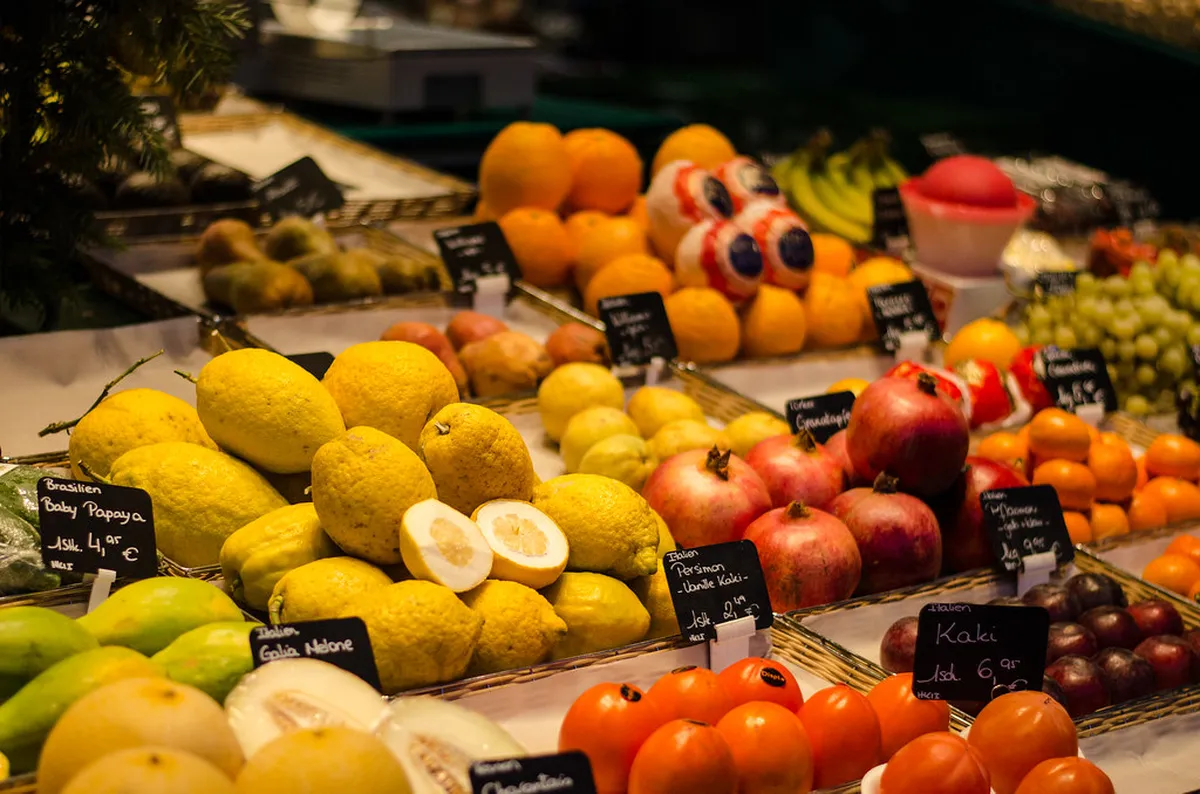
Viktualienmarkt stands apart from Munich's other Christmas markets because it remains a working farmers market throughout the season. By day, locals shop for fresh produce, fish, and meat from 50+ permanent vendors. As evening falls, specialized holiday stalls pop up with Glühwein, roasted chestnuts, and seasonal delicacies.
The "Winterzauber" branding reflects this positioning: it is not a traditional Christkindlmarkt (like Marienplatz), but rather a winter food festival layered onto an existing daily market. This distinction matters for visitors. While Marienplatz excels at souvenir shopping and crowd spectacle, Viktualienmarkt offers genuine Bavarian provisions—artisanal cheeses, organic honey, and family-recipe sausages—that feel less touristy.
Located just two minutes south of Marienplatz, Viktualienmarkt blends old-world charm with modern culinary focus. The central maypole, lit with warm lights, anchors dozens of stalls where you can taste, chat with vendors, and discover regional producers directly. Unlike the organized fairground layout of Marienplatz, this market feels like an extension of daily Bavarian life, just with more festive decorations and holiday treats.
Must-Try Culinary Delights
The star food item at Viktualienmarkt is Rahm Schmankerl—a savory flatbread layered with creamy cheese, crispy bacon, and fresh green onions. This Bavarian specialty appears at multiple stalls and costs 5–7 Euros. It is warm, hearty, and quintessentially Munich.
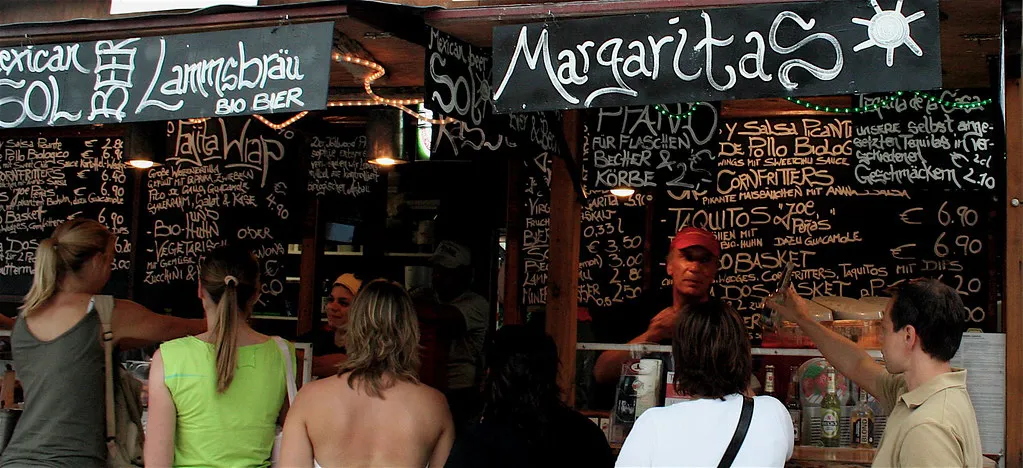
Glühwein (mulled wine) is essential. Most stalls charge 4–6 Euros for a mug with a 3–5 Euro deposit (refundable if you return it). Some vendors offer white wine variations or non-alcoholic Kinderpunsch for younger visitors. The holiday mug deposits are a tradition—collectors often leave with 2–3 unique mugs from their Munich trip.
Käsespätzle (cheesy egg noodles topped with crispy fried onions) pairs perfectly with a Glühwein on a cold afternoon. Roasted almonds (Gebrannte Mandeln, 5–6 Euros), traditional Weisswurst (4–7 Euros), and fresh potato soup round out classic choices. Seafood stalls offer smoked fish rolls and festive shrimp plates not found at other markets.
For dessert, try Lebkuchen (gingerbread cookies) or Lollywaffen (waffles on a stick). Local honey, fruit preserves, and artisanal chocolate make excellent take-home gifts and cost 8–16 Euros.
- Rahm Schmankerl (cheese flatbread)
- Type: Savory main
- Best for: Lunch/dinner
- Where: Multiple stalls
- Cost: 5–7 Euros
- Glühwein with Mug
- Type: Mulled wine (deposit system)
- Best for: Warming up
- Where: Beverage stands
- Cost: 4–6 Euros (plus 3–5 Euro deposit)
- Käsespätzle
- Type: Cheesy noodles with fried onions
- Best for: Warming up
- Where: Food stalls
- Cost: 6–8 Euros
Understanding the Mug Deposit System (Pfand)
Every hot drink at Munich's Christmas markets comes with a mug deposit. When you order a Glühwein or hot cider, the vendor will charge 3–5 Euros extra as "Pfand" (German for deposit). This is not a tip—it is refundable.
You have two options: return the mug after finishing your drink at the same stall for a full refund, or keep the mug as a souvenir and forfeit the deposit. Many visitors collect mugs from 2–3 markets during their December trip, spending 10–15 Euros total on deposits they intentionally forfeit.
Each market designs unique mugs. Viktualienmarkt's seasonal mugs feature the market's logo and often depict local food or the maypole. These make authentic, affordable souvenirs compared to mass-produced ornaments. If you prefer to collect without paying, simply return the mug before leaving each stall.
Mugs at specialty markets like the Medieval Christmas Market carry higher deposits (5–8 Euros) because they are hand-painted clay goblets. Viktualienmarkt's standard stoneware mugs are sturdier and lower-cost, making them perfect for first-time mug collectors.
Viktualienmarkt vs. Marienplatz: How to Choose
Both markets run simultaneously (late November to early January), and locals recommend visiting both. Here is how they differ:
Marienplatz (Münchner Christkindlmarkt) covers the entire city-center square with 130+ stalls. It excels at traditional Christmas shopping: ornaments, nutcrackers, decorations, and mass-market souvenirs. The historic Rathaus building and St. Peter's Church backdrop make it photogenic and iconic. Expect heavy crowds after 3 PM, especially on weekends. Marienplatz is best for a 1–2 hour visit focused on shopping and photos.
Viktualienmarkt remains intimate with 20–30 holiday stalls mixed among permanent food vendors. It prioritizes authentic Bavarian provisions: artisanal cheeses, regional sausages, local honey, and homemade treats. The pace is slower, the crowds lighter, and the experience feels more genuinely Bavarian. Viktualienmarkt suits lingering—grab a drink, chat with vendors, sample products, and spend 1–3 hours exploring.
Combination visit: Start at Marienplatz in late morning for the classic experience, then walk to Viktualienmarkt by mid-afternoon for an early dinner of Rahm Schmankerl and Glühwein. You avoid the 3 PM Marienplatz surge and reach Viktualienmarkt before its peak evening crowd (7–8 PM).
Essential Logistics: 2026 Dates, Hours & Location
Winter Magic at Viktualienmarkt runs from late November through early January 2026. Unlike Marienplatz (which closes on December 24), Viktualienmarkt remains open later into the season for New Year celebrations.
Operating hours: Monday–Saturday 10:00 AM–8:00 PM (some stalls open earlier, close later). Sunday hours vary; call ahead as some stalls observe limited weekend schedules. The market is closed on public holidays.
Location: Viktualienmarkt, Viktualienmarkt 15, Munich 80331. It sits directly south of Marienplatz. Take the U-Bahn or S-Bahn to Marienplatz station and walk 2–3 minutes south, or exit at Sendlinger Tor and approach from the south (less crowded entry).
Parking: Avoid driving. Public parking nearby costs 3–5 Euros per hour, with limited availability. U-Bahn and S-Bahn trains run every 5–10 minutes from Munich Central Station. Taxis are available but expensive during peak holiday hours.
Cash is essential. While some stalls accept cards, the Pfand (deposit) system and small vendors favor cash. ATMs surround the market; withdraw before entering to avoid fees.
Best Times to Visit: Crowd-Avoidance Strategy
Viktualienmarkt is far less crowded than Marienplatz, but timing still matters for the best experience.
Quietest hours: Weekday mornings (Tuesday–Thursday, 10:00 AM–12:00 PM). Vendors are freshly stocked, you can take photos without obstruction, and you have time to chat and sample products. This is ideal for leisurely browsing and gift shopping.
Moderate crowds: Weekday afternoons (1:00 PM–5:00 PM) and weekend mornings (Saturday–Sunday, 10:00 AM–2:00 PM). The market is active but navigable. Expect 50–100 people at peak times, compared to Marienplatz's 1,000+.
Busiest times: Weekday evenings (5:00 PM–8:00 PM) and all day Saturday–Sunday after 3:00 PM. Office workers and tourists converge for after-work drinks. Queues form at popular stalls (Rahm Schmankerl, mulled wine). Skip these windows if you prefer a relaxed visit.
Avoid December 23–24 entirely—all Munich Christmas markets close or wind down. December 1–10 and December 26–31 offer the sweetest balance of festive energy and manageable crowds.
Practical Tips for Comfort and Enjoyment
Winter in Munich is cold and damp. Dress in layers—a thermal base, sweater, and waterproof jacket. Waterproof boots with good grip are essential on cobblestone paths, especially if snow falls. A warm hat and insulated gloves protect you while eating and holding hot drinks.
Arrive hungry. Most meals (Rahm Schmankerl, Käsespätzle, soup) cost 6–8 Euros, making this an affordable lunch or dinner venue compared to nearby restaurants. Pair your meal with one Glühwein and budget 15–25 Euros per person.
Explore the permanent market too. Daytime visits (10:00 AM–5:00 PM) let you browse the year-round cheese, meat, and produce stalls. Talk to vendors—many offer free samples and are proud of their family operations. This is how locals shop year-round.
If crowds overwhelm you, step into the nearby Schrannenhalle beer hall or retreat to quiet side streets. The market's compact size (roughly one city block) makes it easy to find a peaceful corner by the maypole or near the southern entrance.
Consider pairing your visit with the Medieval Christmas Market (15-minute walk) for variety in atmosphere and food options.
Frequently Asked Questions
Is the Viktualienmarkt Christmas market open every day?
The market is generally open Monday through Saturday during the holiday season. Most stalls close on Sundays and public holidays like Christmas Day. For specific schedules, check the official Germany tourism updates for Munich's latest 2026 operating hours.
Can I find vegetarian food at the market?
Yes, the market offers many vegetarian options including potato pancakes, cheese specialties, and roasted mushrooms. Many bakeries also serve traditional meat-free pastries and seasonal bread. You will find a diverse range of plant-based snacks at the organic produce stalls.
Are dogs allowed at the Viktualienmarkt during Christmas?
Leashed dogs are generally permitted in the open-air market areas of Munich. However, the crowds can be very dense during peak evening hours which might stress some pets. It is best to visit during quieter morning hours if you plan to bring a dog.
How much should I budget for a visit?
A budget of 20 to 40 Euros per person usually covers a hearty meal and several drinks. This amount also allows for a small souvenir or a bag of roasted treats. Prices are slightly higher than standard supermarkets but reflect the artisanal quality of the goods.
The Viktualienmarkt Christmas market provides a sophisticated and delicious way to celebrate the holidays in Munich. Its focus on high-quality food and local craftsmanship sets it apart from more commercial festive events. Plan your visit to this historic square to experience the true heart of Bavarian winter culture.
 Marienplatz Christmas Market: Munich Guide 2026April 21, 2026
 Guide to the Medieval Christmas Market MunichApril 21, 2026