
Easter in Seville: The Ultimate Semana Santa Guide
Discover the magic of Easter in Seville with our expert guide. Learn about processions, food, and the best viewing spots for your trip. Plan your visit now!
On this page
Everything You Need to Know About Easter in Seville
Seville transforms into a city of incense and deep devotion during the spring months. Witnessing Easter in Seville offers a unique look into Spanish tradition and local pride. Massive wooden floats move through narrow streets while thousands of people watch in silence. Planning your visit for Semana Santa Seville 2026 ensures you catch every historic moment.
The city breathes a different air as the smell of orange blossoms mixes with beeswax. Local families gather on balconies to sing emotional saetas to the passing statues. This week represents the most important cultural event on the Andalusian calendar. Visitors will find a blend of solemn religious fervor and a vibrant street atmosphere.
Understanding the Tradition of Easter in Seville
Local brotherhoods or Hermandades organize these elaborate street processions throughout the holy week. Each group carries two main floats representing scenes from the Passion of Christ. This Seville Holy Week processions guide helps you identify the different groups. Membership in these brotherhoods often passes down through several generations of local families.
Nazarenos walk for hours wearing traditional pointed hoods and long robes to show penance. They often carry long candles that drip wax onto the ancient cobblestone streets. Children often follow the penitents to collect the wax into large colorful balls. The silence of the crowd during certain moments creates a hauntingly beautiful atmosphere.
Music plays a vital role in setting the emotional tone for each specific procession. Brass bands follow many floats playing somber marches that resonate through the plazas. Some brotherhoods choose to walk in total silence to emphasize their mourning. The rhythm of the drums helps the float carriers maintain their steady pace.
A Guide to the Most Famous Processions
The route known as the Carrera Oficial is the mandatory path for every brotherhood. It begins at the Plaza de la Campana and ends at the Seville Cathedral. Watching the floats enter the cathedral is a highlight for many first-time visitors. Securing a spot along this route requires arriving several hours before the scheduled time.
La Madrugá marks the emotional peak of the week starting late Thursday night. Six specific brotherhoods march through the city until the sun rises on Friday morning. The Esperanza Macarena is perhaps the most beloved statue in all of Seville. Crowds remain thick even at four in the morning during this legendary night.
Costaleros are the strong men who carry the massive weight of the floats. They stay hidden beneath the velvet drapes and move in perfect synchronization. The physical toll of carrying these heavy wooden structures is seen as an act of faith. A leader called the Capataz guides them through the narrowest corners with voice commands.
Strategic Viewing Spots for the Best Experience
Finding the best spots for Holy Week in Seville requires some local knowledge. The Triana Bridge offers a spectacular view as the floats cross the Guadalquivir River. Watching the Virgin of Triana return to her chapel is a deeply moving experience. The neighborhood atmosphere in Triana feels more festive and communal than the city center.
Narrow alleys in the Santa Cruz district provide a more intimate viewing environment. The proximity to the statues allows you to see the intricate wood carvings clearly. Be aware that these small streets can become very crowded and difficult to exit. Always identify your escape routes if you feel uncomfortable in large standing crowds.
Plaza del Salvador serves as a popular gathering point for afternoon processions. The wide open space makes it easier to see the floats from a distance. Many locals enjoy a quick drink at nearby bars while waiting for the next group. This area stays busy from early afternoon until the final floats pass by.
Practical Logistics for Your Spring Visit
Walking is the only reliable way to move around the historic center during Easter. Public transport routes often change daily to avoid the heavy foot traffic near plazas. The metro remains a good option for reaching the center from the outer suburbs. Download a digital map of the daily schedules to stay updated on route changes.
Knowing what to wear for Holy Week in Seville helps you stay comfortable. Locals tend to dress formally on Palm Sunday and Maundy Thursday to show respect. Wear broken-in shoes because you will likely stand for five or six hours. The weather can shift from warm sunshine to cool breezes once the sun sets.
- Essential Items for Your Day Bag
- Item: Portable power bank
- Item: Reusable water bottle
- Item: Small folding stool
- Item: Light rain jacket
- Booking and Planning Tips
- Hotel: Book six months early
- Dining: Make dinner reservations
- Apps: Use official tracking apps
- Safety: Keep wallets secure
Traditional Flavors of the Holy Week
Torrijas are the most iconic sweet treat you must try during your spring visit. These honey-soaked bread slices are similar to French toast but use local spices. You can find them in almost every bakery near the Plaza del Salvador. They provide a much-needed energy boost during a long day of standing.
Traditional salt cod dishes follow the religious customs of avoiding meat during Lent. Many tapas bars serve Bacalao con Tomate as a seasonal specialty. Check out the Holy Week Spain guide for more regional food variations. The quality of seafood in Seville remains excellent throughout the entire holiday period.
Pestiños are another local favorite made of fried dough glazed with honey. These crunchy snacks are often flavored with sesame and aniseed for a unique taste. Bakeries usually sell them in small bags which are perfect for on-the-go snacking. Try to visit the oldest pastry shops for the most authentic recipes.
Frequently Asked Questions
Is Easter in Seville free to attend?
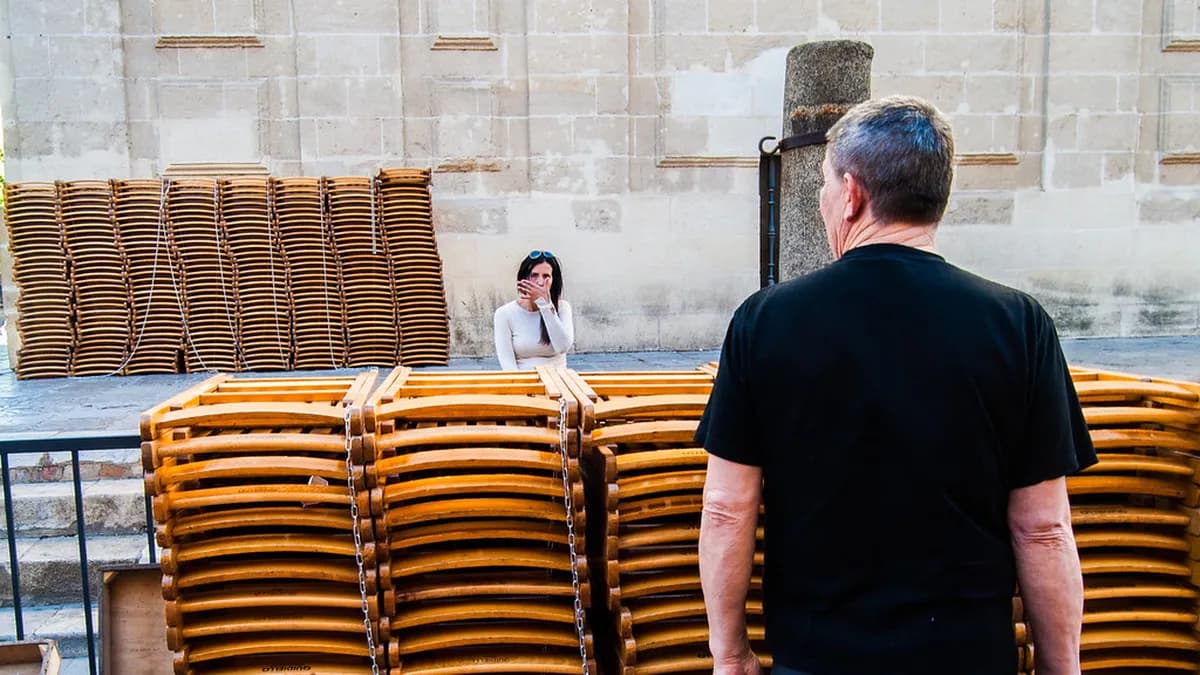
Yes, watching the processions from the public streets is entirely free for everyone. However, the official chairs located along the Carrera Oficial require a paid reservation made months in advance. Most visitors enjoy the experience for free by standing in the open plazas and alleys.
What is the best day to see the processions?
Maundy Thursday and Good Friday are generally considered the most significant days of the week. This period includes the famous Madrugá, where the most historic brotherhoods march through the night. You can find more details on the Spain festival schedule for specific timings.
Can I use public transport during Semana Santa?
The city center is mostly closed to buses and taxis due to the massive crowds. The metro is your best option for getting close to the historic district from further away. Expect significant delays and very crowded carriages during peak procession times in the evening.
What should I wear to watch the events?
While there is no strict dress code for tourists, dressing modestly is recommended for the religious atmosphere. Many locals wear suits and dresses on the most important days like Palm Sunday. Comfortable walking shoes are the most critical item for any visitor planning to spend the day outside.
Easter in Seville is a sensory experience that stays with you long after you leave. The combination of art, music, and faith creates an unmatched cultural spectacle. Respecting local traditions ensures you have a meaningful and enjoyable visit to Andalusia.
 Best Spots Holy Week Seville: A Local Viewing GuideApril 21, 2026
 Top Religious Festivals Europe: 2026 GuideApril 21, 2026