
12 Best Cologne Christmas Market Foods and Where to Find Them in 2026
Discover the 12 best Cologne christmas market food with our guide to must-try treats, savory staples, and the best markets for foodies in 2026.
On this page
12 Best Cologne Christmas Market Foods and Where to Find Them
Cologne transforms into a festive wonderland every winter as the holiday spirit takes over the city.
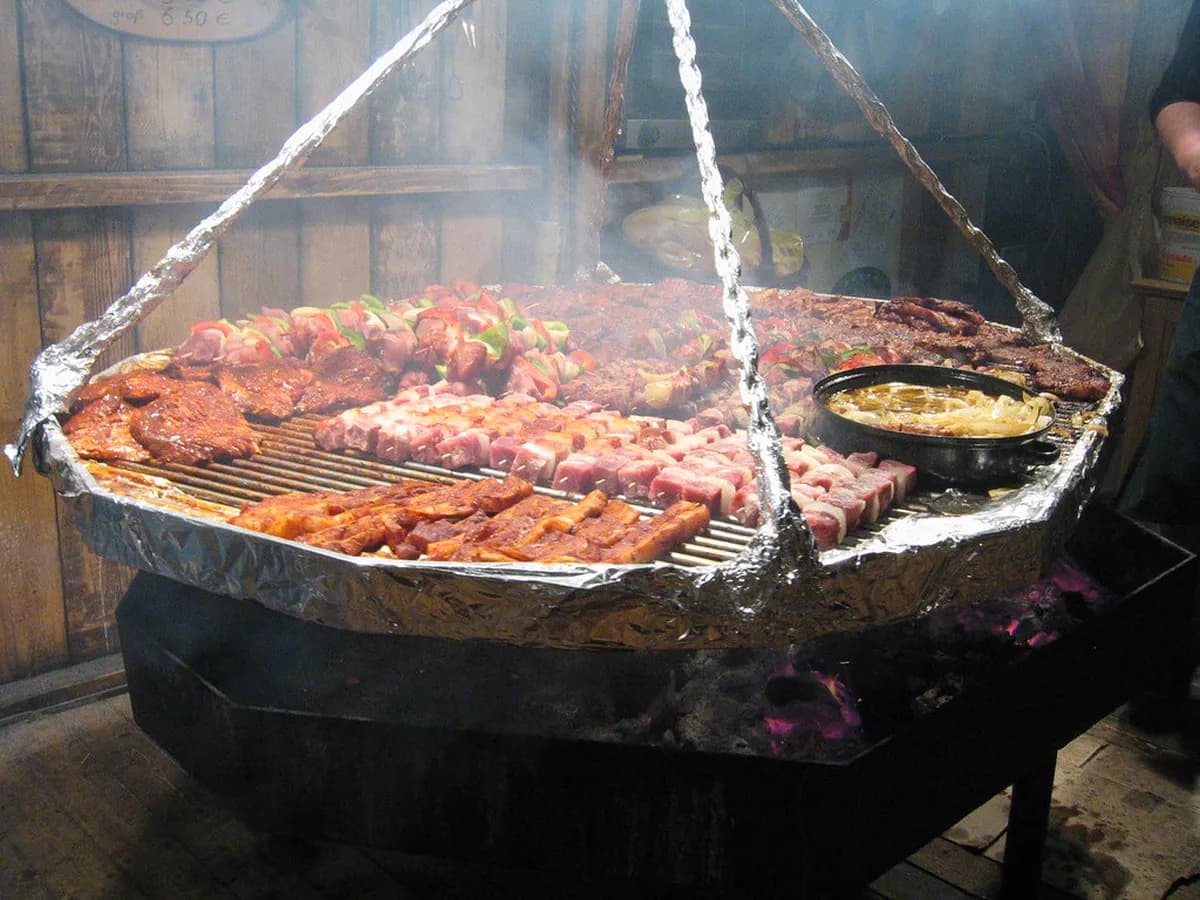
The air fills with the scent of cinnamon, roasted almonds, and grilled sausages near the Cathedral.
Exploring the diverse Cologne Christmas market options reveals a true paradise for food lovers.
This 2026 guide walks you through the 12 must-eat dishes across five major markets, plus insider tips on maximizing your culinary adventure.
1. Top Savory Foods to Try in Cologne
Reibekuchen are the undisputed stars of the savory food stalls across the city. These crispy potato pancakes usually cost around 6 to 8 Euros for a serving of three. Locals often enjoy them with a generous side of cool, sweet applesauce for contrast. The Cathedral Market and Heinzel's Winter Fairytale both serve exceptional versions, though the potato flavor shines brightest when you grab them fresh off the griddle.
Bratwurst remains a classic choice for travelers seeking a quick and filling meal. You can choose from various sausage types, including spicy varieties or traditional pork. Most stalls serve these in a crusty white roll with mustard or ketchup. Expect to pay about 5 Euros for a standard sausage at the main market hubs. Krustenbraten—a thick slice of roasted pork in a crusty roll—offers a richer alternative if you want something more substantial.
Handbrot offers a warm and cheesy alternative to the standard grilled meats. Bakers prepare this sourdough bread in wood-fired ovens right before your eyes. It typically comes filled with melted cheese and mushrooms or savory ham. A single large piece costs roughly 7 Euros and makes a perfect walking snack. Heinzel's Wintermärchen (the Gnome Market) specializes in this local favorite.
- Traditional Potato Reibekuchen
- Type: Savory pancake with applesauce
- Cost: 6–8 Euros
- Best for: Vegetarians, lunch crowds
- Where: Cathedral Market, Heinzel's, all major markets
- Grilled German Bratwurst
- Type: Grilled sausage in crusty roll
- Cost: 5 Euros
- Best for: Quick, portable snack
- Where: All five main markets
- Freshly Baked Handbrot
- Type: Stuffed sourdough bread
- Cost: 7–8 Euros
- Best for: Cheese lovers
- Where: Heinzel's Wintermärchen, Cathedral Market
2. Must-Have Sweet Treats and Desserts
Mutzen are a local specialty you cannot miss while wandering through the festive stalls. These diamond-shaped pastry drops are deep-fried and heavily coated in powdered sugar. A small bag typically costs 5 Euros and provides a perfect warm treat. Review the Cologne Christmas market dates to plan your sweet tooth adventure. Every market carries them, though the Gnome Market (Heinzel's) offers the widest variety of flavors.
Roasted almonds provide a nostalgic scent that defines the German holiday experience. Stalls offer many flavors ranging from classic cinnamon to modern vanilla or chili. A standard 100-gram bag costs about 4.50 Euros at most central locations. The fragrant smoke from almond roasting stalls draws crowds from blocks away. Sharing a bag with friends is a great way to try different varieties.
Spekulatius cookies offer a spicy crunch that pairs beautifully with hot beverages. These traditional shortcrust biscuits feature intricate designs and warm winter spices. You can buy them in decorative tins which make excellent gifts for family. Prices for these artisanal cookies vary based on the size of the package, ranging from 6 to 15 Euros. Baumstriezel (chimney cake) and crepes are also popular sweet staples, with crepe vendors throughout the Market of Angels and Harbor Market offering Nutella, caramel, and smoked salmon versions.
3. Traditional Christmas Market Drinks
Glühwein serves as the heart of the social experience at every market in Germany. Expect to pay a deposit of roughly 3 to 5 Euros for your ceramic mug—the Pfand system. You can keep the uniquely designed 2026 mug as a souvenir or return it to any stall of the same market to get your deposit back. This tradition makes each market's mug a collectible item; Heinzel's gnome-themed mugs are especially sought after by visitors.
Many stalls offer a variety of mulled wine options beyond the standard red. White Glühwein provides a lighter and often fruitier alternative for your palate. You can also request a shot of rum or amaretto for extra warmth. A standard cup of mulled wine usually costs between 4 and 6 Euros. Winter Kölsch—a seasonal version of Cologne's famous pale beer—is available at beer tent stalls. This slightly stronger, maltier variant is a true local tradition; drinking a cold beer in a heated tent is quintessentially Cologne.
Non-alcoholic drinkers should look for Kinderpunsch on the drink menus. This warm fruit punch features similar spices without any of the alcohol content. It is a popular choice for families and those driving during the holidays. Hot chocolate with whipped cream is another staple found at most beverage stalls. For the adventurous, Feuerzangenbowle (fire-tongs punch)—where a sugar loaf soaked in rum is set ablaze and dripped into mulled wine—creates a theatrical moment and a slightly caramelized, warming finish.
4. Best Markets in Cologne for Food Lovers
Cologne's five main Christmas markets each offer distinct food personalities. Understanding where to find the best versions of each dish will maximize your culinary adventure. The markets cluster in the city center, making it easy to visit multiple in one evening. Market opening times vary (most open 11am–9pm or 10pm daily in 2026), so plan accordingly if you want to hit a specific market during lunch or early evening when lines are shorter.
5. Cologne Cathedral Market (Roncalliplatz)
Set against the stunning backdrop of Cologne's Gothic cathedral, this market is undeniably beautiful, especially at night when the lights twinkle in front of the towers. The Cathedral Market is the most central and most touristy, but it remains essential for any first-time visitor. You'll find excellent versions of Reibekuchen, bratwurst, and Handbrot at traditional stalls. The market is home to premium bread-bowl fondue cheese stalls—a rustic dish where melted cheese is poured into a fresh rye bread bowl for 9–12 Euros. Return the empty bread basket when finished. Glühwein mugs at the Cathedral are themed with iconic cathedral imagery, making them prime collectibles. The market sits directly at Roncalliplatz, steps from the cathedral itself. Make sure you also check out the cathedral (it's free to enter) at some point during your visit. The scale and detail of it are truly insane, and the inside is beautiful.
6. Heinzel's Winter Fairytale (Gnome Market)
This is the largest and most beloved market in Cologne, hands-down. It has such a wholesome, festive vibe with endless food and drink stalls, an ice-skating rink, and little gnome figurines everywhere. This market is actually split between two locations—Heumarkt and Alter Markt—and visiting both is essential for the full experience. At Alter Markt, you'll find tons of food stalls, Glühwein, and the ferris wheel. Come to this location hungry, and if you're with a group, share portions so you can taste as much as possible. The 18 collectible gnome-themed Glühwein mugs (new designs each year) make this market a must-visit for souvenir collectors.
Once you've filled up on food and Glühwein at Alter Markt, continue to Heumarkt (less than a 5-minute walk). Here you'll find the ice-skating rink, along with more food and drink stalls. Even if you've never tried ice skating, the rink is so cute and has a little bar inside as well if you need liquid courage. Food highlights at Heinzel's include exceptional Handbrot (crispy exterior, melted cheese interior), roasted almond vendors with premium cinnamon and chili varieties, and fresh-baked Mutzen stands. Winter Kölsch is plentiful here, and the festive tent atmosphere is unmatched. Get your ice skating tickets in advance during peak season.
7. Market of Angels (Neumarkt)
The Market of Angels has a more elegant and upscale feel than the other Cologne Christmas markets, and is a favorite among foodies seeking refined options. The drink selection levels up here, with sparkling wine alongside mulled wine offerings. You'll also find a curated shop filled with premium ornaments and trinkets, perfect for grabbing special souvenirs. The food stalls emphasize quality over quantity; expect gourmet crepes (Nutella, caramel, smoked salmon varieties), artisanal Lebkuchen (gingerbread), and specialty hot chocolates with imported cocoa. It's definitely one of the prettiest markets visually, and great if you're in the mood for something a bit fancier. Neumarkt's location is a short 10-minute walk from Nikolausdorf (St. Nicholas Village), so you can easily pair a visit to both. Be on the lookout for angels while you're here; they're part of the market's whimsical décor.
8. Nikolausdorf (St. Nicholas Village)
Another wholesome market that perfectly captures traditional Christmas vibes is St. Nicholas Village at Rudolfplatz. The theme of this market (if you couldn't guess) is St. Nicholas, so you'll find reindeer decorations, cute wooden stalls, and of course plentiful mulled wine here. There's also live music at this market, which adds to the festive atmosphere. The medieval tower gate makes for an excellent photo backdrop, and there's a perfect photo op before you enter through it. Although it's not the biggest market, it's definitely worth visiting for the genuine holiday vibes. The food here is traditional and honest—good versions of Reibekuchen, roasted almonds, and hearty pork specialties like Himmel un Ääd (mashed potatoes and apples with fried black pudding, 14 Euros). Many sit-down areas near the market serve this dish hot and satisfying. It's only a 10-minute walk from the Market of Angels, making a two-market evening very doable.
9. The Harbor Market (Hafen-Weihnachtsmarkt)
Set outside the Lindt Chocolate Museum along the Rhine, this market has a fun nautical theme and a slightly different energy than the city-center markets. It's more family-friendly and laid-back, perfect if you want to escape the intense crowds of the Cathedral or Heinzel's. The seafood focus makes it unique; Flammlachs—fresh salmon grilled over an open fire on wooden planks—is a signature dish here. The smoky aroma draws crowds to the stalls; a salmon roll typically costs around 9 to 11 Euros depending on size. This dish offers a premium seafood option amidst the many meat-heavy stalls at other markets. The market is on the smaller side, so don't expect the same food variety as Heinzel's, but the riverside setting and chocolate museum proximity are appealing. If you're a chocolate lover, visit the Lindt Chocolate Museum (book tickets in advance as they sell out during Christmas season). Hours vary slightly from the city center markets.
10. Cologne Christmas Market Express: The Food-Crawl Strategy
The Cologne Christmas Market Express (Bimmelbahn) is a tourist train that runs every 15 minutes between the four main city-center markets: Cathedral, Heinzel's, Angels, and Harbor. Each ride costs 4 Euros for one stop or 15 Euros for unlimited hop-on hop-off. This is a game-changer for maximizing your tasting opportunities without exhaustion. A strategic food-crawl using the Bimmelbahn allows you to hit all five markets in a single evening: start at the Cathedral for Reibekuchen and bread-bowl fondue, hop to Heinzel's for Handbrot and gnome-mug Glühwein, continue to Angels for gourmet crepes, then ride to Nikolausdorf for authentic local vibes, and finish at Harbor for Flammlachs. Get your Bimmelbahn tickets from the main booth at Roncalliplatz. This approach prevents food fatigue and allows you to compare the same dishes across markets. Winter Kölsch is best enjoyed slowly at Heinzel's beer tent rather than while moving between markets.
11. Unique Local Specialties and Kölsch Beer Culture
Cologne offers specific dishes that differ from other regions in the country. Himmel un Ääd features mashed potatoes and apples served with fried black pudding. This hearty meal provides a heavy and satisfying alternative to standard street snacks. Many sit-down areas near the Alter Markt serve this dish for 14 Euros. Winter Kölsch is a seasonal version of the city's famous light beer. Brewers often make it slightly stronger or maltier for the colder months. Drinking a cold beer in a heated tent is a true local tradition that sets Cologne apart from other German Christmas markets. Unlike other regions where beer variety is emphasized, Cologne is monoculturally proud of its pale lager; sampling Kölsch at the markets is less about choice and more about experiencing local identity. Check where to stay in Cologne to be near these lively beer tents.
Flammlachs is fresh salmon grilled over an open fire on wooden planks. The smoky aroma draws crowds to the harbor market stalls near the chocolate museum. A salmon roll typically costs around 9 to 11 Euros depending on size. This dish offers a premium seafood option amidst the many meat-heavy stalls. Schupfnudeln (potato spirals) are another specialty—crispy on the outside, soft and fluffy on the inside, generously seasoned with paprika, garlic, and salt. These pair surprisingly well with Glühwein and cost about 6 Euros.
12. Practical Tips for Navigating the Food Stalls
Cash remains the primary payment method at most small food stalls. Carry small bills and coins to make your transactions faster during busy rushes. Some larger vendors now accept cards but do not rely on this everywhere. ATM lines near the markets can become very long on weekend nights; withdraw cash early. Visit during weekday lunch hours (11am–2pm) to avoid the massive evening crowds. Lines for popular food items like Reibekuchen are much shorter before 4 PM. Weekends often see the markets reach capacity, making it hard to find tables. Eating early allows you to enjoy your meal without being pushed by crowds. Peak times are 5–9pm daily and all day Saturday and Sunday.
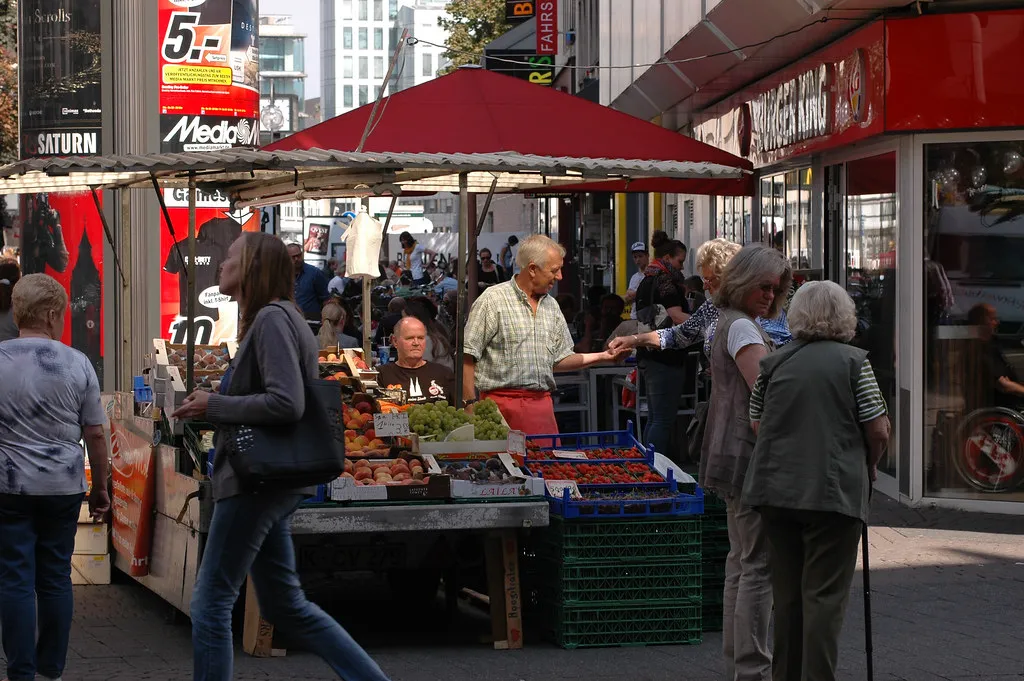
Sharing portions is the best strategy for tasting the widest variety of food. Most snacks are large enough for two people to have a few bites. This approach helps you save money and prevents you from getting full quickly. Keep a few napkins handy as many street foods can be quite messy. The Pfand (deposit) system is used for Glühwein mugs at every market. Pay a 3–5 Euro deposit when you order; either keep the mug as a souvenir or return it to any stall of the same market for a full refund. Many visitors collect mugs from multiple years and markets as keepsakes. If you plan to collect mugs, designate a small bag or luggage space for safe transport.
Frequently Asked Questions
What is the must-try food at the Cologne Christmas Market?
Reibekuchen is the most iconic dish to try at the Cologne Christmas markets. These crispy potato pancakes are served with applesauce and are a local favorite. You should also try Mutzen, which are small fried dough balls unique to this region of Germany.
How much does a meal cost at the Cologne Christmas Market?
A standard savory snack like a bratwurst or potato pancake costs between 5 and 8 Euros. If you add a drink and a small dessert, expect to spend around 15 to 20 Euros per person. Most visitors find that two or three snacks make a full meal.
Are there vegetarian options at the Christmas markets?
Yes, there are many vegetarian options available throughout the various markets. Reibekuchen, roasted mushrooms, and baked camembert are popular savory choices for vegetarians. Sweet treats like crepes, waffles, and roasted almonds are also widely available for everyone to enjoy.
Can I use a credit card to buy food at the stalls?
While some larger stalls are starting to accept cards, many small vendors still only take cash. It is highly recommended to carry enough Euros in small denominations for your food and drinks. This will help you avoid long lines at local ATMs near the market areas.
The Cologne Christmas market food scene offers a delightful mix of tradition and local flavor across five distinct venues.
From the crunch of a fresh Reibekuchen at the Cathedral to the warmth of Winter Kölsch at Heinzel's beer tent, every bite is memorable.
Planning your visits across these five markets ensures you experience the widest variety of authentic German holiday cuisine.
Enjoy the festive atmosphere, the incredible variety of treats, and the unique local pride that defines Cologne's Christmas markets in 2026.
 10 Best Budapest Christmas Market Food Treats for 2026April 21, 2026
 Cologne Christmas Market Dates 2026: Planning GuideApril 21, 2026
 Best Munich Christmas Market Food Guide 2026April 21, 2026