
St Patrick's Day Parade Dublin: 2026 Guide
Plan your trip to the St Patrick's Day Parade Dublin with our expert guide. Find routes, viewing tips, and local secrets for 2026. Book your spot today!
On this page
Experience the St Patrick's Day Parade Dublin in 2026
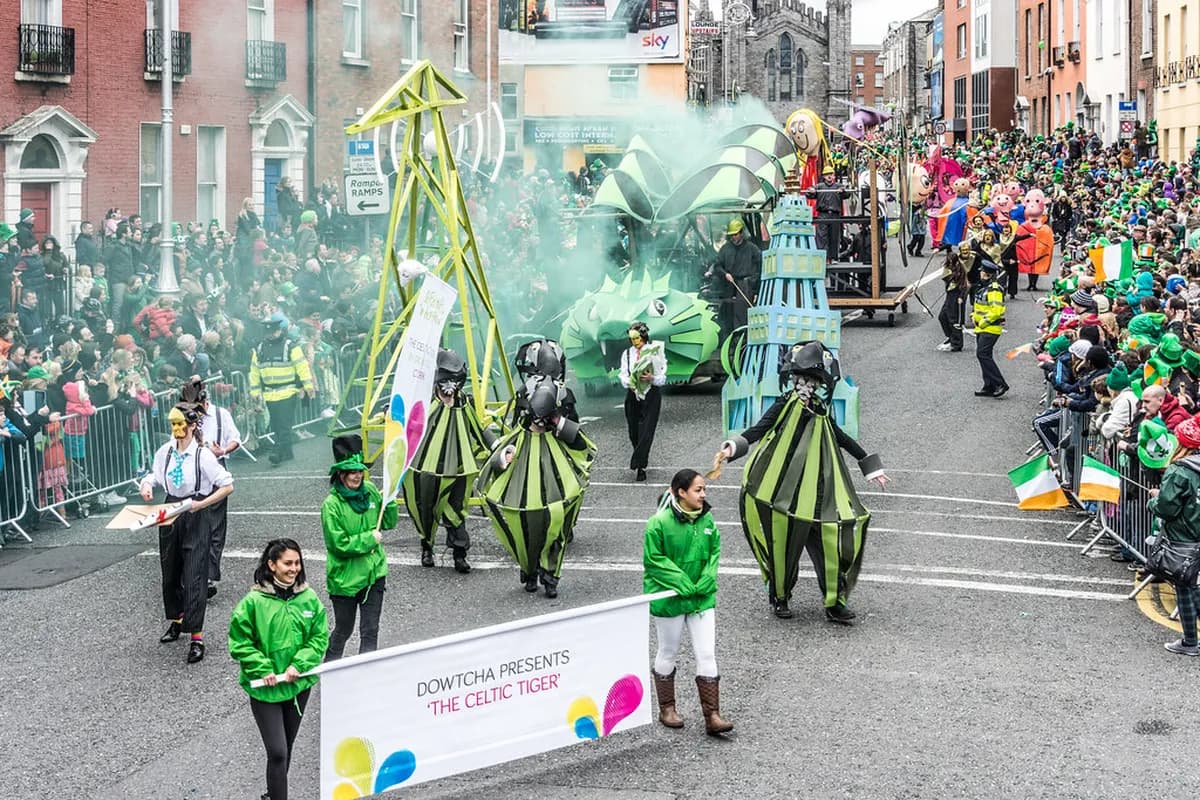
Every March, the streets of Dublin transform into a sea of green for the world's most famous celebration. The st patricks day parade dublin serves as the centerpiece of a multi-day festival filled with music and Irish culture. Planning your visit early ensures you find a great spot to watch the elaborate floats and marching bands pass by. This guide provides everything you need to know for a successful and memorable trip to the Emerald Isle.
The atmosphere in the city during this time is electric and unlike any other day of the year. Visitors from every corner of the globe gather to celebrate Irish heritage through dance, art, and community spirit. Local performers spend months preparing intricate costumes and massive street theater pieces for the grand procession. You will feel the energy of the crowd as the first drums echo through the historic city center.
Navigating such a massive event requires a bit of local knowledge and some advanced preparation. Crowds can reach over half a million people, making movement through the narrow streets a significant challenge. Knowing where to stand and when to arrive will make the difference between a stressful day and a joy. Let us explore the best ways to enjoy this spectacular Irish tradition without the usual travel headaches.
Key Takeaways
- Arrive at the parade route by 9:00 AM for the best views.
- Book your Dublin accommodation at least six months in advance.
- Wear waterproof layers to handle the unpredictable Irish March weather.
- Avoid Temple Bar if you want to escape the most intense crowds.
The Iconic St Patrick's Day Parade Dublin Route
The parade traditionally begins at Parnell Square North on the north side of the city center at noon. Spectators often gather three hours early to secure a front-row view along the historic Georgian streets of Dublin. This northern section offers a grand backdrop for the opening performances and the first glimpse of giant pageantry. Arriving by 9:00 AM allows you to choose a spot before the heavy crowds arrive from the suburbs.
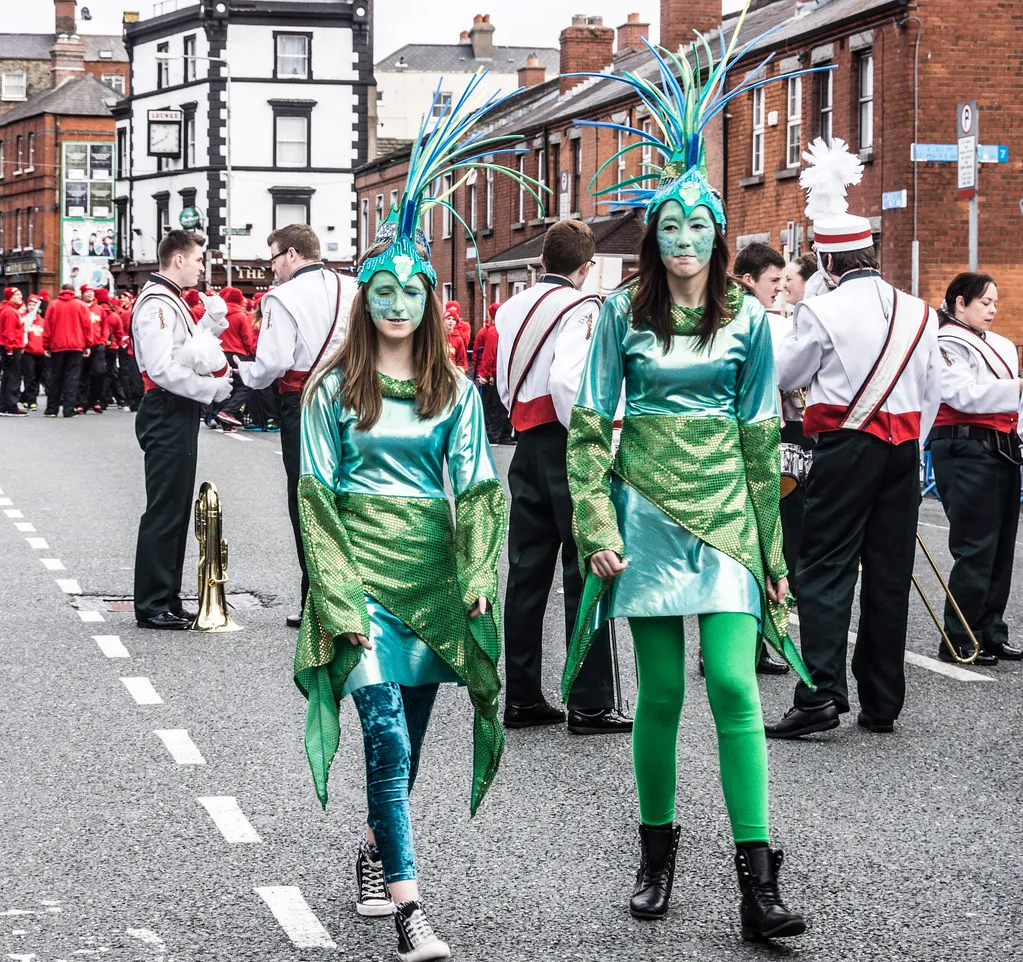
From Parnell Square, the procession moves down O'Connell Street, passing the famous Spire and the General Post Office. This stretch is the widest part of the st patricks day dublin parade route and offers excellent visibility. Many people choose this area because it feels less cramped than the narrow medieval streets further south. You can see the floats from a distance as they travel toward the iconic O'Connell Bridge.
After crossing the River Liffey, the parade winds through Westmoreland Street and passes the gates of Trinity College. The route then turns onto Dame Street, where the architecture provides a stunning frame for the colorful displays. This central area is often the most crowded part of the city during the entire festival week. Expect to stay in one place for several hours once the barriers are fully lined with people.
The final leg of the journey takes the performers past Christchurch Cathedral and toward St Patrick's Cathedral. The parade eventually concludes on Kevin Street, where the performers finally finish their long and energetic walk. Watching the end of the parade can be rewarding as the energy levels of the performers remain high. You might find slightly more breathing room in these southern sections compared to the very heart of town.
Maps of the route are usually released by the festival organizers several weeks before the actual event date. Road closures begin very early in the morning and remain in place until the late afternoon hours. Plan your exit strategy ahead of time because crossing the parade route is nearly impossible during the show. Most locals recommend staying on one side of the river for the duration of the morning festivities.
Prime Locations for Watching the Parade
O'Connell Street provides the widest viewing area but also attracts the largest and most energetic crowds of the day. You can see the floats clearly as they pass the Spire, which stands as a landmark for meeting friends. Most families prefer this area because it feels spacious despite the thousands of people lining the metal barriers. Prepare to stand for several hours as seating is not provided along the general public viewing areas.
College Green offers a more historic setting with the old Parliament House and Trinity College in the background. Photographers often favor this spot for capturing the contrast between modern floats and ancient stone buildings. The space here is tighter than O'Connell Street, so arriving early is even more critical for a view. Check the st patricks day dublin 2026 updates for any specific changes to this area.
If you prefer a more comfortable experience, consider purchasing tickets for the official covered grandstands. These stands are located at key points like Parnell Square, O'Connell Street, and Christchurch Cathedral. Tickets usually go on sale in the autumn and sell out very quickly to international visitors. The cost for a grandstand seat typically ranges from 60 to 100 Euros per person for the event.
Christchurch Cathedral provides an elevated perspective if you can find a spot on the rising ground nearby. The medieval surroundings add a unique charm to the parade that you cannot find in the newer districts. This area is also close to many public restrooms and food vendors, which is helpful for long waits. Keep in mind that some side streets may be blocked for safety reasons during the peak hours.
Lord Edward Street is another excellent choice for those who want to see the parade near its conclusion. The street is narrower here, which brings you much closer to the dancers and the marching bands. You can hear the music more clearly and see the intricate details of the handmade festival costumes. This spot allows for a quicker escape toward the Liberties neighborhood once the final float passes by.
- O'Connell Street North
- View: Wide and clear
- Crowd level: Very high
- Best for: Families
- Arrival: 8:30 AM
- Grandstand Seating
- View: Elevated and private
- Crowd level: Low
- Best for: Comfort
- Cost: 70-100 Euro
- Dame Street Central
- View: Urban and lively
- Crowd level: Extreme
- Best for: Atmosphere
- Arrival: 8:00 AM
Essential Logistics for Festival Visitors
Irish weather in March is notoriously unpredictable and can change from sun to rain in minutes. Wear several thin layers of clothing so you can adjust your temperature as the day progresses. A waterproof jacket is much more practical than an umbrella in the crowded standing areas of the city. Comfortable walking shoes are essential because you will likely walk several miles throughout the festival day.
Public transport is the only reliable way to reach the city center on the morning of the parade. The Dublin Bus, Luas tram, and Dart train services all run on restricted Sunday schedules during the holiday. Most buses will terminate at the edge of the city center to avoid the closed parade route streets. Walking from the outskirts of the city center is often faster than waiting for a connecting tram service.
Mobile phone networks often become overloaded when thousands of people try to upload photos at the same time. Do not rely on digital maps or messaging apps to find your group if you get separated in the crowd. Agree on a specific physical landmark, like a statue or a shop, as a meeting point before you arrive. Keeping a printed map or a screenshot of the route can save you from frustration when signals fail.
Public restrooms are available but will have very long lines throughout the duration of the morning events. Many cafes and shops close their toilets to the general public to manage the sheer volume of visitors. Look for the temporary portable toilets that the city council places near the main viewing hubs. Try to limit your liquid intake in the hour before the parade starts to avoid losing your spot.
Post-Parade Celebrations in Dublin Pubs
Once the parade ends, the focus of the celebration shifts toward the many traditional pubs across the city. Temple Bar is the most famous district, but it becomes incredibly crowded and expensive during the holiday. You might wait over an hour just to enter a pub in this area during the afternoon. Check our list of the best pubs dublin st patricks day for better local alternatives.
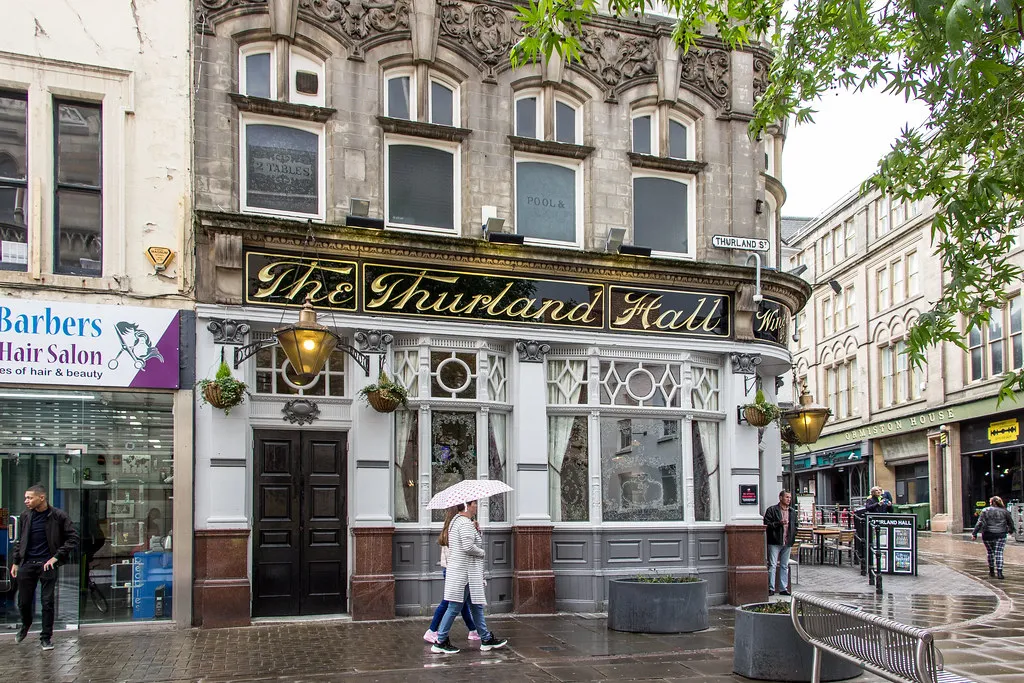
Areas like Smithfield and Stoneybatter offer a more authentic experience with fewer tourist traps. These neighborhoods feature excellent bars that host live traditional Irish music sessions throughout the day and evening. The prices for a pint of stout are usually more reasonable outside the immediate tourist center. Local residents tend to gather in these spots to enjoy a more relaxed and musical atmosphere.
Many venues require a cover charge or a pre-booked ticket for entry on the afternoon of March 17th. If you have a specific pub in mind, check their social media pages for booking requirements in advance. Walking into a popular bar without a reservation is very difficult after the parade has finished. Smaller pubs on the south side of the city often provide a cozy refuge from the wind.
Food can be difficult to find as many kitchens struggle to keep up with the massive demand. Consider eating a very large breakfast before you head into the city to watch the morning parade. Street food vendors are located at the festival hubs, offering quick options like burgers and traditional chips. Book a restaurant table for a late dinner well in advance to ensure you have a place to sit.
The celebrations continue long into the night with concerts and light shows across the city landmarks. Many buildings are illuminated in green light as part of the 'Greening the City' initiative each year. Walking through the city at night allows you to see the beautiful architecture in a festive glow. Be mindful of your surroundings as the evening progresses and the crowds become more boisterous.
Planning Your 2026 Dublin Festival Trip
Securing accommodation is the most important step in planning your visit for the upcoming festival season. Hotels often fill up six to nine months in advance for the dates surrounding the national holiday. Expect to pay significantly higher rates than usual for rooms in the city center during this peak time. You can find more affordable options by searching for where to stay dublin st patricks day near the train lines.
Consider staying in coastal towns like Howth or Malahide which are connected to the city by the Dart. These areas offer a peaceful escape from the city noise while remaining just thirty minutes away by rail. The trains run frequently, though they will be very busy on the morning of the actual parade. Staying outside the center can save you hundreds of Euros on your total accommodation budget.
Flight prices to Dublin also increase dramatically as the holiday approaches in the early spring months. Set up price alerts on travel websites to catch deals when the airlines first release their schedules. Flying into Shannon or Cork and taking a bus to Dublin can sometimes be a cheaper alternative. This approach also allows you to see more of the beautiful Irish countryside during your vacation.
The festival usually lasts for four or five days, featuring workshops, walking tours, and hidden performances. Check the official festival website in January to see the full schedule of events for the year. Many of the smaller events are free to attend but require online registration to manage the capacity. Planning a stay of at least three days will allow you to experience the full variety of the festival.
Local Insight: Navigating Crowd Control Zones
Many visitors are surprised to learn that the parade route itself is strictly designated as an alcohol-free zone. Gardai actively patrol the barriers to ensure that open containers are not permitted within the viewing areas. This policy creates a safer environment for children while keeping the focus on the artistic quality of the festival. If you wish to enjoy a drink, you must do so within the licensed premises of a pub.

The city uses a complex system of one-way pedestrian streets to manage the flow of the massive crowds. Certain bridges over the River Liffey may be closed to pedestrians at various times for safety reasons. Follow the instructions of the festival stewards who wear bright yellow vests along the entire route. They can provide directions to the nearest crossing point or the closest first aid station if needed.
Designated family zones are located in areas like St Stephen's Green and parts of O'Connell Street. These zones often feature extra entertainment for children, such as face painting and smaller street performers. They are generally less intense than the main thoroughfares where the largest crowds tend to congregate. Look for the official festival signage to find these specifically managed areas for a more relaxed experience.
Crossing the parade route is only possible at specific 'gate' points when there is a break in the procession. You may have to wait twenty minutes or more for a chance to cross from one side to the other. Plan your morning so that you are already on the side of the street where you intend to stay. This small bit of foresight will prevent you from being stuck on the wrong side of the city.
Frequently Asked Questions
What time does the St Patrick's Day parade start in Dublin?
The parade traditionally begins at 12:00 PM on March 17th. However, you should arrive by 9:00 AM to secure a good viewing spot. Most of the best street-level positions are taken early in the morning by eager spectators. For more general Irish travel tips, visit eurofestguide.com/ireland.
Is the Dublin St Patrick's Day parade free to attend?
Yes, watching the parade from the street is completely free for the public. You only need to pay if you want a seat in the official grandstands. These tickets must be purchased in advance through the official festival website to ensure availability.
Can you drink alcohol on the streets during the parade?
No, drinking alcohol on the streets of Dublin is generally prohibited by local bylaws. During the parade, the Gardai strictly enforce alcohol-free zones along the entire route. You should visit a licensed pub or restaurant if you want to enjoy a festive drink.
How long does the parade last from start to finish?
The procession usually takes about two to three hours to pass a single point on the route. The entire event concludes around 2:30 PM or 3:00 PM in the afternoon. After this time, the crowds begin to disperse into the local pubs and restaurants for celebrations.
What should I wear to the parade in Dublin?
You should wear layers of warm clothing and a reliable waterproof jacket. March weather in Ireland is often cold, windy, and prone to sudden rain showers. Comfortable walking shoes are also a must because you will be standing and walking for several hours.
The st patricks day parade dublin is a bucket-list experience that offers a deep look into Irish pride. By preparing for the crowds and the weather, you can focus on the incredible artistry of the floats. Dublin welcomes everyone with open arms during this festive season of music and shared cultural heritage. Take the time to explore the city beyond the main route to find the true spirit of the festival.
Remember to book your travel and accommodation as early as possible to avoid the highest holiday prices. Using public transport and arriving early at your chosen spot will ensure a much smoother experience. The memories of the music and the vibrant green streets will stay with you for many years to come. We hope this guide helps you navigate the 2026 festivities with confidence and local insight.
 Amsterdam Dance Event 2026: The Ultimate Guide to ADEApril 21, 2026
 Bastille Day Paris 2026: The Ultimate Travel GuideApril 21, 2026
 Berlin Christmas Markets Guide 2026: Top 10 MarketsApril 21, 2026