
Las Fallas Valencia 2026: The Ultimate Festival Guide
Plan your trip to las fallas valencia 2026 with our expert guide. Discover key dates, best monuments, survival tips, and where to stay for this fire festival.
On this page
Complete Guide to Las Fallas Valencia 2026
Valencia transforms into a vibrant stage of fire and art during the world-famous Las Fallas celebration. Planning your visit for las fallas valencia 2026 requires understanding the rhythm of this loud and colorful Spanish tradition. Expect the city streets to fill with giant sculptures, traditional music, and the smell of gunpowder. This guide provides everything you need to navigate the festivities like a seasoned local traveler.
The festival honors Saint Joseph through a unique blend of satire, craftsmanship, and pyrotechnics. Visitors from across the globe gather to witness the dramatic burning of these massive artistic creations. Securing your spot in the crowd early ensures you catch the most impressive moments of the week. Prepare for a sensory experience that combines ancient customs with modern artistic expression.
Walking through the historic center reveals hundreds of monuments tucked into every plaza and street corner. Local neighborhood groups spend an entire year preparing for these few days of intense celebration. Each morning begins with a musical wake-up call that echoes through the narrow Mediterranean alleys. You will quickly realize that sleep becomes a secondary priority during this non-stop cultural marathon.
Key Takeaways
- Arrive at the Plaza del Ayuntamiento by 12:30 PM for the 2:00 PM Mascletà.
- Book your accommodation at least six months in advance to secure better rates.
- Wear comfortable walking shoes and bring ear protection for the loud firework displays.
- Focus on the 'Special Section' monuments for the most impressive artistic craftsmanship.
Essential Dates and Schedule for 2026
The main festivities always culminate in mid-March, turning the city into a pedestrian-only zone for several days. Visitors should look at the las fallas valencia 2026 dates to coordinate their arrival with the biggest events. While the party technically starts earlier, the peak energy occurs between March 15th and March 19th.
Daily pyrotechnic shows known as the Mascletà happen every afternoon at 2:00 PM in the main square. These events focus on the rhythm and volume of explosions rather than visual colors. Arriving at least ninety minutes early is necessary to secure a decent viewing position near the barricades. Thousands of people gather daily to feel the ground shake beneath their feet.
Nightly fireworks displays light up the Turia Gardens during the final days of the festival week. The Nit del Foc on March 18th serves as the most spectacular show of the entire schedule. This massive display usually begins well after midnight and lasts for over twenty minutes. Local families often bring chairs and snacks to enjoy the performance from the riverbed.
- The Daily Mascletà Ritual
- Time: 2:00 PM daily
- Location: Plaza del Ayuntamiento
- Cost: Free public access
- Tip: Wear ear protection
- La Plantà Monument Assembly
- Date: March 15th night
- Focus: Finalizing the sculptures
- Vibe: Busy and exciting
- Cost: Free to watch
Navigating the Best Fallas Monuments
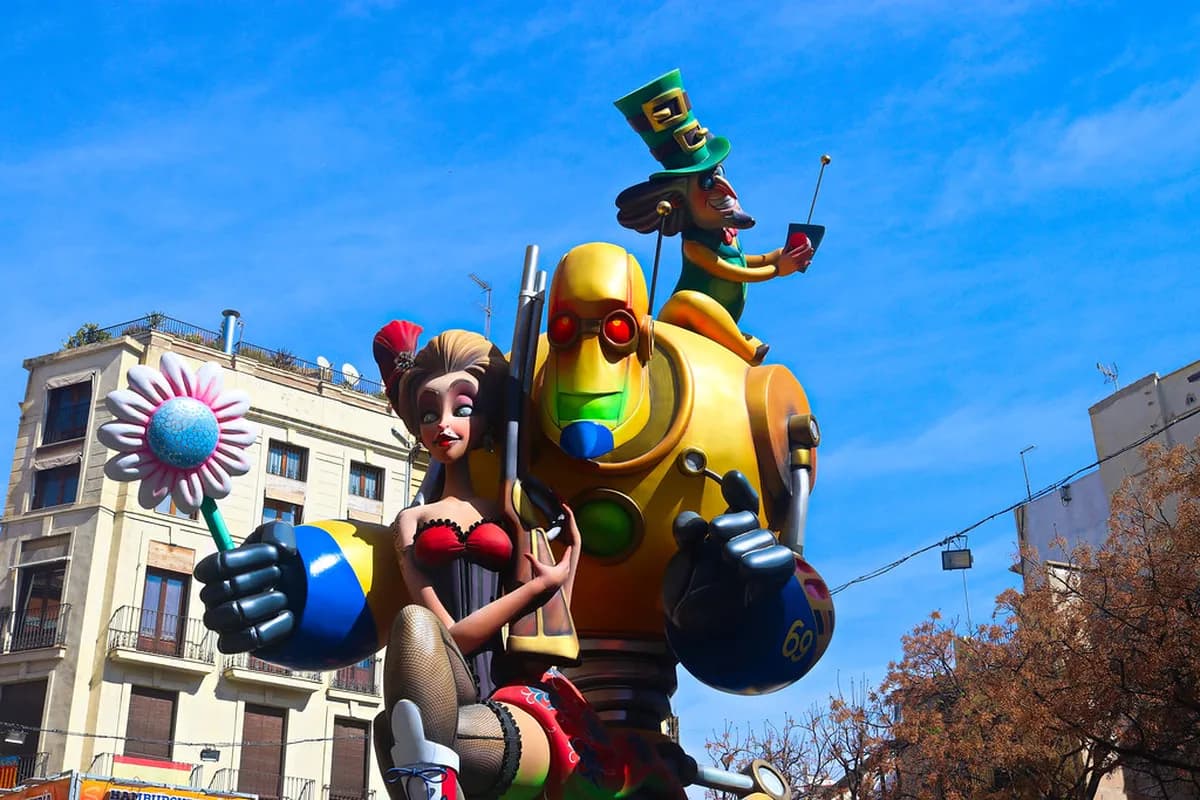
Finding the most impressive sculptures requires a bit of strategic walking through various city neighborhoods. You should research the las fallas best spots valencia to locate the Special Section winners. These top-tier monuments often stand over twenty meters tall and feature incredibly intricate details. Every neighborhood hosts its own falla, but the central districts offer the highest concentration.
Satire plays a massive role in the design of each monument found throughout the city. Local artists use the sculptures to poke fun at politicians, celebrities, and global current events. You can often find English-language guides that explain the specific jokes and cultural references being made. Take time to look at the smaller Ninots, which are the individual figures making up the larger scene.
Walking routes can become very crowded, especially during the sunny afternoons of the festival week. Many visitors prefer exploring the monuments in the early morning hours before the large tour groups arrive. This strategy allows for better photography opportunities without hundreds of people in the background. Early morning light also highlights the vibrant paint and textures of the papier-mâché art.
Practical Survival Guide for Visitors
Survival during this festival depends heavily on your choice of footwear and daily preparation. Knowing what to wear las fallas valencia will help you stay comfortable during long hours of walking. Comfortable sneakers are essential because you will likely cover over fifteen kilometers on foot each day. Layers are also important as the coastal breeze can feel chilly once the sun sets.
Noise management is a critical factor that many first-time visitors often overlook until they arrive. The constant sound of firecrackers, known as petardos, can be startling for those with sensitive hearing. Locals often suggest keeping your mouth slightly open during the loudest explosions to balance the pressure. Carrying a pair of high-quality earplugs provides much-needed relief during the intense Mascletà sessions.
Public transportation undergoes significant changes as many central streets close to all vehicle traffic. The metro remains the most reliable way to move between distant neighborhoods during the busiest days. Purchase a multi-trip transport card early to avoid the long queues at ticket machines in the stations. Expect trains to be very crowded immediately following the 2:00 PM fireworks show.
Accommodation and Neighborhood Selection
Deciding where to stay can drastically change your experience of the festival atmosphere and noise levels. Check out the guide on where to stay las fallas valencia for neighborhood comparisons. Ruzafa is excellent for those who want to be in the heart of the street parties and light shows. However, this area remains extremely loud until the very early hours of the morning.
El Carmen offers a historic backdrop but can be difficult to navigate with a heavy suitcase during the festival. Many of the streets in this district become completely blocked by large monuments and food stalls. Booking your room at least six months in advance is necessary to find reasonable prices and availability. Prices often triple for the final four nights of the celebration.
Quieter alternatives exist further away from the city center in neighborhoods like Campanar or near the City of Arts and Sciences. These areas allow for a better night's sleep while still being connected by the metro system. You can enjoy the festivities during the day and retreat to a calmer environment at night. Always verify if your hotel is located directly on a street with a major falla monument.
Traditional Flavors and Festival Food
Eating your way through the festival is just as important as seeing the firework displays. Street stalls selling buñuelos de calabaza appear on almost every corner during the month of March. These pumpkin fritters are traditionally served with a cup of thick, hot chocolate for dipping. Expect to pay around five to eight euros for a dozen fresh fritters from a reputable vendor.
Paella remains the king of the Valencian kitchen, especially during the outdoor neighborhood competitions. You will see giant pans of rice cooking over wood fires in the middle of the streets. While many of these are for local falla members, many restaurants offer special festival menus. Make sure to try the authentic version which includes rabbit, chicken, and local beans.
Horchata provides a refreshing break from the heat and smoke of the afternoon festivities. This tiger nut milk is a local staple and is best enjoyed with long, sweet pastries called fartons. Visit a traditional horchatería in the city center for the most authentic and high-quality experience. Prices for a large glass usually range between three and five euros depending on the location.
The Grand Finale: La Cremà Night
The festival ends with a spectacular and emotional night where all the monuments are burned to the ground. This event, known as La Cremà, takes place on the night of March 19th across the entire city. Children's fallas are burned first, usually starting around 8:00 PM to accommodate younger families. The main monuments begin their transformation into ash starting at 10:00 PM.
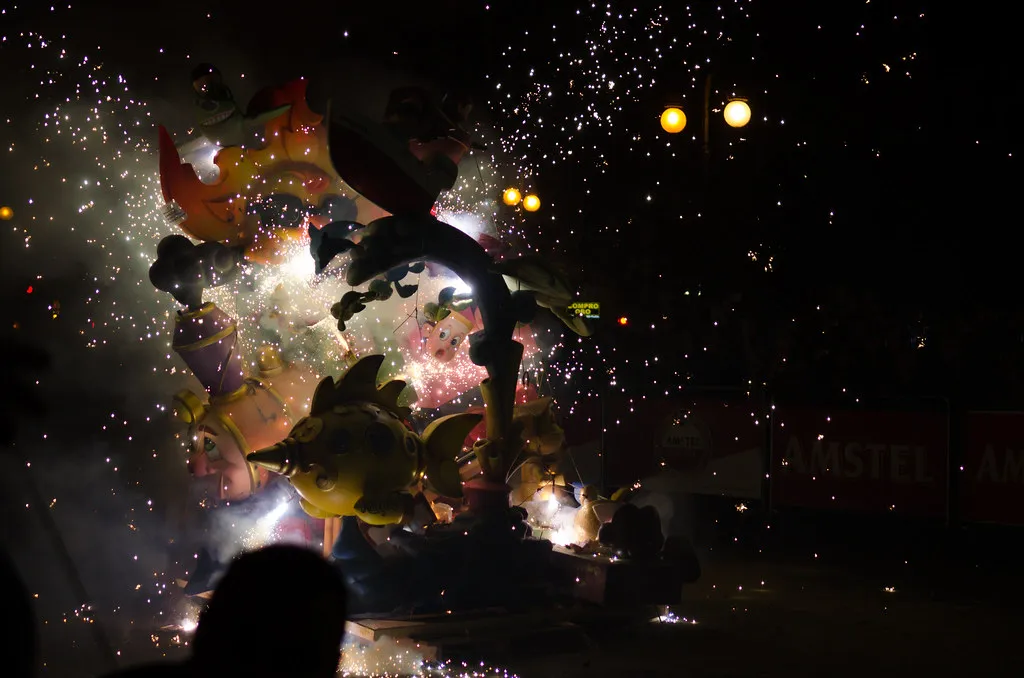
Firefighters are present at every single burning to ensure the safety of nearby buildings and spectators. They often spray the surrounding balconies with water to prevent heat damage from the massive flames. Watching the fire consume the intricate artwork is a bittersweet moment for the local falleros. It symbolizes the cycle of renewal and the start of preparations for the following year.
Finding a good spot to watch the final burning requires arriving at your chosen monument hours in advance. The main falla in the Plaza del Ayuntamiento is always the last one to be burned at midnight. This final event features a massive fireworks display that signals the official end of the festival. After the flames die down, the city's cleaning crews work through the night to restore order.
Frequently Asked Questions
Is Las Fallas in Valencia safe for children?
Las Fallas is generally safe for families, but the noise levels can be overwhelming for young children. Many parents use noise-canceling headphones to protect their kids' hearing during the daily fireworks. It is wise to visit the monuments in the morning when the crowds are thinner and the streets are easier to navigate.
How much does it cost to see the Fallas monuments?
Most monuments are free to view from the street as you walk through the city neighborhoods. Some of the larger Special Section fallas charge a small fee of 3 to 5 euros to enter the fenced-off area for closer viewing. You can find more budget tips for visiting Spain during major cultural events.
What is the best way to get around Valencia during the festival?
Walking is the primary way to get around since most of the city center is closed to cars and buses. The metro is the best alternative for reaching further districts, though it gets very crowded during peak hours. Avoid trying to use taxis or ride-sharing apps in the central zone due to the extensive road closures.
Do I need to book restaurants in advance for Las Fallas?
Yes, booking restaurants at least several weeks in advance is highly recommended for lunch and dinner. Popular spots near the main monuments or the Plaza del Ayuntamiento fill up very quickly during the festival week. Many visitors opt for street food like buñuelos or bocadillos to avoid the hassle of finding a table.
Las Fallas is a unique cultural phenomenon that everyone should experience at least once in their lifetime. The combination of artistic beauty and explosive energy creates an atmosphere unlike any other festival in Europe. Proper planning ensures you can enjoy the highlights without feeling overwhelmed by the crowds or the noise. Valencia's hospitality and passion for tradition will leave you with memories that last far beyond the final embers.
Remember to respect the local customs and follow safety instructions provided by the city authorities. Whether you are there for the art, the food, or the fire, the festival offers something for every type of traveler. Take time to explore the smaller neighborhood fallas to see the true community spirit behind the event. We hope this guide helps you make the most of your journey to Spain for this incredible celebration.
 Guide to Carnival Tenerife 2026 in Santa CruzApril 21, 2026
 Best Las Fallas Spots: Where to Watch in ValenciaApril 21, 2026