
Guide to the Medieval Christmas Market Munich
Explore the medieval christmas market munich at Wittelsbacherplatz. Find 2026 dates, traditional food, and artisan crafts in our complete travel guide.
On this page
Experience the Medieval Christmas Market Munich
Munich transforms into a beautiful winter wonderland every year with dozens of festive holiday stalls. The medieval christmas market munich at Wittelsbacherplatz offers a unique journey back into the city's past. This specific market captures the spirit of the Middle Ages through authentic decor and live performances. Visitors can explore various themes while walking through the historical streets of the vibrant city center.
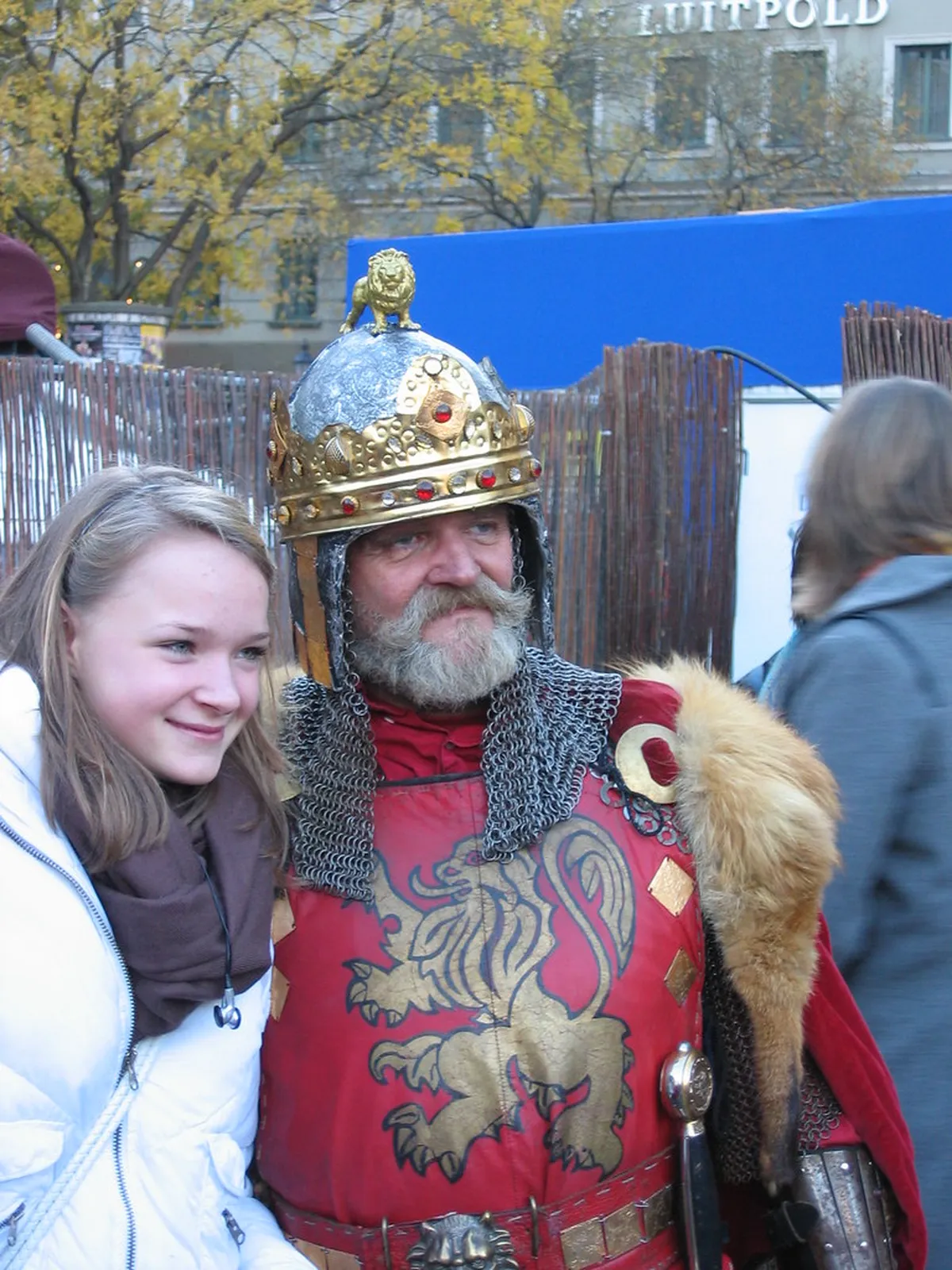
Finding the right holiday spot can be difficult when so many munich christmas markets compete for your attention. The Wittelsbacherplatz location stands out because it avoids the modern commercial feel of other venues. You will see merchants dressed in historical costumes serving drinks in heavy stone or clay mugs. This guide helps you navigate the smoky fires and rustic stalls of this incredible holiday event.
Step Back in Time at Wittelsbacherplatz
The Mittelaltermarkt (Medieval Market) sits in a grand square that perfectly complements its historical theme. Wooden huts are built to look like ancient workshops rather than the typical red holiday stalls. Flickering torchlight replaces bright electric bulbs to create a warm and mysterious glow across the square. This atmosphere makes the medieval christmas market munich a favorite for photographers and history lovers alike.
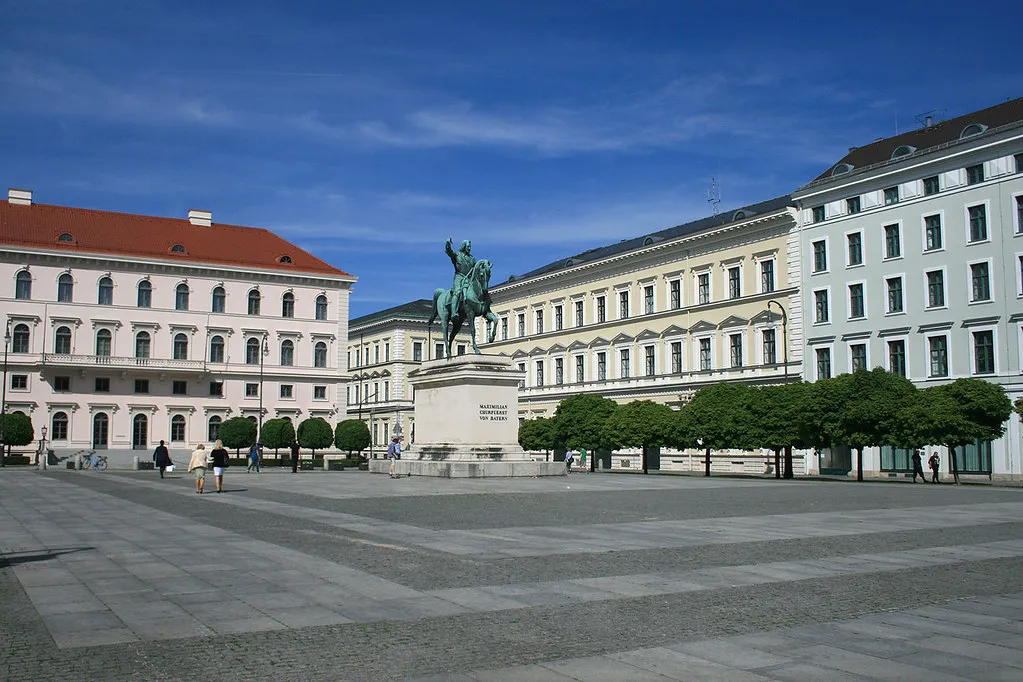
The market is deliberately designed to reflect Munich's actual medieval heritage — Christmas markets date back to Munich as early as 1410, when a St. Nicholas fair was first documented in historical writings. The Mittelaltermarkt honors that tradition with period dress, craft demonstrations, and historically-inspired food and drink. Plan to arrive just before sunset to see the transition from daylight to the glowing torchlight. The square feels much more intimate once the sun goes down and the fires burn brighter. Most people spend about two hours exploring the different sections and watching the live street shows. Early evening is the best time to capture the most atmospheric photos of the historical huts.
Authentic Food at the Medieval Christmas Market Munich
Food lovers will find hearty treats cooked over open wood fires throughout the entire market area. The munich christmas market food guide highlights these rustic flavors for hungry travelers visiting the city. Try the traditional flatbreads topped with sour cream and bacon for a filling and warm snack. Many dishes are prepared using old recipes that emphasize simple ingredients and very bold smoky flavors.
Mead (Honigmet in German) is the star drink at the Mittelaltermarkt — a fermented honey wine that truly captures the medieval spirit. This warm, honeyed beverage is centuries-old and unavailable at other Munich markets. Mead offers a unique sweetness balanced with subtle spice, perfect for sipping while watching blacksmith demonstrations. Expect to pay 6 to 8 euros for a mug of mead at the market.
The famous Feuerzangenbowle is a must-try spectacle that involves a sugar cube soaked in high-proof rum. Vendors set the sugar on fire so it melts into the warm mulled wine below it. Drinking from a heavy clay mug makes the experience feel much more authentic than using plastic cups. Expect to pay a small deposit (usually 3 to 5 euros) for the mug which you get back upon its return.
Sausages are grilled over large circular iron plates hanging by chains over glowing piles of wood. This cooking method gives the meat a distinct flavor that you cannot find at modern stalls. A roasted pig on a spit is a signature offering here — tender, smoky pork that makes memorable sandwiches. Vegetarians can find thick soups served in hollowed-out bread bowls that provide plenty of warmth and comfort. Prices for these main dishes usually range from eight to fourteen euros per serving.
Shopping for Traditional Medieval Crafts
The shopping experience here focuses on handmade goods that reflect the craftsmanship of the Middle Ages. Live demonstrations are a highlight — blacksmiths forge iron hooks and tools before your eyes, hand-blown glass artisans create ornaments, and medieval-costumed vendors explain their craft heritage. You can find high-quality items that are much more unique than the standard mass-produced holiday ornaments. Supporting these local artisans helps keep traditional German crafting techniques alive for the next generation.
Leatherworkers offer belts and pouches that are sturdy enough to last for many years of use. You can also find beautiful hand-blown glass ornaments, calligraphy sets, and hand-pressed paper for writing special holiday letters. Medieval-style accessories like hand-forged iron horseshoes and decorative weapons (bows, small crossbows) are available but may attract attention at airport security. Many items can be customized with your name or a specific date while you wait.
The market is an excellent place to find unique gifts for friends who appreciate history or art. Stalls are packed with interesting items ranging from forged iron hooks to delicate beeswax candles. Don't miss the hand-blown glass booth — their ornaments are collector's items. The merchants are usually happy to explain the history behind their specific craft or product line. Shopping here feels more like a discovery than a simple transaction at a regular retail store.
- Hand-Carved Wooden Toys
- Type: Traditional wooden crafts
- Best for: Unique children's gifts
- Where: Central craft stalls
- Cost: 15 to 45 euros
- Forged Iron Housewares
- Type: Hand-beaten metalwork by live blacksmiths
- Best for: Home decor enthusiasts
- Where: Blacksmith station area
- Cost: 20 to 60 euros
- Hand-Blown Glass Ornaments
- Type: Artisan glass craft
- Best for: Collector-quality decorations
- Where: Craft stalls near the center
- Cost: 12 to 50 euros
Essential Tips for Your 2026 Visit
Visitors should keep in mind that almost all stalls at this market only accept cash payments. The closest ATMs are located near the Odeonsplatz subway station just a short walk away. Check the munich christmas market dates to ensure the market is open during your trip. Carrying small bills and coins will make your transactions much faster at the busy food stalls.
The market's red clay mugs are particularly fragile — thinner and more delicate than the ceramic mugs used at Marienplatz. If you want a souvenir mug, these are charmingly medieval, but they break easily. Consider skipping the clay mug and bringing a reusable cup instead, or be prepared to baby it on your flight home.
The market can become very crowded on Friday and Saturday nights when locals finish their work. Visiting during a weekday afternoon provides a much more relaxed experience for families with young children. The open fires produce a lot of smoke which can be hard for people with sensitive lungs. Wear older clothes that are easy to wash because the smell of wood smoke will linger.
Odeonsplatz is the best subway stop to use when traveling to this specific holiday location. Lines U3, U4, U5, and U6 all serve this station for easy access from anywhere. Walking from the main train station takes about fifteen minutes through the scenic city center streets. Public transport is much better than driving because parking in central Munich is very limited.
Is It Corny or Cool? The Authenticity Debate
The Mittelaltermarkt doesn't try to be historically accurate in every detail — it's a themed celebration of Munich's medieval heritage rather than a strict historical recreation. Some visitors find the Renaissance fair atmosphere charming and immersive, while others see it as a bit kitschy. The key is knowing what you're getting: a festive, role-playing experience grounded in real medieval traditions, not a museum exhibit.
What makes it feel authentic is that many elements are genuine — the mead recipe, the metalworking techniques, the period music, and the historical costume designs all reflect real medieval practices. The vendors genuinely play their roles, blacksmiths demonstrate actual crafts, and dancers perform period-appropriate entertainment. This blend of scholarship and spectacle is what separates it from a typical Renaissance fair.
If you approach it as a celebration of history rather than a strict documentary, you'll find the experience magical. The sensory details — woodsmoke, clinking metal, period costumes, honey wine — create a genuinely atmospheric escape from modern Munich. Most visitors who embrace the theatrical nature come away enchanted.
Medieval Market vs. Marienplatz: Which Should You Choose?
The marienplatz christmas market guide describes Munich's largest and most commercialized market. Marienplatz features a massive Christmas tree, an ice rink, and the ornate town hall as backdrop. It draws massive crowds and feels more like a traditional shopping fair. The Medieval Market, by contrast, is confined to Wittelsbacherplatz, smaller, and laser-focused on atmosphere and entertainment over commerce.
If you only have one evening, the Medieval Market offers the most unique, memorable experience. Marienplatz is better for families seeking ice skating and a classic holiday photo backdrop. If you prefer high-quality local food and artisan shopping, Marienplatz has more vendors and variety. The Medieval Market wins on immersion, food uniqueness, and theatrical entertainment.
Many travelers visit both — they're only fifteen minutes apart by foot and offer completely different vibes. Combine your market visits with a walk through the nearby English Garden for a full day of winter fun.
Where to Stay for Easy Market Access
Wittelsbacherplatz is in central Munich's Old Town, making it easy to reach from most hotels. The Odeonsplatz U-bahn stop is steps away, giving you access to Lines U3, U4, U5, and U6. For the best location, stay in the Altstadt (Old Town) district or near Marienplatz — both are walkable to the medieval market.
Hotels near Marienplatz (like those facing the town hall) are convenient because you can visit both markets easily on the same evening. The area is filled with mid-range and luxury options. If you prefer a quieter vibe, stay one or two blocks away on a side street — you'll get lower prices and still be minutes from the markets.
Budget travelers can find hostels near Karlsplatz or along the Isar river — still within 15 minutes' walk or a quick U-bahn ride. The excellent public transport system means you don't need to stay at Wittelsbacherplatz itself; anywhere in central Munich works fine.
Frequently Asked Questions
When does the medieval christmas market munich open for 2026?
The market typically opens in late November and runs daily until December 23rd. Most stalls open around 11:00 AM and close by 8:00 PM or 9:00 PM. It is best to visit in the early evening to see the torchlight and enjoy the full medieval atmosphere.
Is there an entry fee for the medieval market at Wittelsbacherplatz?
Entry to the medieval christmas market munich is completely free for all visitors. You only need to pay for the food, drinks, and handmade crafts you choose to purchase. This makes it a great budget-friendly activity for tourists exploring the city center during the holidays.
Are there vegetarian food options at the medieval market?
Yes, you can find several vegetarian options including thick vegetable soups, fried potato pancakes, and various cheeses. Many stalls serve hearty bread bowls filled with hot stews that do not contain meat. Always ask the vendor about specific ingredients if you have strict dietary requirements or allergies.
Is the medieval market suitable for children?
Children usually love the medieval market because of the jugglers, knights, and fire performers. The atmosphere is very engaging and feels like a fairytale come to life for younger visitors. However, parents should be mindful of the open fires and the large crowds during weekend evenings.
The medieval christmas market munich offers a refreshing break from the standard holiday shopping experience. You can enjoy authentic food and unique entertainment in one of the most beautiful squares in the city. Planning your visit to Wittelsbacherplatz will likely be the highlight of your winter trip to Bavaria. Embrace the smoky air and the rustic charm for a truly unforgettable German holiday memory.
 Berlin Christmas Market Dates 2026: Complete GuideApril 21, 2026
 Best Christmas Markets Germany 2026: Festive GuideApril 21, 2026
 Marienplatz Christmas Market: Munich Guide 2026April 21, 2026