
10 Essential Insights for the Budapest Christmas Market (2025-2026)
Plan your Budapest Christmas market trip with 2025-2026 dates, local food guides, hidden neighborhood markets, and tips for a day trip to Szentendre. Insider insights for a perfect festive holiday in Hungary.
On this page
10 Essential Insights for the Budapest Christmas Market
Budapest transforms into a glowing winter wonderland as the holiday season approaches. The crisp air carries the sweet scent of cinnamon and roasted chestnuts across the Danube. Travelers from around the world gather to experience the unique charm of a Budapest Christmas market during the colder months. These festive fairs offer a perfect mix of centuries-old tradition and vibrant modern energy.
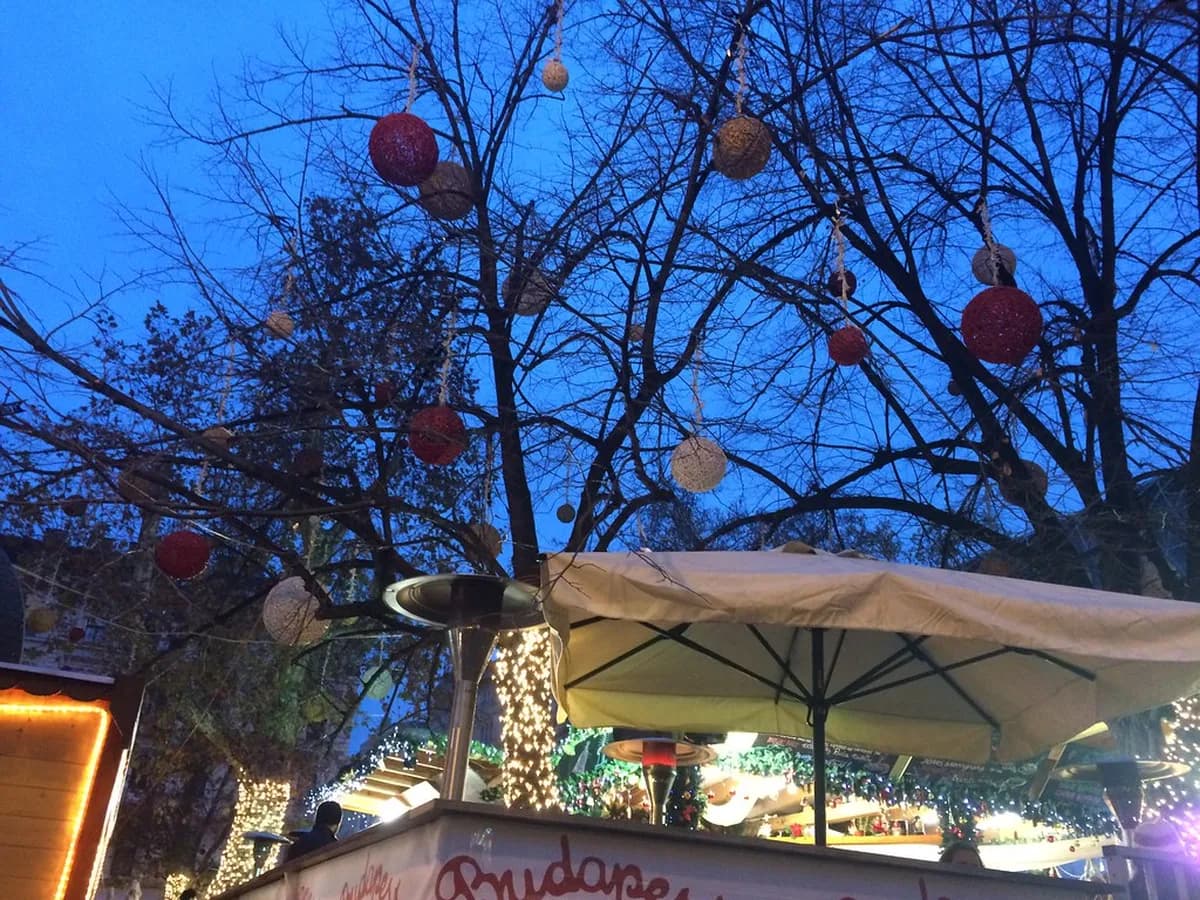
Sparkling fairy lights drape over historical buildings and illuminate the cobblestone streets. Local artisans prepare their wooden stalls with handmade gifts and intricate holiday decorations. Every corner of the city seems to hold a new surprise for festive visitors. Planning ahead ensures you catch the very best of what Hungary has to offer.
The 2026 season promises to be one of the most exciting celebrations in recent years. New light installations and expanded food sections will greet guests at every major square. Walking through these markets feels like stepping into a classic holiday storybook. This guide covers everything you need to know for a successful winter getaway.
Key Takeaways
- Markets officially open November 14-15, 2025 and run through December 31 or January 1, 2026.
- Vörösmarty Square hosts the oldest market (since 1998) with 100+ artisan stalls.
- St. Stephen's Basilica offers 3D light shows every 30 minutes starting at 16:30.
- Budget-conscious travelers should visit neighborhood markets like Óbuda for lower prices.
- Book accommodation in Pest near the Chain Bridge for easy access to all markets.
The Magic of Budapest Christmas Markets: An Overview
Budapest's Christmas markets represent a unique blend of Hungarian folk traditions and modern festive celebration. Unlike the centuries-old German markets, Budapest's fairs only began in the 1990s but have quickly earned recognition as some of Europe's finest. The city typically hosts 8-10 distinct markets, each with its own character and appeal.
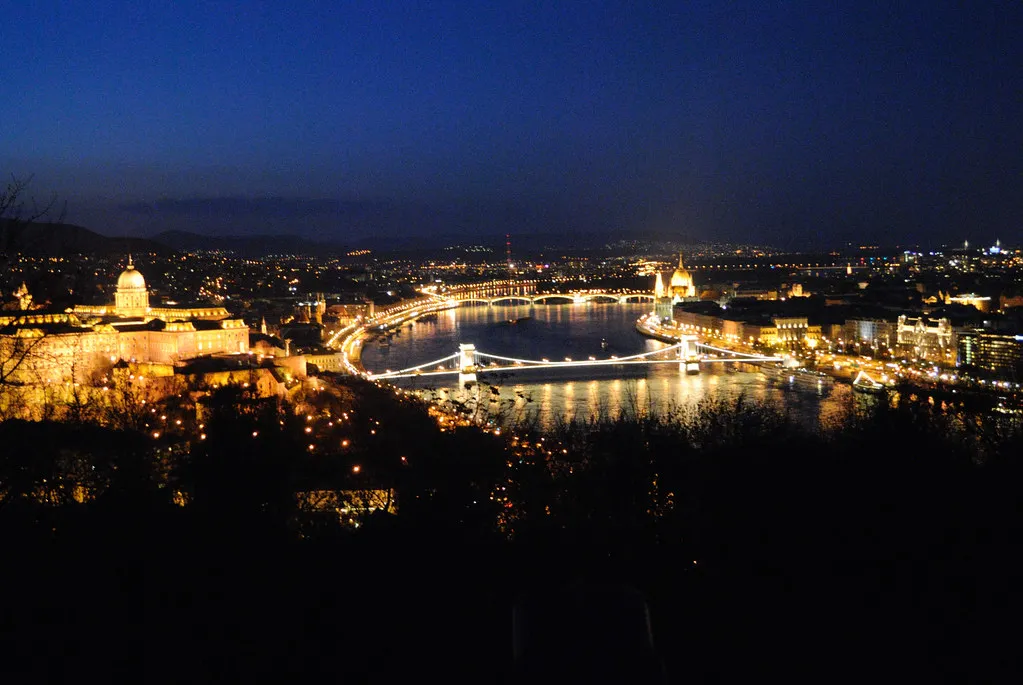
The city's position on the Danube creates a magical backdrop for winter celebrations. Historic architecture frames every stall, while illuminated bridges and castle towers glow throughout the season. Visitors find themselves immersed in an atmosphere that combines local authenticity with international charm. Most markets operate daily from mid-November through the end of December or early January.
Hungarian Christmas traditions emphasize handcrafted goods and authentic regional food over mass-produced souvenirs. This philosophy means stalls showcase glassblowing, wood carving, embroidery, and traditional pottery alongside live performances and folk music. The 2026 season will expand many market locations and extend operating hours during peak weeks.
Vörösmarty Square: The Oldest and Most Traditional Market
Vörösmarty Square has hosted Budapest's most celebrated Christmas market since 1998. Located in District V at the city's historical heart, this iconic plaza attracts hundreds of thousands of visitors annually. The market features over 100 wooden stalls selling authentic souvenirs, and a central stage hosts daily folk music and traditional dance performances.
Quality standards at Vörösmarty remain rigorous—all vendors undergo strict jury selection to ensure authentic Hungarian craftsmanship. Browse leather goods, hand-woven textiles, and traditional ceramics created by local artisans. A handmade ornament typically costs 2,500 HUF. The large Christmas tree dominates the center, transforming the square into a golden oasis after sunset.
The square connects directly to Fashion Street (Deák Ferenc utca), which features elaborate holiday light displays and high-end shopping. Nearby luxury hotels and the M1 metro stop provide convenient access. Visit on weekday mornings to avoid crowds and enjoy more relaxed browsing time. Food stalls line the outer edges, offering traditional cabbage dishes and savory stews in cast-iron cauldrons.
St. Stephen's Basilica: The Award-Winning Advent Feast
The Advent Basilica fair consistently earns titles as one of Europe's most beautiful Christmas markets. Located in front of the grand neoclassical church, this market provides a spectacular visual experience blending modern technology with historical architecture. A massive decorated Christmas tree stands tall at the square entrance, drawing visitors from all directions.
Spectacular 3D light shows project onto the stone facade every 30 minutes from 16:30 to 22:00. These religious and festive animations captivate crowds throughout evening hours. Finding a spot near the central fountain offers the best view. The market remains open until 10 p.m. on weekdays and 11 p.m. on weekends, with extended hours during the holiday period.
A small ice skating rink occupies the center of the square, surrounded by 100+ gourmet food vendors. Skating is free for children under 14; rentals cost 1,500 HUF. The atmosphere here feels slightly more contemporary than Vörösmarty, with organized layout and wide walking paths. Photography enthusiasts will find endless inspiration among the glowing stalls and illuminated Basilica. The church interior is open for visitors wishing to see its stunning architecture.
Local Favorites: Markets Outside the City Center (Óbuda & Buda Castle)
The Óbuda Christmas market in Fő tér offers a wonderful local alternative to the central squares. Located in the Third District, this market feels like a small village festival rather than a major tourist attraction. Traditional folk music plays from the central stage, and prices remain noticeably lower for food and drinks. The H5 suburban railway provides easy access from Pest.
City Park hosts a charming festive fair near Vajdahunyad Castle. The castle's fairytale architecture creates a magical backdrop for browsing stalls and enjoying mulled wine. This location is perfect for families wanting more space for children to explore. A visit combines beautifully with a soak in the nearby Széchenyi Thermal Baths.
Fisherman's Bastion on the Buda side features a smaller, more intimate Christmas market near Matthias Church. While less crowded than central markets, it offers panoramic views of the Danube and Pest skyline. Live performances and candlelit ceremonies occur on weekends. The Corvin Promenade features a modern market with youthful energy, contemporary crafts, and trendy street food. These neighborhood options provide authentic experiences and lower price points than central venues.
Dates, Hours, and Planning for 2026
Vörösmarty Square Christmas Market: November 14–December 31, 2025 (2026 dates to be confirmed). Operating hours are 11 a.m. to 9 p.m. daily, extending to 10 p.m. on Fridays and Saturdays. Limited hours apply on December 24 (closes at 14:00) and December 25-26 (closed or limited hours). St. Stephen's Basilica Christmas Market runs November 14–January 1, with hours 11 a.m. to 10 p.m. weekdays, 11 a.m. to 11 p.m. weekends.
Early December offers the best balance of festive atmosphere and manageable crowd sizes. Avoid the first two weeks of December and all weekends if possible—peak times bring overwhelming crowds and long waits at food stalls. Weekday mornings and early afternoons provide the most relaxed shopping experience.
Winter weather in Budapest can be unpredictable and cold. Temperatures frequently drop below freezing after sunset. Pack thermal layers, waterproof boots, and a heavy coat. Daylight hours are very short—the sun typically sets around 16:00—so plan indoor museum visits for midday. Booking accommodation several months in advance is essential, particularly for December 1-15. The Pest side near the Chain Bridge offers optimal location and mix of convenience with local character.
Culinary Highlights: What to Eat and Drink
Hungarian holiday food is famous for being hearty, flavorful, and incredibly warming. Sweet treats dominate dessert stalls, while the smell of sugar fills the air. Check out our Budapest Christmas market food guide for a complete list of delicacies. Eating your way through the market is a highlight of any winter trip.
Chimney cakes (Kürtőskalács) are the most iconic sweet snack available. Dough is wrapped around wooden cylinders and roasted over open charcoal fires. The crispy exterior is rolled in cinnamon, walnuts, or chocolate for extra flavor. A fresh chimney cake costs 2,000–3,000 HUF. Lángos (deep-fried flatbread) serves as the traditional savory counterpart, topped with garlic oil, sour cream, and cheese for 2,500–4,000 HUF.
Mulled wine (forralt bor) is essential for any market visit, offered in both red and white varieties infused with cloves and orange peel. Cost ranges from 1,200–1,800 HUF. Hot tea and spicy apple cider provide non-alcoholic alternatives. Traditional Flódni—a rich Jewish-Hungarian cake with poppy seeds, walnuts, apples, and plum jam—offers a unique taste of the city's diverse cultural heritage. Hungarian goulash served in fresh bread bowls (4,500–6,000 HUF) makes a filling lunch for cold evenings.
- Chimney Cake (Kürtőskalács)
- Type: Sweet pastry
- Best for: On-the-go snacking
- Cost: 2,000–3,000 HUF
- Traditional Lángos
- Type: Fried dough
- Best for: Filling lunch
- Toppings: Garlic, cream, cheese
- Cost: 2,500–4,000 HUF
- Hungarian Goulash
- Type: Meat stew
- Best for: Cold evenings
- Served in: Fresh bread bowl
- Cost: 4,500–6,000 HUF
- Mulled Wine (Forralt Bor)
- Type: Hot beverage
- Best for: Staying warm
- Varieties: Red or White
- Cost: 1,200–1,800 HUF
Shopping Guide: Best Hungarian Handicrafts to Buy
Budapest's markets showcase authentic Hungarian folk art that reflects centuries of cultural tradition. Vörösmarty Square maintains the highest standards, with a jury panel selecting vendors based on craftsmanship quality. Every purchase directly supports local artisans keeping Hungarian heritage alive.
Hand-woven textiles represent some of the finest purchases available. Traditional embroidery uses techniques passed down through generations, featuring intricate patterns specific to different Hungarian regions. A quality embroidered cloth or wall hanging costs 3,000–8,000 HUF. Leather goods—including belts, bags, and shoes—showcase excellent craftsmanship with prices ranging from 4,000–12,000 HUF for quality items.
Ceramic work and pottery offer beautiful, functional gifts. Look for pieces featuring traditional Hungarian blue patterns or folk designs. Hand-blown glassware creates elegant decorations, with ornaments costing 2,000–5,000 HUF. Wooden carvings—from nativity figures to decorative boxes—reflect regional artistic styles and typically cost 2,500–6,000 HUF. Handmade candles infused with traditional scents (lavender, honey, pine) provide affordable gift options at 1,500–2,500 HUF each. Avoid mass-produced items—authentic stalls focus entirely on handcrafted merchandise.
Logistics: Getting Around Budapest in December
Many travelers assume all market stalls accept international credit cards. While card payments are common, smaller craft vendors still prefer cash. Keep 10,000–20,000 HUF for quick snack purchases. ATMs near markets often charge high fees, so withdraw cash from your bank before visiting.
The city's tram and metro systems are much faster than taxis during holiday traffic. Purchase a 24-hour travel pass (4,150 HUF) or 72-hour pass (12,450 HUF) for unlimited rides on all transport. Walking remains the best way to see hidden decorations in side streets. The two main markets are just a 5-minute walk apart on Pest's flat terrain. The M1 metro line (yellow) connects directly to both Vörösmarty and near St. Stephen's Basilica.
Avoid waiting until weekend afternoons to visit central markets—Saturday nights often become so crowded that moving through stalls becomes frustrating. Visit on Tuesday or Wednesday evenings for a much more peaceful experience. Forgetting dinner reservations is a frequent mistake; popular restaurants reach full capacity by midday. Book your table at least a week in advance. Explore local 'étkezde' (small cafeterias) for traditional meals at a fraction of market prices, mixing affordable sit-down options with market snacks for best overall value.
Beyond Budapest: Day Trips to Szentendre and Regional Connections
Szentendre, a charming medieval town 30 kilometers north of Budapest, offers an enchanting alternative Christmas experience. The town's narrow cobblestone streets and baroque architecture create a fairytale setting. Szentendre hosts its own smaller Christmas market featuring local artisans and traditional Hungarian crafts. A direct train from Budapest-Nyugati station reaches Szentendre in 45 minutes for 630 HUF (about 2 EUR). Day-trippers often combine Szentendre's market with the Turkish-influenced Margit Island attractions.
For travelers planning a multi-city holiday, Budapest connects easily to Zagreb (Croatia) by train or bus. The 7-hour train journey covers 380 kilometers and costs approximately 3,000–4,500 HUF (10–15 EUR). Budapest's central location makes it the perfect hub for a Central European Christmas market tour. Many visitors combine Budapest's modern spectacles with Vienna's imperial markets or Brno's traditional Czech celebrations.
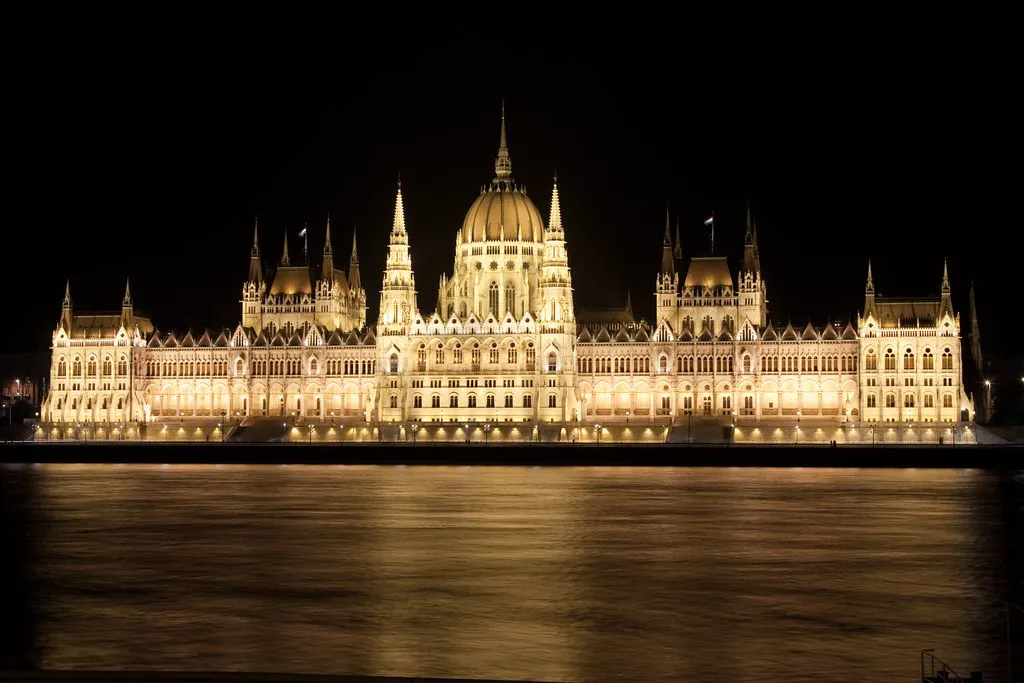
The Budapest Christmas market season pairs beautifully with other winter activities. Book a thermal bath experience at Széchenyi (5,000 HUF general admission) or Gellért Baths. Explore Buda Castle's exhibitions and enjoy wine tastings at local cellars. Consider a Danube river cruise to see the illuminated Parliament Building and chain bridges from the water. These complementary activities create a well-rounded holiday experience extending beyond market visits.
Money Matters: Central vs. Neighborhood Market Pricing
Price differences between central and neighborhood markets can be significant. The following table compares typical costs for the same items across locations:
| Item | Vörösmarty Square | St. Stephen's Basilica | Óbuda (Local Market) | Difference |
|---|---|---|---|---|
| Mulled Wine | 1,600 HUF | 1,600 HUF | 1,200 HUF | 25-33% savings |
| Chimney Cake | 2,800 HUF | 2,800 HUF | 2,000 HUF | 28% savings |
| Lángos with toppings | 3,500 HUF | 3,500 HUF | 2,500 HUF | 28% savings |
| Handmade ornament | 2,500+ HUF | 2,500+ HUF | 2,000+ HUF | 20% savings |
| Goulash in bread bowl | 5,500 HUF | 5,500 HUF | 4,000 HUF | 27% savings |
Central market prices reflect prime location and tourist demand. While quality remains consistent across all official markets, budget-conscious travelers save significantly by venturing to Óbuda, City Park, or Fisherman's Bastion locations. Food stalls in neighborhood markets operate at lower volume and pass savings to customers. Handcrafted items maintain the same quality regardless of location—the difference is purely operational cost allocation.
For maximum savings without sacrificing experience, visit central markets during daytime hours (avoiding evening crowds) and eat at neighborhood locations. Alternatively, enjoy market snacking at central squares and book sit-down meals at local 'étkezde' restaurants where mains cost 2,500–3,500 HUF. Pack a refillable water bottle (free fountains exist throughout the city) and purchase snacks rather than full meals. This approach yields both budget efficiency and authentic local experiences.
Avoiding Common Budapest Holiday Travel Mistakes
Many travelers assume that all market stalls will accept international credit cards. While card payments are common, some smaller craft vendors still prefer cash. Keeping a small amount of Hungarian Forints is helpful for quick snack purchases. ATMs near the markets often have high fees, so withdraw money elsewhere before arriving.
Waiting until the weekend to visit the main squares can lead to frustration. Saturday nights are often so crowded that moving through the stalls becomes difficult. Visit on a Tuesday or Wednesday evening for a much more peaceful experience. You will have more space to talk with the artisans about their work. Forgetting to make dinner reservations is another frequent mistake for winter tourists. Popular restaurants near the markets reach full capacity very early in the day. Book your table at least a week in advance for any specific dining spots.
Relying solely on taxis can be expensive and slow due to holiday traffic. The city's tram and metro systems are much faster for navigating between markets. Purchase a 24-hour or 72-hour travel pass for unlimited rides on all transport. Walking remains the best way to see the hidden decorations in side streets. Avoid eating only at the markets if you are on a strict budget. While the market food is delicious, it is often priced for tourists. Local 'étkezde' or small cafeterias offer traditional meals at a fraction of the cost. Mixing market snacks with sit-down local meals provides the best overall value.
Frequently Asked Questions
Which Budapest Christmas market is the best one to visit?
Vörösmarty Square is the best for traditional crafts and history. However, the Basilica market offers the most impressive light shows and a modern atmosphere. Most travelers find that visiting both provides the most complete holiday experience in the city.
Is Budapest expensive during the Christmas market season?
Budapest remains more affordable than many Western European capitals. Expect to pay around 1,500 HUF for mulled wine and 3,000 HUF for main food items. Budgeting carefully allows you to enjoy the festivities without overspending on your winter vacation.
What should I wear to the markets in Budapest?
Warm layers are essential as temperatures often hover around freezing. Wear a heavy coat, gloves, a hat, and a scarf for maximum comfort. Sturdy, waterproof walking shoes are necessary for navigating the potentially snowy or wet cobblestone streets safely.
Are the markets open on Christmas Day?
Most markets have limited hours or are closed on December 25th and 26th. Stalls usually close early on the afternoon of Christmas Eve. Check the official schedules before planning your activities for the actual holiday dates to avoid disappointment.
Budapest offers one of the most magical holiday experiences in all of Europe. The combination of grand architecture and warm traditions creates a unique atmosphere. Visiting in 2026 allows you to see the city at its most festive and bright. Every square tells a different story through its lights, crafts, and flavors.
Taking the time to explore both major and minor markets is well worth the effort. You will bring home more than just souvenirs from your time in Hungary. The memories of warm mulled wine and glowing cathedrals will last a lifetime. Start planning your winter journey today to secure the best travel options.
The spirit of the season is truly alive in every corner of this beautiful city. Whether you seek artisan gifts or hearty food, you will find it here. Budapest welcomes every visitor with open arms and sparkling holiday cheer. Enjoy every moment of your festive adventure in the heart of Central Europe.
 Berlin Christmas Market Dates 2026: Complete GuideApril 21, 2026
 Berlin Christmas Markets Guide 2026: Top 10 MarketsApril 21, 2026
 15 Best Christmas Markets Europe: 2026 Travel GuideApril 21, 2026