
10 Essential Rules for the Oktoberfest Dress Code
Master the Oktoberfest dress code with our guide to Dirndls, Lederhosen, and traditional Tracht. Learn what to wear, what to avoid, and where to buy in Munich.
On this page
10 Essential Rules for the Oktoberfest Dress Code
Visiting the Wiesn in Munich involves more than just drinking beer in large tents. Locals take their traditional clothing very seriously during the annual festivities. While no one will stop you at the gate, following the oktoberfest dress code improves your experience. Blending in with the crowd makes it easier to meet new friends during the oktoberfest 2026 schedule.
Traditional Bavarian clothing is known as Tracht and represents a deep cultural heritage. Most attendees wear these outfits to show respect for local customs and history. Choosing the right garments helps you feel like a participant rather than just a tourist. This guide will help you navigate the nuances of Dirndls, Lederhosen, and modern alternatives.
Is There an Official Oktoberfest Dress Code?
Technically, there is no official rulebook that forces you to wear specific clothing to enter the festival grounds. You are free to wear jeans, t-shirts, or even business casual attire if you prefer. However, the vast majority of visitors choose to wear traditional Tracht to fully embrace the spirit of the event.
Wearing the right outfit acts as a social icebreaker within the crowded beer tents. Locals often appreciate the effort tourists make to honor their Bavarian traditions correctly. You might find that table conversations start more easily when you look the part. It creates a sense of unity among the millions of people celebrating together.
While casual clothes are allowed, certain items like fancy dress or animal costumes are often discouraged. Security guards might even prevent people in distracting or offensive costumes from entering specific tents. Stick to the traditional oktoberfest survival guide for first timers to ensure you stay within cultural norms. Respecting the heritage of Munich ensures a welcoming atmosphere for everyone.
The Dirndl: Traditional Oktoberfest Outfits for Women
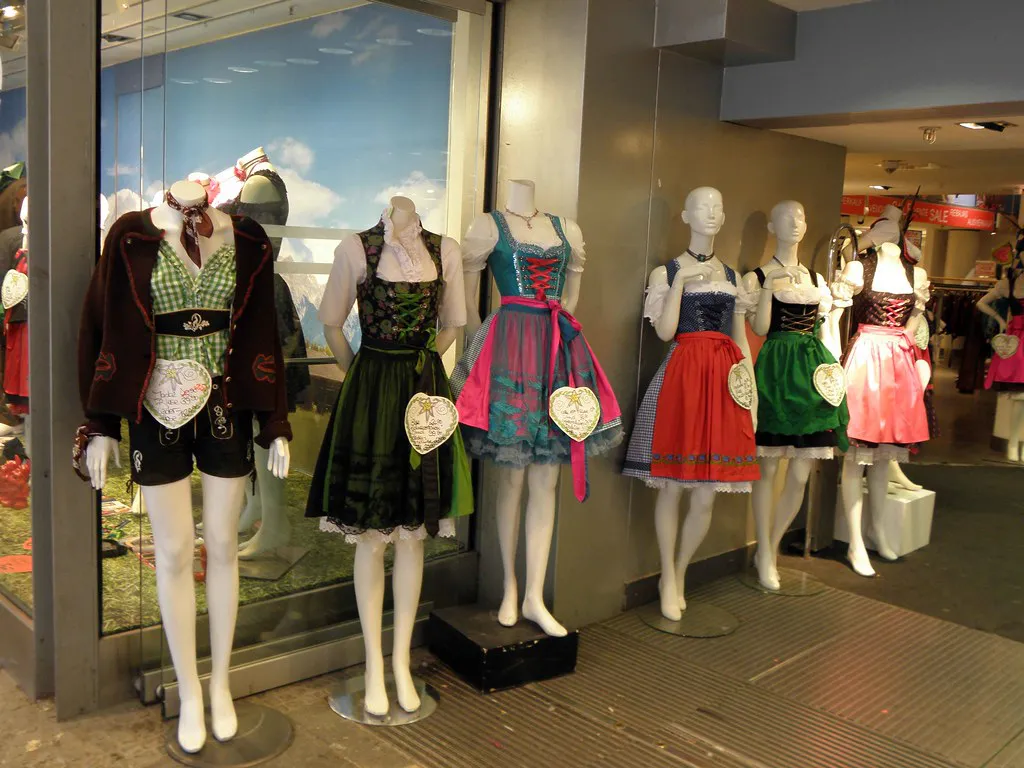
The Dirndl is the classic dress for women and consists of four main parts. These include the bodice, the skirt, a white blouse, and a decorative apron. High-quality versions use cotton, linen, or silk rather than cheap synthetic materials. Reviewing tips on how to dress for oktoberfest – mywanderlustylife.com can help you choose the right style.
The most important detail of the Dirndl is the position of the apron bow. This knot communicates your relationship status to every other guest in the tent. Placing the bow on the left side means you are single and open to conversation. A bow on the right side indicates that you are married or in a relationship.
Modern Dirndls come in three primary lengths, each with distinct styling implications. The "Midi" style, typically falling just below the knee, is the most traditional choice for the festival and represents about 80 percent of attendees. The "Mini" length, ending above the knee, is increasingly seen as touristy among locals and is often avoided by serious Tracht wearers. The "Long" or "Maxi" length, reaching the ankle or floor, is typically reserved for older women and formal occasions. Choose the midi length if you want to blend seamlessly into the crowd and maintain an elegant appearance.
- Apron Bow Etiquette Rules
- Left Side: Single and available
- Right Side: Taken or married
- Middle: Virgin or traditionally unmarried
- Back: Widow or professional waitress
Lederhosen: Traditional Oktoberfest Outfits for Men
Men traditionally wear Lederhosen, which are durable leather breeches designed for hard work and celebration. These trousers often feature intricate embroidery and come with matching suspenders. Most men pair them with a button-down shirt in a checkered or solid white pattern. You can find more details in the oktoberfest outfit guide 2026 – germanoutfits.com for the latest trends.
There are two main styles of Lederhosen commonly seen at the festival today. The "Kurze" version ends above the knee, typically at the thigh, and is popular for its casual and sporty appearance. This length suits athletic builds and younger attendees. "Kniebundhosen" are longer and tie just below the knee, offering a more formal and traditional appearance that flatters a wider range of body types. Both styles are equally acceptable and depend on your personal preference and body frame.
Authentic Lederhosen are made from real animal hides and should never be washed in a machine. They develop a unique patina over time that shows how many festivals they have survived. A good pair will feel stiff at first but will mold to your body with wear. This durability makes them a popular investment for locals and frequent visitors alike.
What to Wear to Oktoberfest if You Don't Want Traditional Clothes
Not everyone wants to spend hundreds of Euros on an outfit they might only wear once. If you prefer modern clothes, you can still blend in by following a few simple style rules. Avoid bright neon colors or graphic t-shirts that clash with the traditional aesthetic of the tents. Stick to earthy tones like forest green, brown, navy, or deep red.
A great middle-ground option is the "Strickjacke," which is a traditional Bavarian wool cardigan. These sweaters often feature horn buttons and rustic textures that complement the festival vibe perfectly. Men can wear one over a simple checked shirt and dark jeans for a respectful look. Women might pair a cardigan with a simple skirt or trousers to stay warm and stylish.
Focusing on quality fabrics like wool, linen, and cotton helps you look more intentional. Avoid wearing athletic wear, flip-flops, or heavy winter parkas inside the tents. If you choose jeans, ensure they are dark and well-fitted rather than distressed or baggy. This approach allows you to feel comfortable while still showing appreciation for the local culture.
Oktoberfest Outfits to Avoid (Common Mistakes)
The biggest mistake many tourists make is buying cheap "costume" outfits from shops near the train station. These items are usually made of shiny polyester and feature low-quality prints. They are very easy to spot and often make the wearer look out of place among locals. Authentic Tracht is an investment in craftsmanship, not a disposable party outfit.
Women should be careful with the length of their Dirndl skirts. Mini versions that end high on the thigh are often associated with tourist-oriented costume parties rather than the real festival. A traditional skirt should at least reach the top of the knee to maintain an elegant silhouette. This ensures you look respectful while navigating the crowded beer benches and actively participating in the celebration.
Men should avoid wearing plastic Lederhosen or hats with excessive, fake decorations. Traditional Bavarian hats are made of felt and might feature a real "Gamsbart" or tuft of hair. Over-the-top accessories can make your outfit look like a parody rather than a tribute. Keep your look simple and focus on a few high-quality pieces instead.
Where to Buy or Rent a Dirndl or Lederhosen
If you are only visiting for a day or two, renting an outfit is a very practical choice. Several shops in Munich offer rental services that include the full set of garments. You can expect to pay between 50 and 100 Euros per day for a high-quality rental. This allows you to look authentic without the high cost of a permanent purchase.
For those who plan to return or want a special souvenir, buying a set is a great option. Stores like Lodenfrey or Angermaier offer a wide range of styles from traditional to modern. Look for shops near where to stay for Oktoberfest in Munich to make fittings more convenient. Buying during the off-season can sometimes lead to significant discounts on premium items.
Second-hand shops are another excellent way to find authentic Tracht at a lower price point. Many locals sell their older outfits to make room for new styles each year. You can often find high-quality leather and silk pieces for a fraction of their original cost. Be sure to check the sizing carefully, as traditional cuts can differ from modern clothing.
- Outfit Decision Matrix
- Option: Renting — Best for: One-time visitors — Typical Cost: 50-100 EUR — Benefit: Low commitment
- Option: Buying New — Best for: Frequent attendees — Typical Cost: 200-600 EUR — Benefit: High quality
- Option: Second-Hand — Best for: Budget travelers — Typical Cost: 80-150 EUR — Benefit: Authentic patina
Essential Oktoberfest Accessories and Footwear
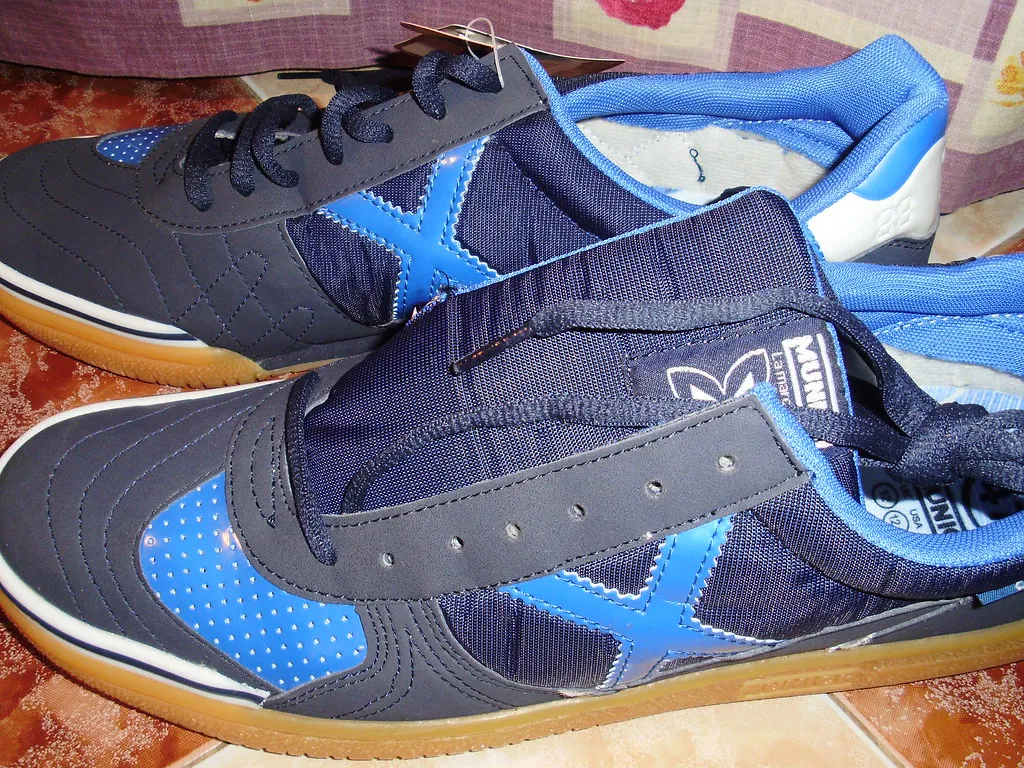
Footwear is one of the most critical parts of your outfit for both style and comfort. Men should aim for "Haferlschuhe," which are traditional side-laced leather shoes with sturdy soles. Women often wear comfortable ballet flats, Mary Janes, or sturdy ankle boots. Avoid wearing high heels, as the floors in the tents can become slippery with spilled beer.
Accessories add a personal touch and complete the traditional Bavarian look. Men can add a "Charivari," which is a silver chain adorned with coins and hunting trophies. Women often wear chokers with edelweiss charms or delicate floral hairpieces. These small details show that you have put thought into your oktoberfest 2026 dates and cultural presentation.
Socks also play a major role in the male dress code. "Loferl" are two-part socks that cover the calf and the foot separately, leaving the ankle bare. This distinctive split design is traditional and highly recognizable. Alternatively, long wool socks pulled up or pushed down to the ankles are also very common. Choose natural wool colors to match the rustic feel of the Lederhosen leather.
Lederhosen Materials: Cowhide vs. Goatskin vs. Deerskin
The type of leather you choose will determine the price and how long the trousers last. Cowhide is the most common entry-level material and is very affordable for beginners. It is durable but can feel quite stiff and heavy during the first few wears. Check out what to wear to oktoberfest – oktoberfesttent.com for more material comparisons.
Goatskin offers a significant upgrade in comfort and is the choice for many local Bavarians. It is much softer than cowhide while still being incredibly resistant to wear and tear. This material breathes better, making it more comfortable during long days in a hot beer tent. Most mid-range Lederhosen sets use this versatile leather.
Deerskin, or "Hirschleder," is the pinnacle of traditional Tracht. It is incredibly soft, lightweight, and becomes even more comfortable over decades of use. While it is the most expensive option, many consider it a lifelong investment. The unique grain of deerskin also holds embroidery better than other types of leather.
Practical Tips for Dressing for Munich Weather
Munich weather in late September can be quite unpredictable and changes quickly. Mornings are often chilly and damp, requiring a light jacket or a traditional wool shawl. However, once you are inside a crowded beer tent, the temperature rises significantly. Layering is the most effective way to stay comfortable throughout the entire day.
Consider bringing a small bag or using the pockets in your Lederhosen for essentials. Women should look for Dirndls with hidden pockets in the skirt for phones and cash. If you carry a jacket, ensure it is something you can easily tie around your waist. Avoid bringing large umbrellas, as they are difficult to manage in the crowded festival crowds.
The walk back to your hotel in the evening can be surprisingly cold after the sun goes down. A traditional wool cardigan or a felt hat can provide much-needed warmth during the commute. Check the local forecast before you leave to prepare for any sudden rain showers. Proper planning ensures that the weather never dampens your festival spirit.
Modern Sneakers vs. Traditional Haferlschuhe: The Footwear Debate
For decades, Haferlschuhe were the only acceptable choice for men at Oktoberfest. These sturdy leather shoes with their distinctive side laces remain the gold standard and are what you will see on most locals and serious Tracht wearers. They pair perfectly with Lederhosen and maintain the authentic aesthetic that Germany takes pride in.
In recent years, clean and simple leather sneakers have become increasingly accepted, particularly among younger attendees. While purists may notice the deviation from traditional dress, modern white or tan leather sneakers offer practical comfort during long festival days. The key distinction is leather quality and cleanliness—bright athletic shoes or worn trainers remain noticeably out of place.
If you invest in a quality pair of Haferlschuhe, you own a piece of Bavarian heritage that will last decades. However, if comfort is your priority and you plan to attend only once, premium leather sneakers represent a reasonable middle ground that respects the tradition without sacrificing practicality.
Coordinated Oktoberfest Outfits for Couples
Coordinating with your partner adds a fun and stylish element to your festival visit. Instead of wearing identical patterns, try matching the man's vest color to the woman's apron. This creates a cohesive look that appears elegant and intentional without being overly matchy. Explore more about festivals in Germany to see other regional style inspirations.
Subtle color themes like forest green, deep burgundy, or navy blue work very well for couples. These classic colors look great in photos and fit perfectly within the traditional Bavarian aesthetic. You can also match smaller details like the embroidery thread or the style of your footwear. This approach shows a high level of attention to detail and cultural respect.
If you are traveling in a larger group, consider choosing a general color palette for everyone. This makes it easier to find each other in the massive crowds of the beer tents. Group dressing is a common tradition among local clubs and friendship circles in Munich. It adds to the communal atmosphere that makes Oktoberfest such a unique global event.
Support and Shaping: The Right Bra With Your Dirndl
The Dirndl bodice is designed to create a flattering silhouette that emphasizes the chest and waist. A supportive push-up bra or padded bra shaper is highly recommended to achieve the intended aesthetic. Most women at Oktoberfest wear bras that provide lift and enhancement—this is not considered immodest but rather part of the traditional presentation.
When selecting your bra, choose one that matches your skin tone to avoid visible lines under a white blouse. Strapless and convertible bra styles work well since many Dirndl blouses feature off-the-shoulder or short-sleeve designs. Many experienced Oktoberfest attendees invest in specialized bra shapers that sit under the bodice for additional shaping and support throughout the long festival day.
Comfort matters as much as appearance. A good bra should provide support without pinching or causing discomfort during hours of celebration. Test your full outfit, including the bra, before the festival to ensure it feels comfortable under the tight bodice. Taking time to find the right foundation garment will significantly improve your overall comfort and confidence while wearing traditional Tracht.
Frequently Asked Questions
Can I wear a Dirndl without a blouse?
Generally, you should not wear a Dirndl without a blouse as it is considered incomplete. The blouse is a fundamental part of the traditional silhouette and provides a balanced look. Most locals view the sleeveless bodice alone as a major fashion faux pas at the festival.
Is it okay to wear sneakers with Lederhosen?
Sneakers are becoming more common among younger visitors and tourists for comfort. While Haferlschuhe remain the gold standard, clean and simple leather sneakers are now widely accepted. Avoid wearing brightly colored athletic shoes that clash with the rustic leather of your oktoberfest 2026 tickets experience.
How much does a full Oktoberfest outfit cost?
A basic but high-quality set usually starts around 200 to 300 Euros for either men or women. Renting is a cheaper alternative at roughly 50 to 100 Euros per day. Premium deerskin Lederhosen or silk Dirndls can easily cost over 1,000 Euros for lifelong use.
Mastering the dress code is the first step toward an unforgettable Munich experience. Whether you choose a premium deerskin set or a simple wool cardigan, respect for tradition is key. Focus on quality materials and correct etiquette to truly blend in with the local crowds. Enjoy the unique atmosphere of the Wiesn while looking your absolute best in traditional Tracht.

 How to Buy Berlinale Tickets: A Complete 2026 GuideApril 21, 2026
 10 Essential Facts for Oktoberfest 2026 Dates & PlanningApril 21, 2026