
Berlinale Golden Bear: History and Guide to Winning Films
Discover the history of the Berlinale Golden Bear in Berlin. Learn about past winners, ticket tips, and how to experience the film festival in 2026.
On this page
The Berlinale Golden Bear: A Guide to the Festival's Top Prize
The Berlinale Golden Bear stands as one of the most prestigious honors in the international film industry. Each February, the city of Berlin transforms into a global hub for cinema and artistic expression. This award represents the highest achievement for filmmakers competing in the Main Competition section.
Winning this trophy often launches a film into the global spotlight and secures its place in history. Visitors flock to the capital of Germany to witness these cinematic masterpieces firsthand. Understanding the weight of this prize helps travelers appreciate the festival's unique atmosphere.
The competition brings together diverse voices from every corner of the globe to share their stories. Fans can expect a mix of high-profile premieres and experimental works that challenge traditional storytelling. This guide explores the legacy of the prize and how you can experience the magic yourself.
The History and Symbolism of the Golden Bear
The bear has served as the official mascot and heraldic animal of Berlin for many centuries. Sculptor Renée Sintenis designed the original statuette that remains an icon of the festival today. Since 1951, this prize has recognized films that push the boundaries of artistic storytelling.

While the design has evolved slightly over the decades, its symbolic power remains unchanged for artists. The first awards were actually decided by a West German panel before the international jury was established. This transition helped the festival gain global credibility during the difficult Cold War era.
Berlin uses the festival to showcase its resilience and commitment to cultural freedom on a massive stage. The golden statuette is cast in bronze and then plated with a thick layer of real gold. Each trophy is handcrafted to ensure that every winner receives a unique piece of cinematic history.
The festival organizers introduced the Silver Bear categories to honor specific achievements like acting and directing. However, the Golden Bear remains the ultimate goal for every production team entering the competition. It signifies a complete work of art that resonates with both critics and the general public.
How the International Jury Selects the Winner
A diverse panel of filmmakers and actors from around the world determines the Berlinale Golden Bear recipient. These experts spend ten days watching every film in the official competition lineup together. Discussions often last late into the night as the jury debates artistic merit and social impact.
The jury president leads the group through a series of secret ballots to reach a final decision. Transparency is limited during the process to maintain the element of surprise for the closing ceremony. This secrecy adds a layer of excitement for the fans waiting outside the Berlinale Palast.
Jurors often look for films that offer a fresh perspective on contemporary global issues or human emotions. Technical excellence in cinematography and sound design also plays a major role in their final evaluations. The diversity of the jury ensures that the winning film has a truly international appeal.
Competition is fierce, as only about twenty films make it into the main selection each year. Directors often spend years developing their projects specifically for a chance at this prestigious Berlin stage. The final announcement on the last Saturday of the festival is a major global media event.
Iconic Winners and Their Cinematic Legacy
Many films that won the top prize have gone on to redefine modern world cinema for decades. From poetic dramas to bold political statements, the winners reflect the changing tides of global culture. Seeing a winning film in a historic Berlin theater offers a truly immersive cultural experience.
Notable winners include works by legendary directors like Ang Lee, Hayao Miyazaki, and the brave Jafar Panahi. These films often tackle difficult subjects that other major festivals might occasionally overlook. Fans can often find retrospective screenings during the Berlin film festival guide events throughout the city.
The impact of a win extends far beyond the festival walls and into the global box office. Distributors often fight for the rights to show these films in theaters across North America and Asia. A Golden Bear win acts as a seal of quality that attracts serious film enthusiasts everywhere.
Documentaries have also seen success in the main competition, proving the festival's commitment to diverse formats. These films provide a window into real-world struggles and triumphs that stay with the audience long after. The legacy of these winners continues to inspire the next generation of bold independent filmmakers.
How to See Winning Films at the Festival
Public screenings allow film enthusiasts to watch the nominees alongside the professional industry crowds. You can often secure Berlinale tickets for public screenings through the official online portal. Most tickets go on sale exactly three days before the actual screening date at 10:00 AM.
Popular venues like the Zoo Palast and Kino International provide a grand setting for these premieres. Arrive at least thirty minutes early to navigate the security checks and find your seat. Many screenings include a short Q&A session with the cast or director after the credits roll.
One unique feature of the festival is the Berlinale Audience Day held on the final Sunday. Tickets are often sold at a discounted rate, allowing more locals to enjoy the festival highlights. This is a great chance to catch the films that everyone has been talking about all week.
Planning your schedule requires balancing the big premieres with smaller, hidden gems in the side sections. Use the official festival app to track screening times and venue locations across the city. Learning about public screenings attendance will help you maximize your time in Berlin.
- The Berlinale Palast
- Location: Potsdamer Platz
- Focus: Main Competition premieres
- Capacity: 1,600 seats
- Atmosphere: Red carpet glamour
- Zoo Palast
- Location: City West
- Focus: Special screenings
- History: Former main venue
- Interior: Mid-century elegance
- Kino International
- Location: Karl-Marx-Allee
- Focus: Panorama section
- Style: Socialist Modernism
- Experience: Historic architecture
Practical Tips for Your Berlinale Visit
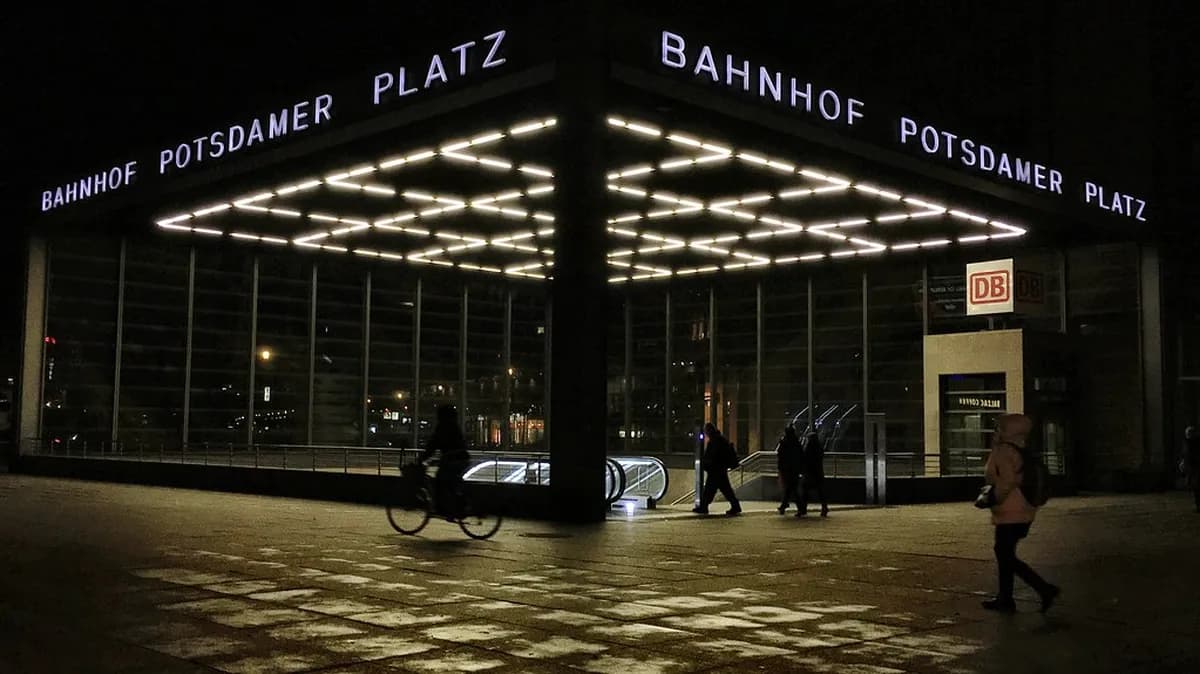
Navigating the city during the festival requires some advanced planning and a very warm winter coat. The main hub is located around Potsdamer Platz, where the red carpet events take place daily. Use the U-Bahn or S-Bahn to move quickly between different screening venues across the city.
Finding the right where to stay for the Berlinale festival is crucial for a smooth experience. Hotels near the Mitte district offer the best access to the major theaters and festival lounges. Booking your room several months in advance is highly recommended for the 2026 season.
Berlin in February is often cold and damp, so waterproof shoes are a necessity for walking. Between films, you can find many cozy cafes and restaurants near the main festival venues. Many locals prefer the smaller theaters in Kreuzberg for a more relaxed and authentic atmosphere.
Expect long lines at the ticket counters if you do not purchase your passes online in advance. Keep your digital tickets ready on your phone to ensure a quick entry into the theaters. Exploring the city's history between screenings adds another layer of depth to your cultural trip.
Frequently Asked Questions
What is the Berlinale Golden Bear?
The Golden Bear is the highest prize awarded to the best film in the Main Competition at the Berlin International Film Festival. It represents artistic excellence and often highlights socially relevant cinema. You can find more details in our Berlinale 2026 guide for the upcoming season.
Can the public attend the awards ceremony?
The official awards ceremony is primarily an invite-only event for filmmakers, press, and industry professionals. However, fans can watch the red carpet arrivals at Potsdamer Platz to see the stars. Many of the winning films are screened for the public on the final day of the festival.
How much do Berlinale tickets cost?
Standard ticket prices usually range from 15 to 18 Euros for most public screenings across the city. Special events or premieres at the Berlinale Palast may have slightly higher prices for the general public. Discounted tickets are often available for students and during the final Audience Day on Sunday.
Where can I see the winning films after the festival?
Winning films often secure distribution deals and appear in independent cinemas globally a few months later. Some titles may also become available on specialized streaming platforms focused on international and arthouse cinema. Checking local film festival schedules in your home country is another great way to find them.
The Berlinale Golden Bear remains a beacon of excellence for filmmakers and a highlight for cinema lovers. Visiting Berlin during this time offers a unique chance to engage with art and global culture. The energy of the city during the festival is truly unlike any other time of the year.
Whether you are a die-hard cinephile or a casual traveler, the festival provides an unforgettable experience. Plan your trip early to ensure you get the best tickets and accommodation for your stay. We hope this guide helps you navigate the exciting world of the Berlin International Film Festival.
 Berlinale 2026: Guide to Berlin's Film FestivalApril 21, 2026
 Berlinale Public Screenings: Guide to Tickets & VenuesApril 21, 2026
 How to Buy Berlinale Tickets: A Complete 2026 GuideApril 21, 2026