
Oktoberfest Munich Travel Guide
Plan oktoberfest munich with top picks, neighborhood context, timing tips, and practical booking advice for a smoother trip.
On this page
7 Essential Steps to Master Oktoberfest Munich
Planning a trip to the world's largest beer festival requires careful timing, practical knowledge, and an understanding of local traditions. Oktoberfest draws over six million visitors annually, and the sheer scale of the event at Theresienwiese demands advance preparation. This guide walks you through every step to secure tent seating, navigate Bavarian culture, and maximize your experience whether you visit alone or with friends.
I've visited the grounds four times over the past decade, and success always depends on understanding the early-arrival strategy, cash requirements, and social protocols inside the tents. The official Oktoberfest website confirms dates and tent details, but practical ground-level tactics aren't always published. This guide covers both.
Key Takeaways
- Oktoberfest 2026 runs September 19 to October 4. Weekdays before 2:30 PM offer the highest chance of walk-in table access.
- Arrive at Theresienwiese by 9:00 AM on weekdays or 8:00 AM on weekends to secure unreserved seating in beer tents.
- Carry €150–200 minimum in cash for beer (€13–15 per liter), food (€7–35), tips (€1–2 per beer), and rides.
- Wear traditional Bavarian attire (Dirndl or Lederhosen) to blend with the festival culture and enhance the social atmosphere.
- Understand tent protocols: look for tables without white cloths, use the Oktoberfest app to track tent fullness in real-time, and learn proper toasting etiquette to avoid social missteps.
Step 1: Planning Your Dates and Timing
Oktoberfest 2026 runs from Saturday, September 19 through Sunday, October 4. Unlike its name suggests, the festival spans late September and early October, so plan your calendar accordingly. The opening weekend (September 19–20) features the ceremonial first-barrel tapping at noon in the Schottenhamel tent and a traditional parade, making it the most symbolic but also the most crowded time to visit.
For securing table access, weekdays are strategically superior to weekends. Tuesdays through Thursdays are officially designated family days with discounted food and ride prices, plus lower overall tent density. Midweek mornings (Wednesday and Thursday before 11:00 AM) typically see 60–70% faster table acquisition compared to Friday afternoons. If you must visit on weekends, Saturday mid-morning is preferable to Sunday, when many tents close early due to lower demand.
The most challenging days are opening weekend (September 19–21), the final weekend (September 28–29 and October 3–4), and any public holidays in Germany that fall during the festival. Avoid these windows if your primary goal is relaxed table seating. Instead, target the second and third weekends for a balance of energy and accessibility.
Step 2: Navigating Munich Transport and Logistics
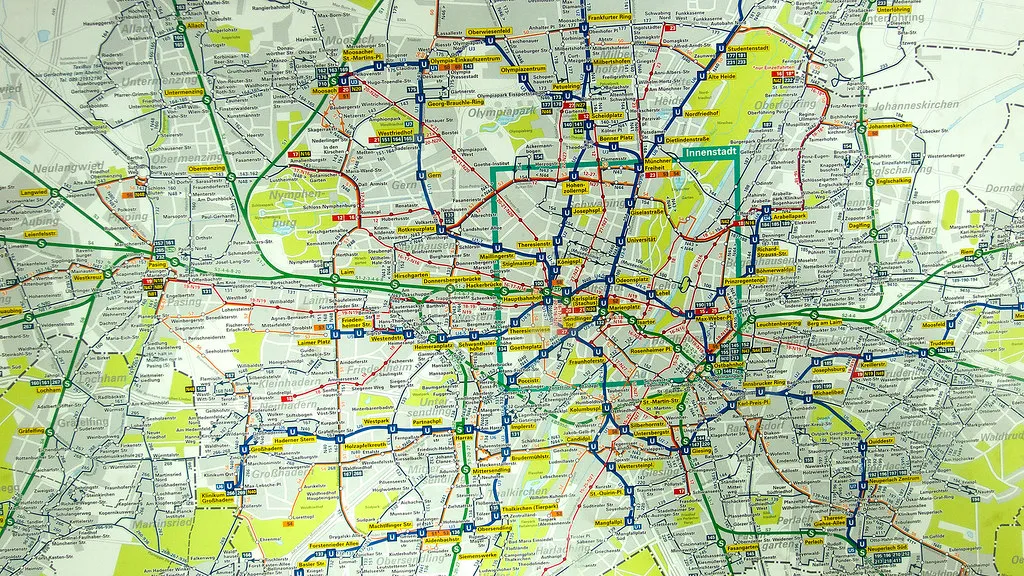
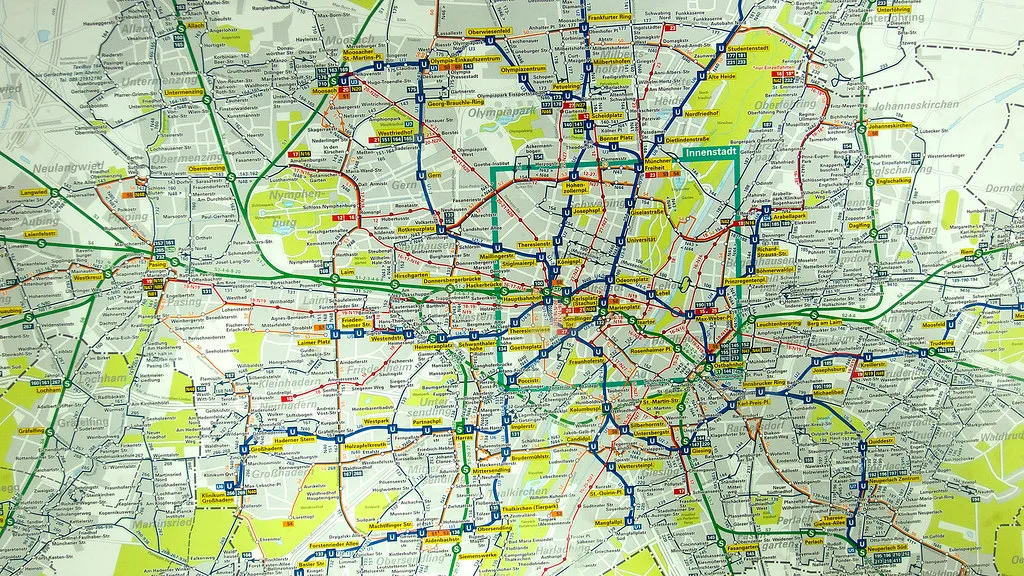
Getting to Oktoberfest in Munich is straightforward via public transportation. The U-Bahn (subway) lines U4 and U5 run directly to both Theresienwiese and Schwanthalerhöhe stations, sitting within a 5–10 minute walk of the festival grounds. A single journey ticket costs €3.90, while a day pass for full-day unlimited access runs €9.20. MVV Munich (mvv-muenchen.de) provides live route planning and real-time schedule updates.
If arriving from the airport, the S8 train reaches the city center in 45 minutes (€12.50 one-way), from which you connect to the U-Bahn. The Munich Central Station (Hauptbahnhof) sits just north of the Old Town, a 20-minute walk from Theresienwiese. S-Bahn trains from surrounding suburbs converge at Hackerbrücke, another valid festival entry point, though U-Bahn access is more direct.
Driving is strongly discouraged. Parking near Theresienwiese is nonexistent during the festival, and vehicle traffic is heavily restricted in the surrounding neighborhoods. Late-night transportation (after 11:00 PM) relies on night buses and taxis; Uber operates in Munich but with inconsistent surge pricing during peak hours. Always verify the taxi license plate before entering.
Step 3: Mastering the Beer Tents and Reservations
Oktoberfest features 14 large beer tents and numerous smaller venues. Each tent serves one of six official Munich breweries (Augustiner, Löwenbräu, Hacker-Pschorr, Hofbräu, Paulaner, and Spaten) and maintains distinct atmospheres. Schottenhamel caters to younger international crowds with high-energy music and rowdy dancing. Augustiner is the most traditional, serving beer from wooden barrels in a slower-paced setting. Hofbräu is family-friendly in the mornings, transforming into a dance hall by evening. Choosing the right tent for your mood matters more than securing any specific one.
Walking in without a reservation is viable despite myths to the contrary. Bavarian law mandates that every tent reserves 30–40% of seating for walk-in guests. Look for tables with yellow reserved signs or no tablecloths—these are open to first-come, first-served seating. On weekdays before 2:30 PM, you can typically find unreserved tables within 10–15 minutes of entering a tent. Weekends may require 20–45 minutes of browsing multiple tents, but persistence works. Once seated, stay put; servers only take orders from people physically at tables.
The Oide Wiesn (Old Oktoberfest) section operates as a separate, nostalgic zone featuring vintage carnival rides, historical beer tents, and a €4 entry fee. It attracts families, older visitors, and anyone seeking a less intense party atmosphere. The beer quality is identical to the main grounds, and seating is even more accessible. Solo travelers and those avoiding the rowdiest energy often prefer this area, which operates under the same Sept 19–Oct 4 schedule as the main festival. Use the official Oktoberfest app to check real-time tent capacity and queue times, allowing you to target the least-crowded option at any given hour.
Step 4: Budgeting for Your Oktoberfest Experience
Entry to the festival grounds and all beer tents is completely free. You pay only for what you consume. A Maß (one-liter beer stein) costs €13–15, rising incrementally as the festival progresses. Food inside tents ranges widely: traditional Bavarian dishes like Schweinshaxe (roasted pork knuckle) cost €25–35, while a half-roast chicken runs €16–18. Pretzels sold by walking vendors command €7–9 each due to their size. Soft pretzels and bread rolls are half the price (€3–5) but available only at specific stalls.
Carnival rides cost €3–12 per person depending on the attraction. The Ferris wheel (Riesenrad) is a popular panoramic break at €9–10. ATMs are scattered throughout the grounds, but they typically charge €4–6 fees per withdrawal, making it smarter to withdraw cash at your hotel or a central Munich bank before arrival. Tipping is essential: €1–2 per beer per person is the standard, expected norm. A 10-person table ordering six rounds of beer without tipping €6–12 per round will receive noticeably slower service afterward.
Budget planning: €100–150 covers a full day of moderate consumption (3–4 Maß per person, food, one ride, tips). €200+ allows for liberal drinking, multiple meals, several rides, and Oide Wiesn re-entry. Accommodation near the Hauptbahnhof costs €80–150 per night in budget hostels or €200–400 in mid-range hotels. If visiting for 2–3 days, allocate €1,500–2,500 total per person including flights, lodging, food, and entertainment, assuming mid-range choices and no dirndl/lederhosen purchases (buyable on-ground for €50–150).
Step 5: Understanding Etiquette and Traditional Attire
Bavarian dress is far more than costume—it signals cultural respect and dramatically improves your festival experience. Women wear dirndls (a traditional dress with apron) paired with white blouses; men wear lederhosen (leather shorts) with white socks and a shirt. Approximately 90% of festival-goers dress traditionally, and those who don't stand out noticeably. Buying on-ground is preferred over arriving with pre-purchased outfits because shops near Hauptbahnhof (notably Paris Dirndl) offer competitive prices (€50–150 for basic sets) and your purchase doubles as a souvenir.
There's an obscure but widely-followed dirndl-apron-knot signal system: right side (in a relationship), left side (single), middle (virginity), back (widow/child/waitress). Servers, in particular, wear back-tied aprons regardless of status. Wearing the wrong knot won't bar you entry, but locals will notice. This small detail often drives unexpected table invitations and new friendships.
The Prost (toast) protocol is non-negotiable. When clinking glasses, maintain direct eye contact with each person at your table—folklore claims toasting without eye contact brings seven years of bad luck in relationships. Hold your Maß firmly by the handle and grip it at the base, not the rim. Raising your beer with a full arm's extension, saying "Prost," and maintaining eye contact until both parties drink creates the proper ritual. Security ejects anyone caught stealing festival steins, so do not attempt this. In Germany, hitting someone with a stein is classified as attempted murder—a cautionary detail backed by local law enforcement presence.
Dancing on benches is encouraged once the brass band reaches full volume, typically mid-afternoon or evening. Falling off benches happens frequently and is treated as normal fun, though travel insurance covering accidents is wise. Respect reserved table markers (white cloths and reservation cards), and never assume a seat is available unless a server explicitly directs you to it. Being ejected from a tent for seat-poaching wastes time and bars return visits that day.
Step 6: Sampling Authentic Bavarian Food and Attractions
The festival grounds offer concentrated Bavarian cuisine available nowhere else in Munich. Schweinebraten mit Knödeln (roasted pork with potato dumplings) is the pillar dish—tender, flavorful, and paired with rich gravy. Schweinshaxe (roasted pork knuckle) is heavier but rewarding for hearty eaters. Spätzle (egg noodles often described as "German mac and cheese") pairs beautifully with cheese sauce and is lighter than other mains, making it ideal mid-festival. Obatzda (a creamy beer-cheese dip served with soft pretzels) is a communal appetizer that doubles as a conversation starter when shared with table-mates.
Käsekrainer—a cheese-filled sausage that melts internally when eaten—is available from festival food stands for €5–7 and is often preferred by solo explorers over sit-down tent meals due to convenience. Chocolate-covered strawberries, roasted almonds, and other sweet stands provide refreshing breaks from savory options. Non-beer drinkers have alternatives: Radler (half beer, half lemonade) is sweeter and available in all tents. The Wine Tent (Weinzelt) exclusively serves wine and Prosecco, catering to non-beer preferences without requiring rotation to a different venue.
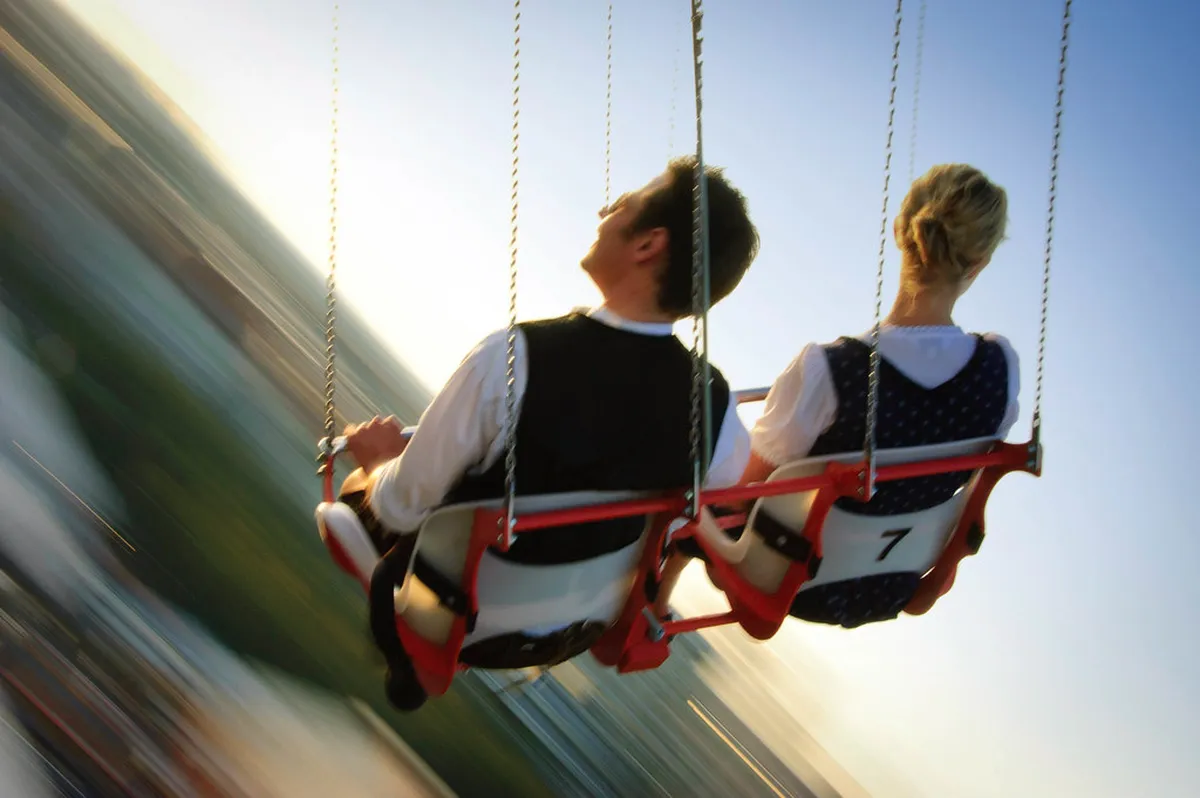
Carnival attractions beyond beer tents span 28 acres. The Riesenrad (Ferris wheel) offers a 10-minute respite with panoramic Old Town views, justifying the €9 cost. The Olympia Looping roller coaster tests nerves and balance for €11–12. The Haunted House (Spukhaus) and other ride variety prevents Oktoberfest from becoming monotonously tent-centric. Most carnival visitors spend 2–3 hours on rides spread across multiple visits rather than in continuous sessions, which improves recovery time and inebriation management.
Step 7: Finding the Best Places to Stay in Munich
Accommodation within 10 minutes of Theresienwiese minimizes late-night transportation friction. The Ludwigvorstadt neighborhood, directly south of the festival, contains most budget and mid-range hotels. Hotel Augustin, a 3-star property 8 minutes from the grounds, averages €180–250 per night during the festival and caters specifically to Oktoberfest visitors. For budget travelers, the Euro Youth Hotel and many independent hostels in this district offer dorm beds (€90–140) with Oktoberfest packages including breakfast and transport passes. Airbnb apartments in Ludwigvorstadt are similarly priced to mid-range hotels but offer kitchens for occasional meal prep.
Luxury seekers should target the DO & CO Hotel München (4-star), which overlooks the English Garden and sits 15 minutes by U-Bahn from Theresienwiese. It averages €350–500 nightly during the festival. The Hauptbahnhof area, while busy with transients, sits only 5 minutes by U-Bahn from the grounds and hosts numerous budget-to-mid-range hotels charging €100–200 per night. Camping options like Stoke Travel's designated Oktoberfest campgrounds (€40–60 per night) appeal to budget groups; they provide safe parking, secured tents, and organized coach transport to the grounds.
Booking accommodation 2–3 months in advance is critical. By July, most mid-range hotels near Theresienwiese show 80%+ occupancy. Solo travelers often mix hostel social environments (where Oktoberfest travel groups form naturally) with nearby hotels, spending nights in shared dorms (€100–130) and leveraging communal kitchens to reduce meal costs. Avoid booking directly through lesser-known platforms; major booking sites (Booking.com, Agoda) offer cancellation flexibility and dispute resolution if promised amenities disappear. Some accommodations offer "Oktoberfest packages" bundling breakfast, transport, and even dirndl rentals—these are rarely better value than booking components separately, but they simplify logistics for first-time visitors.
Insider Tactics: Solo Travelers and Table-Joining Strategy
Solo travelers face an initial barrier: tents typically seat groups at long communal tables, and empty single seats are rare. However, the festival's social culture normalizes table-joining. Scan the tent for tables with 1–2 empty spots among mixed groups, approach respectfully, and ask "Platz frei?" (space free?) or simply gesture to an empty chair. Most groups enthusiastically welcome newcomers, especially after one round of beer, when the initial social reserve dissolves. Germans view Oktoberfest as inherently social; turn-downs are rare unless a table explicitly says the seats are reserved.
Timing matters: arriving at 10:00 AM and staying through lunch increases integration chances because daytime crowds are smaller and group dynamics are calmer. By 4:00 PM, when alcohol intake peaks, table-joins become either easier (looser, more welcoming atmosphere) or harder (tables are packed and in-group bonding is stronger). Early-afternoon (11:00 AM–2:00 PM) is the sweet spot for smooth integration. Bring your Maß to a table standing area (standing areas exist inside larger tents for overflow crowds), make eye contact with someone, say "Prost," and initiate conversation. Shared love of the festival bridging nationality and language barriers is virtually guaranteed.
If solo travel feels isolating, consider booking a group tour or joining a hostel-organized Oktoberfest night out. Most Munich hostels run guided events (€35–70) that include transport, tent entry, and pre-made group seating, eliminating table-joining uncertainty. This trade-off costs more but removes social friction for first-timers uncomfortable with approach anxiety.
Planning Your Smooth Oktoberfest Visit Day
A successful Oktoberfest day follows a rhythm: arrive early (8:00–9:00 AM), secure seating by 10:00 AM, eat lunch by 1:00 PM, break for hydration and rest by 3:00 PM, return for dinner and evening festivities by 6:00 PM, and exit by 10:00–11:00 PM to catch reliable transportation. Large backpacks are prohibited; security checkpoints enforce bag restrictions (maximum 3-liter capacity). Bring a small crossbody bag, valid ID, and a hotel business card to provide to taxi drivers if you can't communicate your address clearly.
Hydration is the often-overlooked key to festival stamina. Drink water between every beer, not just at day's end. Free water fountains operate near restrooms throughout the grounds. Avoid the notorious "beer corpse" hill where overconsumers collapse; it's neither humorous nor safe. Cell service becomes spotty when millions of users load a single cell tower; pre-download offline maps of Theresienwiese and Munich to avoid navigation problems. Meeting friends at a specific landmark (the Bavaria Statue is iconic) prevents separation nightmares. Establish this plan before alcohol impairs everyone's reasoning.
Essential items: comfortable walking or dancing shoes (not traditional leather-soled ones, which can cause blisters), a portable phone battery (2–3x capacity to ensure full-day coverage), sunscreen despite cool September weather, and a light jacket for evening chill. Wear shoes that remain stable on bench surfaces if you intend to dance. Many attendees wear white sneakers with dirndls or lederhosen—this is culturally acceptable and prevents repeated blister resets throughout the day.
- Morning Setup (8:00–10:00 AM): Arrive at Theresienwiese, clear security, enter a tent, find unreserved seating, place your jacket on the chair to claim it.
- Lunch Phase (11:00 AM–2:00 PM): Order food and beer, eat while seated, integrate with table-mates through Prost exchanges and conversation.
- Afternoon Break (3:00–5:00 PM): Exit the tent, explore carnival rides, hydrate with water and snacks, rest in a quieter area.
- Evening Return (6:00–9:00 PM): Re-enter a tent, eat dinner, dance to live brass bands, maximize social interaction when energy is highest.
- Night Departure (10:00 PM+): Use U-Bahn or pre-arranged taxi back to accommodation before systems become crowded.
The Oide Wiesn Alternative and Frühlingsfest Option
The Oide Wiesn (literally "Old Oktoberfest") operates as a parallel, smaller festival within Oktoberfest's footprint. It charges a €4 entry fee (covering both entry and exit) and focuses on pre-1950s carnival traditions and beer experiences. Mechanical rides from the early 20th century, antique carousel horses, and period-accurate beer steins set a nostalgic, less-rowdy tone. Seating in Oide Wiesn tents is markedly more accessible, with shorter wait times and more single-person accommodations. Families with young children, elderly visitors, and anyone seeking a break from the main festival's energy find it invaluable. The beer quality is identical; only the atmosphere and price-point differ.
For visitors who miss Oktoberfest's dates, Frühlingsfest (Spring Festival) occurs in April–May at the same Theresienwiese location. It's nearly identical in format and atmosphere but draws fewer international visitors and lower overall crowds. Brewery tents are smaller, seating is more abundant, and the festival emphasizes light beers and spring-themed decorations. Beer prices are €0.50–1.00 lower per Maß. Frühlingsfest lacks Oktoberfest's legendary first-barrel ceremony and opening-day parade, but it delivers 85% of the cultural experience at 60% of the crowd density. If your schedule doesn't align with September–October, this April option provides a viable alternative.
Frequently Asked Questions
What are the official dates for Oktoberfest Munich 2026?
Oktoberfest 2026 runs from Saturday, September 19 through Sunday, October 4. The festival spans late September and early October, not the full month of October. Opening weekend features a ceremonial first-barrel tapping and traditional parade, while closing dates see reduced tent hours and lower overall crowds.
How do I get a table at an Oktoberfest beer tent without a reservation?
Every tent reserves 30–40% of seating for walk-ins by law. Arrive before 10:00 AM on weekdays or 8:00 AM on weekends, look for tables without white reserved cloths or reservation cards, and claim any empty seat. Weekdays before 2:30 PM offer the fastest table acquisition (10–15 minutes). Use the official Oktoberfest app to check real-time tent capacity and queue times, then target the least-crowded option.
What is the traditional dress code for men and women at Oktoberfest?
Women wear dirndls (traditional dresses) with white blouses and aprons; men wear lederhosen (leather shorts) with white socks and shirts. Approximately 90% of attendees dress traditionally. The dirndl apron bow knot signals relationship status: right (in a relationship), left (single), middle (virginity), back (widow/child/waitress). You can purchase outfits on-ground near Hauptbahnhof for €50–150, and they serve as souvenirs.
How much does a liter of beer cost at Oktoberfest?
A Maß (one-liter beer stein) costs €13–15, with prices rising as the festival progresses. Food ranges from €5–7 for sausages to €25–35 for main dishes like Schweinshaxe. Tipping €1–2 per beer per person is standard and expected for efficient service. Budget €100–150 per person for a moderate-consumption day (3–4 Maß, food, and one ride).
Is Oktoberfest Munich safe for solo female travelers?
Munich itself is very safe for solo female travelers. Oktoberfest attracts international crowds and maintains strong security presence, making the festival itself safe during daytime and evening hours. The primary risk is alcohol-related decision-making in crowd situations. Travel insurance covering accidents is advised, as bench dancing and rowdy environments occasionally cause falls or injuries. Stay with groups or at least one trusted person, keep your hotel card in your pocket, and use buddy systems when leaving tents late at night.
What is the Oide Wiesn and why should I visit it?
The Oide Wiesn is a separate nostalgic festival area within Oktoberfest featuring vintage carnival rides, antique steins, and pre-1950s beer traditions. Entry costs €4. It attracts families, elderly visitors, and anyone seeking a less-rowdy atmosphere while accessing identical beer quality and Bavarian cuisine. Seating is more accessible, and wait times are significantly shorter than in main festival tents. It's an excellent respite option during your Oktoberfest visit.
Oktoberfest is a world-class festival combining Bavarian traditions, social openness, and global celebration on a scale few festivals match. Following these seven steps—planning dates strategically, mastering transport logistics, understanding tent culture, budgeting realistically, respecting etiquette, sampling authentic food, and choosing the right accommodation—ensures you extract maximum enjoyment rather than becoming overwhelmed by crowds or logistics.
The festival rewards early arrival, cash discipline, respectful cultural engagement, and staying hydrated. Wear traditional attire as a cultural signal, not a costume; learn the Prost protocol and eye-contact ritual; join tables with confidence knowing that festival culture embraces newcomers; and enjoy Bavarian cuisine and beer in their most authentic, concentrated form. Solo travelers find unexpected friendships; groups bond over shared experience; and the mixing of nationalities and languages at a common celebration remains unique to Oktoberfest's design.
Start planning now for September 2026. Book accommodation by July, purchase your Oktoberfest schedule and check the official Oktoberfest website for date confirmations and official tent listings. Respect local customs, drink responsibly, and allow the festival's infectious energy and social generosity to create memories that last far beyond your return home.
 Best Munich Christmas Markets: 2026 Holiday GuideApril 21, 2026
 Nuremberg Christmas Market: The Ultimate 2026 GuideApril 21, 2026
 10 Essential Facts for Oktoberfest 2026 Dates & PlanningApril 21, 2026