
10 Essential Tips for Oktoberfest Tickets 2026
Planning for Oktoberfest 2026? Learn how to secure table reservations, use the official resale portal, and budget for the world's largest beer festival.
On this page
10 Essential Tips for Oktoberfest Tickets 2026
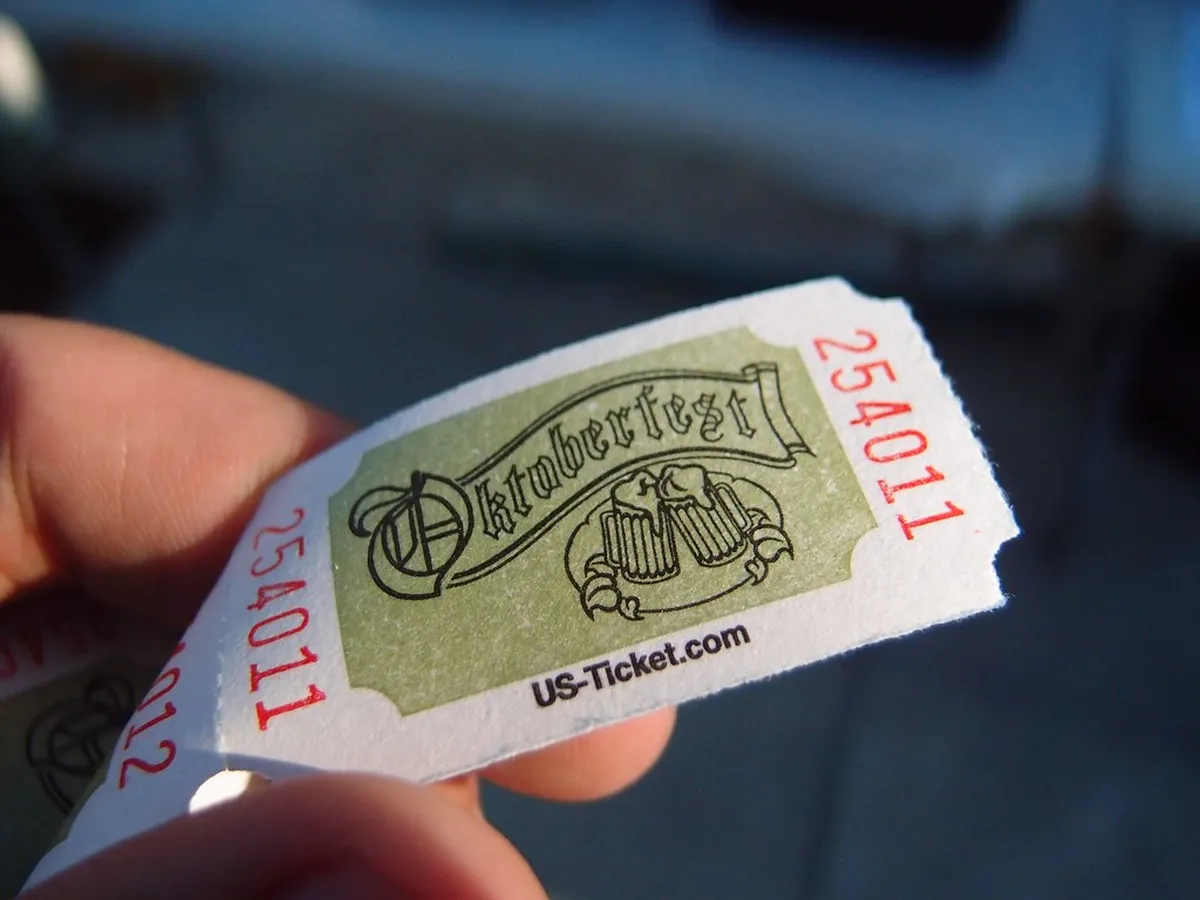
Many travelers start searching for oktoberfest tickets 2026 thinking they need a pass to enter the festival. In reality, entry to the historic Theresienwiese grounds in Munich is completely free for all visitors. The term tickets usually refers to table reservations, which are essential for groups wanting guaranteed seating. Securing these reservations requires early planning and a solid understanding of how the Bavarian tent system works.
Reservations are not technically sold as entry tickets but as pre-paid consumption vouchers. You typically pay for two liters of beer and a half-chicken to hold your spot at a table. These vouchers ensure you have a place to sit during the busy evening sessions when tents reach capacity. Understanding this distinction is the first step toward a successful and stress-free festival experience.
Planning for the 2026 season involves tracking specific release dates for each individual beer tent. Most tents begin their booking process in the spring, though some regular guests book much earlier. New visitors should focus on official channels to avoid the high prices of the secondary market. This guide will walk you through the nuances of booking and budgeting for your Munich adventure.
Whether you are a solo traveler or a large group, there is a strategy for everyone. You can enjoy the atmosphere without a reservation if you follow a few local secrets. By learning the rules of the Wiesn, you can maximize your time and your budget in 2026. Let us dive into the essential details for your upcoming trip to the world's largest folk festival.
Oktoberfest 2026: Dates, Hours, and Key Events
The official festival grounds at Theresienwiese open their gates on Saturday, September 19, 2026. This date marks the start of two weeks filled with Bavarian music and culture. You can find the full list of important dates on the oktoberfest 2026 schedule to help plan your flights. The festival concludes on Sunday, October 4, which is the final weekend.

Opening day features the famous parade of the Wiesn landlords and the breweries. At exactly noon, the Mayor of Munich taps the first barrel in the Schottenhamel tent with the ceremonial cry O'zapft is. This moment signals that the beer can officially begin to flow. Arriving early on opening Saturday is vital if you want to witness this iconic tradition and claim unreserved seating.
Beer tents generally serve drinks from 10:00 AM until 10:30 PM on weekdays. On weekends and public holidays, service starts even earlier at 9:00 AM. Most tents close their doors by 11:30 PM, though the Käfer Wiesn-Schänke and Kufflers Weinzelt stay open until 1:00 AM. Knowing these hours helps you coordinate your arrival to beat the largest crowds and maximize your festival time.
The Oktoberfest 2026 Reservation Timeline: When to Book
Timing is everything when securing reservations. Most beer tents release their booking portals between March and May 2026. Regular customers and returning groups often receive priority access in early March. New visitors should monitor tent websites starting in February to catch the exact moment reservations open for your chosen tent. This early planning window is your best opportunity to secure prime evening or weekend slots.
The booking process moves quickly. Premium tables, especially those in high-energy tents like Schottenhamel or Hofbräu on opening weekend, can sell out within hours of portal activation. A practical timeline would be: check tent websites in January and February for opening announcements, set calendar reminders for March release dates, and have your payment ready to secure reservations immediately. Some tents still accept phone reservations alongside online portals, which may offer a slight advantage during peak demand periods.
Late-stage bookings are possible but riskier. Even in July and August, some visitors cancel their reservations, creating availability closer to the festival. However, these openings are unpredictable and typically go to walk-ins rather than new bookings. For peace of mind, complete your reservations by May at the latest.
The Official Booking and Resale Portal: How to Avoid Scams
Finding a safe way to buy reservations is a top priority for international visitors. The Oktoberfest.de website provides direct links to the official booking portals for every major tent. You should always use these direct links rather than searching on generic auction websites like Viagogo or StubHub. Official portals ensure that your vouchers are legitimate and accepted at the tent entrance on your reserved date.
A dedicated resale platform called the Oktoberfest-Booking portal has been established to combat the gray market. This official exchange allows guests to trade unwanted reservations at the original price, protecting both buyers and sellers from price gouging and fraud. Secondary market sites charge substantial markups, sometimes doubling the original reservation cost. Check the official Oktoberfest-Booking portal frequently during summer months, as cancellations create availability at fair prices.
To verify you are using a legitimate platform, confirm the full tent name matches your intended venue, check that the reservation includes your specific date and time window, and ensure you receive a confirmation email with the voucher details within 48 hours. Never wire money directly to private sellers or provide personal banking information beyond what the official tent website requires. Always verify the URL begins with the official tent domain, not a suspicious third-party site. This added caution prevents thousands of euros in losses that many international travelers experience.
Beer Tent Vouchers and Redemption Benefits After the Festival
Understanding voucher mechanics unlocks significant value. When you reserve a table, you purchase pre-paid consumption vouchers, typically worth €40-€60 per person for a basic reservation. These vouchers represent tokens for two liters of beer and a half-chicken, the standard minimum consumption at most tents. The vouchers themselves are physical or digital proof of purchase that servers scan at the tent entrance.
A unique benefit many travelers overlook is voucher validity beyond Oktoberfest. If you do not use all your voucher credit at the tent, you can redeem unused amounts at partner breweries and restaurants throughout Munich until December 31, 2026. Augustiner-Bräustubn, Paulaner am Nockherberg, and Hacker-Pschorr locations accept unredeemed festival vouchers as payment. This flexibility means overestimating your consumption carries minimal risk. You can spend voucher credit on meals, beer, and merchandise at multiple locations, effectively extending your festival budget into the autumn season.
The brewing partnerships matter too. Six Munich breweries exclusively serve at Oktoberfest: Augustiner, Hofbräu, Löwenbräu, Paulaner, Spaten, and Hacker-Pschorr. Each brewery operates specific tents and serves beer from their own barrels. This means your tent choice directly determines which brewery's beer and partner restaurants accept your vouchers. Augustiner-Festhalle serves beer from traditional wooden barrels and partners with over twenty city restaurants, making it a practical choice for flexible voucher redemption.
To Reserve the Oktoberfest Tables: Big Tents vs. Small Tents
The 14 large tents offer the classic, high-energy experience most people associate with Munich. Booking a table in these venues is often a challenge due to high demand from returning guests. The large tents guarantee capacity—Hofbräu seats nearly 10,000 people across indoor and outdoor sections—and therefore the liveliest atmosphere. However, competition for reservations can be intense, particularly for opening weekend and weekend evenings throughout the festival.
You might find it easier to secure a spot in one of the 21 smaller tents. These smaller venues offer a more intimate atmosphere with 3,000-5,000 seats and often serve specialized food items like fresh fish (Fischer-Vroni) or roasted oxen (Ochsenbraterei). Smaller tents also receive fewer reservation requests, making weekday and weekend afternoon slots more available. Your experience will be equally authentic, just with fewer crowds and a different clientele—often more families and local regulars than international tourists.
If you fail to get a reservation, you can utilize the lunchtime loophole. Most tents keep a significant percentage of their tables unreserved during daytime hours. Specifically, Monday through Friday before 4:00 PM, tents must reserve no tables, leaving 100% available for walk-ins. Weekends have a slightly different rule: 40 percent of seats remain unreserved until 3:00 PM, then 25 percent after 3:00 PM. Using this oktoberfest munich guide strategy, you can experience the festival without a reservation by arriving before noon on weekdays or before 9:00 AM on weekends.
The 14 Main Beer Tents and Their Breweries
Each of the 14 large tents has its own personality and specific brewery partner. Some are known for their celebrity sightings, while others focus on traditional brass music. Choosing the right tent depends on the type of music and crowd you prefer. Refer to our oktoberfest survival guide for additional tips on tent selection.
- Schottenhamel-Festhalle (Spaten-Franziskaner beer): The iconic opening ceremony tent where the Mayor taps the first barrel. High-energy atmosphere with 6,000 indoor and 4,000 outdoor seats. Best for: First-time visitors and those wanting to witness tradition.
- Hofbräu-Festzelt (Hofbräu beer): The largest tent with 10,000 seats including a permanent standing area. Most international visitors congregate here. Best for: Groups, standing-room accessibility, and lively bench dancing.
- Augustiner-Festhalle (Augustiner beer from wooden barrels): Serves beer from traditional wooden barrels, creating distinctive flavor. 90 percent local Munich clientele. Cheapest beer at the festival (around €15.00 per Mass). Best for: Authentic Bavarian experience and budget-conscious travelers.
- Hacker-Festzelt (Hacker-Pschorr beer): Features a trompe-l'oeil blue sky ceiling creating the illusion of being outdoors. Measures 90.5 × 43 meters. Best for: Photography and visual aesthetics.
- Paulaner Festzelt (Paulaner beer): Features a recognizable 26-meter tower topped with a rotating Paulaner beer stein. One of the festival's most photogenic landmarks. Best for: International visitors and landmark photography.
- Löwenbräu-Festzelt (Löwenbräu beer): Features a mechanical roaring lion at the entrance. Known for one of the liveliest atmospheres at the festival. Best for: High-energy party atmosphere.
The Oide Wiesn: Oktoberfest's Best-Kept Secret
The Oide Wiesn is a separate area of the festival that focuses on historical traditions and requires a small entry fee of around four euros per person to enter. This section features vintage carnival rides that cost approximately one euro to enjoy. Many visitors find this area much more relaxed than the main festival grounds. Four dedicated beer tents operate here with a distinctly quieter, more nostalgic atmosphere.

The tents in this area serve beer in traditional stone mugs rather than glass. You will hear more acoustic folk music and see traditional Bavarian dancing here. It is an excellent choice for those who want to experience the festival's roots without overwhelming crowds. Tables here are often easier to find even during the busier weekend hours. Importantly, at least one-third of all Oide Wiesn seating cannot be reserved, making walk-in access far more reliable than in the main tents.
The Oide Wiesn is particularly popular with families and older festival-goers. It offers a nostalgic look at how the festival appeared in the early 20th century. You can spend several hours here exploring the museum-like atmosphere and enjoying authentic period entertainment. Be sure to check operating hours as they sometimes differ from the main tents. For travelers with flexible schedules, the Oide Wiesn provides the most accessible introduction to Oktoberfest without reservations.
Solo Traveler and Couple Guide: Finding a Seat Without a Reservation
Solo travelers and couples face a unique challenge since tent reservations require eight to ten people per table. However, this limitation creates an unexpected advantage. Many tent tables seat exactly ten people, and groups often have one or two open spots that they fill with friendly newcomers. Seek the Stammtisch (regulars' table) areas, which are informal seating zones where locals and returning visitors congregate. These areas are far less regulated than reserved sections and accept spontaneous additions throughout the evening.
The strategy is straightforward: arrive before 10:00 AM on weekdays or before 9:00 AM on weekends, when tents are less crowded. Locate a table with visible empty seats and approach with a smile and polite greeting in German (or English, as most Bavarians speak it). Offer to buy the next round of beers or snacks as a thank-you for joining. Bavarian culture is exceptionally social, and locals appreciate this gesture of gratitude. Tables with four to six people are more likely to accept newcomers than fully occupied tables of eight or more.
Alternatively, position yourself at the bar counter (Stehplatz) area, where standing room and high tables for two or three people offer the most accessible walk-in seating. The standing area in Hofbräu-Festzelt is specifically designed for solo visitors and walk-in groups. This approach guarantees you a place to enjoy the festival, participate in the traditional atmosphere, and interact with both locals and international travelers.
Complete Oktoberfest 2026 Budget Guide
Budgeting for your trip requires an understanding of the current beer and food prices. In 2026, a liter of beer, known as a Mass, will likely cost between 15 and 16 euros. You should also factor in a small tip for your server (typically 1-2 euros per round) to ensure quick service and friendly treatment. Carrying cash is still recommended, though many tents now accept cards for larger payments.
Food prices vary depending on whether you want a snack or a full meal. A traditional half-chicken usually costs about the same as a liter of beer, typically €15-€16. Soft pretzels, cheese, and sausages cost €8-€12 each. Pre-paid vouchers are the most common way to pay when you have a reservation. These vouchers often include a small processing fee when you book them online, averaging €1.50 per person for administration and admission wristbands.
One unique benefit is that many vouchers are valid in city restaurants after the festival. If you do not use all your credit at the tent, check the back of the voucher for redemption instructions. Many major breweries allow you to spend these credits at their Munich locations through December 31, 2026. Augustiner-Bräustubn, Paulaner am Nockherberg, and Hacker-Pschorr locations across the city accept festival vouchers. This flexibility adds significant value to your initial reservation investment and effectively extends your beer credit budget.
Traditional Costumes: Dirndl and Lederhosen Tips
Wearing traditional Bavarian clothing is a great way to immerse yourself in the culture. Men typically wear Lederhosen, while women wear the elegant Dirndl dress. You can find high-quality options at various shops throughout the Munich city center. Our oktoberfest dress code guide explains the meaning behind different styles and knots.
Avoid buying cheap costume versions from tourist shops near the main station. Local Bavarians take pride in their Tracht and appreciate when visitors wear authentic styles. Renting a costume is a viable option if you do not want to purchase one. This allows you to wear premium materials without the high cost of ownership. Quality rental outfits cost €50-€80 for the festival period and include all necessary components: shirt, vest, leather pants or dress, socks, and shoes.
Comfortable shoes are the most important part of your festival outfit. You will likely be standing and walking for several hours each day. Break in your shoes before you arrive in Munich to avoid painful blisters. Traditional leather shoes pair perfectly with the overall Bavarian look and provide better support than modern footwear during extended festival hours.
Getting to Oktoberfest and Where to Stay
Public transport is the most efficient way to reach the Theresienwiese grounds. The MVV-Muenchen.de website provides real-time updates on subway and bus schedules. Avoid taking taxis or driving, as many streets near the festival are closed to traffic during the festival period. The U4 (green) and U5 (yellow) subway lines stop directly at Theresienwiese station, just a five-minute walk from the festival grounds.
Finding a place to stay requires booking at least six to nine months in advance. Hotels near the main train station offer the most convenient access to the grounds. You can look for where to stay for oktoberfest to find the best neighborhoods for your budget. Prices for accommodation usually double or triple during the two weeks of the festival. Budget €150-€300 per night for mid-range hotels within walking distance of Theresienwiese.
Consider staying in nearby towns like Augsburg or Rosenheim if Munich hotels are full. The regional train network makes it easy to commute into the city for the day. This strategy can save you hundreds of euros on your total trip costs. Just ensure you check the final train times so you do not miss your ride back to your accommodations after the festival closes at night.
Practical Resources for Your Munich Trip
Staying informed is key to navigating the crowds and finding the best events. The Muenchen.de portal offers official updates on festival news and safety. Downloading the official Oktoberfest app can help you track tent capacity in real time. This tool is invaluable for finding tents that are still open to the public, allowing you to adjust your plans if your preferred venue reaches capacity.
You should also familiarize yourself with the general rules of the festival grounds. Large bags and backpacks are strictly prohibited for security reasons, with limits typically set at 20 liters or 40 centimeters width. Small bags are allowed but will be searched at the entrance gates. Learning these rules beforehand will speed up your entry process significantly and help you avoid the long lines that form throughout the day.
For more information on traveling within the region, visit eurofestguide.com/germany for regional tips. This resource provides broader context for exploring Bavaria beyond the festival. Combining the festival with a tour of the Alps or historic castles is a popular choice for many international travelers. Munich serves as the perfect base for these extended German adventures, allowing you to extend your trip from a weekend festival visit to a full-week Bavarian exploration.
Frequently Asked Questions
Do you need tickets to enter Oktoberfest 2026?
No, you do not need a ticket to enter the festival grounds or the beer tents. Entry is free for everyone. However, you should book table reservations if you want a guaranteed seat and pre-paid food vouchers for your group. Learn more about the oktoberfest 2026 schedule here.
When do Oktoberfest 2026 table reservations open?
Most beer tents begin their reservation process between March and May of 2026. Each tent operates its own booking system, so you must check individual tent websites for exact dates. Returning customers often get priority, so new visitors should act quickly when portals open.
How much does a beer cost at Oktoberfest 2026?
While official prices are announced closer to the event, a liter of beer is expected to cost between 15 and 16 euros in 2026. You should also budget for a small tip for your server. Soft drinks and water are usually slightly cheaper but still priced similarly to beer.
Can you go to Oktoberfest without a reservation?
Yes, you can absolutely enjoy the festival without a reservation by visiting during the day. Tents are required to keep a portion of their tables unreserved for walk-in guests. Arriving before noon on weekdays is the most reliable way to find an open seat.
What is the official site for Oktoberfest tickets?
The official festival website is Oktoberfest.de, which provides links to the reservation systems of all 14 large tents. Avoid using third-party ticket resellers or auction sites to prevent scams. The official resale portal is the only safe way to buy reservations from other guests.
Attending the Munich festival in 2026 is an experience that stays with you forever. By understanding that entry is free and reservations are optional, you can plan a more flexible trip. Focus on booking your accommodation early and using official portals for any table vouchers. This preparation ensures you spend more time enjoying the music and less time worrying about logistics.
Whether you choose the high energy of the main tents or the charm of the Oide Wiesn, you will find a welcoming atmosphere. Respect the local traditions, wear your Tracht with pride, and enjoy the world-class Bavarian beer. Munich is ready to welcome you for an unforgettable celebration of culture and community. Prost to your successful planning for the 2026 festival season!
 Marienplatz Christmas Market: Munich Guide 2026April 21, 2026
 Guide to the Medieval Christmas Market MunichApril 21, 2026
 Munich Christmas Market Dates: 2026 Planning GuideApril 21, 2026