Vienna Christmas Market Food: Best Festive Eats
Discover the best Vienna Christmas market food with our guide to savory snacks, sweet treats, and festive drinks. Plan your 2026 culinary trip today!
On this page
What to Eat at a Vienna Christmas Market in 2026
Vienna transforms into a magical winter wonderland filled with the scent of roasted nuts and spices.
Exploring the wooden stalls reveals a rich tradition of festive Austrian street food and warm hospitality.
Visitors will find everything from hearty sausages to delicate pastries as they wander through the city center.
Our guide highlights the must-try dishes for your seasonal visit to ensure you do not miss a bite.
Savory Vienna Christmas Market Food Staples
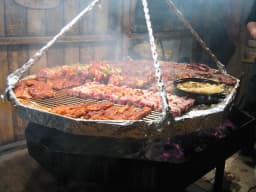
Start your food journey with a classic **Käsekrainer**, which is a savory sausage filled with melted cheese. These hearty snacks usually cost between €6 and €8 at most city stalls during the holiday season. Local vendors often serve them sliced with a side of sharp mustard and dark bread for a filling meal.
**Langos** is another crowd favorite consisting of deep-fried dough rubbed with fresh garlic water. While originally Hungarian, this oily treat has become a staple of the Vienna Christmas markets experience. Expect to pay around €5 for a plain version or more for sour cream and cheese toppings.
Look for **Bauerngröstl** if you want a rustic pan-fried dish made of potatoes, onions, and leftover meat. It provides a satisfying meal for those spending long evenings in the crisp winter air. Most servings come in a small cardboard bowl that makes it easy to eat while standing by a heater.
Vegetarians should keep an eye out for **Kartoffelpuffer**, which are crispy potato pancakes served with garlic sauce. These are often made fresh on large griddles and offer a hot, crunchy snack for a few Euros. They are perfect for sharing with friends while you browse the nearby craft stalls.
**Bratwurst** and other sausage varieties line almost every stall, though prices at markets are significantly marked up compared to traditional Würstelstands (sausage stands) just outside the markets. For better value, seek these standalone vendors for long-standing traditional selections at fairer prices.
- Classic Austrian Cheese Sausage
- Type: Savory Meat
- Best for: Quick Lunch
- Cost: €6 to €8
- Tip: Watch for hot cheese
- Garlic Fried Dough Snack
- Type: Fried Dough
- Best for: Sharing
- Cost: €5 to €7
- Tip: Ask for extra garlic
- Hearty Potato and Meat Pan
- Type: Potato Hash
- Best for: Cold Nights
- Cost: €8 to €10
- Tip: Very filling portion
Essential Sweet Treats for Winter
No visit is complete without tasting **Kaiserschmarrn**, a fluffy shredded pancake dusted with powdered sugar. Most stalls serve it with a side of tart plum compote to balance the rich sweetness. A generous portion typically costs about €7 to €9 depending on the specific market location.
Warm your hands with a bag of **Maroni**, which are chestnuts roasted over an open fire. These simple snacks are naturally gluten-free and perfect for snacking while you walk through the crowds. You can find small bags for roughly €4 at almost every major entrance point in the city.
Visit the Schönbrunn Christmas market for high-quality artisanal pastries and traditional gingerbread treats. Many vendors offer samples of **Lebkuchen**, which is a dense, spiced honey cake often shaped like hearts. These treats make excellent gifts if you can resist eating them before you get home.
Don't overlook the **Schaumbecher**, which are chocolate-covered marshmallow cones that children and adults both love. They come in various flavors like coconut, strawberry, or classic dark chocolate for a light dessert. These usually cost around €2 each, making them an affordable way to end your culinary tour.
**Bauernkrapfen** and **Krapfen** (filled doughnuts) appear at nearly every market, offering warm, cinnamon-dusted pastries often stuffed with plum jam or custard. These traditional pastries provide authentic Viennese comfort food at €3 to €5 per piece.
- Shredded Pancake with Plum Sauce
- Type: Sweet Pastry
- Best for: Dessert
- Cost: €7 to €9
- Tip: Share a portion
- Roasted Chestnuts in Paper Bags
- Type: Healthy Snack
- Best for: Hand Warmer
- Cost: €4 per bag
- Tip: Eat them while hot
- Traditional Spiced Honey Cakes
- Type: Spiced Cake
- Best for: Souvenirs
- Cost: €5 to €12
- Tip: Lasts for weeks
Hot Drinks and the Mug Deposit System
**Glühwein** (mulled wine) and **Punsch** (fruit punch with spirits) are the primary drinks that keep visitors warm during freezing Austrian nights. Flavors range from classic orange and cinnamon to modern berry or non-alcoholic versions for younger guests. A standard mug usually costs between €4 and €6 plus a small additional deposit fee.
The **Pfand** (mug deposit) is a unique system where you pay extra for the ceramic cup. You typically pay €3 to €5 extra as a deposit, which you can return immediately to any stall for a full refund. Many markets design new mugs every year, which makes them very popular collectibles for international travelers. If you want to keep the mug as a souvenir, simply don't return it—you've already paid for it.
**Lumumba** is a boozy hot chocolate that deserves special attention. This rich drink combines hot chocolate with a generous shot of rum or liqueur, creating a warming winter treat that's more indulgent than standard Glühwein. Expect to pay €5 to €7 for this premium option.
**Feuerzangenbowle** (fire tongs punch) is the most spectacular drink you'll encounter at Vienna's markets. This theatrical beverage features a sugar cube soaked in rum, suspended on tongs above your mulled wine. The sugar is set ablaze, melting into the drink below as the flames dance. It's a memorable experience worth watching even if you skip the punch itself—just keep your eyebrows away from the fire!
Check the Vienna Christmas market dates to see when specific drink stalls open for the season. Some locations offer a Turbo Punsch that includes an extra shot of rum or local brandy. Always drink responsibly while you navigate the narrow and crowded pathways of the city center.
Tea and hot chocolate are also widely available for those who prefer to avoid alcohol. These drinks often come topped with whipped cream or a dash of festive spice for extra flavor. Prices for non-alcoholic hot drinks are usually a bit lower than the wine-based options.
- Hot Spiced Wine for Cold Nights
- Type: Alcoholic Drink
- Best for: Tradition
- Cost: €4 to €6
- Tip: Try the white wine version
- Fruit Punsch with Souvenir Mugs
- Type: Sweet Drink
- Best for: Variety and Collecting
- Cost: €4 to €6 plus €3-€5 deposit
- Tip: Keep the mug as a memory
- Fire-Tongs Sugar-Cube Punch
- Type: Spectacle Drink
- Best for: Memorable Experience
- Cost: €5 to €7
- Tip: Watch the flaming sugar melt
Specialized and Unique Market Drinks
Beyond the classics, Vienna's markets offer innovative punch creations that showcase local creativity. **Lavender Glühwein** blends floral notes with spiced wine for a more refined take on tradition. Some markets feature **Sissy Punsch** and **Franz Josef Punsch** (named after the Habsburg royal couple), which blend cherry and amaretto for a distinctly Austrian flavor profile.
Look for **Elf Punsch** (elf punch) featuring vanilla, whipped cream, and tropical fruit notes—a sweeter option popular with visitors seeking something beyond standard mulled wine. Markets like Spittelberg showcase **Passionfruit Punsch** and other exotic variations that change year to year based on vendor preference.
**Mulled apple cider** and **glühbier** (mulled beer) appear at select stalls, though the latter is an acquired taste best experienced first rather than ordered blindly. For non-drinkers, **Kinderpunsch** (children's punch) offers spiced fruit juice warmth without alcohol.
Best Markets for Specific Foodies
The Rathausplatz Christmas market offers the widest variety of international and local food options. You will find massive pretzels and elaborate chocolate-covered fruits near the large outdoor ice rink. This location is often the busiest, so arrive before 4:00 PM to avoid the longest lines. As of 2026, three-quarters of offerings here meet organic and sustainability standards.
Head to the **Spittelberg market** if you prefer a more intimate atmosphere with organic and regional specialties. The narrow lanes feature stalls selling baked potatoes and homemade liqueurs from small local farms. It feels less commercial than the larger squares and focuses on high craft quality and unique flavors. You'll discover fusion offerings like Filipino sausage bao and creative potato pancake variations unavailable elsewhere.
For a more regal dining experience, the market at **Belvedere Palace** serves sophisticated snacks with a stunning view. You might find venison stews or gourmet cheese platters paired with local Austrian white wines. Prices here can be slightly higher, but the majestic backdrop is worth the extra expense for many.
Families often prefer the market at **Maria-Theresien-Platz** for its spacious layout and kid-friendly food options. There are plenty of sweet stalls and simple snacks that appeal to younger palates without long wait times. This market sits conveniently between the two major national museums in the city center. Note that this market underwent renovation in 2025 and may have limited hours in 2026—check ahead before visiting.
**Schönbrunn Palace** market offers 90+ stalls with sprawling palace grounds, making it feel less cramped than downtown locations. Look for **Selchfleischknödel** (potato dumplings with smoked meat), sausage pralines (yes, really), and Schönbrunn-branded specialty items. The curling rink and multiple dining huts make this an excellent all-day destination.
Do Vienna Christmas Market Vendors Take Cash or Card?
At most market stalls in Vienna, you can pay with either cash or card, but important exceptions exist. Some markets like Winter in MQ enforce cash-only policies across many (if not all) vendors. Larger markets like Rathausplatz accept both payment methods widely, though smaller vendors may prefer cash.
If paying by card, be aware that some stalls impose minimum spend requirements (typically €10-€20). To avoid disappointment and long negotiations, withdraw cash from a bank ATM before arriving at the markets rather than using standalone ATMs on-site, which often charge steep fees.
Many markets charge €1-€2 for bathroom access, which requires coins. Plan ahead by bringing sufficient small Euro bills and change. A clever hack many travelers use: pay for a drink with a credit card, then return the mug to collect your deposit in cash—this helps you replenish Euros without excessive ATM fees.
Practical Tips for Eating Outdoors
Most food stalls in Vienna still prefer cash, especially for smaller items like snacks or drinks. While some larger vendors now accept cards, carrying small Euro bills will save you significant time in line. ATMs are usually located near the market entrances but often have very long queues during peak hours.
**Timing your visit strategically** makes a massive difference in your experience. Markets typically open between 10 AM and 12 PM and close at 9-10 PM. Visit during daylight hours (10 AM-4 PM) to enjoy thinner crowds and better visibility of all food options. If you return in the evening after 7 PM, expect shoulder-to-shoulder crowds with minimal seating. The 6-8 PM window is the absolute busiest period when standing tables become impossible to find.
Finding a place to sit can be difficult since most markets primarily use high standing tables. Look for the Punsch huts which sometimes offer covered areas to shield you from the wind or snow. Sharing a table with strangers is common and a great way to meet fellow travelers from around the world.
Check the best Christmas market in Vienna guide to find locations with the most available seating. Some smaller markets provide heated tents or benches for a much more comfortable dining experience. Plan your heaviest meal for the early afternoon when the crowds are significantly thinner.
Dress in several layers to stay warm while you eat your meal in the open air. Standing still for long periods can make you feel the cold much faster than when you are walking. Wearing gloves with removable fingertips can make handling small food items much easier in the freezing temperatures.
Common Christmas Market Food Mistakes to Avoid
Don't assume all Christmas market food is locally made or organic—many vendors source mass-produced goods from across Europe. If authenticity matters to you, seek out markets like Spittelberg and Karlsplatz that emphasize local producers and organic standards.
Avoid overspending on sausages inside the markets; prices are substantially marked up compared to traditional Würstelstands just outside the market perimeter. Same rule applies to chocolate-covered fruits and other items you'll spot repeated across multiple stalls.
Don't judge a drink by its queue—Feuerzangenbowle looks spectacular but sometimes has more theatrical than flavor. Try one if you're curious, but don't feel obligated to hunt it down; simpler punsch varieties often taste better.
Never forget to check the mug booth location when returning your deposit. At large markets like Rathausplatz, it's easy to lose track, so snap a quick photo of the booth when you order. Trying to cut the return line will earn you stern lectures from locals—return etiquette matters!
Skip **Glühbier** (mulled beer) unless you're genuinely curious. Most visitors find it unpleasant compared to wine-based alternatives.
Austria Christmas Traditions Beyond the Food
Vienna's Christmas markets represent centuries of Austrian holiday tradition. The oldest market dates to 1722 at Freyung square, making Vienna a pioneer of the modern Christmas market concept now replicated across Europe.
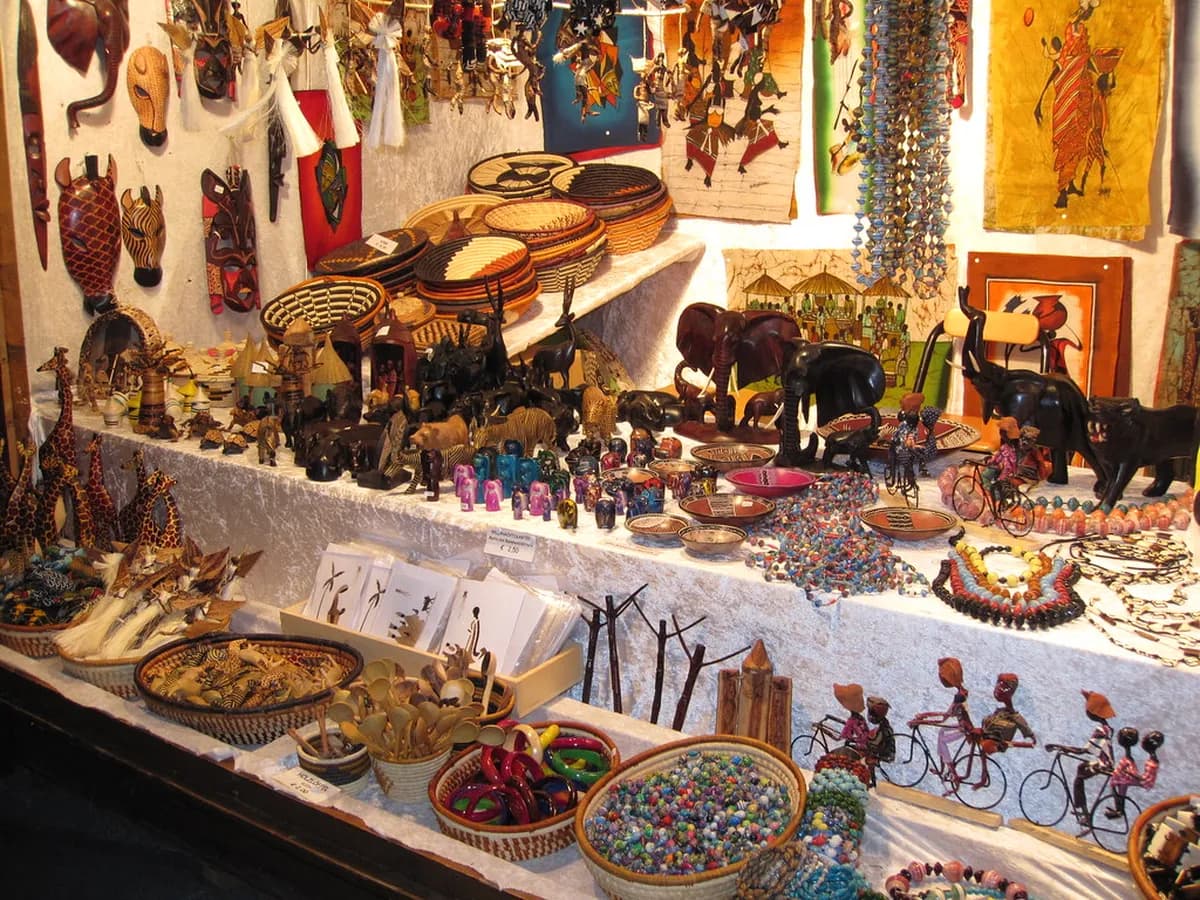
Beyond food, markets celebrate Advent through live music performances, theater presentations, and arts demonstrations on outdoor stages. Many markets feature elaborate nativity scenes and hand-carved Christmas decorations that reflect Austrian craftsmanship.
The mug collection tradition itself is uniquely Austrian—each year's limited-edition designs become collectibles for returning visitors. Some travelers organize visits specifically to collect a mug from every major market.
Markets like Karlsplatz emphasize organic producers and sustainability standards, reflecting a broader Austrian commitment to environmental consciousness. By 2026, many major markets enforce vendor sustainability requirements, making them not just food destinations but showcases of eco-conscious commerce.
How to Plan a Smooth Vienna Christmas Market Food Tour
Vienna has 20+ official Christmas markets concentrated in the city center. Rather than attempting all of them, focus on 3-5 based on your interests. Budget at least 2-3 hours per market for a proper food and browsing experience.
**Day 1 plan:** Start at Stephansplatz early (11 AM opening, fewer crowds) for classic items and baseline experience. Walk to nearby Am Hof market in early afternoon. End with evening light viewing at Rathausplatz (arrive before 8 PM to secure seating).
**Day 2 plan:** Head to Spittelberg mid-morning for local artisan focus and unique fusion foods. Afternoon visit to Schönbrunn Palace for maximum space and palace backdrop photography. Evening drinks at a smaller market like Belvedere for intimate atmosphere.
**Pro tip:** Combine markets geographically to minimize travel time. Stephansplatz, Am Hof, and Altwiener at Freyung are within 10-minute walks. Maria-Theresien-Platz and Winter in MQ are adjacent. This clustering lets you maximize food variety while minimizing transit.
Check opening dates before planning—most markets run from mid-November through December 23, with some extending to January 6. Markets close Christmas Day and open limited hours Christmas Eve.
Frequently Asked Questions
What is the most famous food at Vienna Christmas markets?
The most famous food is the Käsekrainer, a sausage filled with melted cheese. You should also try Kaiserschmarrn, which is a shredded pancake served with fruit. These items are available at almost every market across the city and offer a true taste of Austrian tradition.
How much does food cost at the markets?
Most snacks and small meals cost between €5 and €12 per portion. Drinks usually range from €4 to €6, excluding the mug deposit fee. You can find more detailed price guides on official sites like Euro Fest Guide before you travel.
Are there vegetarian options available at the food stalls?
Yes, there are many vegetarian options like Langos, roasted chestnuts, and potato pancakes. Many stalls also serve gourmet cheese noodles known as Käsespätzle. You will find that most markets cater well to different dietary needs with clearly labeled signs.
Can I keep the Christmas market mugs as a souvenir?
You can keep any mug by simply not returning it to the stall for your deposit. This deposit usually costs between €3 and €5 depending on the market. It is a very common way for tourists to take home a piece of the holiday spirit.
Eating your way through Vienna is a highlight of any winter trip to Austria. From savory sausages to sweet pancakes and theatrical fire-tongs punch, the variety of flavors is truly impressive for every traveler. Remember to bring cash, plan your timing strategically to avoid evening crowds, and embrace the Austrian tradition of collecting market mugs. Enjoy the magical atmosphere as you explore the best food the city offers this season.
 Best Christmas Market Vienna: 2026 Festive GuideApril 21, 2026
 10 Best Budapest Christmas Market Food Treats for 2026April 21, 2026