
Vienna Christmas Market Dates: 2026 Planning Guide
Plan your holiday with the official vienna christmas market dates. Discover opening times, top locations, and expert tips for a magical 2026 winter trip.
On this page
Essential Vienna Christmas Market Dates and Expert Tips
Vienna transforms into a sparkling winter wonderland as the holiday season approaches each November. Knowing the exact vienna christmas market dates helps you catch the grand openings and festive lights. Most markets begin in mid-November and continue until the day after Christmas or early January. Planning ahead ensures you secure the best accommodation near the city's most iconic town squares.
The city hosts over a dozen distinct markets ranging from traditional crafts to modern culinary delights. Each location offers a unique atmosphere that reflects the history of its surrounding neighborhood. Travelers often find that visiting multiple sites provides a comprehensive look at Austrian holiday traditions. Early visitors enjoy the full selection of handmade ornaments before the December rush begins.
This guide covers everything from opening ceremonies to the late-season New Year transitions. You will find practical details on operating hours and the best times to avoid large tourist groups. Prepare for a magical journey through the illuminated streets of one of Europe's most festive capitals.
Why Visit Vienna at Christmas
Vienna during the holiday season offers something few European cities can match: imperial grandeur wrapped in festive magic. The architecture itself—baroque palaces, gothic cathedrals, centuries-old town squares—becomes even more enchanting when lit by thousands of twinkling lights. Walking through streets decorated with elegant gold garlands and soft amber lighting feels like stepping into a postcard from the 1800s.
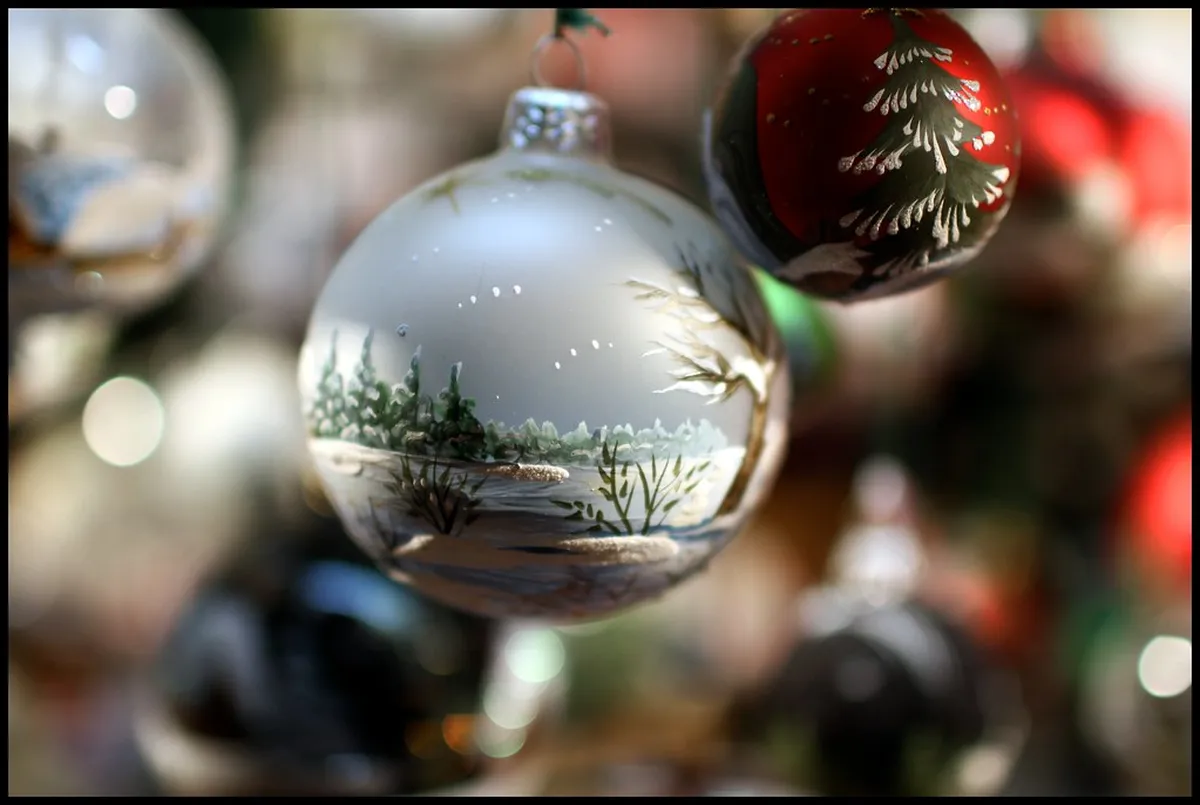
The cultural authenticity sets Vienna apart. Unlike commercialized winter festivals, Vienna's vienna christmas market food traditions remain genuinely Austrian. Vendors sell handmade goods passed down through generations: hand-blown glass ornaments, intricately carved wooden nativity sets, embroidered linens, and leather goods. You'll meet craftspeople who can tell you the exact techniques their families have used for decades.
What many travelers don't expect is the affordability. Entrance to every market is free. A mulled wine costs 4-6 EUR, and traditional pastries run 3-5 EUR. Even shopping for handmade ornaments, you'll find quality pieces for 8-15 EUR—less than you'd pay for mass-produced souvenirs elsewhere. Budget travelers can experience the full Christmas magic with strategic planning.
The atmosphere shifts throughout December. Early November feels intimate and local. Mid-December peaks with energy and crowds. Late December turns quieter and more contemplative as locals gather for post-work drinks. Each phase offers a distinct experience, so timing your visit shapes the mood you'll encounter.
Understanding Vienna Christmas Market Dates
Visitors often arrive in mid-November to witness the first lights illuminating the city's historic squares. Most major locations finalize their vienna christmas market dates by late summer to accommodate international travelers. You should expect the grandest displays to remain active until the late evening on December 26. Some smaller community markets may only operate on specific Advent weekends during the month.
The Rathausplatz Christkindlmarkt usually serves as the centerpiece for early arrivals starting around November 14-15. This iconic venue offers over 150 stalls and an expansive ice skating rink for all ages. Planning a trip during the first two weeks of December provides the best balance of inventory and energy. Stalls typically open at 10:00 AM and welcome guests until 9:00 PM or later on weekends.
While the atmosphere is festive throughout December, the energy shifts as the holiday draws closer. Weekend crowds can become quite dense after the sun sets and the fairy lights flicker on. These peak times offer the most vibrant social scene but require more patience for food queues. Midweek visits allow for a slower pace when browsing delicate glasswork and wooden toys.
Travelers should note that some markets close early on Christmas Eve to allow vendors family time. Checking the specific closing times for December 24 is vital for planning your holiday dinner. Most central locations resume normal operations on the morning of December 25 for local celebrations. A few select venues even extend their season to bridge the gap into the new year.
Best Vienna Christmas Markets by Experience
Each major square in the city follows a slightly different calendar based on local permits and traditions. Rather than all markets feeling identical, Vienna's markets have distinct personalities. Choosing which ones to visit depends on what you're seeking: Instagram-worthy grandeur, intimate local atmosphere, artisan shopping, or family-friendly rides.
Rathausplatz (City Hall Christmas Market) is the most famous. Dates run November 14 to December 26, 2026, with over 150 stalls surrounding City Hall's neo-gothic facade. A towering Christmas tree, elegant carousel, ice skating rink, and Ferris wheel create a fairytale backdrop. Peak crowds arrive after 5 PM and on weekends. Best for: first-time visitors, families, photographers. Expect shoulder-to-shoulder crowds on Friday and Saturday evenings. The €1 restroom fee can be avoided by using facilities at nearby cafes. Multiple heated wooden huts provide shelter during cold snaps.
Schönbrunn Palace Market (November 6, 2026 – January 6, 2026) sprawls across the imperial courtyard with 90+ stalls, a curling rink, ice skating, carousel, and Ferris wheel. The palace itself glows softly in the background. This market stays open longest, making it perfect for post-Christmas travelers or New Year visits. High tables dotted around provide sitting space. Best for: leisurely browsing, visitors combining palace tours with market exploration, those seeking fewer crowds than Rathausplatz. The spacious layout feels less overwhelming even on busy days.
Belvedere Palace Village (November 14 – December 31, 2026) offers a more intimate scale. Small wooden huts arranged like a miniature Christmas village create a storybook atmosphere. This market emphasizes high-quality handmade crafts—you'll meet glass-blowers, woodcarvers, and textile artisans demonstrating their techniques. Best for: serious shoppers seeking one-of-a-kind gifts, couples seeking romantic evenings, visitors who prefer quality over quantity. Afternoon golden light transforms the baroque palace facade into a postcard view.
Spittelberg Market (November 14 – December 23, 2026) winds through narrow cobblestone alleyways of the historic 7th district. Over 120 stalls spread across five streets create a treasure-hunt atmosphere. Street-level art galleries open during market season. This market emphasizes handmade goods over commercial souvenirs. Best for: those seeking authentic local character, visitors comfortable navigating winding streets, photographers drawn to historic architecture. Fewer food vendors here, so eat before arriving. The narrow alleys can feel crowded but more manageable than Rathausplatz.
Am Hof Market (November 14 – December 23, 2026) occupies Vienna's oldest square, ringed by baroque buildings and centuries of history. This market feels more local, especially during weekday daytime hours. Food quality consistently ranks high—glühwein vendors take pride in complex spice blends, and traditional Austrian snacks taste authentically prepared. Best for: visitors seeking local atmosphere over tourist spectacle, food-focused travelers, those visiting on weekdays when crowds are lighter. Evening visits bring urban energy and romantic lighting without overwhelming density.
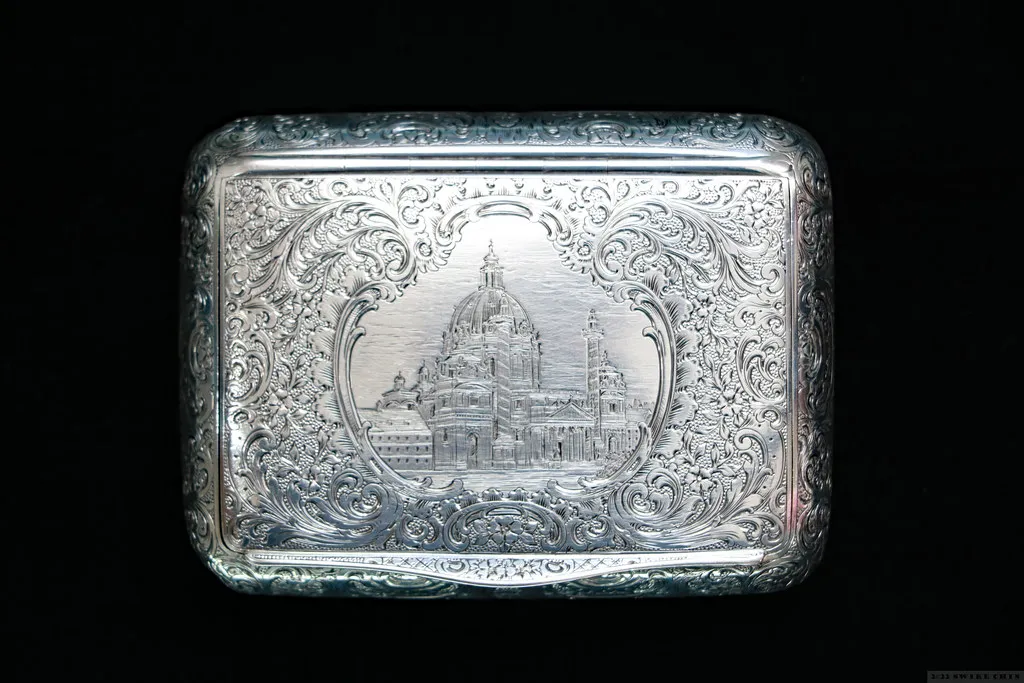
Karlsplatz Art Advent (November 21 – December 23, 2026) sits in front of the Karlskirche cathedral, emphasizing contemporary Austrian design and artisan crafts rather than traditional ornaments. This market appeals to those seeking modern gifts. Hours: 12:00 PM – 8:00 PM daily. Best for: design-conscious travelers, those seeking unique souvenirs, visitors on budget (lower prices than palace markets). Note: This market's food offerings are less developed than others; plan meals at different venues.
Food and Drink at Vienna Christmas Markets
The food scene is central to the Vienna Christmas market experience. Traditional Austrian holiday cuisine has evolved over centuries, and you'll taste the difference between mass-produced festival fare and handmade specialties.
Glühwein (Mulled Wine) is the quintessential drink. Expect to pay 4-6 EUR for a mug, which often includes a small deposit (1-2 EUR) refundable if you return it. Red wine versions are standard, but vendors also offer creative variations: Punsch (punsch) blends with fruit juices, spiced cider, and specialty combinations like hot Aperol Spritz or champagne-based warmers. The same mug system applies—each market issues its own souvenir mug, making collection a tradition for repeat visitors.
Kiachl is a fried pastry revelation. This traditional Austrian specialty appears as a crispy, hand-sized pastry served warm with tart fillings: cranberry sauce, sauerkraut, or plum jam. The contrast between sweet dough and acidic topping creates complexity most festival foods lack. Found reliably at Rathausplatz and larger markets (3-5 EUR).
Lebkuchen (gingerbread) goes far beyond simple cookies. Austrian lebkuchen features elaborate decorated hearts, detailed houses, and cookies shaped like pretzels and Christmas trees. Spice blends include cinnamon, cloves, cardamom, and sometimes black pepper. Expect 2-4 EUR for quality pieces. These make excellent gifts and travel well.
Käsespätzle (cheese noodles) are hearty and warming. Eggy noodles tossed with melted cheese and crispy fried onions cost 6-8 EUR. Local standards vary; vendors take pride in their recipes. A perfectly done version rivals restaurant quality.
Roasted Chestnuts serve dual purposes: hand warmers and snacks. Vendors roast them fresh throughout the day; the aroma draws crowds. Sold in paper cones for 3-4 EUR, they're ideal for walking and shopping.
Bratwurst and Schnitzel provide substantial meals when you want more than pastries. Prices run 6-9 EUR. Quality varies; seek vendors with lines of locals rather than those primarily targeting tourists.
Apfelstrudel and Pastries rival restaurant versions, especially when served warm with vanilla sauce or whipped cream. 4-6 EUR for generous portions. Eating warm strudel while snow falls around you feels quintessentially Austrian.
Payment methods vary. Cash remains king; many smaller vendors accept only coins and bills. Larger established stalls increasingly accept cards, though some impose 10-15 EUR minimums. ATMs dot the city center, but evening lines can form. Plan to carry 40-60 EUR in cash per person for food and drinks.
Best Times to Visit for Avoiding Crowds
Crowds in the city reach their peak during the four Advent weekends leading up to Christmas. If you prefer a quieter experience, aim to visit on a Monday or Tuesday morning. Most markets are surprisingly peaceful before the lunch hour begins at noon. Sampling the vienna christmas market food is much easier without long queues.
Weekday afternoons offer a pleasant middle ground for those who enjoy a bit of bustle. Local office workers often stop by for a quick snack between 4:00 PM and 6:00 PM. This period provides a lively atmosphere without the overwhelming density of Saturday nights. You can easily find a standing table to enjoy your chestnuts and mulled wine.
Morning visits are ideal for photographers wanting clear shots of the festive decorations. The soft daylight highlights the intricate details of the handmade wooden stalls. Vendors are often more available for quick chats about their crafting techniques early in the day. You might even catch the scent of fresh gingerbread being delivered to the stalls.
Light levels are best for atmosphere just after the sun disappears below the horizon. Blue hour provides a stunning contrast between the deep sky and the warm golden lights. Plan to arrive around 4:30 PM to capture the most beautiful visual transition of the day. Remember that temperatures drop quickly once the sun goes down in the Austrian winter.
For accessibility, morning and early afternoon hours work best. Crowds thin, vendors have fresher stock, and wheelchair navigation is easier with fewer pedestrians. Multiple heated huts at larger markets (Rathausplatz, Schönbrunn) provide resting spots for those who tire easily in cold weather.
Where to Stay Near the Markets
Location shapes your Christmas market experience significantly. Staying in the right neighborhood minimizes travel time and keeps you in the festive atmosphere throughout your stay.
Innere Stadt (Vienna's Old Town) is the top choice. This UNESCO-listed medieval district puts you within walking distance of Rathausplatz, Am Hof, and Stephansplatz markets. The 1st District has excellent public transport connections to Schönbrunn, Belvedere, and Spittelberg. Hotels range from budget guesthouses (60-80 EUR/night) to luxury properties (150+ EUR/night). Walking the area after market visits offers charming Christmas-decorated alleyways and late-night cafes.
Neubau District (7th) is home to Spittelberg market and offers a younger, more local vibe. Fewer international tourists base themselves here, making it easier to connect with Viennese Christmas traditions. This district has excellent bookshops, vintage stores, and cafes. Hotels range 50-120 EUR/night. A 10-minute tram ride reaches Rathausplatz.
Wieden District (4th) near Karlsplatz offers a quieter alternative. Less touristy than Innere Stadt but still central. Walk to the Naschmarkt (Vienna's daily food market) for fresh groceries. Tram lines connect easily to all major Christmas markets. Hotels: 55-100 EUR/night.
Booking early (September-October) is essential for December stays. Once November arrives, availability shrinks and prices spike. Multi-night stays (4-5 nights) allow you to experience different markets at various times—early evening crowds on Thursday, weekend nights, and quiet Tuesday mornings.
The Post-Christmas Transition and New Year Markets
Many tourists assume the festivities end abruptly on the night of December 24. However, several major locations transition into New Year markets starting on December 27. The schonbrunn christmas market guide highlights how this venue stays open into early January. This extension allows late-season travelers to enjoy the holiday spirit without the pre-Christmas rush.
Schönbrunn and Maria-Theresien-Platz are the primary spots for post-Christmas celebrations. These markets swap some traditional holiday items for New Year charms and lucky symbols. You will find small pigs, four-leaf clovers, and chimney sweeps made of marzipan or glass. The food and drink options remain largely the same for these extended dates.
These late-season markets typically conclude their run by the first weekend of January. Checking the calendar for January 4 or 6 is important if you arrive after the New Year. The city begins dismantling the larger wooden structures shortly after the final Epiphany holiday. Quiet streets return as the winter season moves into its colder, more tranquil phase.
Selecting the right dates for a late-season trip offers a unique perspective on the city. While some of the initial magic fades, the lack of massive crowds creates a more intimate feel. You can often find discounted items as vendors clear out their seasonal inventory. This is a great time for those who prioritize exploring the city's museums alongside the markets.
Practical Logistics for Your Festive Trip
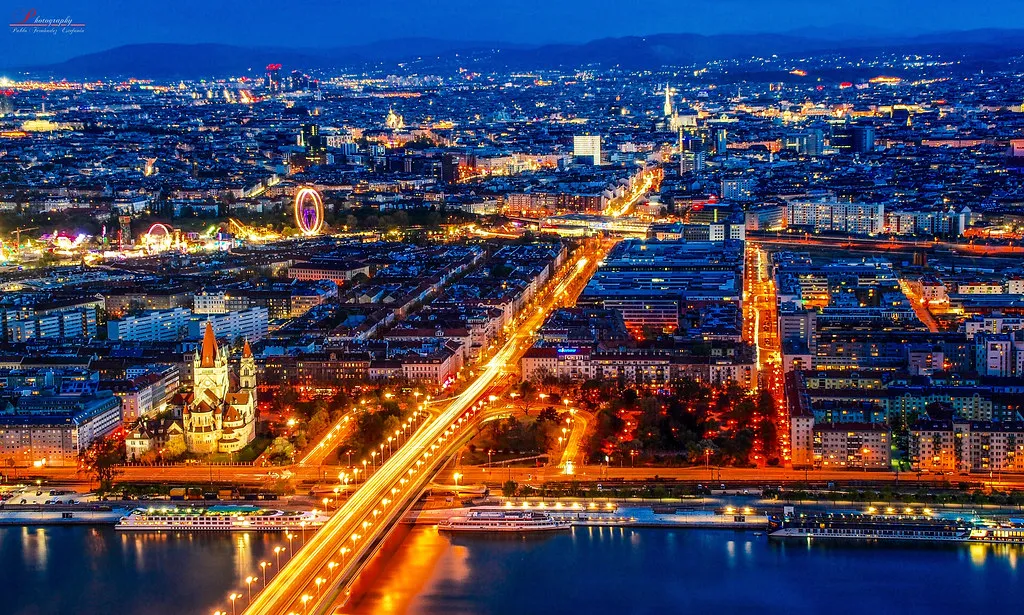
Transportation across the city is efficient and connects every major market via the U-Bahn system. Most festive hubs sit within a short walk of a subway station or tram stop. Purchasing a multi-day transport pass is the most cost-effective way to see different vienna christmas markets. The lines U1, U2, and U3 are particularly useful for reaching the central holiday zones.
Cash remains the preferred payment method for many small stall owners in the city. While some larger vendors accept cards, having Euros on hand will save you time. Expect to pay a small deposit of 4 or 5 Euros for your collectible ceramic mug. You can return the mug to any stall at that specific market to get your deposit back.
Public restrooms are available at the larger markets but may require a small fee (0.50-1.00 EUR). Carrying coins like 50 cents or 1 Euro is helpful for accessing these facilities. Staying hydrated is important even in the cold, so balance the punch with plenty of water. Many markets also offer non-alcoholic Kinderpunsch for those who prefer a sweet, warm drink.
Visiting during the holiday season requires warm layers and comfortable walking shoes. The cobblestone streets can be slippery if there is a light dusting of snow or ice. Thermal socks and a good hat will make your evening exploration much more enjoyable. Most travelers spend at least three to four hours outdoors during a typical market crawl.
For visitors with mobility concerns, request accessible routes when arriving. Several markets (Rathausplatz, Schönbrunn) have wheelchair-accessible pathways and heated seating areas. Flat sections near food vendors at Am Hof make that market easier for those with limited mobility. Plan shorter visits (1-2 hours) if cold exposure is a concern; the heated huts at major markets provide breaks.
Frequently Asked Questions
What are the typical Vienna Christmas market dates for 2026?
In 2026, most markets will open around November 13 or 20 and run until December 26. Some iconic spots like Schönbrunn extend their dates into the first week of January. Always check specific venue calendars for the most accurate Austrian holiday schedules before booking.
Are the markets in Vienna open on Christmas Day?
Yes, many major markets remain open on December 25, though they may have shorter hours. Locations like Rathausplatz and Schönbrunn typically welcome guests for holiday afternoon strolls. It is a popular tradition for locals to visit for a festive drink after their morning celebrations.
Which Vienna Christmas market stays open the longest?
The market at Schönbrunn Palace usually has the longest duration, often staying open until January 4 or 6. It transitions from a Christmas market to a New Year market on December 27. This makes it the best choice for travelers visiting the city after the main holiday has passed.
Do I need to pay an entrance fee for the markets?
Most Christmas markets in the city are free to enter and do not require tickets. You only pay for the food, drinks, and crafts you choose to purchase. A few specific events or concerts within the market grounds might have a separate admission cost for attendees.
Planning your trip around the vienna christmas market dates ensures a holiday filled with light and tradition. Whether you visit in early November or late December, the city offers an unforgettable atmosphere. Each market provides a different slice of Austrian culture through its unique food and handmade crafts. Take the time to explore both the famous squares and the hidden neighborhood gems.
Remember to dress warmly and keep some cash ready for those delicious seasonal treats. The memories of sipping warm punch under the glow of the City Hall will last a lifetime. Vienna truly earns its reputation as one of the world's premier holiday destinations every winter. Start booking your 2026 travel arrangements early to experience this magic for yourself.
 Berlin Christmas Market Dates 2026: Complete GuideApril 21, 2026
 Best Christmas Market Vienna: 2026 Festive GuideApril 21, 2026