
Marienplatz Christmas Market: Munich Guide 2026
Visit the iconic Marienplatz Christmas Market in Munich. Get tips on food, dates, and local traditions for your festive 2026 holiday adventure.
On this page
Complete Guide to the Marienplatz Christmas Market
Munich transforms into a winter wonderland every December as the holiday spirit takes over the city. The Marienplatz Christmas Market (Münchner Christkindlmarkt) stands at the heart of these festive celebrations beneath the Neo-Gothic Town Hall. This historic market dates back over 700 years to medieval traditions, making it one of the oldest continuous Christmas markets in Bavaria. Visitors enjoy sparkling lights and hundreds of wooden stalls selling traditional Bavarian treasures. Planning your trip carefully ensures you see the best of these Munich Christmas markets this season.
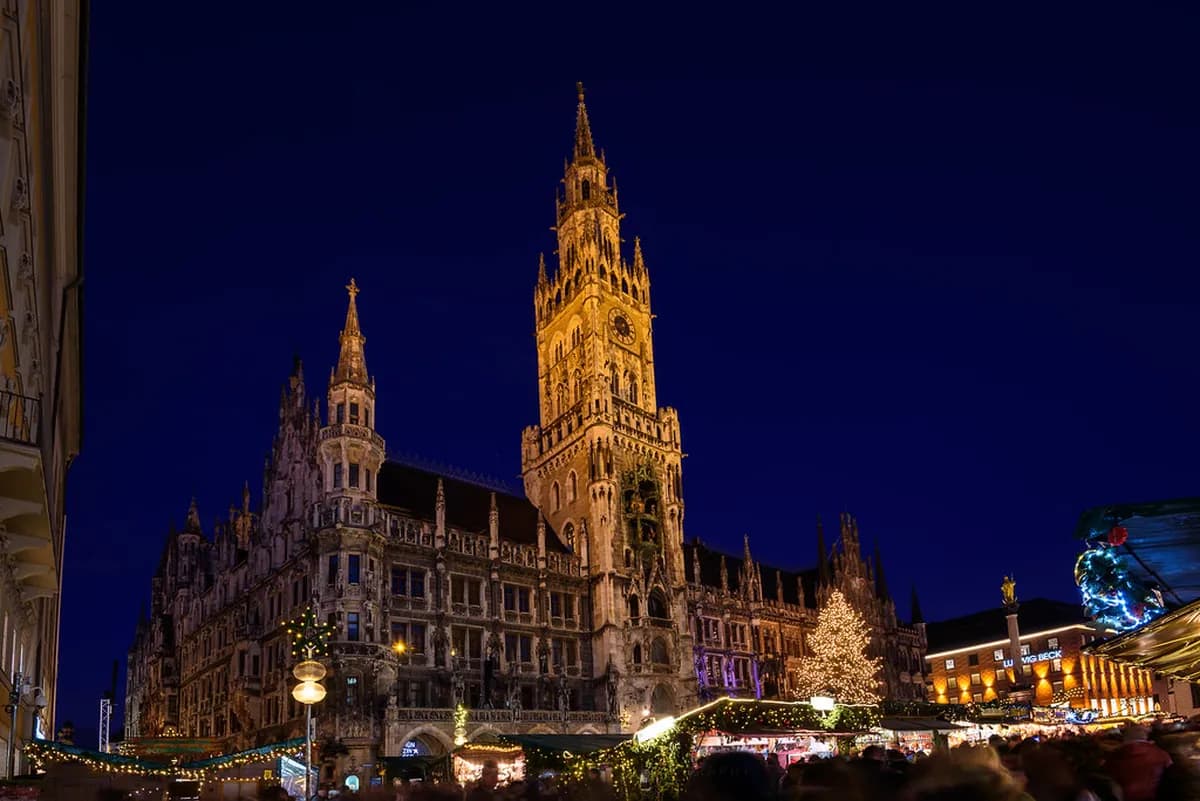
What truly sets Marienplatz apart is not just shopping—it's the daily cultural events, live music performances, and family activities that bring the market to life. The atmosphere becomes truly magical as the sun sets and the giant Christmas tree (decorated with nearly 4,000 lights) begins to glow against the ornate backdrop of the Town Hall. Early arrivals help you experience both the quiet morning atmosphere and the energetic evening celebrations without feeling overwhelmed by crowds.
Christmas Markets 101: Must-See Marienplatz Attractions
The Marienplatz Christmas Market is Munich's flagship holiday event, considered the original and most popular in the city by a study from Munich University of Applied Sciences. The market has maintained its place at the heart of the city since 1972, building on centuries of tradition. Over one hundred wooden stalls encircle Marienplatz and extend into nearby shopping streets, creating an immersive experience that blends commerce with cultural celebration.
The centerpiece is the towering 25-meter Christmas tree, which sparkles with over 3,000 lights and provides a dramatic backdrop for the neo-Gothic Neue Rathaus (New Town Hall). Since 2023, the market features an upgraded lighting concept with atmospheric illuminations and "sparkling star islands" throughout the square, creating Instagram-worthy photo points that have become defining features of the modern market experience.
The market offers authentic Bavarian goods from surrounding regions: handcrafted items from Oberammergau, ornaments from the Bavarian Forest, wooden figures from the Ore Mountains, and South Tyrolean specialties. Every stall reflects centuries of traditional craftsmanship, making this market a living showcase of Alpine folk art heritage rather than merely a commercial event.
Key Dates and Opening Hours for 2026
The Marienplatz Christmas Market runs from November 20 to December 24, 2026, with a crucial closure on November 22 (Sunday). Standard opening hours are 10:00 AM to 9:00 PM Monday through Saturday, and 10:00 AM to 8:00 PM on Sundays. On Christmas Eve (December 24), the market closes early at 2:00 PM to allow locals to return home for family celebrations.
Plan your visit strategically based on your preferences. Weekday mornings (Tuesday-Thursday, 10:00 AM-2:00 PM) offer the most relaxed browsing experience with shorter food queues and ample space to examine crafts. Weekends and weekday evenings (after 5:00 PM) bring heavy crowds from nearby European cities and regional Bavarian towns, but the atmosphere becomes festive with live performances and the Town Hall's evening illuminations. Late December tends to be busier than November, with peak congestion on December 15-24 as holiday shopping intensifies.
Advent Music Live from the Town Hall Balcony
Every day at 5:30 PM, live Christmas music broadcasts from the ornate balcony of the Neue Rathaus, with a special performance at noon on December 24. This longstanding tradition features soloists, wind ensembles, choirs, and music groups performing traditional Advent and Christmas carols. The performances are free to hear and create an intimate moment when market crowds pause to listen to the music echoing across the square.
The music selections change daily, featuring both secular Christmas classics and sacred religious compositions. Musicians travel from across Bavaria to participate, ensuring diverse interpretations and arrangements. If you're visiting during the late afternoon, plan to be near the Town Hall steps at 5:30 PM to fully experience this cultural highlight. The music mingles beautifully with the aromatic scents of spiced wine and roasted chestnuts, creating a multisensory holiday experience.
Singing Under the Christmas Tree at Alter Peter
Every Wednesday at 4:30 PM, musicians Traudi Siferlinger and Monika Drasch (well-known from Bavarian radio and television) lead a 30-minute community sing-along of Advent and Christmas carols. This inclusive tradition moved to St. Michael's Church on Neuhauser Straße (just a short walk from Marienplatz) and welcomes people of all ages and abilities. The event is completely free, with printed lyrics provided in regular, large-print, and Braille formats.
Accessibility features include sign language interpreters, induction loops for hearing-impaired visitors, ramps for wheelchair users, and a policy welcoming assistance dogs. No registration is required—simply arrive and join the community. Hansi Zeller accompanies the singing on accordion, teaching traditional Bavarian folk carols alongside well-known Christmas standards. This experience captures the spiritual and community aspect of Munich's Christmas traditions that extend far beyond commercial transactions.
The Nativity Market at Alter Peter (Kripperlmarkt)
St. Peter's Church, located just steps away from Marienplatz, hosts the Kripperlmarkt—Germany's largest dedicated nativity market. With roots traceable to 1757, this market is recognized as the oldest continuous nativity market in the country. Twelve specialized stalls offer exclusively nativity scenes, nativity figures, and accessories ranging from large Oriental-themed displays to miniature Alpine versions.
Each stall curates its own specialty, from individual artisan figurines to complete scenes with animals, buildings, and lighting systems. Visitors will find everything needed to construct authentic nativity displays: lanterns, straw for the animals, hand-painted figures of the Three Kings, and elaborate backdrops depicting Middle Eastern landscapes. Prices range from affordable starter pieces to investment-quality heirloom collectibles. This market represents a unique aspect of Bavarian religious folk tradition that few international visitors discover, making it a culturally rich addition to a Marienplatz visit.
The Krampus Run: A Traditional Spectacle
The Krampus Run (date for 2026 to be announced) brings a darker, centuries-old Alpine tradition to life at Marienplatz. This custom, rooted in Christian mythology, celebrates the contrast between the benevolent Bishop Nicholas (St. Nick) and his companion Krampus—a demon-like figure from pre-Christian Alpine traditions. The 500-year-old tradition was historically believed to protect villages against evil spirits; today it's a living performance of elaborate masks and fur costumes.
Over 300 performers participate as Krampus, Perchten (wild masked figures), and Klaus (the kind companion), parading through the city center in heavy, archaic costumes adorned with massive horns and chains. The spectacle combines theatrical elements—wild dancing, mock threats—with participation from audiences, who encounter the performers in selfie-friendly moments. Families bring children to experience this unique Alpine folklore tradition that no other German city replicates. The contrast between the ornate Town Hall's Gothic beauty and these primal, mythological figures creates an unforgettable visual experience.
Children's Program: Himmelswerkstatt and Activities
The Neue Rathaus courtyard offers the "Himmelswerkstatt" (Heavenly Workshop), a free hands-on craft program for children aged six to twelve. This beloved tradition has operated since 1994, welcoming over a thousand international children annually. Young visitors receive white or golden wings to wear while engaging in creative activities: card-making, candle-dipping, painting, and crafting under cotton-wool clouds and glittering stars. The program uses no shared language, allowing children from any background to participate equally in imaginative play.
In addition to Himmelswerkstatt, children enjoy the Christkindl Tram—a festively decorated historic tram that departs from Sendlinger Tor station for an approximately 30-minute tour through Munich's old town. Aboard, passengers sample mulled wine, children's punch, and gingerbread while hearing Advent music. St. Nicholas visits occur throughout December, particularly on early weekends. Face-painting stations, puppet shows, and photo opportunities with elaborately costumed characters round out the family experience, ensuring that children remain engaged beyond shopping.
What to Eat and Drink: Glühwein and Culinary Delights
Glühwein (hot mulled wine) is the essential drink for any cold winter evening at Marienplatz. Most stalls charge 5-7 EUR for a steaming mug of this classic spiced wine. You must pay a small deposit (Pfand) of 1-2 EUR for the decorated ceramic mug when you order; return the mug afterward to reclaim your deposit or keep it as a unique holiday souvenir. Each market vendor features its own exclusive mug designs, making them collectible keepsakes.
Savory food options honor Bavarian traditions: grilled Bratwurst and Weisswurst (white sausage) served with spicy mustard, smoked Käsekrainer sausages with cheese in the middle, and traditional Rahmschmankerl flatbread topped with sour cream and chives. Vegetarians enjoy potato pancakes (Reiberdatschi) with sweet applesauce or Schupfnudeln mit Sauerkraut (Bavarian potato noodles). Sweet treats include Lebkuchen (gingerbread hearts with colorful icing), Stollen (dense fruit bread), chocolate-covered fruits, candied almonds, and roasted chestnuts.
For non-alcoholic options, hot chocolate with whipped cream and Kinderpunsch (fruit-juice-based warm drink) appeal to families and non-drinkers. Premium beverages include Feuerzangenbowle (glühwein topped with a flaming rum-soaked sugar cube), Eierpunsch (egg-based holiday punch), and specialty wines. Most food stalls do not provide seating, so expect to eat while standing near counters. Cash remains the strongly preferred payment method at the majority of stalls, though some larger vendors accept cards.
Top Crafts and Traditional Souvenirs
The Marienplatz stalls are famous for high-quality wood carvings from the nearby Oberammergau region. You will see intricate nativity scenes and small wooden figurines that reflect centuries of Bavarian craftsmanship. These items are often hand-painted and represent a significant investment in local folk art traditions. Look for the official certification marks to ensure you are buying authentic handmade German goods.
Zwetschgenmandl are unique figures made from dried plums, nuts, and wire that originated in this region. These charming characters often depict traditional professions like chimney sweeps, bakers, or mountain hikers. They make excellent gifts because they are lightweight and easy to pack in a standard suitcase. Most vendors will wrap these delicate items in tissue paper to protect them during your travels.
Hand-blown glass ornaments from the Bavarian Forest add a touch of elegance to any Christmas tree. You can find designs ranging from classic round baubles to whimsical shapes like pickles or beer steins. Prices for these ornaments vary based on the complexity of the design and the artist's reputation. Taking time to compare different stalls allows you to find the most unique patterns and colors.
- Traditional Bavarian Wood Carvings
- Type: Hand-carved figurines
- Best for: Heirloom gifts
- Where: Central market stalls
- Cost: 20-200 EUR+
- Dried Plum Figures (Zwetschgenmandl)
- Type: Edible art figures
- Best for: Unique souvenirs
- Where: Specialized craft stalls
- Cost: 5-15 EUR
- Hand-Painted Glass Baubles
- Type: Tree decorations
- Best for: Festive home decor
- Where: Ornament specialized stalls
- Cost: 8-25 EUR per piece
Best Time to Visit: Comparison Table
Your experience at Marienplatz varies dramatically based on the day of the week and time of day. Use this table to choose your ideal visit window:
- Weekday Mornings (Tue-Thu, 10:00 AM-2:00 PM)
- Crowd level: Light
- Best for: Shopping, examining crafts, food stall browsing
- Atmosphere: Calm, methodical exploration
- Temperatures: Around 32-36 F, most comfortable before afternoon
- Music: Limited (main performances start at 5:30 PM)
- Weekday Evenings (Tue-Thu, 5:30 PM-9:00 PM)
- Crowd level: Moderate
- Best for: Live music, festive atmosphere, photography
- Atmosphere: Balanced—holiday cheer without overwhelming congestion
- Temperatures: Drop to 28-30 F; warm layers essential
- Music: Town Hall balcony performances, live musicians
- Weekend Mornings (Sat-Sun, 10:00 AM-2:00 PM)
- Crowd level: Heavy
- Best for: People-watching, family visits, Himmelswerkstatt activities
- Atmosphere: Energetic, full market capacity
- Temperatures: Coolest part of the day
- Music: Limited (performances begin at 5:30 PM)
- Weekend Evenings (Fri-Sat, 5:30 PM-9:00 PM)
- Crowd level: Extremely heavy
- Best for: Festive energy, special events, Krampus Run nights
- Atmosphere: Lively but difficult to navigate
- Temperatures: Cold (25-28 F); thermal layers required
- Music: Maximum performances, street musicians
Practical Tips for Navigating the Crowds
The area directly in front of the Town Hall often becomes congested during the Glockenspiel performance and the 5:30 PM music broadcast. Many visitors stop here to take photos, creating a significant bottleneck for those trying to walk through. Move toward the side streets like Kaufingerstraße to find more breathing room and shorter food queues. This strategy helps you discover smaller vendors that are often overlooked by the main tourist groups.
Cash remains the preferred payment method for the majority of small market stalls in Munich. While some larger vendors now accept cards, having small Euro bills makes every transaction much faster. Look for ATMs near the main pedestrian shopping streets before you enter the crowded market area. Beware: ATMs run by Euronet charge hefty fees (5-7 EUR) and often have long lines during peak shopping hours.
Public transportation is the most efficient way to reach Marienplatz during the busy holiday season. The U-Bahn and S-Bahn stations are located directly beneath the square for easy visitor access. Avoid driving into the city center as parking is extremely limited and traffic can be quite heavy. Using the local transport apps helps you track train times and avoid waiting on cold platforms.
Public restrooms are available in the basement of the Town Hall and in nearby department stores like Ludwig Beck. Keep a few small coins ready as many public toilets in Germany require a small fee (0.50-1.00 EUR). Department stores offer clean facilities and a warm place to take a break from the cold. Plan your bathroom stops before the evening rush when lines tend to become much longer.
Choosing Between Marienplatz and Other Munich Markets
The main market at Marienplatz offers the most iconic scenery but can feel overwhelming for some visitors. If you prefer a more intimate atmosphere, consider visiting the Viktualienmarkt Christmas market guide for gourmet food options. This nearby food market provides a wider selection of artisanal cheeses and specialized local delicacies. It is located only a few minutes away on foot from the main square's bustling center.
History enthusiasts might enjoy the unique atmosphere found at the medieval Christmas market Munich near Wittelsbacherplatz. This market features vendors in period costumes and traditional entertainment from the Middle Ages, including sword fighters and costumed entertainers. The food options here include rustic roasted suckling pig, Schupfnudeln mit Sauerkraut, and drinks served in heavy clay goblets. It offers a distinct contrast to the more traditional feel of the main square markets.
Decision criteria for your itinerary should include your interest in specific crafts and crowd tolerance. Marienplatz is best for those who want the classic 'postcard' experience of a German Christmas with daily cultural events, live music, and family activities. Smaller neighborhood markets often provide a more authentic look at how Munich residents celebrate the season. Mixing one large market visit with two smaller ones creates a well-rounded festive experience.
Alternative festival options include the Tollwood Winter Festival at Theresienwiese, which offers a more modern and alternative take on traditional holiday celebrations. This venue focuses on organic food, international crafts, live theatrical performances, and sustainability. Tollwood is ideal for travelers seeking something different than the standard wooden-stall setup and usually stays open a few days longer than the traditional markets in the city center.
Frequently Asked Questions
Is the Marienplatz Christmas Market free to enter?
Yes, the market is completely free for all visitors to enter and explore. You only need to pay for the food, drinks, and crafts you choose to purchase. This makes it an excellent budget-friendly activity for families and solo travelers visiting Munich during the winter season.
What are the typical opening hours for the market?
The market generally opens at 10:00 AM and closes at 9:00 PM from Monday through Saturday. On Sundays, the stalls usually close slightly earlier at 8:00 PM. Always check the official website for specific holiday closures, especially on Christmas Eve when hours are very limited.
Where is the best place to park near Marienplatz?
Parking in central Munich is difficult and expensive during the holidays. It is highly recommended to use the city's excellent public transport system instead. If you must drive, look for Park and Ride lots on the city outskirts and take the S-Bahn into the center.
What should I wear to the Munich Christmas markets?
Dress in warm layers, including a thermal base, a heavy coat, and waterproof boots. You will be standing outside on cold stone pavement for several hours at a time. Do not forget a hat, gloves, and a thick scarf to protect against the biting winter wind.
The Marienplatz Christmas Market remains a cornerstone of the holiday experience in southern Germany. From the towering Christmas tree to the scent of cinnamon and mulled wine, it offers something for every type of traveler. The daily cultural performances—Town Hall music at 5:30 PM, Wednesday community singing, the Krampus Run, and children's Himmelswerkstatt—transform this market from a shopping venue into a living celebration of Bavarian traditions.
Prepare for the crowds by arriving early on weekday mornings and keeping plenty of small cash on hand for purchases. Respect the local traditions and take the time to learn about the history behind the unique crafts and customs. Your visit to Munich will be defined by these warm memories and the festive Bavarian hospitality. Enjoy the magic of the season as you explore one of the most beautiful markets in all of Europe.
 Berlin Christmas Market Dates 2026: Complete GuideApril 21, 2026
 Best Christmas Markets Germany 2026: Festive GuideApril 21, 2026
 Cologne Christmas Market Dates 2026: Planning GuideApril 21, 2026