
8 Essential Things to Know About Oktoberfest Beer Tents
Plan your trip with our guide to Oktoberfest beer tents, featuring the 14 large tents, Oide Wiesn, reservation tips, and which tents to avoid.
On this page
8 Essential Things to Know About Oktoberfest Beer Tents
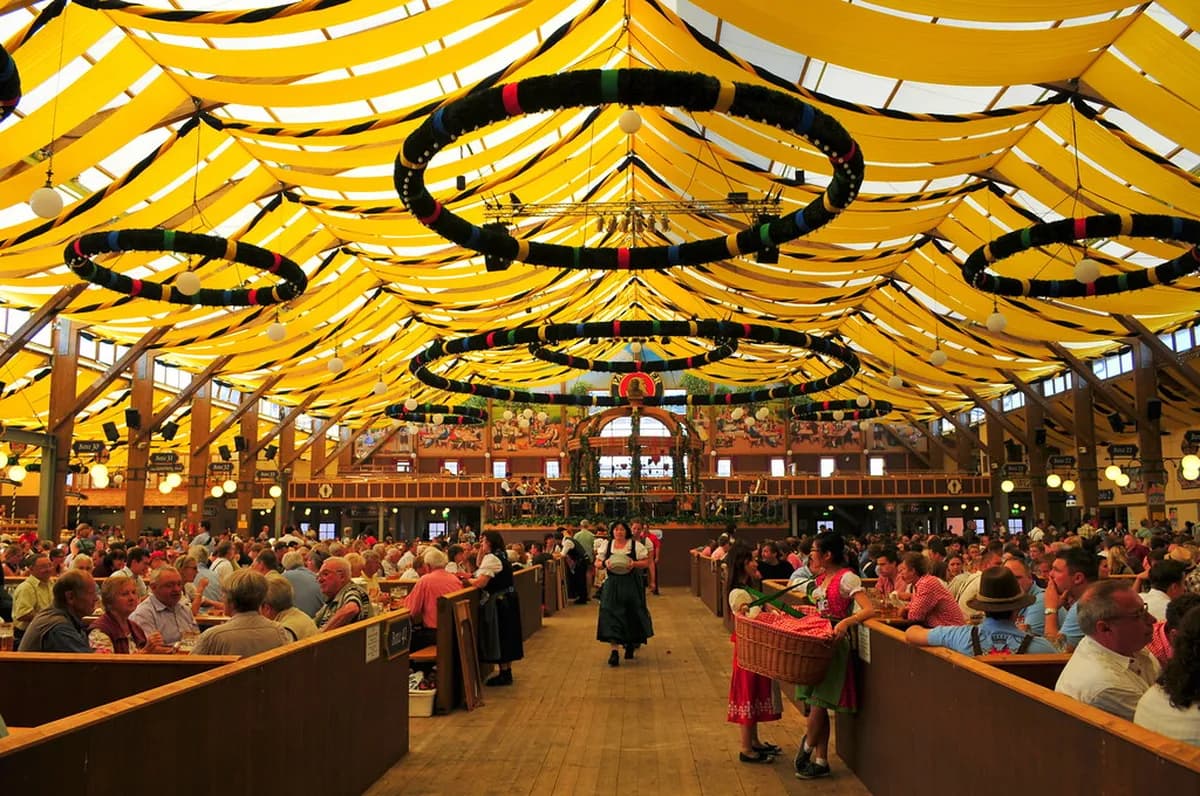
Walking onto the Theresienwiese for the first time feels like entering a massive city made of wood and canvas. The sheer scale of the festival grounds in Munich can overwhelm even the most seasoned travelers. You will find thousands of people singing, drinking, and eating in a celebration of Bavarian culture. Understanding the layout of the oktoberfest beer tents is the first step toward a great trip.
Every tent offers a different experience, from wild parties to quiet family gatherings. Choosing the right spot determines whether you spend your day dancing on benches or enjoying a peaceful meal. This guide breaks down everything you need to know about these legendary structures. Get ready to learn about the history, the beer, and the best ways to find a seat.
Oktoberfest Beer Tents: The Essential Basics
Only six specific breweries are permitted to serve beer at Oktoberfest. These are Munich's “Big Six”: Augustiner, Hacker-Pschorr, Hofbräu, Löwenbräu, Paulaner, and Spaten. Each brewery produces a special Märzen festbier brewed exclusively for the festival, stronger than typical Munich lagers. You can expect alcohol content between 5.8% and 6.3%.
A liter of beer at Oktoberfest, called a Maß, costs €14.50 to €15.50 depending on the tent and brewery. For exact 2026 pricing, check the official Beer Prices (liter/”Maß”) resource before you go. Tents open at 9:00 AM on weekends and 10:00 AM on weekdays, closing at 11:30 PM (last beer served at 10:30 PM). Two exceptions—Käfer and Weinzelt—stay open until 1:00 AM.
Entry to the festival grounds is completely free. You do not pay to walk inside any tent or look around. However, you must secure a seat at a table to order beer or food. Cash is the only accepted payment in all tents; credit cards do not work inside. Check the oktoberfest 2026 dates to align your visit with the opening ceremony, where Munich's Mayor taps the first keg at Schottenhamel at noon on opening Saturday.
The Big Six Breweries at a Glance
- Augustiner — Munich's oldest brewery, serves from wooden barrels, ~5.8% ABV, €14.50/Maß (cheapest)
- Hacker-Pschorr — “Bavarian Heaven” theme, rotating bandstand, ~6.0% ABV, €15.40/Maß
- Hofbräu — Largest tent, standing-room section, party atmosphere, ~6.3% ABV, €15.40/Maß
- Löwenbräu — Famous roaring lion, mixed local-tourist crowd, ~6.0% ABV, €15.40/Maß
- Paulaner — Biggest tent overall (~11,000 capacity), highest energy, ~6.3% ABV, €15.40/Maß
- Spaten — Marstall and Ochsenbraterei, food-focused tents, ~6.1% ABV, €15.40/Maß
The 14 Large Beer Tents and Their Unique Personalities
The 14 large beer tents are the heart of Oktoberfest, each holding 1,400 to 11,000 guests. Each tent has its own décor, brewery, music style, and crowd personality. Some are famous for celebrity sightings and high-energy parties, while others attract locals seeking a more traditional atmosphere. Most tents offer barrier-free access in large tents for guests with mobility needs.
The most iconic is Schottenhamel, where the Mayor of Munich performs the ceremonial keg-tapping ("O'zapft is!") at noon on opening Saturday. This tent draws younger crowds and has the highest energy. The Hacker-Pschorr tent, nicknamed "Bavarian Heaven," features a painted blue sky ceiling and Munich landmarks on the walls. Locals and returning visitors gravitate here for the beautiful décor and lively atmosphere.
Vibe Check Matrix: Score Your Perfect Tent
Use this quick reference to find your ideal tent based on atmosphere, food quality, and crowd mix:
- Hofbräu-Festzelt — Party Level: 10/10 | Food Quality: 6/10 | Local-Tourist Ratio: 2/10 (best for high-energy parties, expect primarily international crowds)
- Augustiner-Festhalle — Party Level: 6/10 | Food Quality: 8/10 | Local-Tourist Ratio: 8/10 (best for authentic vibe and family groups)
- Hacker-Pschorr — Party Level: 8/10 | Food Quality: 7/10 | Local-Tourist Ratio: 7/10 (best balance of party and tradition)
- Ochsenbraterei — Party Level: 5/10 | Food Quality: 10/10 | Local-Tourist Ratio: 7/10 (best for food lovers, roasted ox specialties)
- Löwenbräu-Festzelt — Party Level: 9/10 | Food Quality: 6/10 | Local-Tourist Ratio: 6/10 (best for mixed crowds on weekends, famous roaring lion)
- Käfer Wies'n-Schänke — Party Level: 3/10 | Food Quality: 10/10 | Local-Tourist Ratio: 4/10 (best for gourmet dining, exclusive and upscale)
Stepping Back in Time: The Oide Wiesn Tents
The Oide Wiesn is a separate area that celebrates the historical roots of the festival. You must pay a small entry fee of a few euros to enter this section. It offers a much slower pace compared to the main festival grounds. Families often prefer this area for its vintage rides and traditional costumes.
The Festzelt Tradition is the largest tent in this historical section. Dancers perform traditional Bavarian routines on a central stage throughout the day. Beer is served in classic stone mugs rather than glass ones here. This area provides a wonderful glimpse into how the festival looked decades ago.
Insider Picks: My Favorite Tents for Every Vibe
Augustiner-Festhalle remains my top choice for an authentic Bavarian experience. It is the only large tent that still serves beer from traditional wooden barrels. The atmosphere feels more local and less like a tourist attraction. Waiters here are known for their efficiency and friendly service.
If you want to find great plant-based options, look at the Vegan food at Oktoberfest guide for specific tent tips. The Ochsenbraterei is another favorite for its incredible roasted ox dishes. This tent has a more relaxed dining vibe during the afternoon hours. It is a great spot for groups who want to focus on the food.
The No-Go List: Oktoberfest Tents I Avoid
The Hofbräu tent is iconic but can be far too chaotic for many visitors. It attracts the largest number of international tourists and can feel very crowded. The noise levels here often make it impossible to have a conversation. I usually skip this tent if I want a more traditional experience.

Marstall is beautiful but can feel a bit too posh for some tastes. It replaced the old Hippodrom and attracts a very wealthy crowd. The prices for food items here are often higher than in other tents. Unless you enjoy a high-society vibe, you might find it less welcoming.
How to Secure a Table: Reservations and Walk-in Strategy
Reservations typically require booking 3–6 months in advance directly through each tent's website. Most reserved tables are sized for groups of 8–12 people, with costs ranging from €80–150+ per person for a full day including a Maß and meal. For small groups, consider a Hofbräu Day Tour Package that bundles reservation, food, and beer vouchers.
Walk-ins can find seats without advance booking. By German law, each tent must keep at least 40% of seating unreserved for walk-in guests. Arrive before 11:00 AM on weekdays or 9:00 AM on weekends to maximize your chances. Afternoon is hardest; early morning is easiest.
The Standing Table Strategy
If you cannot find a reserved or walk-in seat, the Hofbräu-Festzelt has a large dedicated standing-room area (about 1,000 standing spaces) where you can order beer and socialize without needing a table. Stand at the edge of the tent near standing tables or the bar area. Other tents have limited standing options but none match Hofbräu's setup. Standing avoids the crowds at seated areas and gives you freedom to move between tents.
Sharing a table with strangers is part of Oktoberfest tradition. Simply ask, "Ist hier noch frei?" (Is this seat free?) and introduce yourself. The festival culture almost guarantees you will leave with new friends. Local Bavarian customs dictate saying "Prost!" and clinking glasses regularly; this camaraderie is often the best memory of your visit.
Pro Tips for a Smooth Oktoberfest Experience
Security rules are strict about bags. Leave large backpacks at your hotel; many travelers use lockers at Munich's central train station (€2–5 per day). Small purses are allowed but will be searched at the main tent entrance. Avoid bringing valuable electronics or jewelry you cannot afford to lose.
Your First-Timer's Survival Kit
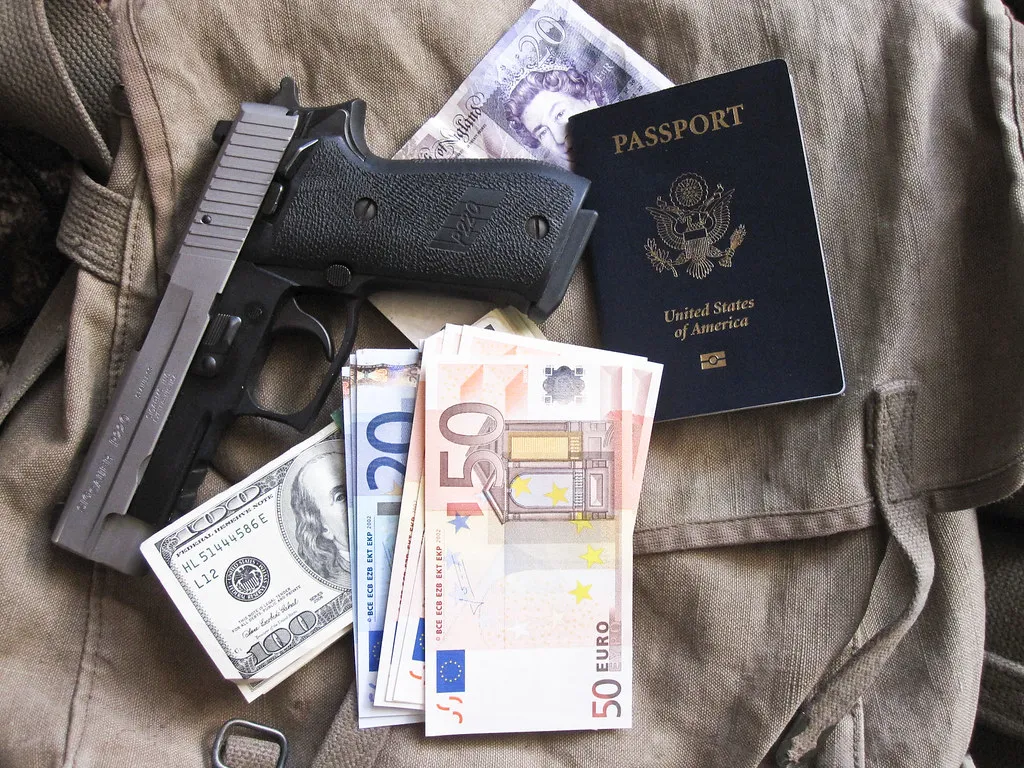
Before you go, collect these essentials: (1) Cash in €50 notes (ATMs inside tents are available but have high fees and long lines); (2) Small purse or crossbody bag only (no large backpacks); (3) Comfortable, waterproof shoes with good grip (beer, rain, and dance floors are slippery); (4) Phone charger and power bank; (5) A light jacket for cool September/early October evenings; (6) Locker key or secure storage plan for outdoor coats during your tent stay. Plan to arrive 30 minutes before gates open to beat the worst crowds.
Wearing traditional Bavarian clothing (Lederhosen for men, Dirndl for women) makes the experience more immersive and encourages locals to approach you. Learn about Oktoberfest tracht (traditional attire) before your trip. Proper footwear is critical; you will spend 8+ hours standing, walking between tents, and possibly dancing on benches. Avoid expensive shoes; beer and mud are unavoidable.
Book accommodation early—rooms near U-Bahn (subway) lines U4 and U5 give direct access to Theresienwiese. Staying in the Schwanthalerhohe neighborhood puts you 15 minutes walk from festival grounds. Public transit in Munich runs reliably even during festival weeks, with extended late-night service during Oktoberfest.
Frequently Asked Questions
Which Oktoberfest beer tents fit first-time visitors?
First-time visitors often enjoy the Schottenhamel or Hacker-Pschorr tents for their classic atmosphere. These spots offer a great balance of traditional music and high energy. You can find more tips in our Oktoberfest Munich guide to help you choose the best starting point.
How much does a liter of beer cost at Oktoberfest?
A liter of beer usually costs between 14 and 16 euros depending on the tent. Prices are set by the breweries and tend to rise slightly each year. Always bring cash as many tents do not accept credit cards for small orders.
How much time should you plan for Oktoberfest beer tents?
Most people spend at least four to six hours inside a tent to fully enjoy the experience. If you want to visit multiple tents, plan for a full day on the grounds. Arriving early ensures you have enough time to find a seat before the crowds arrive.
What should travelers avoid when planning Oktoberfest beer tents?
Avoid bringing large bags or expensive items that could get lost in the crowds. Do not try to take the heavy glass beer mugs home as security will stop you at the exit. Also, avoid arriving late on weekends without a reservation as you will likely face long lines.
Unlock Your VIP Access: Balcony Reservations Reality Check
Some tents offer premium "VIP" or balcony seating with guaranteed views and service. These reservations cost €150–250+ per person for the full festival season or €80–120 per day. Packages typically include a reserved table, guaranteed Maß and meal, and waiter service.
The trade-off: you lose the floor energy and festive chaos that makes Oktoberfest magical. Balcony seats are quieter, less crowded, and feel more like a restaurant than a festival. You miss spontaneous table-sharing, dancing on benches, and the crowd singalongs. If your goal is to experience the authentic festival atmosphere, skip VIP balcony seating and join the unreserved floor seating instead. If you prioritize comfort and guaranteed meals, VIP is worth it. Most first-timers regret choosing balconies because they felt isolated from the party. Choose floor energy over elevated views.
Final Prost: The Perfect Last Night Itinerary
Oktoberfest's final night (typically October 5 or 6) has special significance. The festival officially closes after the last tent, so make your final night count. Here are traveler-profile recommendations:
- Solo Travelers: Start at Augustiner-Festhalle (6:00 PM) for a warm, friendly local crowd. Share a table, chat with neighbors. Move to Hacker-Pschorr (8:00 PM) for the painted "Bavarian Heaven" and a younger party crowd. End at Löwenbräu (10:00 PM) for the roaring lion finale.
- Groups of Friends: Reserve a table at Käfer Wies'n-Schänke (6:00 PM) for an upscale dinner and wine. Move to Hofbräu (8:00 PM) for high-energy dancing and bench standing. Close with standing-room at Paulaner (10:00 PM) for the biggest finale energy.
- Families with Children: Visit the Oide Wiesn Festzelt Tradition (4:00 PM–6:00 PM) for traditional stone Maßes, folk dancing, and a calm atmosphere. Kids must leave by 8:00 PM, so plan an early exit. Finish at Ochsenbraterei (evening) for relaxed vibes and excellent food.
No matter your group, the closing ceremony at Schottenhamel (where the festival opened) is worth witnessing around 11:00 PM on the final night. The final keg is tapped, the band plays "Auld Lang Syne," and locals and tourists alike toast to the festival with a final Prost.
Visiting Oktoberfest is a bucket-list experience for travelers worldwide. The unique atmosphere of the tents and camaraderie with strangers creates memories that last a lifetime. Whether you want to party hard, enjoy traditional Bavarian culture, or savor amazing food and wine, there is a tent for you. Plan your trip carefully, book early if you want reservations, and prepare for a fantastic time in Munich.
Remember to respect local traditions, drink responsibly, and embrace the spirit of Prost—a toast to good beer, good company, and good times. This guide equips you to navigate the tents with total confidence. Enjoy every moment of the music, the food, the incredible Bavarian beer, and the friendships you will make. Prost to your upcoming adventure at the world's largest beer festival!
 Best Autumn Festivals Europe: Top Events for 2026April 21, 2026
 Festivals Germany Year Calendar: Best Events for 2026April 21, 2026
 10 Essential Facts for Oktoberfest 2026 Dates & PlanningApril 21, 2026