
Festivals Germany Year Calendar: Best Events for 2026
Plan your trip with our festivals Germany year calendar. Discover top events from Oktoberfest to Christmas markets for 2026. Book your German adventure today!
On this page
Festivals Germany Year Calendar: Your Guide to Cultural Events
Germany offers a vibrant mix of tradition and modern celebration throughout every season of the year. From lively street parades to historic folk fairs, this festivals Germany year calendar covers the most iconic events. Planning your trip around these dates ensures you experience the true spirit of German hospitality and community. Every region brings unique customs that turn a simple vacation into a deep and memorable cultural immersion.
Spring Traditions and Carnival Spirit
Spring marks a time of rebirth and high energy across the various German states and major cities. The season begins with the explosive energy of Karneval in cities like Cologne, Mainz, and Düsseldorf. You will see colorful costumes and elaborate floats filling the streets during the famous Rose Monday parades. Many visitors combine these trips with other spring festivals in Europe to see the continent wake up.
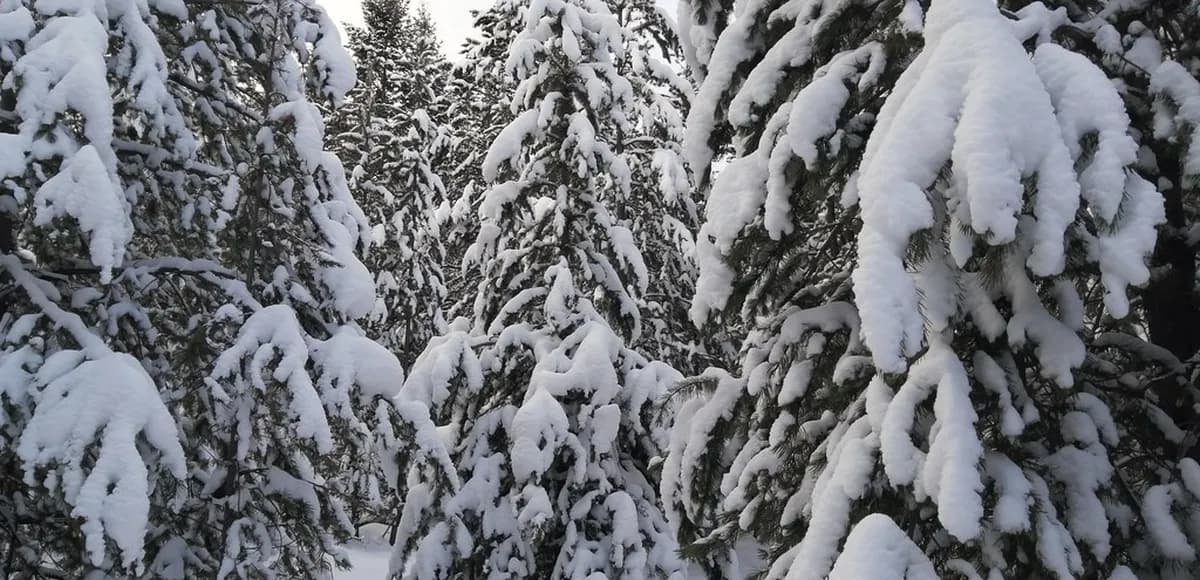
Walpurgisnacht celebrations take place in the Harz Mountains every April to welcome the arrival of warmer weather. Locals dress as witches and warlocks to dance around massive bonfires under the glow of the moonlight. This ancient tradition provides a unique look into German folklore and the history of the mountain regions. It is a fantastic way to experience the transition from winter to spring in a scenic setting.
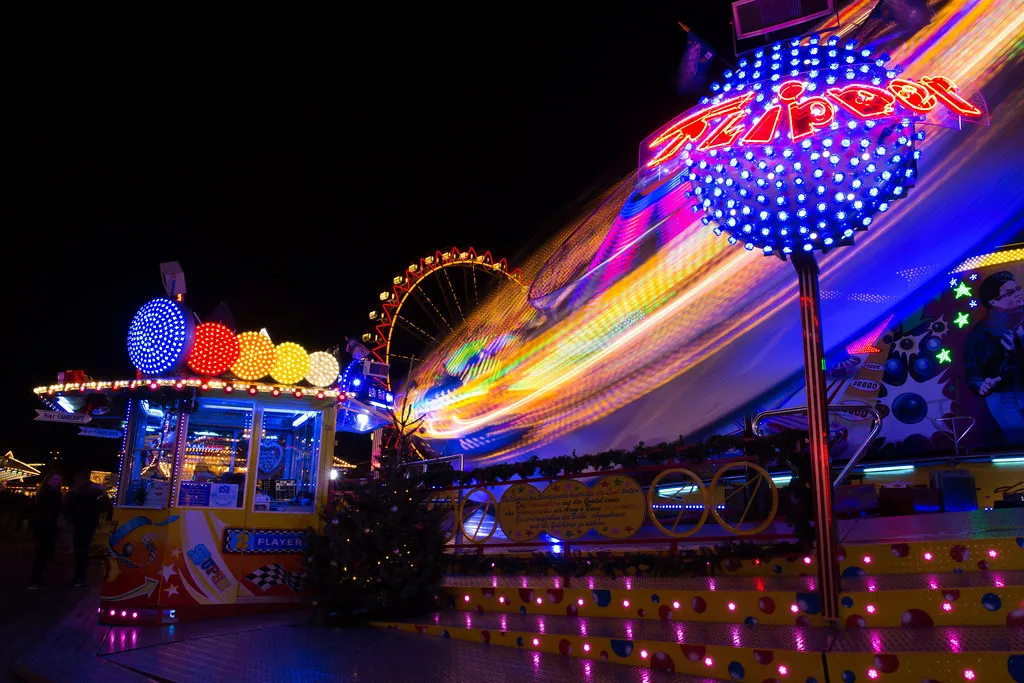
Frühlingsfest in Stuttgart serves as a smaller and more local version of the massive autumn beer festivals. Families enjoy the carnival rides and traditional food stalls without the overwhelming crowds found in later months. Admission to the grounds is usually free, though specific rides and food items require separate payments. This event typically runs from mid-April through early May each year for several weeks.
Summer Music and Wine Celebrations
Summer months bring warm weather and countless outdoor gatherings in public squares and along scenic riverbanks. You can enjoy massive music events like Rock am Ring or the elegant Richard Wagner Festival in Bayreuth. Wine lovers should head to the Rhine Valley for the spectacular Rhine in Flames fireworks displays and tastings. These events are perfect additions to a broader tour of summer festivals in Europe during your vacation.
The Berlin Cultural Carnival showcases the incredible diversity of the capital city through vibrant music and dance performances. Thousands of performers from various backgrounds parade through the streets of Kreuzberg during this popular multi-day event. Street food vendors offer a global menu that reflects the modern international spirit of 2026 Germany. Most of the parade activities are free to watch and remain very family-friendly for all ages.
Kiel Week stands as one of the largest sailing events in the world every June in northern Germany. Beyond the boat races, the city hosts a massive festival with live music and delicious fresh seafood. More than three million visitors attend this maritime celebration on the beautiful Baltic coast each year. It offers a refreshing coastal atmosphere that differs significantly from the inland forest or mountain festivals.
Autumn Folklore and the World's Largest Fair
Autumn is synonymous with harvest celebrations and the world-famous Oktoberfest held annually in the city of Munich. Millions of people gather to enjoy traditional Bavarian music, hearty food, and specially brewed festival beer. Beyond Munich, the Cannstatter Volksfest in Stuttgart offers a similar atmosphere with slightly fewer international crowds. Check out our guide to autumn festivals in Europe for more seasonal travel inspiration.
The Festival of Lights transforms Berlin into a glowing masterpiece every October for several consecutive nights. Famous landmarks like the Brandenburg Gate become canvases for stunning light projections and artistic digital displays. Walking tours through the illuminated city center offer a magical perspective on German history and modern architecture. Most of these light installations are accessible for free to the general public throughout the evening.
- Oktoberfest in Munich
- Type: Folk festival
- Best for: Beer and culture
- Where: Theresienwiese
- Cost: Free entry
- Cannstatter Volksfest
- Type: Harvest fair
- Best for: Family fun
- Where: Stuttgart
- Cost: Free entry
- Dürkheim Wurstmarkt
- Type: Wine festival
- Best for: Local Riesling
- Where: Bad Dürkheim
- Cost: Free entry
Winter Markets and Festive Traditions
Winter transforms Germany into a fairy-tale landscape filled with the scent of roasted almonds and mulled wine. Christmas markets, or Weihnachtsmarkt, appear in nearly every town from late November until late December each year. Nuremberg and Dresden host some of the oldest and most traditional markets in the entire country. These cozy gatherings are highlights of the winter festivals in Europe that travelers love to visit.
Silvester celebrations bring spectacular fireworks displays to every major German city on New Year's Eve. Berlin hosts one of the largest open-air parties at the Brandenburg Gate with live international bands. Locals often gather in public squares to launch their own fireworks as the clock strikes midnight. This high-energy night is a thrilling way to experience German urban culture and festive spirit.
The Bremen Freimarkt is one of the oldest folk festivals in Germany, dating back nearly one thousand years. It takes place in late October and early November, bridging the gap between autumn and winter. Visitors enjoy a massive amusement park and traditional North German snacks like delicious smoked fish. The festive atmosphere helps brighten the shorter days as the winter season approaches the region.
Planning Your German Festival Itinerary
Navigating a festivals Germany year calendar requires careful logistical planning to avoid common and costly travel mistakes. Many tourists underestimate how quickly hotels sell out in cities like Munich or Cologne during peak dates. You should aim to book your accommodation at least six to nine months before the event begins. Using a comprehensive multi-city guide helps you coordinate transport between different regional celebrations efficiently.
Cash remains the preferred payment method at most traditional festival stalls and smaller beer tents. While major hotels and restaurants accept cards, you will need physical Euros for snacks and small souvenirs. Carrying small denominations makes transactions faster when the crowds are thick and the service is very busy. This simple preparation prevents frustration when you find a perfect local craft or a tasty snack.
Public transportation is the most efficient way to reach festival grounds in crowded and busy urban centers. Most cities offer special day passes that cover buses, trams, and local trains for a flat fee. Avoid driving to major events because parking is often non-existent and traffic congestion is extremely heavy. Checking the local transit app for real-time updates helps you avoid unexpected delays or route changes.
Many travelers forget to check for local holidays that might close shops and pharmacies during major festivals. If a major event falls on a Sunday or public holiday, standard retail stores will be closed. Plan your grocery or supply runs a day in advance to stay fully prepared for the trip. This foresight ensures you can focus entirely on the festivities without worrying about your basic needs.
Frequently Asked Questions
What is the most famous festival in the German calendar?
Oktoberfest in Munich is the most famous event, attracting millions of visitors each autumn. It features traditional Bavarian music, large beer tents, and a massive carnival area. You should book tables and hotels many months in advance to secure your spot at this iconic celebration.
When do Christmas markets typically start in Germany?
Most Christmas markets open during the last week of November and run until December 23rd or 24th. Some larger cities extend their markets into early January to cover the full holiday season. These markets are essential for any winter festivals Germany year calendar itinerary.
Are most German festivals free for the public to attend?
Entrance to the general grounds of most folk festivals and street parades is free for all visitors. However, you will need to pay for food, drinks, carnival rides, and some specific concert performances. Beer tents at major events like Oktoberfest are free to enter but fill up quickly.
How early should I book travel for major German events?
For world-class events like Oktoberfest or the Cologne Carnival, booking six to nine months in advance is highly recommended. Hotel prices rise significantly as the event dates approach, and many central locations sell out completely. Early planning ensures you find affordable options within walking distance of the fun.
Following a festivals Germany year calendar allows you to experience the country at its most vibrant and welcoming. Whether you prefer the cozy charm of winter markets or the high energy of summer concerts, there is an event for everyone. Start planning your 2026 journey today to witness these incredible traditions firsthand. German festivals provide a unique window into a culture that truly knows how to celebrate life and community.
 Best Autumn Festivals Europe: Top Events for 2026April 21, 2026
 Festivals Eastern Europe Year Calendar: 2026 GuideApril 21, 2026
 Festivals Italy Year Calendar: Best Events to VisitApril 21, 2026