
Las Fallas Dates 2026: Plan Your Valencia Trip
Discover the official Las Fallas dates 2026 in Valencia. Plan your trip with our expert guide to schedules, events, and essential travel tips for Spain.
On this page
Complete Guide to Las Fallas Dates 2026 in Valencia
Valencia transforms into a vibrant city of fire and art during every month of March. The official festival concludes on March 19, which always coincides with Saint Joseph's Day. Visitors should mark their calendars for the main week starting specifically on March 15. Planning for these specific days helps you secure better travel deals during peak times.
The preliminary celebrations actually begin much earlier in the month with daily pyrotechnic displays. Spectators will hear the first official firecrackers at the end of February during the Crida ceremony. Local neighborhoods start preparing their street decorations several weeks before the main events begin. This early period offers a much quieter look at the intensive festive preparations.
Navigating the massive crowds requires a solid understanding of the las fallas dates 2026 schedule. Most major streets in the city center become pedestrian zones during the final five days. Public transportation follows special holiday timetables to accommodate millions of international visitors. Learning the rhythm of the city ensures you do not miss the most important traditions.
Official Las Fallas Dates 2026 Schedule
The most critical window for travelers in 2026 runs from March 15 through March 19. March 15 marks the night of La Plantà when artists finish assembling their giant monuments. City officials judge the various structures early the next morning to award prestigious annual prizes. Walking the streets during this transition reveals the incredible scale of the artistic craftsmanship.

March 19 serves as the dramatic finale known globally as the night of La Cremà. Every monument across the city is set ablaze in a specific sequence starting at midnight. The children's fallas burn first, followed by the larger structures in the main city squares. Watching these wooden masterpieces turn to ash symbolizes a powerful seasonal renewal for the locals.
Daily mascletà events provide a consistent rhythm from March 1 until the final day. These afternoon pyrotechnics draw thousands of people to the city hall square every single day. Plan your arrival for the first week of March if you prefer slightly smaller crowds. Accommodation rates tend to be more affordable before the final holiday weekend begins.
The weekend of March 14 and 15 in 2026 will likely see the heaviest tourist influx. Many visitors arrive early to enjoy the street parties and outdoor food stalls. Secure your restaurant reservations weeks in advance to avoid long waits during the peak dates. Local businesses often operate with limited menus to serve the high volume of customers.
Daily Mascletà and Pyrotechnic Event Times
The thunderous Mascletà occurs every single day at 2:00 PM in the central Plaza del Ayuntamiento. These rhythmic firework displays focus on sound and vibration rather than visual colors in the sky. Smart travelers should aim to arrive at the square by 1:00 PM to secure a view. Local police often cordon off the area once the crowd reaches a safe maximum capacity.
Nightly firework displays take place in the Turia Gardens during the final four evenings. The most impressive show, called the Nit del Foc, happens in the early hours of March 19. Crowds gather along the bridges over the dry riverbed to witness the spectacular pyrotechnics. Each display typically lasts around twenty minutes and features innovative designs from famous artists.
Small firecrackers known as petardos are common in every neighborhood throughout the entire festival. Families often participate in wake-up calls called La Despertà early in the morning. Bands march through the streets at 8:00 AM to signal the start of a new day. Earplugs are an essential item for anyone staying in the heart of the historic districts.
Safety barriers protect spectators from the intense heat and debris during the larger firework shows. Follow the instructions of the local Civil Protection officers to ensure a safe experience. Avoid bringing large backpacks into the crowded squares during the peak afternoon events. Keeping your belongings secure is vital when navigating the dense crowds in the city center.
Essential Flower Offering and Parade Schedules
The Ofrenda de Flores takes place over two full days on March 17 and March 18. Thousands of falleros march through the streets wearing traditional costumes to deliver flowers to the Virgin. This parade usually begins in the late afternoon and continues well past midnight in the Plaza de la Virgen. Spectators can watch the giant wooden statue of the Virgin become covered in a floral tapestry.
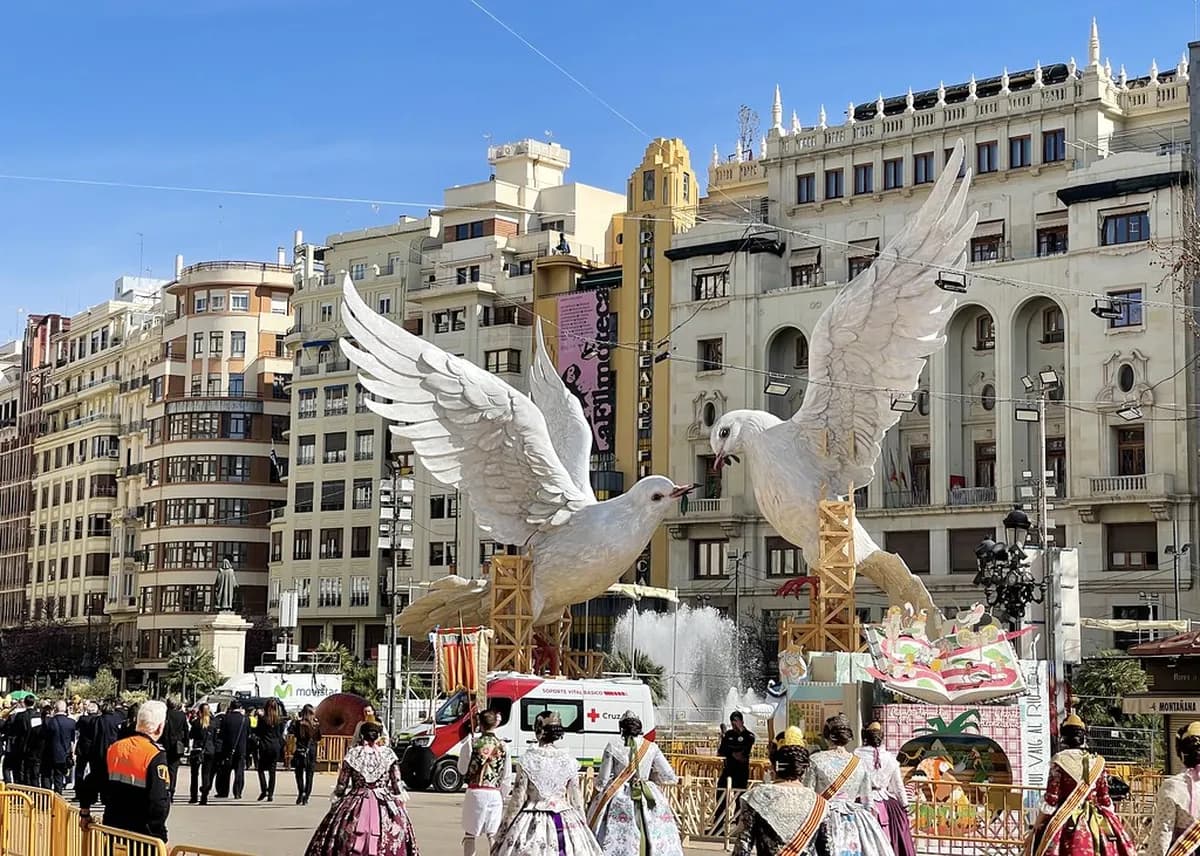
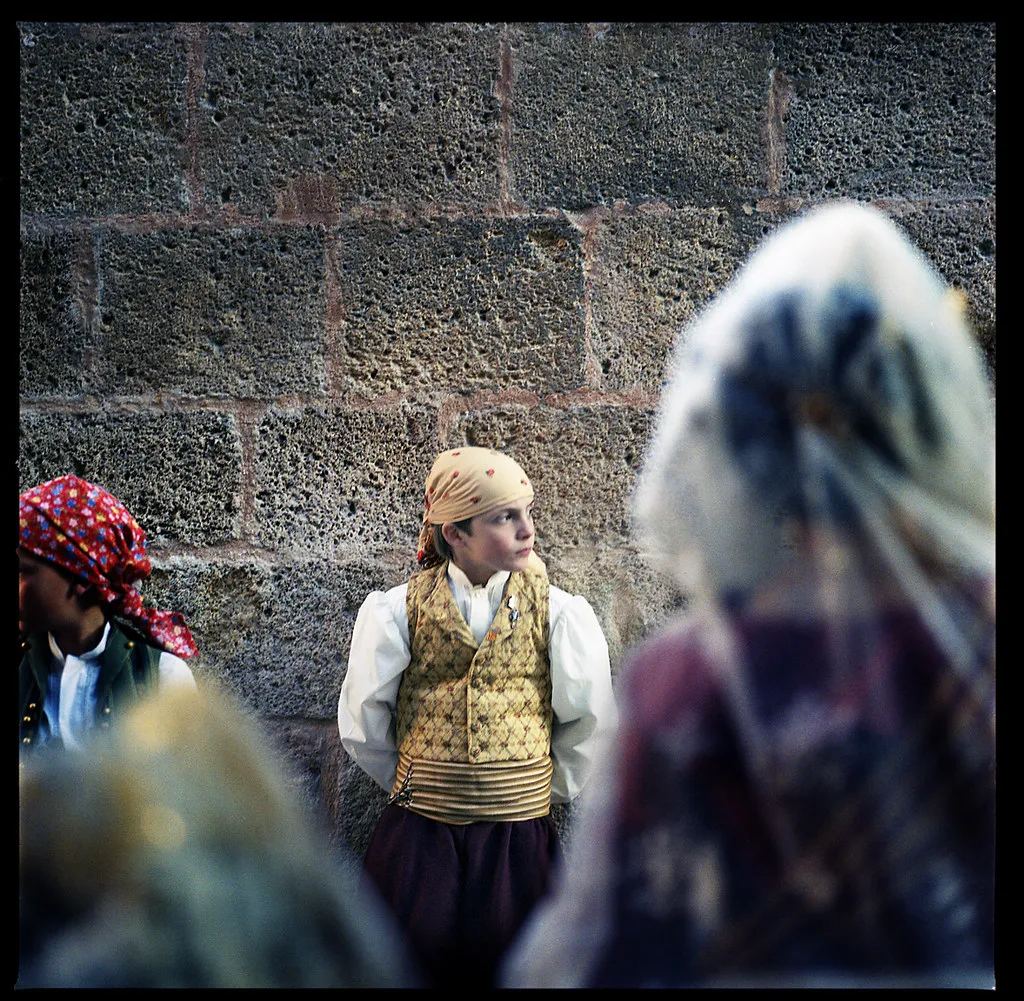
The traditional costumes worn by the participants are incredibly intricate and expensive works of art. Women wear handmade silk dresses with elaborate hairstyles and gold or silver jewelry. Men often wear short jackets and waistcoats that reflect the historical rural attire of the region. Photographing these parades offers a glimpse into the deep cultural pride of the Valencian people.
March 19 features a special parade known as the Cabalgata del Fuego or Fire Parade. This event starts at 7:00 PM and serves as a prelude to the final burning ceremony. Performers use handheld fireworks and fire-breathing props to light up the evening streets. The energy during this parade is electric as the city prepares for the grand finale.
Religious processions also occur on the final morning to honor Saint Joseph in the cathedral. The atmosphere during these morning events is notably more solemn than the rowdy street parties. Many locals attend mass before gathering for the final mascletà of the festival year. Observing these traditions provides a balanced perspective on the festival's historical origins.
Best Neighborhoods for Huge Fallas Monuments
Different districts across Valencia host over seven hundred individual monuments during the five-day festival period. The Special Section monuments represent the largest and most expensive displays found anywhere in the city. You will find these masterpieces in neighborhoods like Ruzafa, El Pilar, and the historic El Carmen. Walking between las fallas best spots requires comfortable shoes and a reliable map.
Ruzafa is particularly famous for its incredible street lighting displays that synchronize with music. Crowds fill the narrow streets every evening to watch the colorful lights dance above them. This neighborhood also features a high concentration of trendy bars and international restaurants. Visiting Ruzafa during the week provides a more modern and youthful festival experience.
The historic center of El Carmen offers a more traditional backdrop for the festive monuments. Narrow alleys often hide smaller structures that are just as detailed as the giant ones. Many of these monuments use satire to critique local politics and global social issues. Reading the descriptive signs next to the statues helps you understand the intended humor.
- The Vibrant Ruzafa District
- Best for: Light shows
- Crowd level: Very high
- Atmosphere: Modern and trendy
- Key feature: Massive monuments
- Historic El Carmen Center
- Best for: Satirical art
- Crowd level: Moderate
- Atmosphere: Traditional and old
- Key feature: Narrow alleys
- Plaza del Ayuntamiento Hub
- Best for: Daily mascletà
- Crowd level: Extreme
- Atmosphere: Official and grand
- Key feature: Central location
Local Nuance: Avoiding Common Festival Mistakes
Many tourists underestimate the sheer volume of noise generated by constant firecrackers in every street. Local residents often leave the city to escape the non-stop explosions and crowded walkways. Choosing a hotel outside the historic center can provide a necessary refuge for light sleepers. This trade-off ensures you enjoy the festivities without sacrificing your essential rest each night.
Wearing the wrong clothing can quickly ruin your experience during the long festival days. The weather in Valencia during March can fluctuate between warm sunshine and chilly evening breezes. Layers are essential for staying comfortable as you transition from daytime parades to midnight fires. Review our guide on what to wear las fallas valencia for more specific packing tips.
Attempting to drive a car through the city center is virtually impossible during the main dates. Most roads are physically blocked by monuments, tents, and massive crowds of pedestrians. Relying on the metro system is the most efficient way to move between different neighborhoods. Purchase a multi-trip transport card early to avoid the long queues at ticket machines.
Eating at regular times can be difficult because most restaurants are completely booked out. Street food stalls selling buñuelos and hot chocolate are great for quick snacks between events. Try to eat lunch before 1:00 PM or after 4:00 PM to find an open table. Carrying a small water bottle helps you stay hydrated while standing in the crowded squares.
Critical Logistics for 2026 Festival Visitors
Booking your las fallas accommodation at least six months in advance is highly recommended for 2026. Prices for central hotels often triple during the festival week as availability disappears very quickly. Consider staying near a metro station slightly outside the center to save money on your nightly rates. A peripheral location provides a quiet escape from the constant noise of street parties and firecrackers.

Flights into Valencia Airport also see a significant price increase during the month of March. Flying into Madrid or Alicante and taking a high-speed train can sometimes be more cost-effective. The train journey from Madrid to Valencia takes less than two hours on the fast AVE line. Book your train tickets as soon as they become available to secure the lowest possible fares.
Walking is the primary mode of transportation once you are within the city's central districts. Expect to walk several miles each day as you visit the different monument locations. Comfortable sneakers with good support are much better than sandals for these long distances. Keep a digital map on your phone to navigate the many temporary street closures.
Public toilets are scarce in the city center despite the massive influx of tourists. Many people use the facilities in museums or larger shopping centers like El Corte Inglés. Some local cafes may require a small purchase before allowing guests to use their restrooms. Planning your breaks around museum visits can make your daily logistics much smoother.
Frequently Asked Questions
What are the exact las fallas dates 2026?
The main festival takes place from March 15 to March 19, 2026. Daily mascletà events begin on March 1 and lead up to the main week. You can find more details in our Spain festival guide.
When is the best time to see the monuments burn?
The burning ceremony, known as La Cremà, occurs on the night of March 19. Children's monuments start burning at 8:00 PM, while the main city monuments begin at 10:00 PM. The final monument in the town hall square burns at midnight.
Is Las Fallas suitable for families with young children?
Yes, families can enjoy the festival, but the loud noises may frighten some younger children. Many neighborhoods have smaller monuments specifically designed for kids. It is wise to bring noise-canceling headphones for children during the loud mascletà displays.
How do I get around Valencia during the festival?
Walking is the best way to see the monuments in the city center. For longer distances, use the Metrovalencia system which runs 24 hours during the main festival days. Avoid using buses or taxis as many streets are closed to vehicles.
Experiencing the festival during the las fallas dates 2026 offers a unique look at Spanish culture. The combination of artistic beauty and explosive energy creates memories that last a lifetime. Early preparation is the key to enjoying everything this massive celebration has to offer. Valencia awaits you with its incredible hospitality and spectacular traditions in the coming year.
 Best Autumn Festivals Europe: Top Events for 2026April 21, 2026
 Best Ibiza Closing Parties: Your Ultimate 2026 GuideApril 21, 2026
 Complete Festivals Spain Year Calendar for 2026April 21, 2026