
Semana Santa Seville 2026: Guide to Holy Week
Plan your trip for Semana Santa Seville 2026 with our expert guide. Find procession schedules, local tips, and the best viewing spots in Seville.
On this page
Complete Guide to Semana Santa Seville 2026
Semana Santa Seville 2026 transforms the city into a breathtaking display of faith and centuries-old tradition. This massive event attracts thousands of visitors who come to witness the solemn processions winding through narrow streets. Planning your visit early is essential because the city reaches full capacity during this sacred period. Our guide helps you navigate the complex schedules and local customs for a smooth experience.
The atmosphere in Seville during Holy Week is unlike any other festival in the world. Incense fills the air while the rhythmic sound of drums echoes off the historic stone buildings. You will see incredible wooden floats, known as pasos, carried by dedicated groups of local men. This holy week Spain guide provides a broader look at how different regions celebrate.
Essential Dates for Semana Santa Seville 2026
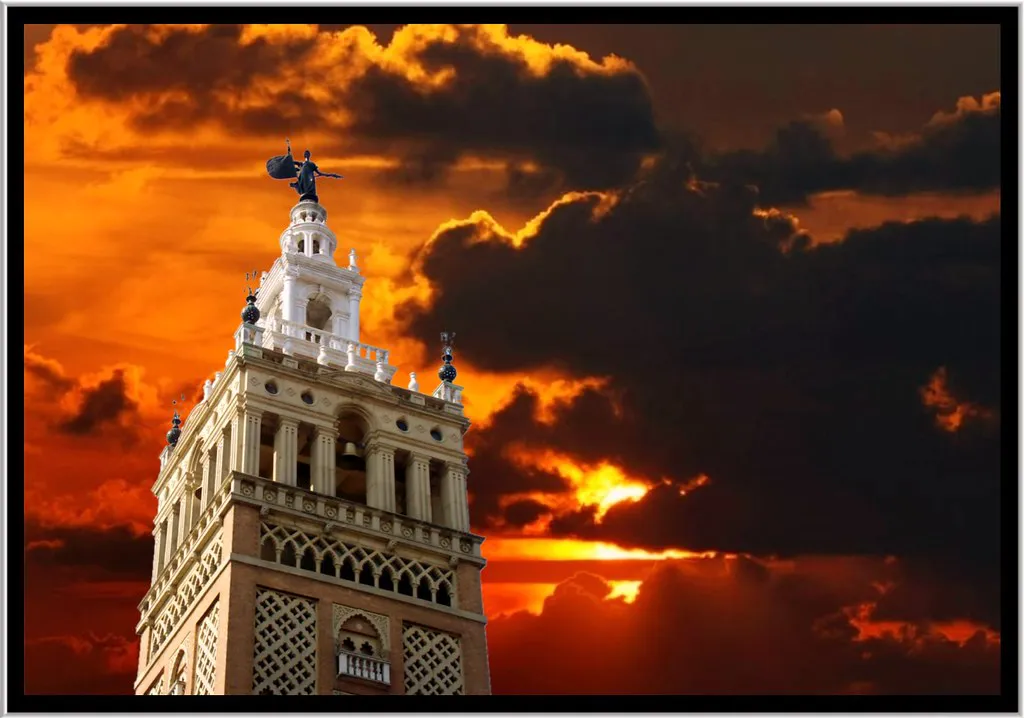
The official start of Semana Santa Seville 2026 falls on March 29, which is Palm Sunday. Processions continue daily until the final celebration on Easter Sunday, which occurs on April 5. Most major events happen between Palm Sunday and Good Friday as the brotherhoods move toward the Cathedral. The most intense period is the night between Thursday and Friday, known locally as La Madrugá.
During the early days of the week, the processions often start in the late afternoon and last until midnight. As the week progresses, the schedules become longer and the crowds grow significantly larger. You should check the official itinerary daily as weather conditions can cause sudden changes or cancellations. Many locals follow the Spain festival calendar to stay updated on these shifting schedules.
Easter Sunday is a more joyful day featuring the Resurrection procession which is generally less crowded. It marks the end of the mourning period and the beginning of spring celebrations in Andalusia. Many shops and restaurants may have limited hours on this final Sunday of the event. Planning a quiet lunch after the morning procession is a great way to wrap up your trip.
Iconic Processions and Brotherhoods to Watch
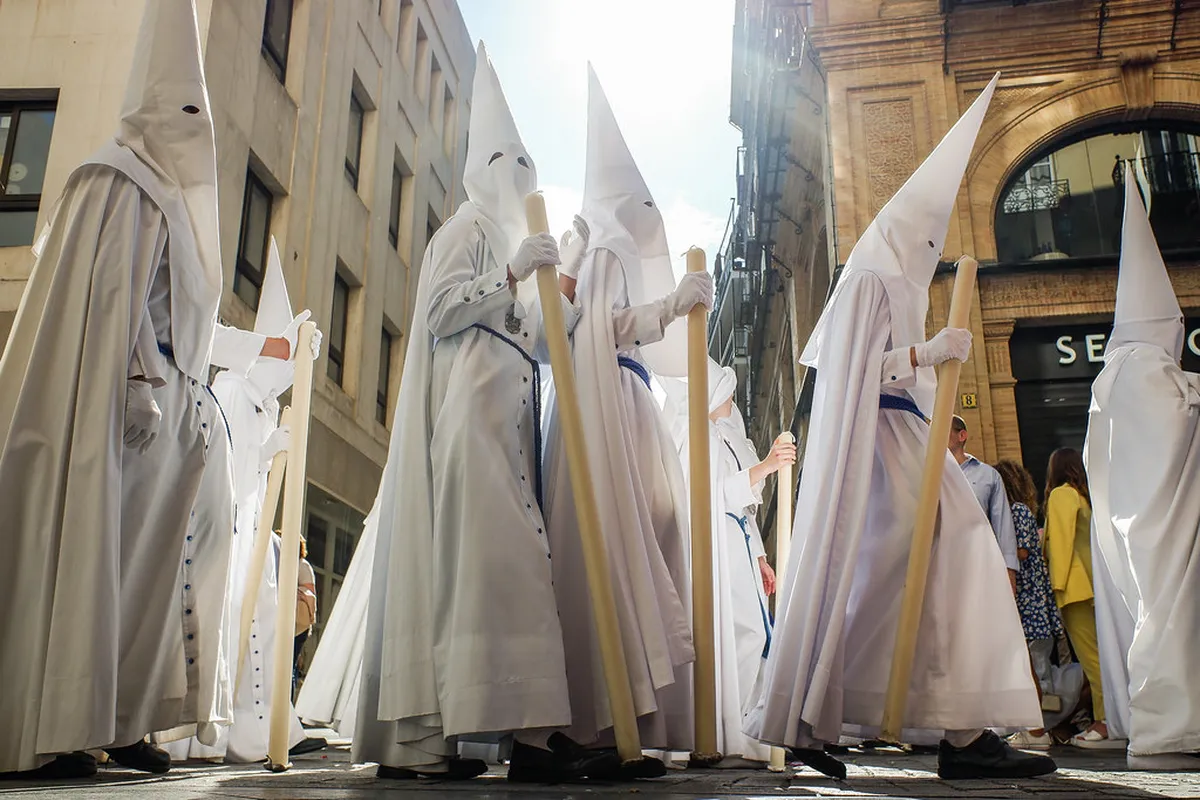
Seville is home to over sixty different brotherhoods, or cofradías, each with its own history and identity. The members wear traditional tunics and pointed hoods, which can look striking to first-time international visitors. Each brotherhood carries two main floats representing the Passion of Christ and the Sorrows of Mary. Learning the stories behind these groups adds a deep layer of meaning to your viewing experience.
The brotherhood of El Gran Poder is famous for its silent and solemn march through the city center. In contrast, the Macarena procession is celebrated with cheers and deep emotional devotion from the local crowds. Watching the Esperanza de Triana cross the bridge from the Triana neighborhood is a highlight for many travelers. You can find more details in our Seville holy week processions guide for specific route maps.
Processions can last over twelve hours from the moment they leave their home church until they return. The most famous groups often pass through the city center in the very early hours of the morning. Arriving early at a specific corner is the best way to see the intricate details of the carvings. Keep in mind that some streets become completely blocked once a procession begins its slow movement.
- The Silent One (El Silencio)
- Type: Solemn Brotherhood
- Best for: Quiet atmosphere
- Where: San Antonio Abad
- Cost: Free to watch
- The Macarena (La Macarena)
- Type: Popular Devotion
- Best for: Emotional energy
- Where: Basilica of Macarena
- Cost: Free street access
- The Gipsies (Los Gitanos)
- Type: Traditional Music
- Best for: Flamenco singing
- Where: Sanctuary of Gitanos
- Cost: Free public viewing
Best Strategy for Navigating the Crowds
Seville becomes extremely crowded during Holy Week, making movement through the old town quite challenging. The city installs thousands of chairs along the official route, but these are usually reserved months in advance. If you do not have a seat, you will need to stand in designated public viewing areas. Check our list of the best spots holy week Seville to find accessible locations.
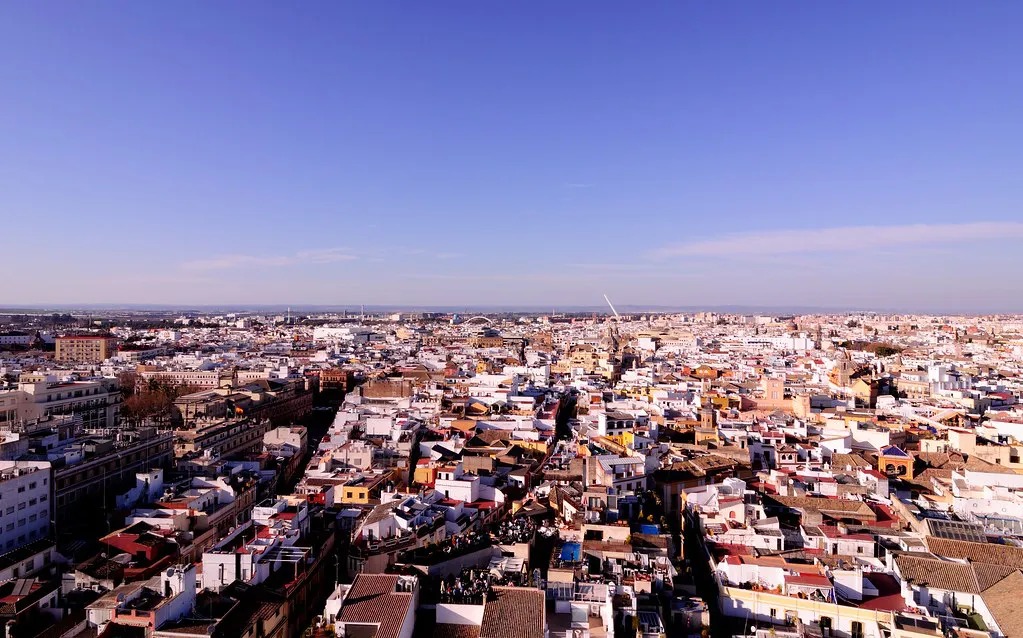
Walking is the only reliable way to get around the historic center during the peak procession hours. Many streets are cordoned off to allow the massive floats and thousands of marchers to pass safely. Public buses and taxis often stop at the perimeter of the city center to avoid the main crowds. Allow at least double the usual time to walk between any two points in the city.
Using a paper map or a specialized mobile app is better than relying on standard GPS during the event. Signal strength can drop in very crowded areas, making digital navigation difficult at peak times. Local police and civil protection officers are stationed throughout the city to help with directions and safety. Always identify a meeting point for your group in case you get separated in a dense crowd.
Staying in a hotel outside the immediate center can save money but requires extra travel time each day. The metro system remains operational and provides a fast link to neighborhoods like Los Remedios or Nervión. If you prefer to stay in the heart of the action, book your room at least one year ahead. This easter in Seville guide explains more about different neighborhood atmospheres during the week.
What to Wear and Cultural Etiquette
Sevillanos take the dress code for Holy Week very seriously, especially on Maundy Thursday and Good Friday. Men often wear dark suits, while women may wear the traditional black lace veil known as a mantilla. While tourists are not expected to dress formally, wearing respectful clothing is highly appreciated by the locals. Avoid wearing flip-flops, shorts, or tank tops when attending the processions or entering the churches.
Comfortable walking shoes are the most important part of your wardrobe for this busy week in Seville. You will spend many hours standing on cobblestone streets while waiting for the brotherhoods to pass by. The weather in late March and early April can be unpredictable with both sun and sudden rain showers. Consult our what to wear holy week Seville article for a full packing list.
Maintaining silence is crucial when the most solemn brotherhoods are passing through the dark streets. It is considered disrespectful to shout, talk loudly, or push through the lines of waiting people. Never try to cross through the line of nazarenos while the procession is in motion. Always wait for a gap in the marchers or use the designated crossing points managed by the police.
Photography is generally allowed, but you should avoid using flash as it can disturb the participants. Be mindful of the people around you and do not block the view of others with large camera gear. Eating and drinking while standing in the front row of a procession is often looked down upon. Step back into a side street or visit a local bar if you need a quick snack or a drink.
Traditional Foods to Enjoy During Holy Week
Holy Week in Seville features several unique seasonal dishes that you will not find at other times. The most famous treat is the torrija, which is similar to French toast but soaked in honey or wine. Bakeries across the city display stacks of these sweet snacks starting several weeks before the event. Sampling different versions of torrijas is a favorite pastime for both locals and visitors alike.
Because many people abstain from meat during this time, seafood and vegetable dishes are very popular. Look for pavías de bacalao, which are crispy battered cod strips served in most traditional tapas bars. Spinach with chickpeas is another classic Sevillian dish that is perfect for a light lunch between processions. These dishes offer a healthy and authentic way to experience the local culture during the holiday.
Restaurants in the city center are incredibly busy and often require reservations weeks in advance. If you do not have a booking, try eating at slightly earlier or later times to avoid the main rush. Many bars offer a limited menu of quick tapas to serve the high volume of people moving through the streets. Carrying a small bottle of water and a light snack is a smart move for long afternoons of sightseeing.
Frequently Asked Questions
What are the exact dates for Semana Santa Seville 2026?
Semana Santa Seville 2026 begins on Sunday, March 29, and concludes on Sunday, April 5. The most significant processions occur during the second half of the week, specifically on Maundy Thursday and Good Friday. Check the official festival schedule for daily start times.
Is it free to watch the processions in Seville?
Yes, watching the processions from the public street areas is completely free for everyone. However, the seated areas along the official route are reserved for those who pay for seasonal tickets. You can still get a great view by standing along the narrower streets near the churches.
Do shops and museums close during Holy Week?
Many shops and museums operate with reduced hours, especially on Thursday and Friday of Holy Week. Large department stores may close entirely on the most important religious holidays. It is best to check the official website of each attraction before you plan your visit.
What is the best way to get to Seville for the event?
The high-speed AVE train is the most efficient way to reach Seville from Madrid or Barcelona. Flights into Seville Airport are also available, but prices rise significantly during the holiday week. Booking your transport at least six months in advance is highly recommended for the best rates.
Visiting Seville during Holy Week in 2026 offers a rare glimpse into the heart of Spanish culture. The combination of art, music, and deep devotion creates a powerful experience for any traveler. While the crowds can be intense, the beauty of the processions makes the effort worthwhile. Prepare your itinerary now to ensure you don't miss the most iconic moments of this historic celebration.
 Best Spots Holy Week Seville: A Local Viewing GuideApril 21, 2026
 Carnival Tenerife Best Events: Top Festival HighlightsApril 21, 2026
 Easter in Seville: The Ultimate Semana Santa GuideApril 21, 2026