
Cologne Christmas Market Guide: 2026 Tips & Map
Plan your trip to the Cologne Christmas Market with our guide. Discover 2026 dates, food, and the best stalls for a perfect winter holiday in Germany.
On this page
Exploring the Magic of the Cologne Christmas Market
Cologne transforms into a festive wonderland every year as the holiday season approaches. The city hosts several unique holiday hubs that draw millions of visitors from across the globe. You will find a distinct atmosphere at every corner of the historic city center.
The cathedral provides a stunning backdrop for the most famous stalls in the region. Sparkling lights and the scent of roasted almonds fill the crisp winter air. Planning your route ahead of time ensures you see the most beautiful displays.
Navigating these busy areas requires some local knowledge and a good sense of direction. Using a cologne christmas market map helps you find the hidden gems away from the main crowds. This guide covers everything you need for a memorable visit.
Key Takeaways
- Visit the Cathedral market early on weekdays to avoid the largest crowds.
- Keep your Glühwein mug as a souvenir or return it to get your deposit back.
- Use the Christmas train shuttle to easily travel between different market locations.
- Carry cash in small denominations for faster transactions at food and drink stalls.
The 10 Magical Christmas Markets of Cologne
Cologne boasts multiple Christmas markets, each with its own theme and character. The Cathedral Christmas Market sits right at the foot of the massive UNESCO World Heritage site. It features over 150 wooden pavilions arranged under a giant net of starry lights. You can enjoy live music on the central stage while sipping warm drinks.
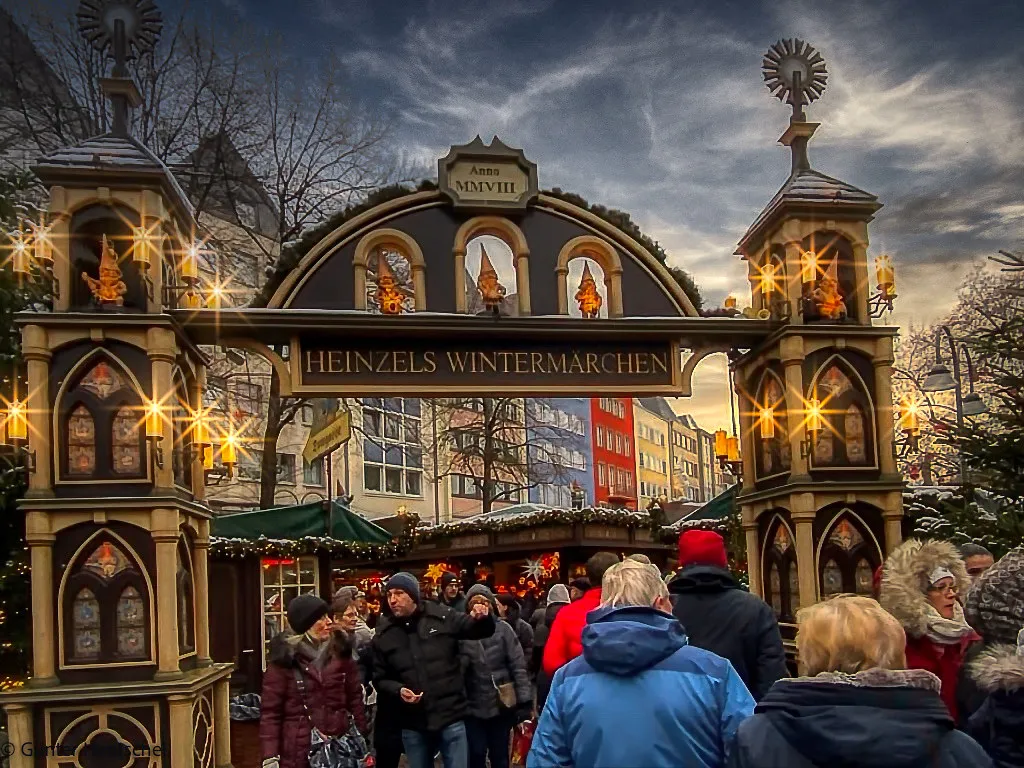
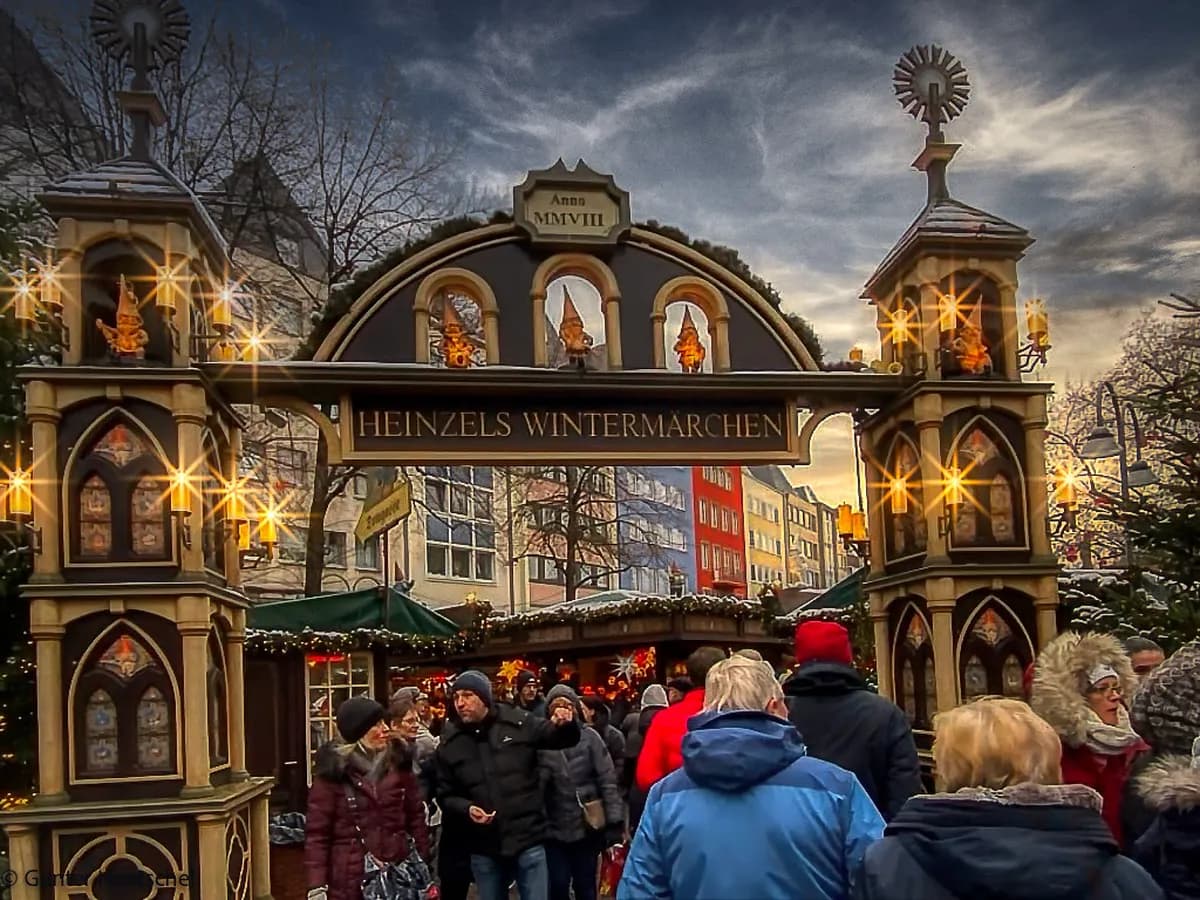
Heinzels Wintermärchen is located in the heart of the Old Town and offers a nostalgic feel with a historic theme since 1820. This area is famous for its large ice skating rink and curling lanes. Skilled craftsmen demonstrate traditional woodcarving and blacksmithing techniques for curious onlookers.
The Market of Angels at Neumarkt brings a touch of elegance to the shopping district. Thousands of white star lights hang from the trees to create a magical canopy. Attendants dressed as angels often wander through the aisles to greet children and offer festive cheer.
The Village of St. Nicholas at Rudolfplatz is perfect for families traveling with young kids. It features a large gatehouse that looks like a fairytale castle from a storybook. Children can write letters to St. Nicholas in a cozy indoor stall, and you may even encounter a St. Nicholas sighting.
The Harbour Christmas Market near the Chocolate Museum offers a maritime twist with ship-sail tents and a Ferris wheel. The Stadtgarten Christmas Market is tucked into Cologne's oldest park and favors locals seeking a quieter vibe. Beyond these main six, smaller markets emerge in the Ehrenfeld district (vegan-friendly, live music), Friesenplatz (HEAVENUE with neon aesthetics), and Südstadt (charity-supporting smaller markets).
- Cathedral Christmas Market
- Type: Traditional, iconic
- Best for: Photos, crowds
- Where: Roncalliplatz
- Cost: Free entry
- Heinzels Wintermärchen
- Type: Historic gnome-themed
- Best for: Ice skating, artisans
- Where: Alter Markt & Heumarkt
- Cost: Free entry
- Market of Angels
- Type: Elegant, starlit
- Best for: Evening vibes, families
- Where: Neumarkt
- Cost: Free entry
- Nicholas Village
- Type: Family-focused
- Best for: Kids, fairytale feel
- Where: Rudolfplatz
- Cost: Free entry
- Harbour Christmas Market
- Type: Maritime-themed
- Best for: Chocolate Museum combo
- Where: Am Schokoladenmuseum
- Cost: Free entry
- Stadtgarten Christmas Market
- Type: Local, intimate
- Best for: Avoiding crowds, locals
- Where: Cologne's oldest park
- Cost: Free entry
Opening Dates and Operating Hours for 2026
Most markets in the city open during the last week of November each year. For 2026, you can expect the festivities to begin around November 16th at the Cathedral market and November 13th at the Harbour market. Checking the specific cologne christmas market dates is vital before booking flights.
Daily operating hours usually start at 11:00 AM and run until 9:00 PM or 10:00 PM depending on the location. Weekend hours often extend slightly later to accommodate the larger crowds of locals. Arriving early on a weekday helps you avoid the busiest evening rushes and enjoy shorter food lines.
Germany observes Totensonntag (Silent Sunday or Sunday of the Dead) in late November, typically the last Sunday before the first Advent. This day of remembrance often causes many markets to close entirely or operate only in the late evening. For 2026, this falls on November 22nd—a critical detail to note when planning your itinerary, as many international travelers miss this and arrive to find markets unexpectedly closed.
The main markets typically conclude their run on December 23rd to allow vendors to head home. A few select locations might stay open until the New Year, especially the Harbour market which often extends to early January. Plan your trip for early-to-mid December to see the city at its peak festive brightness.
Closing times can vary slightly between the larger squares and the smaller neighborhood spots. Always verify the schedule for specific events like the harbor market or the gay-friendly Heavenue market at Friesenplatz. These dates often shift depending on the local calendar and city regulations.
Understanding the Mug Deposit System (Pfand)
The Glühwein mug deposit system is one of the most unique aspects of German Christmas markets. When you purchase your first drink, you pay a Pfand (deposit) of EUR 3-5 on top of the drink cost. This deposit secures the ceramic mug, which is yours to keep as a souvenir—or you can return it to any market stall to get your deposit refunded.
Many collectors intentionally buy drinks at multiple markets to accumulate different mug designs. The Cathedral market features classic red designs with the Cologne Cathedral engraved on them. The Heinzels Wintermärchen markets showcase adorable gnome characters that are highly sought by collectors. The Market of Angels features angel-themed white and gold designs, while the Harbour market includes nautical motifs.
Keeping one or two mugs as souvenirs is economical since the deposit cost is typically lower than buying a souvenir mug separately. However, if you're traveling light or on a strict budget, returning your mugs at the end of your visit is perfectly acceptable. No vendor will judge you—this is a common practice among both tourists and locals.
Pro tip: Exchange your Glühwein mug with other travelers if you'd like variety without paying multiple deposits. Many visitors in online travel forums and at market information booths organize friendly mug swaps.
Best Food and Drink at the Cologne Christmas Market
Eating your way through the stalls is a highlight of any German winter trip. Reibekuchen are crispy potato pancakes usually served with a side of sweet applesauce. These savory treats are a staple of the region and are best eaten hot off the griddle while you walk.
Glühwein is the traditional mulled wine that keeps every visitor warm in the cold. You will find various flavors including cherry, blueberry, and classic spice blends. Our cologne christmas market food guide details the best stalls for these drinks.
Handbrot consists of freshly baked bread stuffed with melted cheese and savory ham pieces. It is a filling snack that is easy to carry while you browse the various craft stalls. Many vendors also offer vegetarian versions with mushrooms or spring onions.
Sweet lovers should look for stalls selling Gebrannte Mandeln, which are sugar-coated roasted almonds. The smell of these nuts often leads you directly to the most popular vendors. You can also find gingerbread hearts decorated with colorful icing and festive messages saying "Ich liebe dich" (I love you).
Bratwurst remains a classic choice for a quick and satisfying lunch on the go. Most stalls grill these sausages over open flames for a smoky and authentic flavor. Pair your meal with a local Kölsch beer if you want to drink like a true Cologner.
For dietary needs, Kinderpunsch (alcohol-free fruit punch) is widely available for non-drinkers and children. Vegan options like roasted vegetables, fruit skewers, and plant-based bread stalls are increasingly common, especially at the Ehrenfeld and Friesenplatz markets.
Crowd Heatmap and Best Times to Visit
The Cathedral market becomes nearly impassable on Saturday and Sunday afternoons, with shoulder-to-shoulder crowds from 2:00 PM onward. If you want to experience this iconic market comfortably, arrive on a weekday morning between 11:00 AM and 1:00 PM, or visit after 7:00 PM on any evening.
Heinzels Wintermärchen follows a similar pattern, with peak crowds on weekends and Friday nights. The ice skating rink draws families from 3:00 PM to closing, so arrive before noon if you want to move freely through the artisan areas.
The quieter alternatives during peak tourist season (December 1-23) are the Stadtgarten market (locals prefer this on weekdays), the Harbour market (quieter except Sundays), and the neighbourhood markets in Ehrenfeld and Südstadt. These spots maintain a festive atmosphere with shorter food lines and less aggressive crowding.
Early December (November 20-December 10) is the sweet spot for visiting before school holidays begin and international tourist arrivals peak. Mid-week visits (Monday-Wednesday) consistently offer the best experience across all markets.
Avoid the entire week of December 15-22, when holiday shoppers and last-minute travelers converge. The markets close on December 23rd to allow vendors to depart, so plan accordingly.
The Christmas Express (Bimmelbahn): Cost-Benefit Analysis
The Bimmelbahn (Christmas Market Express) is a festive miniature train that connects four major markets: the Cathedral market, Heinzels Wintermärchen, the Market of Angels, and Nicholas Village. Round-trip tickets cost EUR 15 per person, and the train operates every 15 minutes during market hours.
For solo travelers or couples, walking between these four markets is faster (20-30 minutes total) and free. However, the Bimmelbahn is worthwhile if you have young children (keeps them entertained), are traveling in a group of 4+ people (amortizes the cost), or have mobility concerns. The ride itself is charming and provides good photo opportunities of the lit-up city.
Families often report that the Bimmelbahn adds to the magical experience without significantly saving time. The train does allow you to rest between markets, which can be valuable after several hours of walking in cold weather.
Tickets can be purchased at the main station near the Cathedral market or online. The route map is displayed at each stop, making it easy to plan your market-hopping strategy.
Where to Stay Near the Cologne Christmas Market
Choosing the right neighborhood depends on your budget and how much walking you enjoy. Staying in the Altstadt puts you within steps of the main market and the cathedral. This area is very convenient but can be quite noisy during the busy weekends.
The Belgian Quarter offers a more trendy atmosphere with boutique shops and local bars. It is a short tram ride away from the main squares and feels more residential. You can find more information on where to stay cologne christmas market to suit your style.
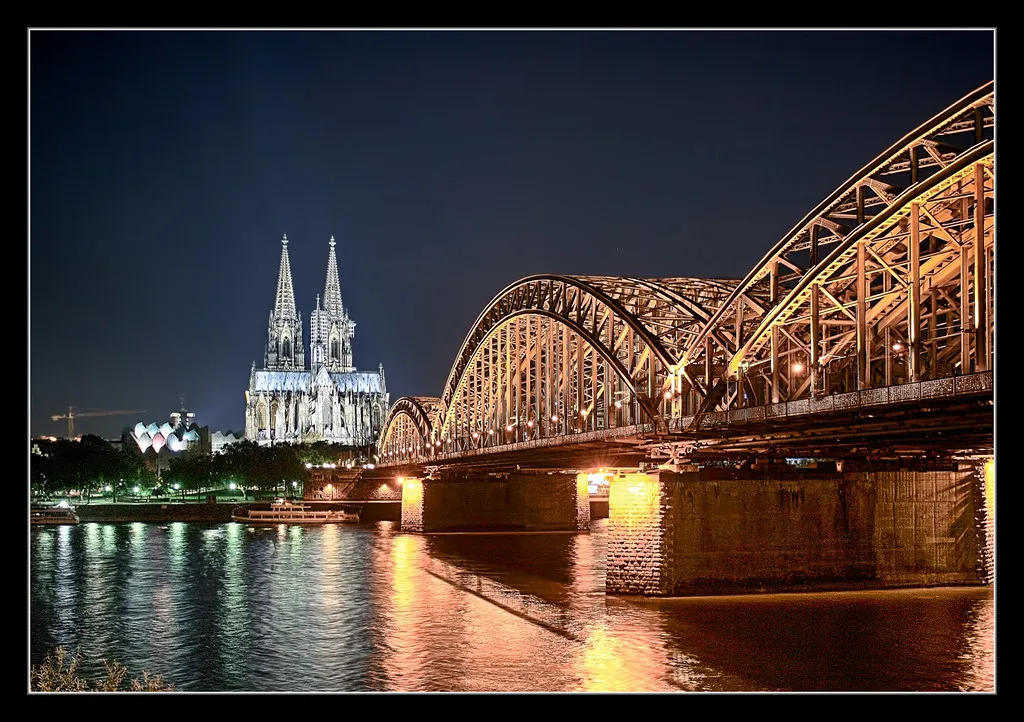
Deutz is located just across the Rhine river and often provides better value for your money. You can walk across the Hohenzollern Bridge to reach the city center in about fifteen minutes. Hotels in this area often have great views of the cathedral skyline, especially when lit up at night.
Neumarkt is another central option that serves as a major hub for the local tram system. It is ideal for travelers who want to visit multiple markets across the city easily. Many mid-range hotels are located along the side streets near this busy square.
Booking your accommodation several months in advance is highly recommended for the December peak. Prices tend to rise sharply as the opening dates for the markets get closer. Look for flexible cancellation policies in case your travel plans need to change.
Essential Packing List for Cologne in Winter
Winter weather in the Rhineland can be damp and chilly even without heavy snow. Temperatures typically range from 0-7°C (32-45°F). Wear multiple layers starting with thermal undergarments, a fleece middle layer, and a waterproof outer jacket.
Waterproof boots with good traction are essential for cobblestone streets that may be icy or wet. Wool socks keep your feet warm and dry throughout long hours of walking. A warm winter hat and insulated gloves are critical—your hands and head lose heat rapidly in cold, windy markets.
A cozy scarf serves dual purposes: warmth around your neck and the ability to pull it up over your face during particularly cold spells. Thermal leggings or wool pants under regular trousers add extra insulation without bulk.
Bring a small crossbody bag or backpack to carry souvenirs, your gloves if you remove them temporarily, and a portable phone charger. Dead batteries are common when taking photos in cold weather.
Optional but helpful: hand warmers (reusable chemical packets), lip balm with SPF (cold and wind cause chapping), and a small umbrella for the frequent drizzle that characterizes a Cologne winter.
Practical Tips for Navigating Cologne in Winter
Public transportation in the city is efficient and covers all the major festive zones. Trams and buses run frequently until late at night throughout the entire holiday season. Consider buying a day pass if you plan to visit more than three markets. The Köln Card offers 24-hour or 48-hour passes with free public transport and 50% discounts at participating restaurants.
Cash is still the preferred method of payment for most small market vendors. While some larger stalls now accept cards, having Euros on hand will save you time. Look for ATMs near the main train station before heading into the crowded squares.
The mug deposit system is a unique part of the German holiday market experience. You pay a few extra Euros when you buy your first drink to cover the cup. You can either return the mug to get your money back or keep it as a souvenir that reminds you of your Cologne adventure.
The Hohenzollern Bridge at sunset offers one of the most spectacular views of the city's lights reflecting on the Rhine River. Walking across the bridge at 5:30 PM provides perfect golden-hour lighting for photos without the nighttime cold.
The Ehrenfeld Christmas Market near Bumann and Sohn Bar offers a vibrant and alternative atmosphere with live music and vegan food options. This spot is worth exploring if you want a more modern side of the city's holiday celebration.
A Perfect 3-Day Cologne Christmas Itinerary
Day 1: Arrive and acclimate to the Cathedral market area. Visit the Cologne Cathedral (free entry, 20 minutes). Explore the Weihnachtsmarkt am Kölner Dom in the morning to beat crowds. Grab Reibekuchen for lunch. Stroll the Old Town (Altstadt) cobblestone streets near Alter Markt. In the late afternoon, head to Heinzels Wintermärchen and try ice skating. Enjoy Glühwein and dinner at a Brauhaus near Rudolfplatz. Watch the Cathedral and Hohenzollern Bridge light up at dusk from the Rhine promenade.
Day 2: Take the Bimmelbahn or walk to the Market of Angels at Neumarkt. Browse handmade crafts. Pop into the nearby Schokoladen Museum (Lindt Chocolate Museum, EUR 14). Visit Nicholas Village at Rudolfplatz and let kids write letters to St. Nicholas. Explore the Belgian Quarter's boutique shops and cafes. Return to the Harbour market for a dinner with nautical-themed ambiance. End the evening at the Stadtgarten Christmas Market if you enjoy quieter crowds.
Day 3: Sleep in, then visit a smaller neighbourhood market (Ehrenfeld, Südstadt, or Friesenplatz) in the morning to experience local life. Take a leisurely walk across the Hohenzollern Bridge. Visit a German restaurant for Wienerschnitzel or traditional Sauerbraten. Spend your final market hours browsing for last-minute souvenirs and collecting a final Glühwein mug if desired. Reflect on your favorite market experience before heading to your evening flight or train.
Other Things to See in Cologne (Besides the Markets)
The Cologne Cathedral (Kölner Dom) is a UNESCO World Heritage site and one of the tallest churches in the world. With its soaring Gothic arches and centuries of history (it took over 600 years to build), it is incredible that entry is free. Spend 20-30 minutes inside enjoying the peaceful respite from the crowds and vibrant stained glass windows.
The Hohenzollern Bridge stretches just under half a mile across the Rhine River and is covered in thousands of love locks clipped to the rails. The bridge is a train bridge (not for cars) and offers spectacular views, especially at sunset when the Cathedral glows with golden light.
The Lindt Chocolate Museum offers a 30-minute experience for EUR 14 per adult, including a chocolate fountain treat. The raised platform behind the museum provides stunning views of the Rhine River and city bridges without paying admission.
The Belgian Quarter, a 15-minute walk from the Cathedral, features cool boutiques, cozy cafes, and vibrant street art. Even if most shops are closed during your visit, the neighbourhood vibe and window shopping are worthwhile.
The Great St. Martin Church displays impressive Romanesque architecture and dominates the Cologne skyline, especially when lit up at night from across the Rhine.
Frequently Asked Questions
When does the Cologne Christmas market start in 2026?
The markets are expected to open on November 16, 2026, with the Harbour market opening on November 13th. Most locations run daily until December 23rd, though some smaller ones might have slightly different schedules. Always check the official cologne christmas market dates for the latest updates before you travel.
Is the Cologne Christmas market free to enter?
Yes, all the major public markets in the city center offer free admission to visitors. You only need to pay for food, drinks, or specific attractions like the ice skating rink or the Chocolate Museum. This makes it easy to visit multiple locations in one day without spending a fortune.
What is the best way to get around the markets?
Walking is the best way to see the central markets, as they are located close together. For further distances, use the efficient KVB tram network or the festive Christmas train shuttle (Bimmelbahn) for EUR 15 round trip. The city is very pedestrian-friendly, but comfortable waterproof boots are a must for the cobblestone streets.
What does Totensonntag mean and why should I care?
Totensonntag (Silent Sunday or Sunday of the Dead) is a German day of remembrance that falls on the last Sunday before the first Advent—November 22nd in 2026. Many markets close entirely or operate only in the evening on this day out of respect. International travelers often miss this detail and arrive to find markets unexpectedly closed, so check your itinerary carefully if visiting around this date.
Can I use credit cards at the market stalls?
Many vendors still prefer cash, especially for small purchases like a single bratwurst or mug of wine. Some larger craft stalls may accept cards, but it is not guaranteed everywhere. Carry enough Euros to avoid searching for an ATM in the middle of a crowded square.
Visiting the Cologne Christmas market is a bucket-list experience for any traveler who loves the holiday season. The combination of historic architecture and festive cheer creates an atmosphere that is hard to match. You will leave with wonderful memories and perhaps a few unique handmade gifts or collectible mug souvenirs.
Remember to plan your visit around the Totensonntag closure and avoid the busiest weekend times to ensure a more relaxed trip. Use the local transport, stay centrally, and take time to wander the quieter neighbourhood markets alongside the famous Cathedral square. Every market offers something special that contributes to the overall magic of the season.
Whether you are there for the food, the shopping, the lights, or the Glühwein, Cologne never disappoints in December. For more inspiration on holiday travel across the country, check out germany travel tips. Enjoy your winter adventure in one of Europe's most festive cities.
 Berlin Christmas Market Dates 2026: Complete GuideApril 21, 2026
 15 Best Christmas Markets Europe: 2026 Travel GuideApril 21, 2026
 Cologne Christmas Market Dates 2026: Planning GuideApril 21, 2026