
15 Best Christmas Markets Europe: 2026 Travel Guide
Discover the best christmas markets europe offers for 2026. Get expert tips on dates, top destinations, and local foods to plan your magical winter trip.
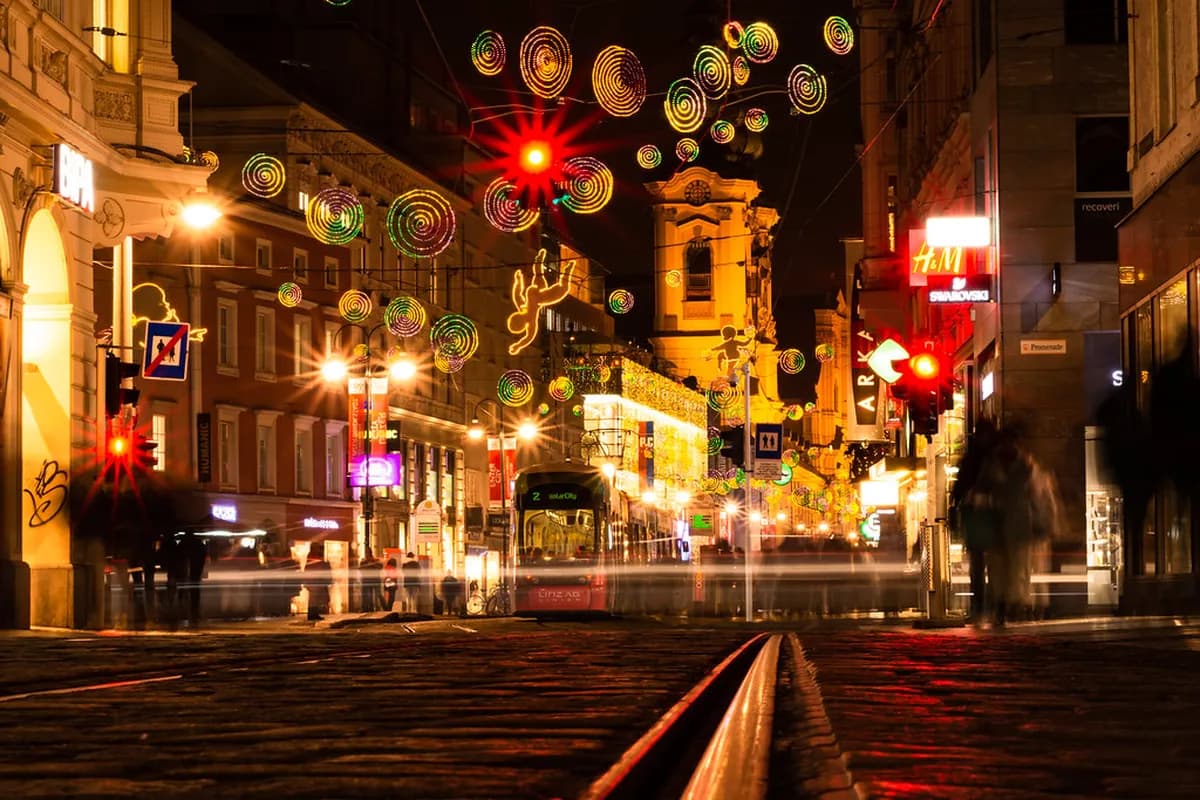
On this page
Best Christmas Markets Europe: A Complete Guide for 2026
Europe transforms into a winter wonderland every November as festive stalls fill historic town squares. These seasonal gatherings offer more than just shopping; they provide a sensory journey through centuries of tradition. Planning your route early ensures you catch the best lights and avoid the heaviest holiday crowds. Exploring the most magical Christmas markets in Europe requires a mix of curiosity and practical preparation.
This guide covers 15 of Europe's most iconic and alternative markets, from Strasbourg's massive tree to Tallinn's medieval atmosphere. Each market has its own vibe and design character, earning different scores across five dimensions: Vibe & Atmosphere, Theme & Design, Food & Drinks, Entertainment & Activities, and Shopping & Souvenirs. Whether you're seeking crowded city landmarks or quiet local gatherings, we'll help you prioritize where your time and euros are best spent in 2026.
Key Takeaways
- Book train tickets and hotels at least three months in advance for 2026.
- Carry Euro cash in small denominations for food and craft vendors.
- Visit on weekdays before 5:00 PM or after 7:00 PM to avoid peak crowds.
- Look for the 'Pfand' system to collect or return unique souvenir mugs.
- Alternative markets (Tallinn, Zagreb) offer lower prices and fewer tourists than iconic French/German markets.
- Photography golden hour is 4:30-6:00 PM when twilight and market lights align perfectly.
Strasbourg, France: The Historic Capital of Christmas
Strasbourg claims the title of Capital of Christmas and holds it firmly. The 2026 market opens late November and features over 300 wooden chalets spreading across Place de la Cathédrale and surrounding squares. The backdrop of the soaring cathedral and towering Christmas tree creates Instagram-ready moments throughout the day. Average glühwein price: 6-8 EUR. Open daily 11:00 AM-10:00 PM.
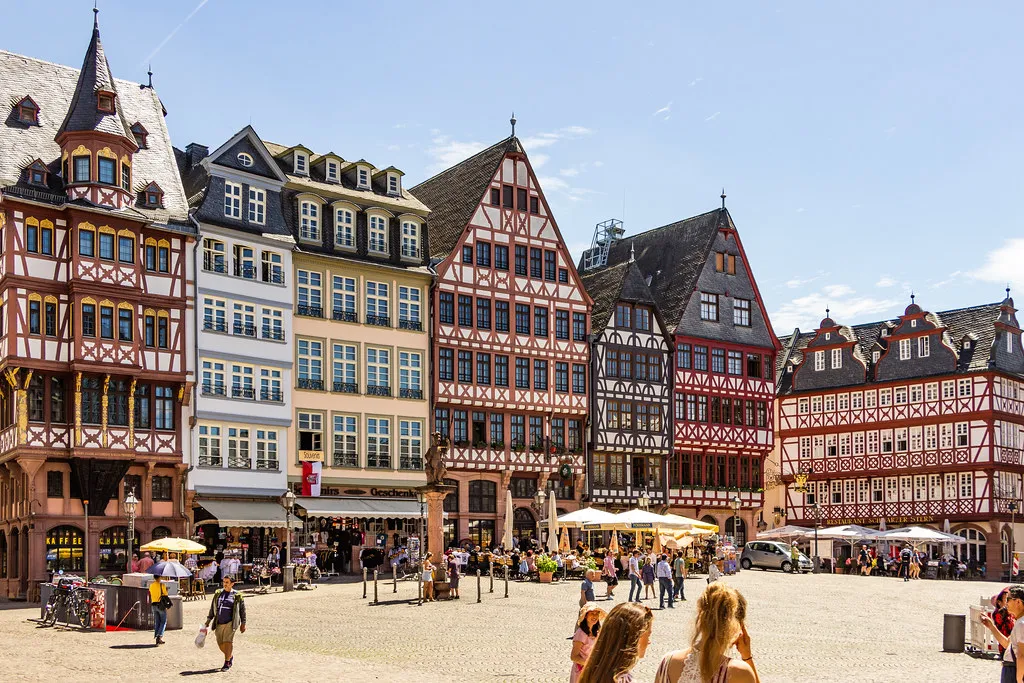
- Vibe & Atmosphere: 9/10 — Historic, magical, friendly locals
- Theme & Design: 8/10 — Unified French aesthetic with cathedral backdrop
- Food & Drinks: 8/10 — Regional Alsatian specialties, wine-forward
- Entertainment: 7/10 — Carolers, live bands, cathedral lighting
- Shopping: 7/10 — Handmade crafts, some tourist ornaments
- Best photo spot: Cathedral steps at 5:00 PM, lights just coming on
Cologne, Germany: Festive Magic by the Cathedral
Cologne boasts multiple distinct markets, each with its own theme. The main market beneath the twin spires of the Gothic cathedral remains the flagship attraction. The 'Heinzels Wintermärchen' section caters to families with rides and whimsical decorations. Ice skating rinks and live music provide entertainment beyond shopping. Mulled wine: 5-7 EUR. Operating late November through December 23.
- Vibe & Atmosphere: 9/10 — Festive, family-friendly, excellent energy
- Theme & Design: 8/10 — Themed zones (gnomes, angels) within one market
- Food & Drinks: 7/10 — German classics, good variety
- Entertainment: 9/10 — Ice rink, live stages, multiple themed areas
- Shopping: 7/10 — Mix of handmade and commercial
- Best photo spot: Cathedral from the market floor at dusk, stalls lit
Tallinn, Estonia: Best Medieval Atmosphere
Tallinn's Town Hall Square market sits within a UNESCO-listed medieval old town, creating an authentic backdrop rarely found in Western European markets. This Baltic market remains pleasantly undercrowded even mid-December, with 60-70% fewer tourists than Strasbourg. Local honey, wool goods, and handwoven textiles dominate stalls. Mulled wine: 4-5 EUR (cheapest in Europe). Open late November through January 2.
- Vibe & Atmosphere: 8/10 — Authentic, quiet, local community feel
- Theme & Design: 9/10 — Entire medieval square becomes the market
- Food & Drinks: 7/10 — Baltic specialties, affordable
- Entertainment: 6/10 — More contemplative than activities-heavy
- Shopping: 8/10 — Unique local crafts, less mass-produced items
- Best photo spot: Raekoja plats square corner at sunset for full square view
Zagreb, Croatia: Award-Winning Advent Events
Zagreb's Ban Jelacic Square hosts one of Europe's most decorated markets, with hundreds of warming stations and 150+ stalls. The city extends holiday programming across multiple plazas, including the King Tomislav Square market for crafts. Croatia's first official Advent celebration starts November 15 and runs through January 5, 2026. Mulled wine: 3-4 EUR. Entry is free to all markets.
- Vibe & Atmosphere: 8/10 — Festive, warm community gathering
- Theme & Design: 9/10 — City-wide Advent theme coordination
- Food & Drinks: 8/10 — Balkan and Central European specialties
- Entertainment: 8/10 — Live music, light shows, multiple venues
- Shopping: 7/10 — Mix of local and regional crafts
- Best photo spot: Ban Jelacic statue at night with market lights reflected
Salzburg, Austria: Alpine Traditions and Music
Salzburg's markets blend Alpine heritage with classical music heritage. Three main markets operate across Residenzplatz, Domplatz, and the Mozartplatz, each with distinct character. The city's connection to Mozart means occasional live classical performances add sophistication to the market experience. Glühwein white and red: 5-6 EUR. Open daily from 10:00 AM-9:00 PM late November-December 26.
- Vibe & Atmosphere: 8/10 — Elegant, cultured, less touristy than Strasbourg
- Theme & Design: 8/10 — Three connected market zones with Alpine motifs
- Food & Drinks: 8/10 — Austrian specialties, high-quality crafted goods
- Entertainment: 9/10 — Live music, historical settings, cathedral bells
- Shopping: 8/10 — Quality handmade ornaments and textiles
- Best photo spot: Residenzplatz courtyard at twilight with fountain in foreground
Colmar, France: A Fairytale Storybook Setting
Colmar spreads five smaller markets across a half-timbered medieval town instead of concentrating in one square. This design forces a slower pace and reveals charming side streets and canals lined with lights. The Petite Venise area with water reflections creates photographer's paradise locations. Market prices align with Strasbourg. Open late November through December 31.
- Vibe & Atmosphere: 9/10 — Intimate, romantic, feels most European
- Theme & Design: 9/10 — Entire town becomes the market experience
- Food & Drinks: 8/10 — Alsatian wines, Nutella crepes, local pastries
- Entertainment: 7/10 — Exploration replaces staged entertainment
- Shopping: 8/10 — High-quality artisan goods throughout
- Best photo spots: Petite Venise at 5 PM, reflections in water; half-timbered streets at dusk
Nuremberg, Germany: The Traditional Gingerbread Capital
Nuremberg's Christkindlesmarkt is the world's largest by stall count (180+ stalls) and features the famous spicy gingerbread (Lebkuchen) certification program ensuring authenticity. A city ordinance bans plastic decorations, keeping the market strictly traditional in aesthetic. The 'Prune People' handcrafted figures and gingerbread houses dominate the shopping experience. Mulled wine: 5-6 EUR. Operating 10:00 AM-9:00 PM daily through December 24.
- Vibe & Atmosphere: 8/10 — Traditional, bustling, heavily touristed
- Theme & Design: 8/10 — Authentic medieval market square within city walls
- Food & Drinks: 9/10 — Unmatched gingerbread selection, traditional sausages
- Entertainment: 7/10 — Opening ceremony, daily schedule of events
- Shopping: 8/10 — Gingerbread focus, high volume of stalls
- Best photo spot: Hauptmarkt square from southeast corner, pyramid perspective
Bruges, Belgium: Best for Photography and Chocolate
Bruges' Markt square and surrounding Christmas markets combine medieval architecture with winter magic in ways few European cities match. The city prioritizes chocolate artisans, with 40+ chocolate makers among market vendors. Winter ice skating rinks in historic plazas add activity layers. Mulled wine: 6-7 EUR. Open late November through January 3, 2026.
- Vibe & Atmosphere: 9/10 — Romantic, quiet compared to German markets, locals present
- Theme & Design: 9/10 — Entire medieval town is photogenic backdrop
- Food & Drinks: 9/10 — Belgian waffles, chocolate, spiced wine
- Entertainment: 8/10 — Ice skating, historic setting attractions
- Shopping: 8/10 — Chocolate-focused, Belgian crafts
- Best photo spots: Markt square bell tower from stall level; Burg square at 5 PM; canal sides with tree lights
Rothenburg ob der Tauber, Germany: Medieval Winter Charm
Rothenburg remains the most photogenic medieval town in Germany, and its Christmas market takes advantage. Snow-covered half-timbered buildings, cobblestone streets, and city wall walks create a Christmas card aesthetic. The market stays small (intentionally) to preserve medieval character, with about 40 stalls. Prices: 5-6 EUR for mulled wine. Open late November through December 23.
- Vibe & Atmosphere: 9/10 — Romantic, snowy, feel of time travel
- Theme & Design: 9/10 — Entire town is genuine medieval market
- Food & Drinks: 7/10 — Traditional, but limited vendor variety
- Entertainment: 7/10 — Walking the city walls, exploration is the entertainment
- Shopping: 7/10 — Ornaments, local handicrafts, gingerbread
- Best photo spots: Market square with snow; city walls at dusk; Plönlein corner street view
Vilnius, Lithuania: Innovative Baltic Christmas
Vilnius Cathedral Square market blends Baltic traditions with contemporary art installations and design-forward stalls. The city invests in modern lighting and experiential elements (light tunnels, projection mapping) alongside traditional crafts. This market attracts design-conscious travelers who find Western markets overly commercial. Mulled wine: 3-4 EUR. Open late November through January 3.
- Vibe & Atmosphere: 8/10 — Modern meets traditional, creative energy
- Theme & Design: 9/10 — Innovative installations complement traditional stalls
- Food & Drinks: 7/10 — Baltic specialties, less wine-focused
- Entertainment: 9/10 — Art installations, light shows, interactive elements
- Shopping: 8/10 — Contemporary crafts alongside traditional
- Best photo spot: Cathedral square with light installation backdrop at 6 PM
Aachen, Germany: Best for Local Family Vibes
Aachen's market feels genuinely local, with families and neighbors gathering rather than tour groups dominating. The Markt square market remains modest in size, making it walkable without crowd stress. The city sits on the Germany-Netherlands border, making it accessible via train from both countries. Glühwein: 5 EUR. Open late November through December 23.
- Vibe & Atmosphere: 8/10 — Genuinely local, family-oriented, welcoming
- Theme & Design: 7/10 — Traditional square layout, no major theming
- Food & Drinks: 7/10 — German classics, hot chocolate, local specialties
- Entertainment: 7/10 — Limited staged events, natural gathering is the appeal
- Shopping: 7/10 — Mix of local and regional goods, fewer tourist items
- Best photo spot: Markt square at early evening with local gatherings around stalls
Hallstatt, Austria: Best for Lakeside Scenery
Hallstatt's tiny market sits beside the Hallstätter See lake, backed by dramatic Alpine peaks. This UNESCO World Heritage site becomes a Christmas card setting when snow-covered. The market is small by design (25-30 stalls) and operates only weekends and December 20-January 1 due to village size. This exclusivity keeps crowds manageable. Glühwein: 5-6 EUR. Expect 100-120 EUR hotel rates due to remote location.
- Vibe & Atmosphere: 8/10 — Serene, natural setting dominates experience
- Theme & Design: 8/10 — Nature and lake provide the backdrop
- Food & Drinks: 7/10 — Limited vendors, traditional Alpine food
- Entertainment: 5/10 — Scenery is primary entertainment
- Shopping: 6/10 — Few stalls, mostly local artisans
- Best photo spot: Market from the lake shore at sunset, peaks in background
Budget Comparison: Classic vs. Alternative Markets
Classic markets (Strasbourg, Cologne, Nuremberg, Bruges) charge 6-8 EUR per mulled wine, 15-20 EUR for meals, and 25-40 EUR average ornament prices. Hotel rates in surrounding towns: 80-140 EUR/night. Expect 2,000+ daily tourists mid-December. Alternative markets (Tallinn, Zagreb, Vilnius) charge 3-5 EUR for mulled wine, 8-12 EUR for meals, and 10-20 EUR for crafts. Hotels: 40-70 EUR/night. Tourist crowds: 200-400 daily.
For budget travelers: Eastern European alternatives cut costs by 50-60% while offering equal cultural depth. For experience-prioritizers: Western markets deliver photogenic scenery and scale. For family trips: Salzburg and Bruges balance both.
2026 Opening Dates and Best Times to Visit
Most markets begin late November (November 23-30, 2026) and close December 23-24 or extend to January 5. Tallinn and Zagreb notably stay open through January for New Year celebrations. Early December (December 1-10) offers the best balance of holiday energy and manageable crowds. Mid-December (December 10-20) brings school groups and peak prices. Late November means lower hotel rates but potential incomplete market setups.
Photography golden hour is 4:30-6:00 PM when twilight creates depth and market lights illuminate naturally. Visit weekdays before 5:00 PM or after 7:00 PM to dodge peak crowds. Saturday afternoons (12:00-6:00 PM) see heaviest foot traffic. Sunday mornings (9:00-11:00 AM) attract local families but remain walkable.
What to Eat and Drink: Glühwein and Beyond
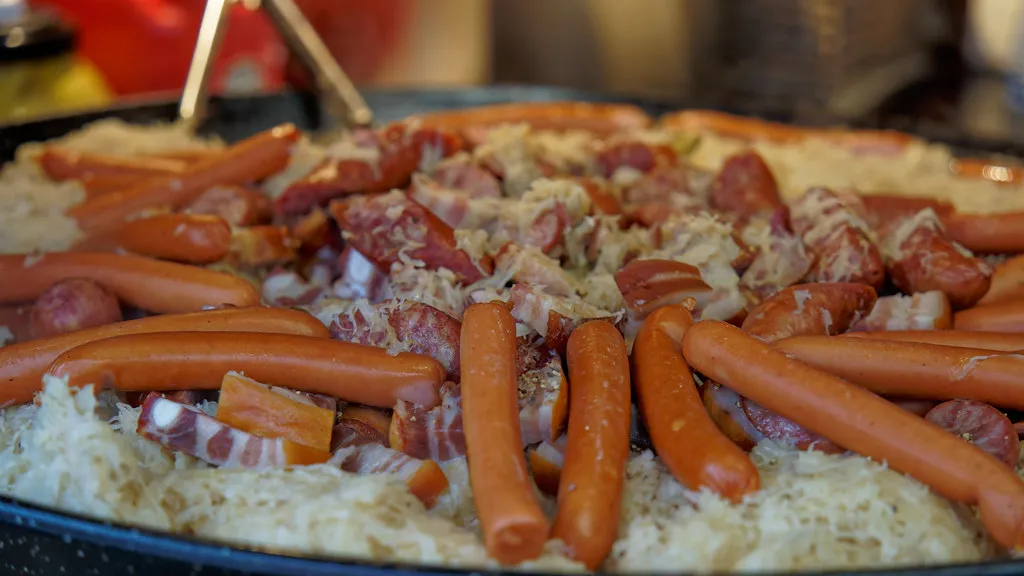
Glühwein is the signature drink across all markets, typically mulled red wine (white in Austria). Price ranges from 3 EUR (Vilnius) to 8 EUR (Bruges), with most markets averaging 5-6 EUR. Most require a 2-3 EUR deposit on ceramic mugs you can keep or return. Kinderpunsch (non-alcoholic fruit punch) substitutes for children at 3-4 EUR. German white sausages with sweet mustard cost 8-10 EUR and pair well with weizen beer.
Regional specialties worth seeking: Strasbourg's Flammekuchen (Alsatian pizza, 10-12 EUR); Nuremberg's authentic Lebkuchen gingerbread (5-7 EUR); Prague's Trdelník (spiral pastry, 4-6 EUR); Salzburg's roasted chestnuts (Maroni, 6-8 EUR per cup); Bruges' Belgian waffles with chocolate (7-9 EUR). Many stalls offer vegan options like roasted nuts, dairy-free mulled wine, and vegetable skewers—request when ordering.
Overtourism avoidance tip: Visit food stalls after 7:00 PM when lunch crowds clear but evening gatherers haven't arrived. This timing cuts wait times 60-70% while maintaining food availability.
Photography Location Guide and Best Spots
Each market's architectural backdrop determines its photogenic value. Colmar, Bruges, and Rothenburg excel due to half-timbered architecture reflecting lights. Strasbourg and Cologne benefit from massive cathedral backdrops. Salzburg and Vilnius leverage piazza proportions. The golden hour (4:30-6:00 PM winter twilight) creates contrast between dark sky and warm stall lighting.
Equipment: Smartphones with night mode suffice. A basic tripod (20 EUR) enables self-portraits without crowds. Shoot from stall level looking up toward lights for inclusion without people-heavy frames. Shoot from elevated positions (church steps, square corners) for landscape compositions showing market scale.
Instagram-worthy angles: Strasbourg's cathedral dome framed by stalls; Colmar's Petite Venise water reflections; Bruges' bell tower from low angle; Rothenburg's snow-covered roofs; Salzburg's palace courtyard; Vilnius' light installations at 6 PM. Visit these spots during your first walk to identify the angles before crowds build.
Essential Travel Logistics and Connectivity
Train travel between markets remains the easiest logistics option. A European Interrail Pass (7 days, 280-350 EUR) covers unlimited train access. Individual tickets: Strasbourg-Colmar 15 EUR; Colmar-Rothenburg 40 EUR; Rothenburg-Nuremberg 30 EUR; Nuremberg-Cologne 80 EUR. Pre-book accommodations 3+ months ahead during peak December weeks. Consider staying in smaller towns (Kaysersberg near Colmar, Bad Bergzabern near Rothenburg) and commuting 20-30 minutes for lower rates (40-60 EUR vs 100+ EUR in city centers).
eSIM connectivity prevents roaming charges across multiple countries. Viasim or Airalo eSIMs cost 15-35 EUR for 8GB/month coverage across EU countries. Download offline maps (Google Maps offline function) for each city to navigate cobblestone streets without relying on live data. ATMs cluster near market squares; withdraw 100-150 EUR cash before entering markets as many small vendors (ornament stalls, food carts) accept cash only.
Winter packing: Waterproof boots rated for temperatures below 0°C. Layering (thermal base + wool sweater + windproof jacket) is essential; temperatures drop 10°C from afternoon to evening. Carry an extra foldable bag (available at airport shops, 10 EUR) for ornaments and gifts. Consider luggage storage (10-15 EUR/day at main train stations) if doing a multi-city circuit, allowing you to explore without dragging bags.
Seasonal Demand and Overtourism Management
December 15-22 sees peak international tourism (Strasbourg, Cologne, Nuremberg average 3,000+ daily visitors). December 1-10 remains pleasantly crowded but navigable. November 23-30 offers lowest prices and shortest queues but some market setup remains ongoing. Late December (December 23-24) shuts down most Western markets as locals head home, though Prague and Budapest remain open.
Crowd avoidance tactics: Visit on Tuesdays-Thursdays (weekday advantage: 50% fewer tourists). Arrive 10:00-11:00 AM opening hours or after 8:00 PM for minimal queues. Use alternative markets (Tallinn, Zagreb, Vilnius, Aachen) as genuine crowd-avoidance options with comparable quality at 60% of Strasbourg's visitor density. Booking private guided tours (70-120 EUR) of specific markets provides skip-the-line access and local knowledge unavailable to self-guided tourists.
Frequently Asked Questions
What are the best christmas markets europe for foodies?
Food lovers should prioritize markets in Vienna and Budapest for their diverse culinary offerings. You can enjoy everything from hearty goulash to sweet chimney cakes in these cities. For more details on planning your route, check the multi-city festival guide online.
Are European Christmas markets free to enter?
The vast majority of Christmas markets in Europe are free to enter for all visitors. Some specialized markets or those with live performances may charge a small entry fee of 2 to 5 Euros. Always carry a small amount of cash for these rare instances.
When do most European Christmas markets close?
Most markets close on December 23rd or 24th as locals head home for family celebrations. However, some larger cities like Prague and Budapest keep their stalls open until early January. Always verify the specific dates for each city before booking your travel.
Exploring the best Christmas markets Europe offers is a bucket-list experience for any winter traveler. The combination of historic architecture and festive cheer creates memories that last a lifetime. Taking the time to plan your logistics and timing will ensure a much smoother and more enjoyable trip. Embrace the local traditions and flavors to truly experience the magic of the European holiday season.
 Best Christmas Markets Germany 2026: Festive GuideApril 21, 2026
 Cologne Christmas Market Dates 2026: Planning GuideApril 21, 2026
 Cologne Christmas Market Guide: 2026 Tips & MapApril 21, 2026