Budapest Christmas Market Dates: 2026 Festive Guide
Discover official Budapest Christmas market dates for 2026. Plan your visit to Vörösmarty Square and the Basilica with our expert travel tips.
On this page
8 Essential Things to Know About Budapest Christmas Market Dates
Budapest transforms into a magical winter wonderland as the holiday season approaches each year. Knowing the official **budapest christmas market dates** helps travelers plan their flights and accommodation early. The city offers more than just two main markets—festive lights decorate historic streets while the scent of mulled wine and cinnamon fills the crisp evening air. Whether you're visiting the famous Vörösmarty Square or the ice-skating spectacular at St. Stephen's Basilica, timing is everything to catch the best of Budapest's holiday season.
This guide covers everything you need to know: exact opening hours, local food prices, hidden markets beyond the tourist squares, family programs, and the special holiday schedules during December 24-26 when many visitors are caught off guard. By understanding these eight essentials, you'll navigate the markets like a local and maximize your festive experience in this historic capital.
Official Budapest Christmas Market Dates & Opening Hours for 2026
The main festivities typically begin in mid-November and continue through early January. While official 2026 dates have not yet been released, historical patterns suggest the markets will open around November 14–15, 2026, and run through December 31, 2026, with St. Stephen's Basilica extending into January 1, 2027. Checking the budapest christmas market schedule in early November ensures you catch the grand opening ceremonies and official announcements.
Most markets operate 11:00–21:00 on weekdays, with extended hours 11:00–22:00 on Fridays and Saturdays. However, December 24 (Christmas Eve) sees dramatically reduced hours—expect closures by 14:00–15:00 as vendors prioritize family time. December 25 remains fully closed, but markets reopen by December 26 with normal schedules through year's end. January 1 (New Year's Day) is typically the final day before most markets close for the season.
Planning around these dates allows you to avoid peak tourist surges in early December and find better hotel rates and shorter lines in late November. Weekday visits during the first two weeks of November and after January 1 offer the most relaxed experience. Keep in mind that Christmas week (Dec 19-25) is the busiest period, with locals joining tourists for last-minute shopping and celebrations. Always verify exact dates a few weeks before traveling, as minor adjustments can occur.
Vörösmarty Square: The Main Christmas Fair & Winter Festival
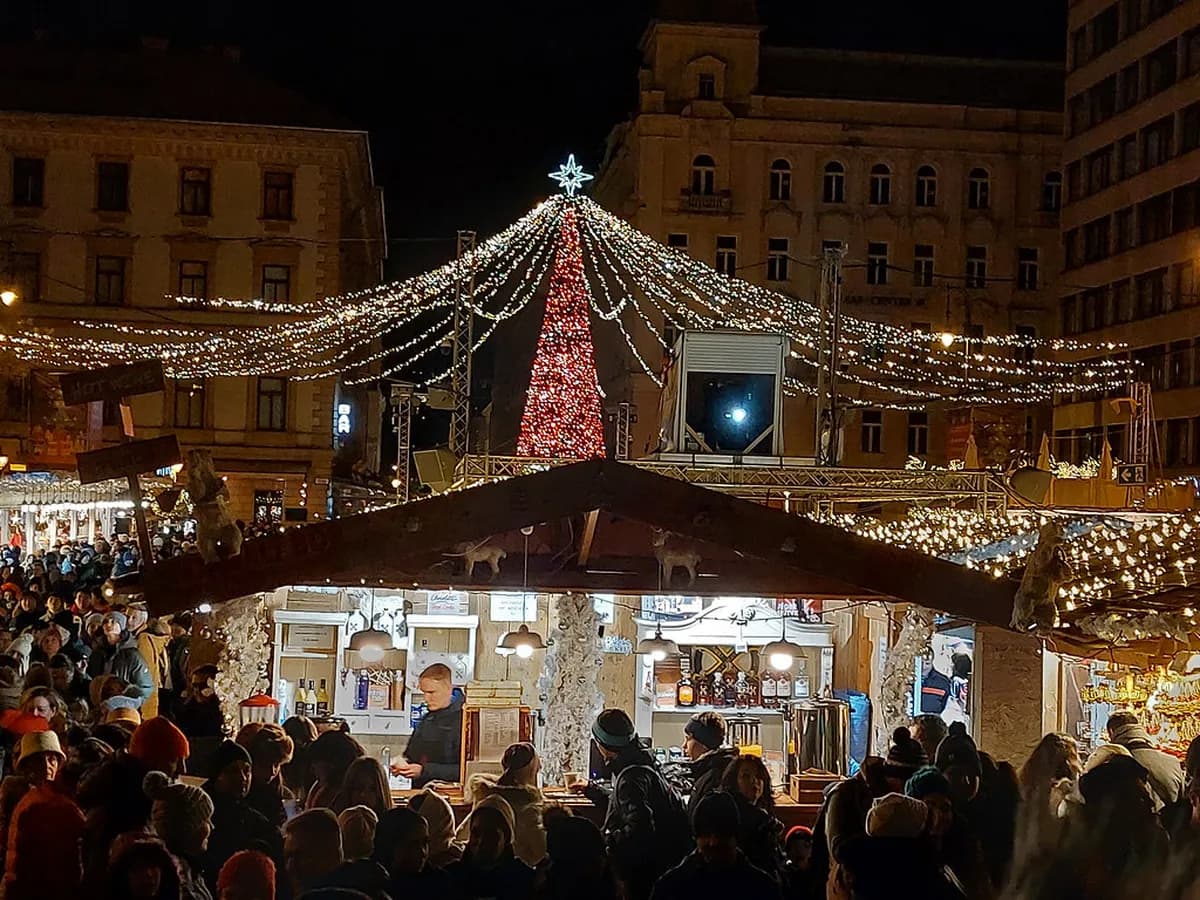
The heart of Budapest's holiday action is the vorosmarty square christmas market, the oldest and most traditional market in the city center. Operating since 1998, this iconic square hosts over 100 wooden stalls featuring Hungarian folk art, ceramics, leather goods, and handmade crafts produced by local artisans. The massive central Christmas tree dominates the square, flanked by a large stage hosting live folk dancers, traditional choirs, and classical musicians throughout the day and evening.
Vörösmarty is famous for its culinary delights and artisanal glass products. You can find unique ceramic ornaments, hand-knitted scarves, and embroidered textiles alongside roasted chestnuts and mulled wine. The square also connects directly to Deák Ferenc utca (Fashion Street), where high-end holiday displays and boutique shopping create an extended festive district. A ceramic souvenir mug costs around 2,500–3,500 HUF (9–12 EUR), making an affordable keepsake of your visit.
The square is most beautiful after 16:30 when decorative lights illuminate the entire area and create a classic European Christmas atmosphere. Arrive early morning (10:00–12:00) for quieter browsing and shorter food lines, or visit weekday evenings for a relaxed stroll. Weekend nights attract locals and can become crowded, especially in the final week before Christmas.
Advent Basilica: Award-Winning Market at St. Stephen's Square
The st-stephens christmas market budapest is located right in front of the stunning Neo-Classical basilica, offering one of Europe's most photogenic holiday settings. A massive ice skating rink surrounds the central Christmas tree, with the basilica's grand facade as a backdrop. Voted one of the top European Christmas markets for four consecutive years, this market attracts photography enthusiasts and families seeking dynamic holiday entertainment.
Every 30 minutes from 16:30 to 22:00, the basilica facade illuminates with a 3D laser projection light show—a breathtaking spectacle unique to Budapest's markets. The rink operates 10:00–22:00 daily, with skate rentals costing 1,500–2,500 HUF (5–8 EUR) and deposits refundable upon return. Over 100 stalls offer handcrafted gifts, festive decorations, and traditional Hungarian treats. The market extends through January 1, making it the longest-running market in the city.
St. Stephen's can feel shoulder-to-shoulder on weekend evenings due to the light show crowds. Visit on a weekday morning (10:00–13:00) for skating without queues, or come 30 minutes before sunset (around 16:00) to secure a good view of the light show while avoiding peak crowds. Dress warmly—the open-air ice rink means temperatures feel colder than the surrounding city.
Alternative Markets: Óbuda, Fashion Street, and City Hall Park
Beyond the two main squares, Budapest hosts several smaller markets with distinct characters. The Óbuda Advent Fair (Old Buda) is significantly less touristy than Vörösmarty or Basilica markets, offering a quiet, local vibe where prices are 15-20% lower for food and mulled wine. Located in Fő tér (Main Square) on the Buda side, this market attracts primarily local Hungarians and is perfect for those seeking authentic cultural immersion away from crowds. Hours typically run 11:00–20:00 daily through December 31.
Deák Ferenc utca (Fashion Street) runs adjacent to Vörösmarty Square and features high-end holiday shopping alongside the market. While not a traditional Christmas fair, Fashion Street displays some of Budapest's most elaborate holiday decorations and lights, creating an extended festive shopping district. No official market hours apply here—individual stores determine their own schedules, but holiday lights remain on into the late evening.
Erzsébet Square and City Hall Park markets offer smaller selections but provide proximity to central attractions and fewer crowds. These secondary markets typically feature local vendors, street food, and hand-knitted goods at lower prices than the flagship locations. Erzsébet Square's proximity to the Budapest Eye (Ferris wheel) allows visitors to enjoy aerial views of the holiday-lit cityscape—a unique perspective on the festive landscape.
Gastronomy Guide: Food & Beverage Prices for 2026
Traditional Hungarian cuisine is the heart of the market experience. Chimney cake (kürtőskalács), a cylindrical pastry roasted over open coals, costs 1,200–1,800 HUF (4–6 EUR) and comes topped with vanilla, chocolate, cinnamon, walnut, or coconut. Mulled wine (forralt bor) in red and white varieties runs 1,200–1,600 HUF (4–5 EUR) per cup. Many stalls offer ceramic souvenir mugs for an additional 500–1,000 HUF (2–3 EUR) deposit, making a collectible keepsake.
Hearty main courses include goulash (Hungarian beef stew), lángos (fried bread), and roasted pork. Main plates range 3,500–6,000 HUF (12–20 EUR) depending on portion size and market location. Vörösmarty and Basilica markets command premium prices due to foot traffic, while Óbuda and secondary markets offer 15% savings. Stuffed cabbage (töltött káposzta) and chicken paprikash are popular vegetarian-friendly options, each 3,000–4,500 HUF (10–15 EUR).
A unique Hungarian specialty is Krampampuli (also spelled Krampampuli), a traditional festive punch served hot with spices, cinnamon sticks, and fruit. This regional specialty costs 1,500–2,000 HUF (5–7 EUR) and is best enjoyed at Óbuda or secondary markets where local traditions are more prominent. Hot chocolate spiced with cardamom and Bailey's Irish Cream runs 1,200–1,500 HUF (4–5 EUR). Non-alcoholic options like spiced apple juice and roasted chestnut cups cost 800–1,200 HUF (3–4 EUR).
Festive Entertainment: Ice Skating, Light Shows, and Danube Cruises
Ice skating is a signature feature of the St. Stephen's Basilica market. The outdoor rink accommodates all skill levels, with rentals available for 1,500–2,500 HUF (5–8 EUR). Children under 14 skate free, making it an affordable family activity. The rink's location directly in front of the illuminated basilica creates a fairytale atmosphere, especially during the 3D light shows that begin at 16:30.
The laser projection light show happens every 30 minutes from 16:30 to 22:00, projecting intricate geometric and festive patterns onto the basilica's 96-meter-tall facade. This free spectacle is viewable from anywhere in Sankt István Square and draws thousands nightly. Arrive 10-15 minutes early to secure a viewing spot, especially on weekends. 3D glasses are available at stalls near the rink for an enhanced experience.
For a unique vantage point, book a Danube candlelit dinner cruise departing at 17:30 or 19:00, which aligns perfectly with the light shows. Several operators offer festive menus paired with wine while you float past the illuminated Parliament Building and basilica. Cruises cost 8,000–15,000 HUF (27–50 EUR) per person and include traditional Hungarian dishes. This pairing combines fine dining with the season's best visual spectacle.
Family & Children's Programs at the Christmas Fairs
Budapest's Christmas markets offer dedicated family programming throughout the season. The Vörösmarty Square stage features live children's puppet shows and storytelling sessions in Hungarian (translations available at some performances), typically 14:00–17:00 daily. Several afternoons per week feature international musical performances, allowing non-Hungarian speakers to enjoy the entertainment. A calendar of events is posted at each market entrance and online.
Ice skating at St. Stephen's Basilica is free for children under 14, with supervision requirements for ages under 8. Many families spend 2-3 hours rotating between skating, watching light shows, and eating hot chocolate. Carousel rides and interactive displays appear at secondary markets like Erzsébet Square and City Park locations, costing 500–1,200 HUF (2–4 EUR) per ride. The Budapest Eye Ferris wheel near Erzsébet Square offers 12-minute rides for 2,500–3,500 HUF (8–12 EUR) with special evening illuminations.
Smaller neighborhood markets in Óbuda and City Hall Park often feature storytelling hours and craft workshops where children can make festive ornaments. These quieter venues are ideal for families seeking a relaxed experience away from central crowds. Many stalls offer child-friendly treats like roasted chestnuts, hot chocolate, and candy canes at all locations.
Special Holiday Schedule: December 24–26 and New Year's Eve
Christmas Eve (December 24) is the market's most dramatically altered day. Both Vörösmarty Square and St. Stephen's Basilica close early—typically by 14:00–15:00—to allow vendors to celebrate with families. Most food and craft stalls close by midday, though some beverage-only stalls may remain open until 16:00. If planning a Christmas Eve visit, arrive before 12:00 to maximize shopping and dining options.
December 25 (Christmas Day) sees complete closures at all major markets. Smaller neighborhood markets may open with reduced hours, but the two main squares remain closed. December 26 (Boxing Day in many countries) marks the full reopening of all markets with standard hours: 11:00–21:00 weekdays, 11:00–22:00 weekends. This day typically sees lighter crowds than early December, making it ideal for avoiding peak season rush.
New Year's Eve (December 31) extends market hours significantly. Most venues operate 11:00–23:00 or even 00:00 midnight, with St. Stephen's Basilica remaining open until the New Year's countdown. Food and beverage vendors stay fully staffed, and additional bars or special champagne stations appear near the main squares. The light shows continue at regular intervals, making New Year's Eve one of the most festive and crowded evenings of the entire season.
Essential Travel Logistics and Budgeting
Budapest is very walkable, but the tram network offers scenic routes between markets. The iconic Tram 2 runs along the Danube and provides stunning views of the Parliament building and illuminated riversides during evening visits. A 24-hour city card costs around 3,500 HUF (12 EUR) and provides unlimited public transport plus discounts to thermal baths. Most vendors now accept credit cards, but carrying 5,000–10,000 HUF (17–33 EUR) in cash for small purchases and restroom fees is advisable.
Daily budgeting should account for food, drinks, and gifts rather than paid activities (market entry is free). A comfortable daily budget is 8,000–12,000 HUF (27–40 EUR) per person for food and one or two paid activities like skating or a thermal bath visit. Public toilets near major market sites charge 300–500 HUF (1–2 EUR) in coins. The city is generally safe, but staying aware of belongings in crowded market aisles is always wise during peak hours.
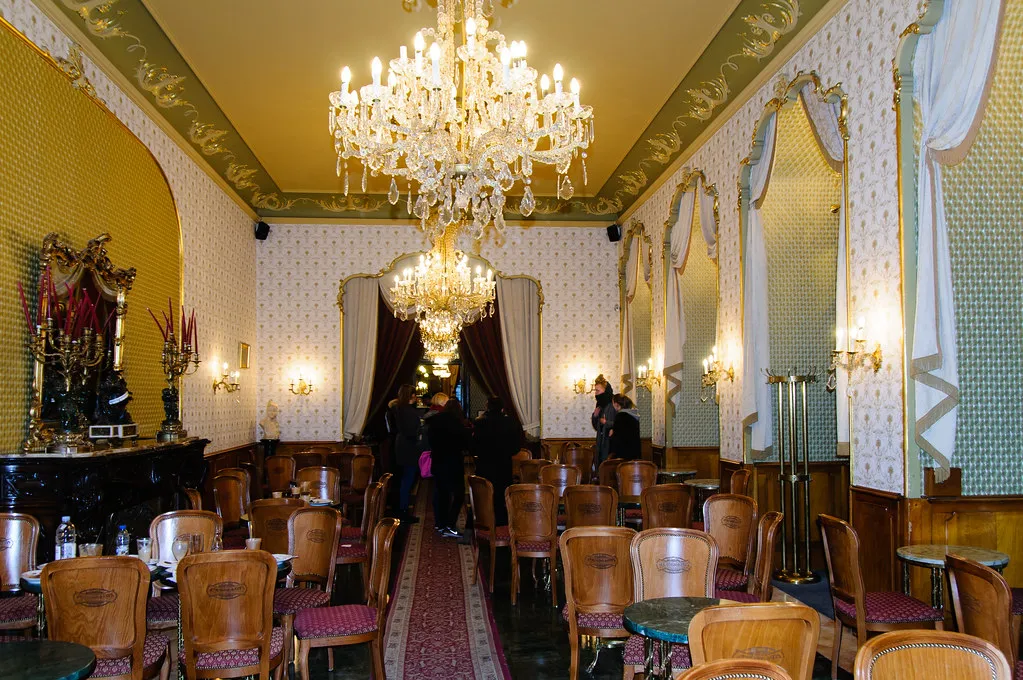
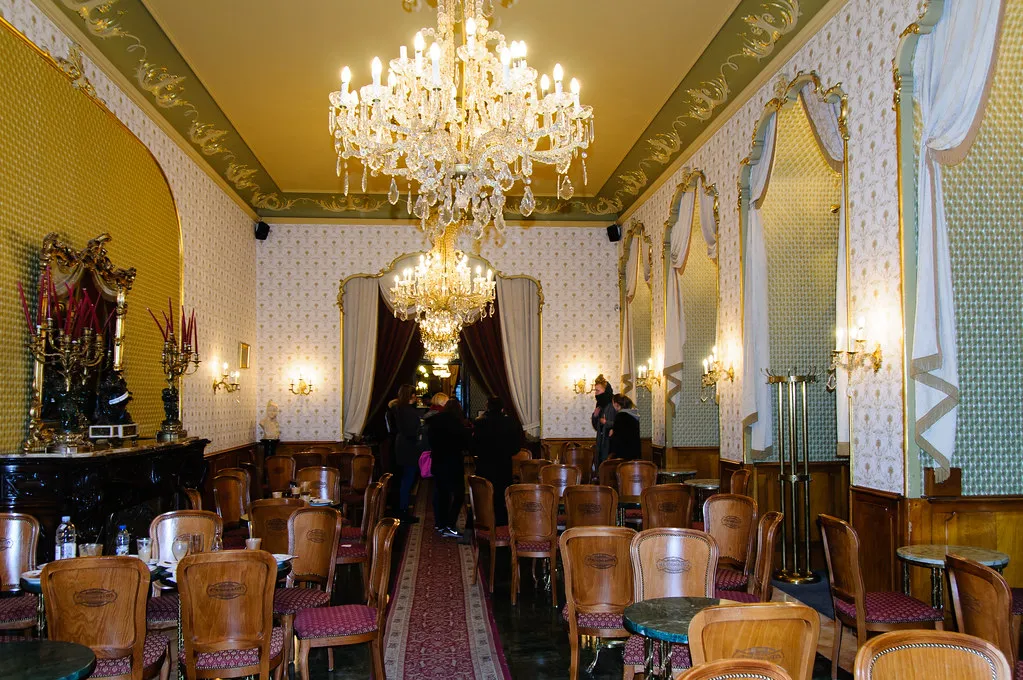
Winter weather in Hungary is unpredictable—temperatures range from 0–10°C (32–50°F) with occasional freezing rain or light snow. Packing thermal layers, waterproof shoes, warm gloves, and a hat is essential for comfortable browsing and outdoor skating. Many visitors plan a midday break at a historic café like Café Vian to warm up and rest between market visits. The Budapest Card also includes entry to several nearby thermal baths, perfect for warming up after cold market mornings.
Frequently Asked Questions
When do the Budapest Christmas markets start for the 2026 season?
The markets are expected to open around November 14–15, 2026, based on historical patterns, though official dates will be announced in early November 2026. This early start allows visitors to enjoy the festive atmosphere for several weeks before Christmas. Most locations remain open until December 31, 2026, with St. Stephen's Basilica extending through January 1, 2027.
Is there an entry fee to visit the Christmas markets in Budapest?
Entrance to all major Christmas markets in the city is completely free for everyone. You only need to pay for the food, drinks, or handcrafted gifts you choose to buy. For more details on holiday budgeting, visit eurofestguide.com/hungary to plan your expenses.
Which is the biggest Christmas market in Budapest?
The market at Vörösmarty Square is traditionally considered the largest and most famous in the city. It features over 100 stalls selling crafts and food. The St. Stephen's Basilica market is also very large and offers more modern attractions like an ice rink and laser light shows.
Are the markets open on Christmas Day and New Year's Eve?
No, the main markets are closed on Christmas Day (December 25) to honor the holiday. However, they reopen fully on December 26 with normal hours. New Year's Eve (December 31) is one of the busiest and most festive evenings, with extended hours until midnight or later. Food stalls operate at full capacity to serve celebrating crowds.
Visiting Budapest during the holiday season offers an enchanting blend of historic architecture, festive lights, and authentic Hungarian traditions. By understanding these eight essentials—official dates, opening hours, food prices, alternative markets, entertainment options, family programs, holiday schedule quirks, and practical logistics—you'll maximize every moment of your winter vacation.
Whether you're skating under the basilica lights, sipping Krampampuli at a quiet Óbuda café, or enjoying goulash at a traditional wooden stall, Budapest's Christmas markets deliver unforgettable memories. Remember to book accommodation early, dress warmly, and plan visits on weekdays when possible to escape peak crowds.
Start planning your 2026 trip now by checking official announcement dates in early November for confirmed market schedules. The magic of the Hungarian holidays awaits those who venture into the heart of this historic and vibrant capital.
 Berlin Christmas Market Dates 2026: Complete GuideApril 21, 2026
 Best Christmas Market Vienna: 2026 Festive GuideApril 21, 2026