
Winter Festivals Europe: Best Cultural Events 2026
Discover the best winter festivals Europe offers in 2026. From German markets to Venice Carnival, plan your magical cold-weather trip with our expert guide.

On this page
Experience the Magic of Winter Festivals Europe in 2026
Europe transforms into a sparkling wonderland when the temperatures drop and the first snowflakes fall. From the aromatic Christmas markets of Germany to the grand masquerades of Italy, the continent offers endless charm. Exploring these winter festivals Europe provides is the perfect way to beat the seasonal blues in 2026. Travelers can witness ancient traditions and modern light shows that illuminate the darkest months of the year.
Planning a trip during this season requires a balance of festive spirit and practical preparation. Crowds often peak during major events, making early reservations essential for a stress-free experience. This guide highlights the most spectacular celebrations across the continent to help you craft your itinerary. Get ready to discover why winter is truly the most magical time to visit European cities.
Iconic Christmas Markets of Central Europe
Germany remains the heart of holiday traditions with its world-famous Christmas markets that open in late November. Nuremberg hosts the Christkindlesmarkt, where over two million visitors enjoy spicy gingerbread and handmade wooden crafts annually. Most stalls operate from 10:00 AM to 9:00 PM, providing ample time for festive shopping and snacking. You should check a festivals in Germany year calendar to see specific opening dates for smaller regional markets.
Cologne offers a majestic backdrop with its massive cathedral towering over hundreds of decorated wooden huts. Glühwein, a hot mulled wine, typically costs around 4 to 5 euros plus a small deposit for the mug. Families often gather at the Heinzels Wintermärchen market for ice skating and traditional puppet shows. Walking between the various market squares in the city center takes approximately twenty minutes at a leisurely pace.
Prague and Vienna also boast impressive displays that rival the traditional German markets in scale and beauty. The Old Town Square in Prague features a massive Christmas tree and live caroling performances every evening. Expect to find unique glass ornaments and hearty sausages at prices slightly lower than in Western European cities. Early December visits allow you to enjoy the atmosphere before the heaviest tourist crowds arrive for the holidays.
Vibrant Winter Carnivals and Masked Balls
Venice hosts the most iconic carnival in the world, filling the historic streets with mysterious masks and silk costumes. The Flight of the Angel marks the official start of festivities at St. Mark's Square in mid-February. Attending a private masquerade ball can cost anywhere from 500 to 2,000 euros for a full evening experience. Reviewing a festivals in Italy year calendar helps you synchronize your trip with these historic dates.
Spain offers a much warmer alternative with the Carnival of Santa Cruz de Tenerife in the Canary Islands. This massive street party is often compared to Rio de Janeiro due to its vibrant colors and rhythmic music. Parades usually start in the late afternoon and continue well into the early hours of the morning. Travelers should consult a festivals in Spain year calendar to plan for the spectacular Burial of the Sardine.
Nice hosts the premier winter event on the French Riviera, featuring creative floral parades and giant papier-mâché floats. The Battle of Flowers is a highlight where performers throw thousands of fresh lilies and roses into the crowd. Reserved seating in the grandstands usually costs around 26 euros for the best views of the procession. Book your hotel near the Promenade des Anglais at least six months in advance to secure reasonable rates.
Unique Northern Traditions and Fire Festivals
Up Helly Aa in the Shetland Islands is perhaps the most dramatic of all winter festivals Europe celebrates. Local residents dress as Vikings and march through the streets of Lerwick with flaming torches on the last Tuesday of January. The event culminates in the spectacular burning of a traditional galley ship in the town center. Ferries to the islands from Aberdeen can sell out months before the festival begins, so book early.
Scandinavia offers the chance to combine cultural festivals with the natural wonder of the Northern Lights. The Kiruna Snow Festival in Sweden features world-class ice carving competitions and reindeer racing on frozen lakes. Visitors can enjoy these outdoor activities during the day before hunting for the Aurora Borealis at night. Thermal clothing is mandatory here as temperatures frequently drop below minus 20 degrees Celsius in January.
Iceland celebrates the winter solstice with the Imagine Peace Tower ceremony in Reykjavik during late December. This beam of light honors the memory of John Lennon and symbolizes a global hope for harmony. Many locals also participate in community bonfires to mark the turning of the season and the return of light. Public transport in Reykjavik is reliable, but renting a 4x4 vehicle is better for exploring rural festival sites.
Modern Light Festivals and Art Installations
The Amsterdam Light Festival turns the city's famous canals into an open-air art gallery during the winter months. International artists create massive installations that reflect off the water to create a surreal urban landscape. A guided boat tour is the most comfortable way to see the art and costs approximately 27 euros per person. Walking routes are also available for those who prefer to explore the illuminated streets at their own pace.
Lyon celebrates the Fête des Lumières every December to thank the Virgin Mary for saving the city from plague. Modern light projections now cover the facades of historic buildings like the Basilica of Notre-Dame de Fourvière. Over four million people visit the city during the four-day event, making the metro systems extremely busy. Arrive at the main projection sites at least thirty minutes before the shows begin to find a good viewing spot.
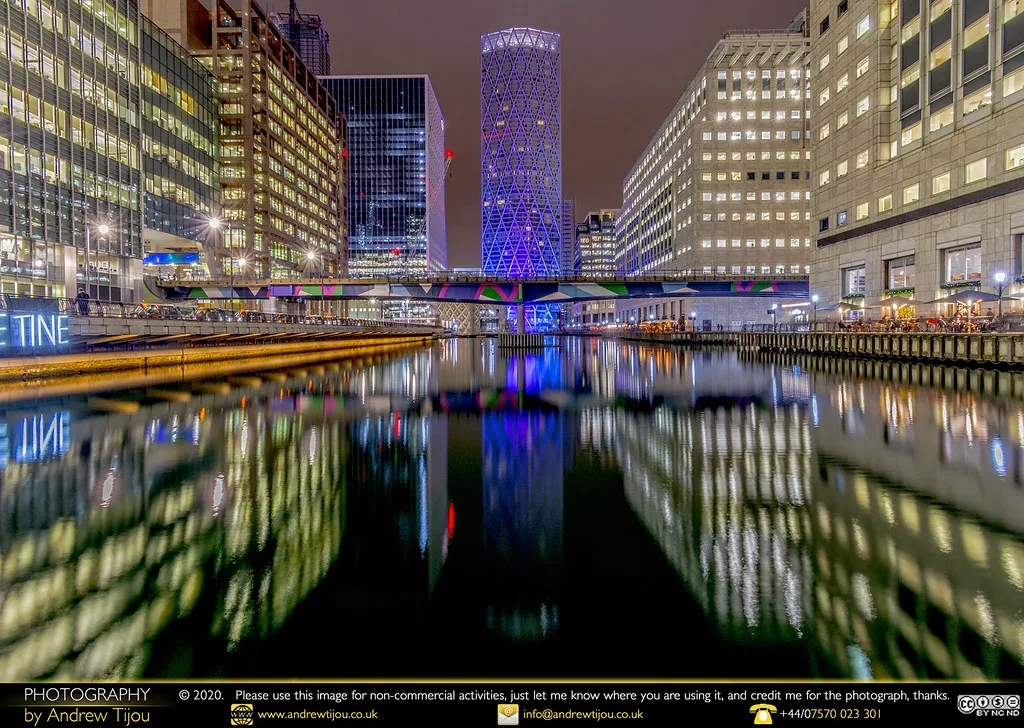
London lights up with the Winter Lights festival in Canary Wharf, featuring interactive displays and neon sculptures. This event is free to the public and offers a great way to see the financial district in a new light. Many of the installations are located indoors or under cover, providing relief from the unpredictable British winter weather. Check the official event app for a digital map to ensure you do not miss any hidden exhibits.
Essential Planning Tips for Winter Festivals Europe
Many travelers make the mistake of underestimating the cost of last-minute travel during the peak festival season. Flight prices to major hubs like Munich or Venice can double if you wait until the month of departure. Using the Euro Fest Guide helps you track price trends and official event schedules for 2026. Always verify the exact dates of mobile festivals like Carnival, which change based on the lunar calendar.
While winter events are magical, they often follow different patterns than summer festivals in Europe regarding crowd flow. Expect shorter daylight hours and plan your most important sightseeing for between 10:00 AM and 3:00 PM. If you prefer milder weather, you might consider looking into spring festivals in Europe instead. Alternatively, autumn festivals in Europe offer a transition from harvest celebrations to the early winter spirit.
- Pack for Layered Comfort
- Base: moisture-wicking wool
- Mid: fleece or down
- Outer: waterproof windbreaker
- Footwear: insulated boots
- Manage Your Daily Budget
- Food: 30 euros daily
- Drinks: 15 euros daily
- Transport: 10 euros daily
- Souvenirs: 20 euros daily
- Stay Connected Locally
- SIM: local e-SIM card
- Apps: Citymapper or Google
- Offline: download city maps
- Battery: carry a power bank
Frequently Asked Questions
What are the best winter festivals in Europe for families?
German Christmas markets and the Amsterdam Light Festival are excellent for families. These events offer safe environments, kid-friendly food, and early evening activities. You can find more details on regional events in our festivals in Germany year calendar for 2026 planning.
How much does it cost to attend winter festivals in Europe?
Many street festivals and Christmas markets are free to enter. However, you should budget for food, drinks, and specific ticketed events like masquerade balls or boat tours. Expect to spend between 50 and 100 euros per day on average for a full experience.
What should I wear to a European winter festival?
Layering is the most important strategy for staying warm during outdoor events. Wear thermal base layers, a warm sweater, and a waterproof coat to handle snow or rain. Comfortable, insulated walking boots are essential for navigating cobblestone streets and standing for long periods.
When is the best time to book travel for winter festivals?
You should book flights and accommodation at least four to six months in advance. Popular festivals like the Venice Carnival or Nuremberg Christmas Market cause local hotels to fill up very quickly. Early booking also helps you secure better rates on train tickets across Europe.
Winter festivals Europe hosts provide a unique window into the continent's diverse cultural heritage. Whether you seek the warmth of a bonfire or the elegance of a ballroom, there is an event for everyone. Start planning your 2026 winter adventure early to ensure the best access to these popular celebrations. The memories of sparkling lights and festive music will surely brighten your coldest months.
 Best Autumn Festivals Europe: Top Events for 2026April 21, 2026
 Festivals Eastern Europe Year Calendar: 2026 GuideApril 21, 2026
 Festivals Germany Year Calendar: Best Events for 2026April 21, 2026