
Festivals Italy Year Calendar: Best Events to Visit
Plan your trip with our festivals italy year calendar. From Venice Carnevale to the Alba Truffle Fair, discover the best cultural events across Italy.
On this page
Complete Festivals Italy Year Calendar for Travelers
Italy offers a vibrant tapestry of culture through its many celebrations throughout the seasons. Every month brings a new reason to explore the peninsula's historic streets and lively piazzas. This spring festivals in Europe guide highlights seasonal shifts across the continent. Planning your trip around these events ensures a deeper connection to local life and heritage.
Travelers often find that attending a local festival provides the most memorable moments of their journey. From masked balls in Venice to horse races in Tuscany, the variety remains truly staggering. Most events combine centuries of history with delicious regional food and community spirit. Understanding the timing of these events helps you avoid unexpected closures or peak pricing.
Winter and Spring Festivals Italy Year Calendar
Venice Carnevale stands as the most iconic event on the winter calendar for global travelers. Elaborate masks and historic costumes fill the canals during the two weeks before Lent begins. Expect high hotel prices and crowded vaporetto lines during this peak tourist period in February. Booking your stay six months in advance helps secure a central location near St. Mark's Square.
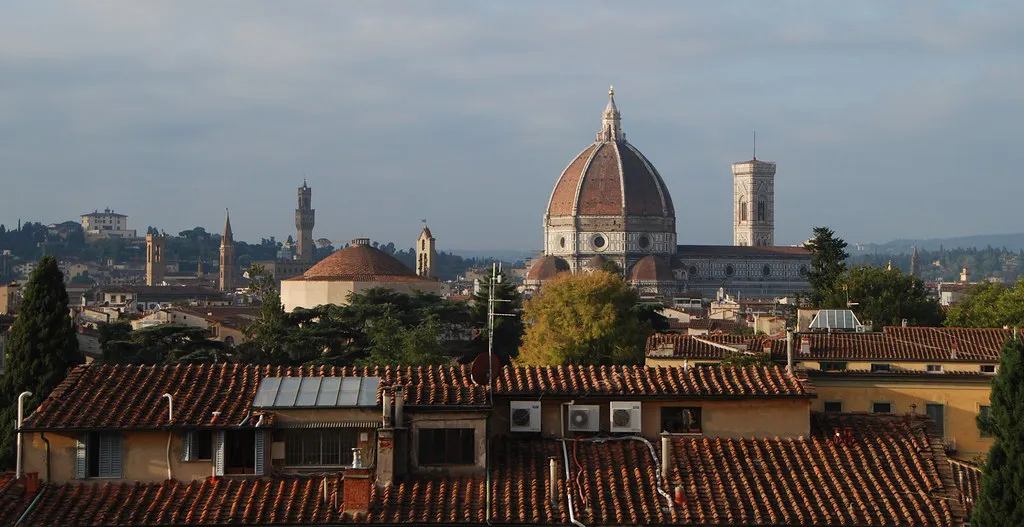
Florence hosts the unique Scoppio del Carro, or Explosion of the Cart, every Easter Sunday morning. A mechanical dove ignites a wagon full of fireworks in front of the historic Duomo cathedral. Arrive at the Piazza del Duomo by 8:00 AM to secure a view of the morning procession. This tradition dates back to the First Crusade and symbolizes a good harvest for the city.
The Infiorata flower festivals transform village streets into colorful floral carpets during late May and June. Artists in towns like Spello spend months planning intricate designs made entirely of petals. Walking through these displays is free, but parking near the historic centers becomes very difficult. Check out our guide to winter festivals in Europe for more early-season ideas.
Southern Italy celebrates Holy Week with somber and dramatic processions through ancient stone streets. The town of Enna in Sicily features thousands of hooded participants during their traditional Good Friday march. Most local shops close for the afternoon, so plan your dining and supplies before the events start. These religious traditions offer a profound look at the deep-seated faith of the Italian people.
Spring weather across Italy remains unpredictable, so layering your clothing is essential for outdoor festivals. Train travel between major cities like Rome and Venice stays busy during the Easter holidays. Regional rail tickets often cost under 15 Euros for short trips between festive hill towns. Always check the official Trenitalia app for holiday schedule changes before heading to the station.
- Venice Carnevale Masked Balls
- Month: February
- Location: Venice
- Cost: Free to 500+ Euro
- Tip: Buy masks early
- Florence Easter Cart Explosion
- Month: March or April
- Location: Florence
- Cost: Free public event
- Access: Arrive very early
Summer Spectacles and Historic Races
Siena hosts the world-famous Palio horse race twice every summer in its central square. This historic competition takes place in the Piazza del Campo on July 2 and August 16. Local neighborhoods, known as contrade, prepare for months to win the coveted painted silk banner. Arrive early in the morning to claim a free spot in the center of the square.
The Verona Opera Festival offers a world-class musical experience inside a preserved Roman arena. Performances typically run from mid-June through early September under the starry Italian sky. Unnumbered stone step seating provides an affordable way to enjoy famous productions like Aida. Bring a small cushion to sit on, as the ancient stone gets quite hard during long shows.
Florence features the brutal and exciting Calcio Storico, an ancient form of football, every June. Players wear 16th-century costumes while competing in a sand-filled arena in Piazza Santa Croce. Tickets for the final match on June 24 sell out almost instantly to local residents. Browse our summer festivals in Europe list for more warm-weather inspiration.
Pisa celebrates the Luminara di San Ranieri on the evening of June 16 each year. Over 70,000 wax candles illuminate the buildings along the Arno River for a magical effect. Most restaurants along the riverbanks require reservations weeks in advance for this specific night. The evening concludes with a massive firework display that reflects beautifully on the water's surface.
Summer festivals often coincide with the hottest weeks of the year in central and southern Italy. Hydration remains key, as many historic piazzas offer very little shade during daytime events. Public water fountains, known as nasoni, provide free cold drinking water throughout cities like Rome. Plan your festival viewing for the early morning or late evening to avoid the midday sun.
Autumn Harvest and Gourmet Food Fairs
Truffle season transforms the Piedmont region into a gourmet paradise each October and November. The International Alba White Truffle Fair draws foodies from across the globe for weekend markets. Tasting sessions often cost around 20 to 40 Euros depending on the truffle's weight and quality. Visit autumn festivals in Europe to explore more harvest-themed travel routes.
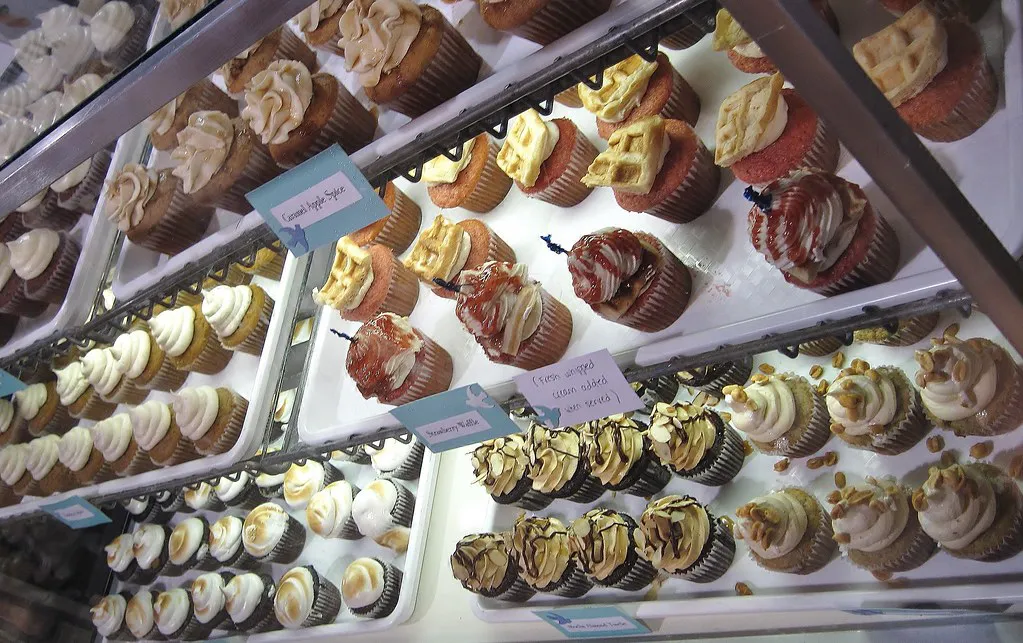
Perugia welcomes chocolate lovers every October for the massive Eurochocolate street festival. Vendors set up stalls throughout the historic center, offering everything from cocoa pasta to sculptures. The Chococard costs about 6 Euros and provides various samples and discounts at official stands. Expect heavy traffic on the Minimetrò transit system during the festival's opening and closing weekends.
The grape harvest, or Vendemmia, creates a festive atmosphere across the vineyards of Tuscany and Umbria. Many wineries offer special harvest tours where guests can participate in picking the grapes. September and October provide the best window to see these traditional agricultural celebrations in action. Small village festivals often feature local wine for as little as 2 Euros per glass.
Chestnut festivals, or Sagre della Castagna, pop up in mountain villages throughout the month of November. Roasted chestnuts and sweet desserts fill the air with wonderful autumnal scents in the Apennines. These events offer a great way to experience authentic rural life away from the big cities. Most sagre take place on Sundays, so check local community websites for specific village dates.
Autumn temperatures in northern Italy can drop quickly once the sun sets behind the hills. Pack a medium-weight jacket if you plan to attend evening food markets in the Piedmont region. Rain remains common in November, so an umbrella is a necessary tool for festival goers. Indoor events like the chocolate fair provide a good backup plan for drizzly autumn days.
Practical Planning for Italian Festivals
Transport between major festival cities requires careful coordination during the busy holiday dates. High-speed trains often sell out weeks before major events like the Venice Biennale or Palio. Regional buses offer a cheaper alternative but may follow limited schedules on local saint's days. Always validate your paper tickets at the green or yellow machines before boarding any train.
Accommodation prices can triple in cities like Venice or Siena during their most famous festivals. Look for hotels in nearby towns with good rail connections to save significant amounts of money. Staying in Mestre instead of Venice can reduce your nightly lodging costs by 40 percent. Consult our European festival planning guide for more budget-friendly travel tips.
Religious festivals often require a modest dress code when entering cathedrals or participating in processions. Keep your shoulders and knees covered to ensure you are not turned away by church staff. Many events are free to watch from the street, but some require pre-booked grandstand seating. Check the official 'Comune' website of each city for the most accurate and updated event times.
Public restrooms are often scarce and crowded during large-scale street festivals in historic centers. Carry small coins like 50 cents or 1 Euro to pay for access to maintained public toilets. Stopping for a quick espresso at a bar usually grants you access to their private facilities. Download a local transit app like MooneyGo to pay for city buses and parking via your phone.
Cash remains the preferred payment method at small food stalls and rural village festivals. While major shops accept cards, smaller vendors often lack the technology for digital payments. Withdraw enough Euros from a bank-affiliated ATM before heading into more remote festival areas. Avoid using independent ATMs in high-tourist zones to bypass excessive transaction fees and poor rates.
Local Insights for Avoiding Crowd Burnout
Many travelers overlook the smaller village sagre which celebrate specific local ingredients or traditions. These community feasts offer authentic meals for under 15 Euros in a casual outdoor setting. Avoid the mistake of only visiting 'Big Three' cities during their busiest and most expensive weeks. Exploring smaller towns provides a more intimate look at Italian traditions without the crushing crowds.
Southern Italy maintains a slower pace with festivals that often start much later in the evening. Processions in Puglia or Calabria might not begin until the heat of the day has fully passed. Dining late at 9:00 PM or 10:00 PM is common during these local summer celebrations. You can find similar cultural depth in our guide to festivals in Germany for comparison.
Weekday attendance at multi-day festivals usually results in shorter lines and more relaxed interactions. The Alba Truffle Fair is much easier to navigate on a Friday than on a busy Sunday. Vendors often have more time to explain their products when the crowds are thinner. Planning your visit for the middle of the week can save you time and stress.
Authenticity often hides in the side streets away from the main festival stages and tourist shops. Follow the locals to find the best food stands that offer traditional recipes at fair prices. A simple panino with porchetta should rarely cost more than 6 or 7 Euros at a fair. Ask your hotel concierge for their personal favorite local event to find hidden festive gems.
Frequently Asked Questions
What is the best month to see festivals in Italy?
May and September are ideal months for festivals because the weather is mild and the harvest events begin. You can enjoy flower festivals in the spring or wine celebrations in the fall. Check out festivals in Spain for other great Mediterranean options during these months.
Are Italian festivals free to attend?
Most street festivals and religious processions are free for the public to watch. However, major events like the Siena Palio or Venice masked balls often require expensive tickets for prime viewing. Budget around 20 Euros for food and drinks at smaller community sagre.
How do I find the dates for local village festivals?
The best way to find dates is by checking the official website of the local 'Comune' or tourism board. Look for posters in local cafes or train stations once you arrive in a region. These small events are often announced only a few weeks in advance.
Italy's diverse festival calendar offers something for every type of traveler throughout the year. Whether you prefer the glamour of Venice or the rustic charm of a truffle fair, memories await. Proper planning and a bit of local knowledge will help you navigate the crowds and costs. Embrace the festive spirit and you will discover the true heart of Italian culture.
Each celebration provides a unique window into the history and traditions of its specific region. Do not be afraid to step off the beaten path to find smaller, more authentic community events. Your journey through the Italian festive year will surely be filled with color, flavor, and joy. Start booking your 2026 adventure today to secure the best spots for these world-class spectacles.
 Best Autumn Festivals Europe: Top Events for 2026April 21, 2026
 Europe Festival Calendar 2026: Top Events GuideApril 21, 2026
 Festivals Eastern Europe Year Calendar: 2026 GuideApril 21, 2026