
La Tomatina Buñol: The Ultimate 2026 Festival Guide
Planning to attend La Tomatina in Buñol? Get the 2026 dates, ticket booking advice, transport tips from Valencia, and essential safety rules for the world's largest food fight.
On this page
La Tomatina Buñol: The Ultimate 2026 Festival Guide
Every year, thousands of travelers descend upon the small town of Buñol for a messy, red-soaked adventure.
This iconic event transforms quiet streets into a river of tomato pulp during the world's largest food fight.
Participants from across the globe join locals to celebrate this unique tradition with high energy and laughter.
To make the most of your trip, you should consult a La Tomatina festival guide before arriving in Spain.
What to Expect at the World’s Largest Food Fight
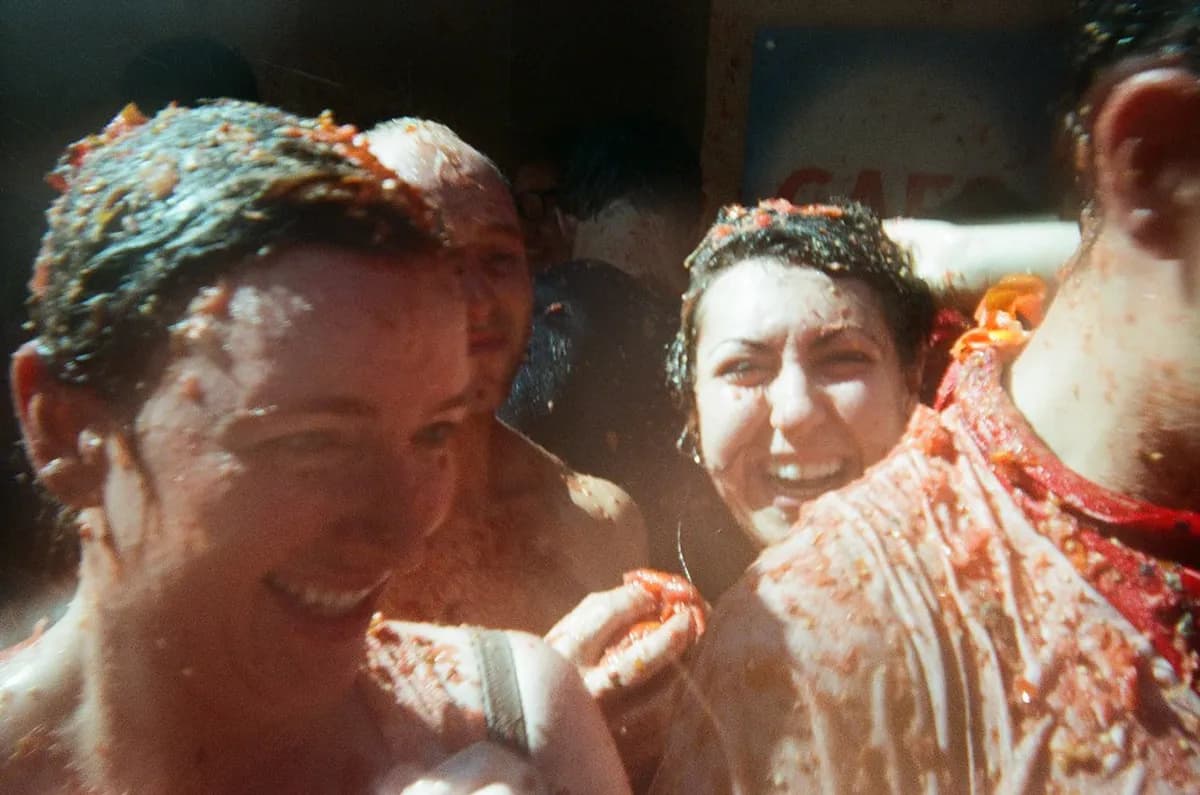
La Tomatina is unlike any festival you will ever attend—imagine 22,000 participants packed into narrow medieval streets, all throwing ripe tomatoes at each other for one solid hour.
The atmosphere is anarchic yet celebratory, with laughter and cheers mixed with the splat of fruit hitting bodies and buildings.
The chaos officially begins when a brave soul climbs a greased pole (called the Palo Jabón) to reach a ham hanging at the top.
Once someone retrieves the prize, or if the pole remains unclaimed after 45 minutes, a signal is given and massive trucks roll into the main square.
These trucks dump approximately 165,000 kilograms of overripe tomatoes—fruit too soft for market sale but perfect for the festival—onto the streets below.
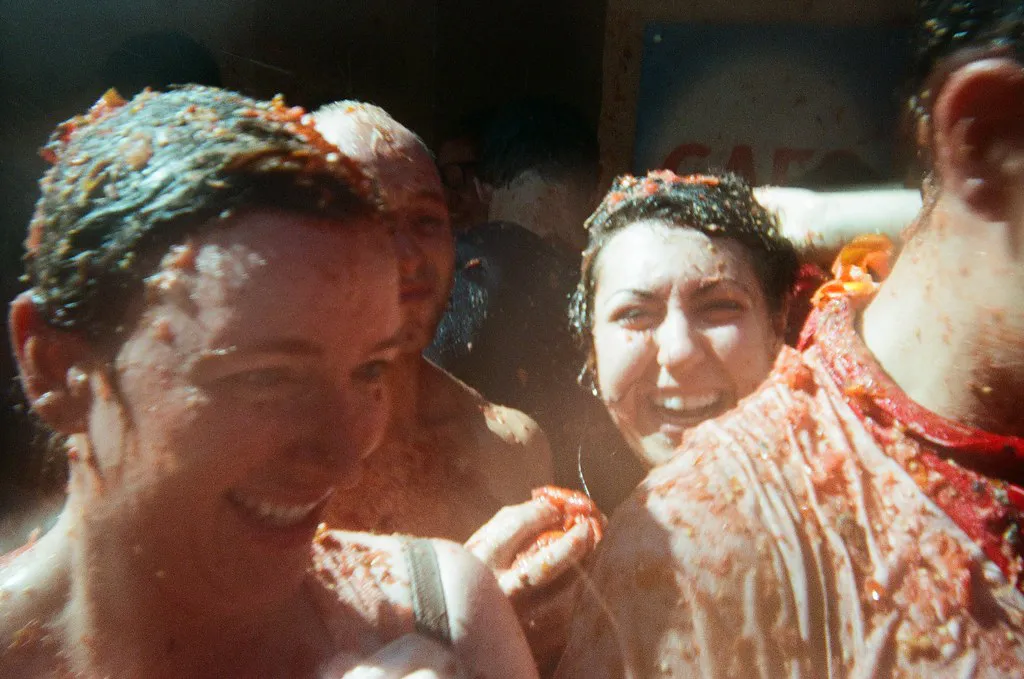
You will experience an hour of pure madness as thousands of participants throw squashed pulp at each other in the street, on buildings, and anywhere else within reach.
The tomato juice flows like a river, staining clothes red and coating the ground so thickly that walking becomes slippery and treacherous.
It is a wild, unforgettable spectacle that requires both physical stamina and a great sense of humor, as well as nerves of steel for navigating the crush of humanity.
Key Dates: When is La Tomatina 2026?
The festival always takes place on the last Wednesday of August in the heart of the Valencia region.
For the upcoming year, you should mark August 26 on your calendar to attend La Tomatina 2026.
The celebrations actually begin the night before with La Empalma party on Tuesday, August 25, where locals and visitors enjoy live music, dancing, and street performances until dawn.
Planning your trip early is essential because local transport and entry slots fill up very quickly.
Official updates regarding the schedule are often posted on Latomatina.org several months before the event.
How to Get Tickets for La Tomatina
Since 2013, the town council has limited the number of participants to exactly 22,000 to ensure safety and manage the growing crowds effectively.
Without a ticket, you are not legally permitted to participate in the tomato fight, though some travelers attempt to view from surrounding streets without entering the main fight zone.
You must purchase official La Tomatina tickets through authorized vendors to gain access to the main fight zone and participate in throwing tomatoes.
Basic individual tickets cost 15 euros in 2026, making it an affordable festival compared to many European events.
However, many travelers opt for bundled packages that include transport (bus or train), locker rental, post-fight meal at a local restaurant, and sometimes a commemorative t-shirt or souvenir.
These packages range from 60–120 euros per person depending on inclusions and tour operator.
Tickets must be purchased online via the official Tomatina website and printed; you then exchange them at authorized offices in Buñol (located at Plaza 5 de Marzo and Carrer Ruiz Pons).
On festival day, you'll present your printed ticket and exchange it for a wristband for entry.
Verify current availability and purchase dates on Tomatina.es as slots sell out quickly in June and July—bookings close approximately 2–3 weeks before August 26 when capacity is reached.
Getting to Buñol: Transport Options from Valencia
Most visitors choose to stay in nearby Valencia and travel to Buñol on the morning of the event, as the city lies just 36 kilometers away.
You have three main transport options, each with distinct advantages and challenges for festival day.
C3 Commuter Train — The most affordable option, trains depart from Valencia Nord station every hour with tickets around 4–6 euros per person. The journey takes 60–75 minutes. This is ideal for budget travelers, though expect extreme overcrowding on festival morning as thousands of other visitors book the same trains. You'll arrive at the upper part of Buñol and need to walk downhill 15–20 minutes to the main square.
Organized Bus Tours — Private shuttles pick you up from various Valencia locations and cost 35–60 euros per person. These tours guarantee a seat, direct drop-off near the festival epicenter, and often include return transport plus a post-fight meal. This eliminates parking stress and navigation headaches, making it the most convenient (though priciest) option.
Private Car Rental — Driving takes roughly 40 minutes via the A3 motorway from Valencia. However, parking in Buñol's center is prohibited after 7:00 AM on festival day. You'll need to park on the city outskirts and walk or catch a shuttle to the main square. This option suits small groups splitting rental costs but requires early arrival to secure parking.
Where to Stay: Buñol vs. Valencia Accommodations
Your choice of accommodation significantly impacts your festival experience, and each option has distinct trade-offs.
Valencia Base — Staying in Valencia (30 kilometers away) allows you to enjoy the city's vibrant nightlife, museums, and wide range of hotel options from luxury five-star resorts to budget hostels. Hotels are clustered around the Ciudad de las Artes y las Ciencias and near the train station, with prices ranging from 40–150 euros per night depending on season and category. The downside is you'll need to catch an early train on festival morning (arriving by 9:00 AM means leaving Valencia by 7:30 AM) and return late the same night, arriving back around 6:00 PM. This limits your post-festival celebration and requires navigating crowded transport twice in one day.
Buñol Local Stay — Choosing a guesthouse or small hotel in Buñol itself offers a more immersive experience where you can soak in the pre-festival atmosphere on the night before (La Empalma party) and linger after the tomato fight for evening celebrations. Hotel Condes de Buñol (2-star, 50–70 euros) sits in the Old Town 200 meters from the train station, while Posada Venta Pilar (1-star, 35–50 euros) offers basic comfort 5 minutes from the station. Casa Rural Castillo de Buñol provides rural charm with homemade breakfasts. However, Buñol's small size means limited hotel capacity—booking must happen 3–6 months in advance, and rooms fill completely. Several campsites operate in the surrounding area as alternatives, often charging 15–25 euros per tent.
Essential Safety Rules for Participants
To keep everyone safe, you must follow strict regulations regarding how to handle and throw the tomatoes.
The town council enforces these rules strictly, and violations can result in removal from the festival or fines.
Crush each tomato before throwing it to prevent injuries and ensure the pulp creates a soft landing rather than a hard impact.
Throwing uncrushed tomatoes can cause bruising and injury.
You should also review the La Tomatina safety tips to understand what items are banned from the area.
Prohibited items include cameras (unless waterproof), glass bottles, backpacks, ceramic items, and anything that could be used as a weapon.
Security staff will monitor the crowd to prevent shirt-tearing or any behavior that could cause a dangerous stampede.
If you feel overwhelmed by the crowds, exit to a side street or alert a security officer wearing a bright yellow vest.
The festival provides medical personnel stationed throughout the zone in case of injury.
Additionally, women are advised to wear supportive sports bras (as many participants get aggressive in the chaos) and be cautious around groups of intoxicated participants.
The History and Origins of the Tomato Fight
This tradition began in 1945 during a local parade when a group of young people started a spontaneous brawl in Buñol's main square.
They grabbed tomatoes from a nearby vegetable stall and began pelting each other until local police intervened.
Although the event faced several bans throughout the 1950s under Franco's regime, the townspeople continued the fight as an act of cultural resistance and protest.
In 1957, locals famously staged a "tomato funeral" with a coffin and funeral march to mock the ban and demand its return.
The authorities relented in 1959, and the festival officially restarted with strict safety guidelines.
The festival gained international prominence in 1983 after being featured on Spanish television's Informe Semanal program, which sparked tourism interest across Europe and beyond.
By 2002, UNESCO formally recognized La Tomatina as a holiday of international tourist interest, elevating its status globally.
The event has since been featured in countless travel documentaries and Hollywood films seeking dramatic festival footage.
Since 2013, paid entry has been introduced to manage crowds safely at 22,000 maximum participants per year, as the festival's popularity threatened to overwhelm the town's infrastructure and safety systems.
Today, La Tomatina is recognized as a world-class event and a holiday of international tourist interest, as detailed on en.Wikipedia.org for history enthusiasts.
Tomatina Infantil: The Festival for Kids
Younger travelers can enjoy a scaled-down version of the event known as Tomatina Infantil, held on Saturday, August 22, four days before the main festival.
This mini-fight is reserved for children between the ages of four and fourteen in the Plaza del Pueblo town square.
It provides a much safer environment with fewer participants, supervised crowd control, and a shorter duration of 30–40 minutes compared to the main Wednesday battle's one hour.
Parents can watch from designated sidelines while their kids experience the joy of a messy tomato fight without the crush and intensity of the adult event.
Practical Tips for Surviving the Tomato Chaos
Wearing the right gear is crucial, so consult a La Tomatina packing list before you leave home.
Choose old clothes that you are willing to throw away because the tomato stains are nearly impossible to remove.
Closed-toe shoes with good grip will protect your feet from being stepped on in the slippery, crowded streets.
Using high-quality goggles or safety glasses will keep the acidic tomato juice out of your eyes during the peak chaos.
Phone and Valuables Strategy — Do not bring your passport, wallet, or expensive jewelry into the tomato fight zone. Theft and pickpocketing are common in crowded festivals. Buñol town council offers secure locker rental (around 5–8 euros) near the main square where you can store your essentials during the hour-long battle. If you bring a phone, use a waterproof pouch (10–15 euros) and keep it in your pocket. Many experienced travelers leave phones with hotel concierges entirely to avoid the risk.
Day of La Tomatina: Hour-by-Hour Timeline
Knowing what to expect throughout festival day will help you plan your energy, meals, and movements.

8:00 AM – Arrival and Setup — Most visitors begin traveling from Valencia on early trains or organized shuttle buses. If you're driving, park on the city outskirts and walk into town. Secure your locker near the main square and grab breakfast or coffee at a local café. Arrive with your old clothes, goggles, and waterproof phone pouch already in place.
10:00 AM – Palo Jabón (Greased Pole) — The opening entertainment begins when dozens of participants attempt to climb a grease-covered pole to retrieve a ham (jamon) at the top. This spectacle lasts 30–45 minutes and draws huge crowds. Use this time to stake out your position in the festival zone. Avoid standing directly under the pole; watch from nearby streets instead.
11:00 AM – Tomato Battle Begins — The moment someone successfully retrieves the ham (or the mayor signals the official start), six trucks dump approximately 165,000 kilograms of overripe tomatoes into the street. The hour-long chaos ensues. Participants throw crushed pulp at everyone. The atmosphere is euphoric but physically demanding—stay hydrated and watch your footing on slippery streets.
12:00 PM – Battle Ends, Cleanup Begins — A signal announces the end of the one-hour tomato fight. Participants stop throwing immediately. Fire department trucks arrive and hose down the streets and participants. The citric acid in tomatoes acts as a natural disinfectant, leaving the streets visibly cleaner. Walk to public showers near the Buñol River to wash off completely (bring a change of clothes or purchase a shirt locally).
2:00 PM – Festivities Continue — After cleaning up, the celebration shifts to other plazas and streets around town. Live music, fireworks, dancing, and paella dinners continue throughout the afternoon. This is when exhaustion sets in—rest, eat, and hydrate at a local restaurant before evening's final celebrations.
5:00 PM – Evening Departure or Party — Most visitors depart on return buses or trains to Valencia. If staying in Buñol, festivals and street parties continue until sunset. Return journeys can be crowded, so book return transport in advance or consider staying another night.
Frequently Asked Questions
How do I get from Valencia to Buñol for the festival?
You can take the C3 commuter train from Valencia Nord station directly to Buñol. Many travelers also book organized bus tours that include round-trip transport and entry tickets for a more convenient experience.
What should I wear to La Tomatina?
It is best to wear old clothes and closed-toe shoes that you do not mind ruining. For more specific advice on gear, check our guide on what to wear to La Tomatina to stay comfortable.
Can children participate in La Tomatina?
Children under 12 are generally not allowed in the main tomato fight for safety reasons. However, they can participate in the Tomatina Infantil, which is a dedicated kids-only event held on the previous Saturday.
How much do La Tomatina tickets cost?
Basic entry tickets for the festival typically cost around 15 euros when purchased through official channels. Prices may increase if you choose packages that include transportation, locker rentals, or post-fight meals.
Is La Tomatina safe for solo travelers?
Yes, the festival is safe for solo travelers as long as you follow the official safety rules. The town is filled with security personnel, and the shared experience makes it easy to meet other participants.
Attending the tomato fight in Buñol is a once-in-a-lifetime experience that requires careful preparation.
From securing your tickets to choosing the right footwear, every detail helps ensure a fun and safe day.
You can find more inspiration for your journey by exploring other festivals in Spain during the summer season.
Embrace the mess and get ready for the most exciting food fight of your life in 2026.
 La Tomatina 2026 Dates: Plan Your Buñol Tomato FightApril 21, 2026
 La Tomatina Festival Guide: Tips for Buñol, SpainApril 21, 2026
 La Tomatina Safety: Essential Tips for Buñol 2026April 21, 2026