
La Tomatina Festival Guide: Tips for Buñol, Spain
Join the la tomatina festival in Buñol, Spain! Learn about tickets, safety tips, and what to wear for the world's biggest food fight. Plan your trip now.
On this page
The Ultimate Guide to the La Tomatina Festival in Spain
Every year on the last Wednesday of August, the small town of Buñol hosts the world's most famous food fight. This vibrant event known as **La Tomatina** draws thousands of international visitors to the heart of Spain's Valencia region. Participants gather in the narrow streets to throw over 150,000 kilograms of overripe tomatoes at each other in a single, chaotic hour. It remains a bucket-list highlight for anyone seeking a unique and unforgettable cultural adventure in the Mediterranean sunshine.
Planning your visit requires understanding the strict entry requirements, official rules, and logistical details that make the festival run smoothly. Most visitors stay in Valencia and take a train to the village early on the morning of the event. Early preparation ensures you secure tickets before they sell out and pack the right gear for staying safe in the red deluge.
The festival is more than just a food fight; it is a week-long celebration of Spanish tradition with music, parades, and community spirit. This guide provides everything you need to know for a successful and safe experience at the world's largest food fight.
Key Takeaways
- Arrive in Buñol by 8:00 AM to secure your entry wristband and claim a good spot.
- Book tickets in advance at the official website; the €15 basic tickets sell out months ahead.
- Wear tight sneakers with good grip and swimming goggles for eye protection.
- Always squash tomatoes before throwing to prevent injuries to other participants.
- The tomato fight lasts exactly one hour, triggered by the Palo Jabón greased pole challenge.
Understand What La Tomatina Festival Actually Is
La Tomatina is a massive, organized food fight festival held annually in Buñol, a charming town located about 40 kilometers west of Valencia in Spain's eastern region. The festival attracts approximately 20,000 ticketed participants and occurs on the last Wednesday of August. In 2026, it falls on August 26th. The event has grown into a globally recognized celebration, rivaling other major festivals in Europe for unique experiences.
The core event lasts exactly one hour, during which participants hurl overripe tomatoes at each other in an open-ended, rule-governed battle. Unlike competitive food fights, La Tomatina emphasizes fun, community, and shared chaos over winning or individual achievement. The tomatoes used are specifically grown for the festival and are unsuitable for consumption due to overripeness and variety selection—they are not the waste of high-quality agricultural produce but rather a deliberate use of tomatoes destined for compost.
The festival operates under strict safety and conduct guidelines managed by local authorities. Since 2013, tickets have been required to cap participation and prevent overcrowding in the narrow medieval streets of the town center. The event has become such a cultural institution that UNESCO recognizes it as a significant form of cultural expression, though it remains technically a local celebration rather than an officially designated world heritage event.
Learn the History and Origins of the Tomato Fight
The origins of La Tomatina trace back to the 1940s or early 1950s, though the exact date remains debated among local historians. According to legend, the first fight occurred spontaneously during a parade honoring San Luis Beltrán, the patron saint of Buñol. Young people at a vegetable market stall began throwing overripe tomatoes at each other, and the event quickly escalated into a full-scale tomato battle that captivated onlookers.
The spontaneous tradition caught on year after year, despite occasional attempts by local authorities to ban it during the mid-twentieth century. In 1957, after a 'tomato burial' protest where residents presented a coffin of tomatoes to the town council, La Tomatina was officially recognized and incorporated into Buñol's annual festival calendar honoring San Luis Beltrán. The event remained primarily a local affair until the 1980s, when international media coverage and television broadcasts introduced it to audiences worldwide.
By the 2000s, La Tomatina had become so popular that annual attendance exceeded 50,000 people, creating safety hazards in the narrow medieval streets. This surge prompted organizers to implement the ticketing system in 2013, capping participation at 20,000 and regulating entry. Today, the festival represents a unique blend of historical spontaneity and modern event management, maintaining its chaotic spirit while ensuring participant safety and community respect.
Master the Logistics: Dates, Location, and Timing
La Tomatina takes place on the last Wednesday of August every year without exception. For 2026, the festival is scheduled for August 26th. The festival is held in Buñol, a historic town in the Valencia region, approximately 40 kilometers west of Valencia city center. The main action occurs in the Plaza del Pueblo and surrounding narrow medieval streets in the town center.
Most visitors arrive between 7:00 AM and 9:00 AM to allow time for entry wristband exchange and positioning before the official start time. The Palo Jabón challenge begins around 11:00 AM, followed immediately by the tomato fight at approximately 11:15 AM (if the ham is retrieved) or by the official start time of noon at the latest. The tomato-throwing battle lasts for exactly one hour, ending at 1:00 PM or when the final firework sounds, whichever comes first.
After the fight concludes, participants typically spend 1-2 hours cleaning up at the Buñol River or public showers before heading back to Valencia. The entire day—from arrival to departure—typically spans 8-10 hours. Plan to return to Valencia by 6:00 PM if you are traveling via train, as evening services become less frequent. Many tour operators include post-festival celebrations and meals, which can extend your time in Buñol until late afternoon.
Secure Your Tickets Early to Avoid Sell-Outs
Tickets for La Tomatina are available exclusively through the official website at booking.tomatina.es or through authorized tour operators. The basic entry ticket costs €15 and grants access to the tomato fight only. However, the €15 tickets typically sell out by June or earlier, so booking well in advance is essential.
Ticket packages offer various price tiers. The €40 option includes accessories such as a T-shirt, souvenir goggles, and a towel. The €45 package adds locker rental for storing belongings during the fight. Comprehensive tour packages range from €80 to €200 and include transport from Valencia, meals, and post-party access. Tour operators such as GetYourGuide, Tomatina Official Tour, and La Tomatina Tours offer bundled experiences that simplify logistics.
Tickets are personalized and non-transferable; only the named ticket holder can enter. If someone else collects your ticket, they will need a written authorization from you. Keep your wristband in pristine condition once received—damaged or detached wristbands are not accepted by security, and you will be denied entry. Store the physical ticket or confirmation email safely and bring a digital copy on your phone as backup.
Follow the 5 Official Rules of La Tomatina
The festival operates under five core safety rules enforced by security personnel and local authorities. First, all tomatoes must be squashed in your hand before throwing. Hard, unripened tomatoes can cause injury and act like projectiles rather than soft pulp. Squashing ensures the consistent, soft texture that defines a safe food fight.
Second, keep a safe distance from the supply trucks. Never climb on trucks or grab tomatoes directly from truck beds. The vehicles are moving through crowded streets, and participants must yield space for them to pass safely. Ignoring this rule risks being ejected by security guards.
Third, do not rip or tear other participants' clothing. While some rowdy participants may attempt this, it is strictly prohibited and can result in immediate removal from the festival. This rule preserves the dignity of all participants and prevents escalation to physical aggression.
Fourth, no glass bottles, hard objects, or sharp items are permitted within the festival zone. Security conducts bag checks at every entrance. Additionally, you cannot bring selfie sticks, tripods, or large cameras on stands—these are confiscated permanently by security.
Fifth, the tomato fight begins when the first starting firework sounds at approximately 11:15 AM (or noon) and ends when the second firework sounds at 1:00 PM. Nothing should be thrown before or after these signals. While many participants push against the end time, security does enforce the stop, and velocity notably decreases as enforcement intensifies.
Prepare Your Gear: What to Wear and Bring
Wear old clothes you do not mind ruining permanently. Most veterans recommend white t-shirts to display the vibrant red stains as a badge of participation. Choose lightweight, quick-drying fabrics that will not become too heavy when soaked. Expect to discard or deeply launder clothes after the festival—tomato stains rarely fade completely even after multiple washes.
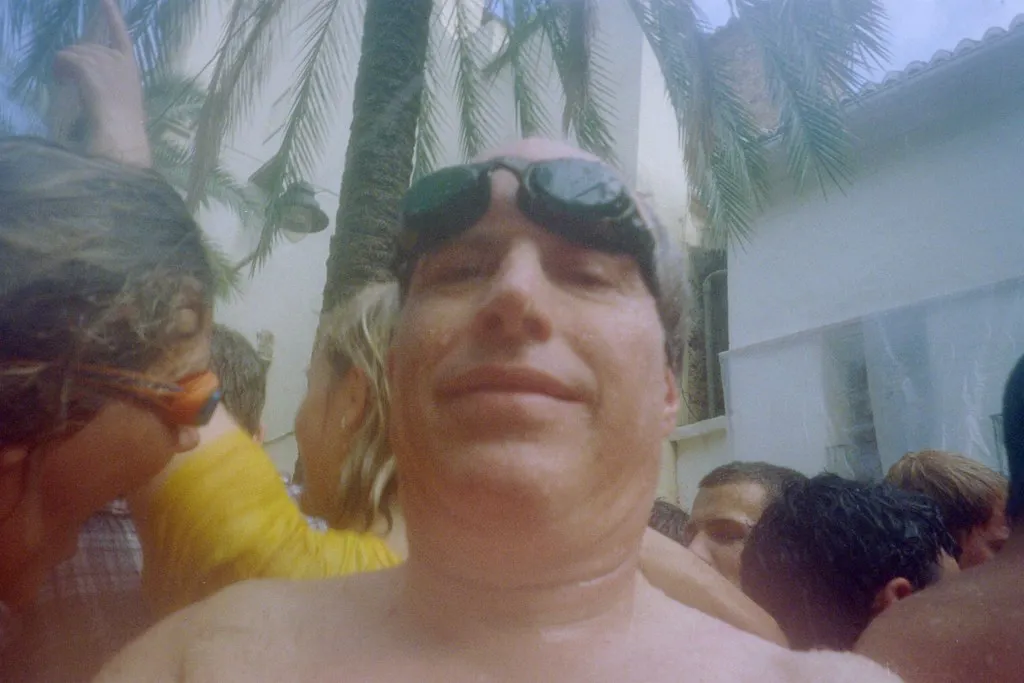
Footwear is critical. Wear tight-fitting sneakers with excellent traction and closed toes. Flip-flops are dangerous because they offer no grip on slippery, tomato-coated streets and are easily lost in the pulp. Many participants throw shoes away afterward, so do not wear a favorite pair. High-quality, slip-resistant soles prevent falls in the hazardous environment.
Protect your eyes with swimming goggles. The tomato juice is acidic and causes significant stinging upon contact with eyes. Ensure your goggles have a tight seal to prevent juice from leaking inside. Many participants credit goggles with allowing them to stay in the thick of the action without pain.
Bring a waterproof phone case or disposable camera if you want to capture photos. The fine mist of tomato juice penetrates electronic devices quickly. Keep the camera in a secure pouch and consider leaving an expensive camera at home entirely. Carry minimal cash in a sealed ziplock bag, stored deep in your pocket. Do not bring jewelry, watches, or valuables.
Bring a change of clean clothes in a waterproof bag stored in a rented locker. Public transport operators will not permit you to board covered in dried tomato juice. A small towel, bar of soap, and washcloth will ease cleanup at the river or public showers. Some participants wear swimwear underneath their clothes to simplify post-fight changing in public spaces.
Navigate the Day-of Timeline: From Palo Jabón to the Final Shot
Arrive in Buñol by 8:00 AM. Exchange your ticket voucher for an official wristband at the designated entry points. This process can take 30-60 minutes depending on crowds, so arriving early prevents stress. Once you have your wristband, explore the town center, secure your locker rental if needed, and position yourself strategically in the festival zone.
The Palo Jabón challenge commences around 11:00 AM. In the Plaza del Pueblo, a large greased wooden pole with a ham suspended at the top is erected. Dozens of participants attempt to climb the slippery pole and retrieve the ham. This event is not technically part of the official fight, but it builds anticipation and determines the timing of the tomato fight. Once the ham is successfully retrieved (or at noon, whichever comes first), the first firework sounds.
The tomato fight officially begins immediately after the Palo Jabón signal. Trucks loaded with tomatoes slowly drive through the crowd, distributing red ammunition. The narrow streets fill with flying tomatoes, pulp, juice, and laughter for one hour. Participants position themselves in various spots—some near the truck routes for maximum action, others near side alleys for occasional respite from the crush of bodies.
At 1:00 PM, the second firework sounds, signaling the end of the fight. The throwing stops abruptly, and participants head toward the Buñol River or designated public showers. Local residents often hose down participants from balconies, adding to the cleanup atmosphere. Plan to spend 1-2 hours rinsing off and changing clothes before heading to the post-festival celebrations or returning to Valencia.
Choose the Right Base: Valencia vs. Buñol
Most visitors base themselves in Valencia rather than Buñol for several practical reasons. Valencia is a vibrant Mediterranean city with extensive accommodation options ranging from budget hostels to five-star hotels. It offers beaches, museums, restaurants, and nightlife that justify 2-3 extra days beyond the festival itself. Hotels in Valencia are generally cheaper than those in Buñol due to greater inventory and competition.
The C3 Cercanías train connects Valencia-Nord station directly to Buñol station in just over one hour. Trains run every 30-60 minutes, and the walk from Buñol station to the town center takes approximately 15 minutes. This allows for flexibility in your schedule and avoids the challenge of finding accommodation in a small town where beds fill up months in advance.
Staying in Buñol offers immersion in the local atmosphere, particularly if you want to experience the paella cooking competitions and street parties the night before the festival. However, the town has limited accommodation, book early, and you will pay premium prices for the privilege. Choosing Buñol makes sense if you are traveling with a tour operator that provides accommodation or if you want the full cultural experience of pre-festival festivities.
A compromise option is staying in a nearby larger town such as Chiva or Requena, which offers a quieter experience while remaining 20-30 minutes from Buñol. These towns have reasonable hotel availability and lower prices than both Valencia and Buñol. This approach works well for travelers seeking a middle ground between convenience and local atmosphere.
Plan Your Post-Festival Cleanup and After-Parties
After the tomato fight ends, cleanup is both mandatory and social. The Buñol River serves as the primary washing area, with locals and municipal staff providing hoses from balconies and street-level showers. This cleanup is surprisingly efficient—the acidic tomato juice actually acts as a natural cleanser, and most streets are hosed down by fire trucks within 30 minutes of the event's conclusion.
Public showers have been installed in the town center for post-festival rinsing. These facilities are free and typically run from 1:00 PM to 5:00 PM on festival day. Expect queues, and bring your change of clothes in a waterproof bag. A small bar of soap and washcloth will be helpful. Many tour operators provide post-party packages that include shower facilities, lockers, and meals.
The town hosts street parties and celebrations throughout the afternoon and early evening. Local vendors sell authentic Valencian paella, sangria, and traditional Spanish dishes. The atmosphere shifts from chaotic food fight to festive community celebration. This is an excellent time to interact with locals, photograph the cleaned-up town, and experience Buñol's authentic hospitality.
Official after-parties are held in venues throughout Buñol, with live music and dancing extending into the evening. Tour operators often include tickets to these events. Independent travelers can purchase after-party tickets on-site, though availability may be limited on the day of the event. The after-party crowds are notably smaller and more relaxed than the festival itself, offering a chance to socialize and reflect on the day's experience.
Weigh the Experience: Sustainability and Food Waste Concerns
A common question visitors ask is whether La Tomatina wastes food. The answer is nuanced. The 150,000 kilograms of tomatoes used in the festival are specifically grown for this purpose and are not fit for human consumption. They are overripe, of inferior varieties, and destined for compost if not used in the festival. These tomatoes represent a deliberate agricultural product designed for this single event, not a diversion of market-quality produce.
The festival generates significant economic benefits for the local community through tourism, accommodation, food sales, and international media attention. The event employs cleanup crews, provides income for hotels and restaurants, and draws global recognition to a small Spanish town. From an economic sustainability perspective, the festival creates value that outweighs the resource cost.
Environmentally, the festival has minimal impact beyond the tomato harvest itself. The acidic juice is naturally biodegradable and serves as a mild cleanser for the town's streets. Water used for cleanup is substantial but recycled from local sources. The festival produces no chemical pollution and generates minimal waste beyond the tomato pulp, which is composted after street cleanup.
If sustainability concerns weigh on your decision, you can attend with the knowledge that you are supporting a local tradition that benefits the Buñol community economically and culturally. The festival's ticketing system also prevents the overcrowding that would create greater environmental stress. Your participation supports the continuation of a unique cultural celebration that honors local heritage and creates memories for thousands of international visitors annually.
Manage Your Phone and Valuables Safely
Storing your phone during the festival requires a strategic approach. You have three primary options. First, rent a locker near the entrance or train station (€5-10) and leave your phone and valuables inside. This is the safest option, though you sacrifice the ability to capture photos or check the time. Second, use a waterproof phone case or underwater pouch designed for water sports. These provide protection from tomato juice and allow you to keep your phone accessible for photos and communication. Third, leave your phone at your hotel or in the care of a tour operator if traveling with an organized group.
Do not carry your phone loose in a pocket or attached to a neck lanyard, as numerous participants attempt to steal phones in the chaos. If you choose the waterproof case option, test it thoroughly beforehand and ensure it seals completely. Double-bagging your phone—placing the waterproof case inside a ziplock bag for extra security—provides additional peace of mind. Some experienced festival-goers simply use an older phone or disposable camera, accepting the possibility of damage.
Before entering the festival, memorize your hotel address and the phone number of your tour operator. This allows you to function without your phone if necessary. If using a phone, keep it in the waterproof case for the entire duration of the fight and only remove it after you have thoroughly rinsed off and changed clothes.
Frequently Asked Questions
What is the best time to arrive in Buñol for the festival?
You should aim to arrive in Buñol by 8:00 AM on the morning of the event. This gives you enough time to exchange your voucher for a wristband and find a spot in the Plaza del Pueblo. Arriving early is essential because the train station becomes extremely crowded by mid-morning. You can find more details on the Spain festival guide for regional travel.
Are the tomatoes used in La Tomatina safe for the skin?
Yes, the tomatoes are safe, but they are very acidic. The juice can cause a stinging sensation if it gets into your eyes or small cuts. It is highly recommended to wear swimming goggles to protect your vision during the fight. Most participants find that the acidity actually acts as a natural skin exfoliant after they rinse off.
Can children participate in the La Tomatina festival?
The main event is generally recommended for adults and older teenagers due to the intense crowds and heat. However, the town often hosts a 'Tomatina Kids' event on the Saturday before the main fight. This smaller version is designed for children aged 4 to 12 and is much safer. It allows younger travelers to experience the fun in a controlled environment.
What happens if it rains during the tomato fight?
The festival takes place rain or shine, and a little water often adds to the fun. Since you will already be covered in tomato juice and water from hoses, rain does not change the experience much. The only concern would be extreme weather like lightning, which might cause a delay. August in Spain is typically very dry and sunny, so rain is quite rare.
Attending the **La Tomatina festival** is a bucket-list experience that offers unforgettable memories of chaos, community, and pure joy. By following the safety rules and planning your logistics early, you can focus on the fun and immerse yourself in this globally unique celebration. The combination of Spanish tradition, modern event management, and messy excitement makes Buñol an essential summer destination for adventurous travelers.
Remember to respect the local residents and the rules set by the town council. Your cooperation ensures that this historic event can continue for future generations to enjoy. Pack your goggles, wear your oldest clothes, secure your tickets early, and get ready for the fight of a lifetime. Spain welcomes you to join the world's most famous food fight this coming August.
 Berlin Film Festival Guide: Attend the BerlinaleApril 21, 2026
 Best Festivals in Europe: 2026 Guide to Top EventsApril 21, 2026
 Top Religious Festivals Europe: 2026 GuideApril 21, 2026