
10 Essential Items for Your La Tomatina Packing List
Master your La Tomatina packing list with our expert guide on what to wear, essential gear like goggles, and what to leave in Valencia for a mess-free festival.
On this page
The Ultimate La Tomatina Packing List for 2026
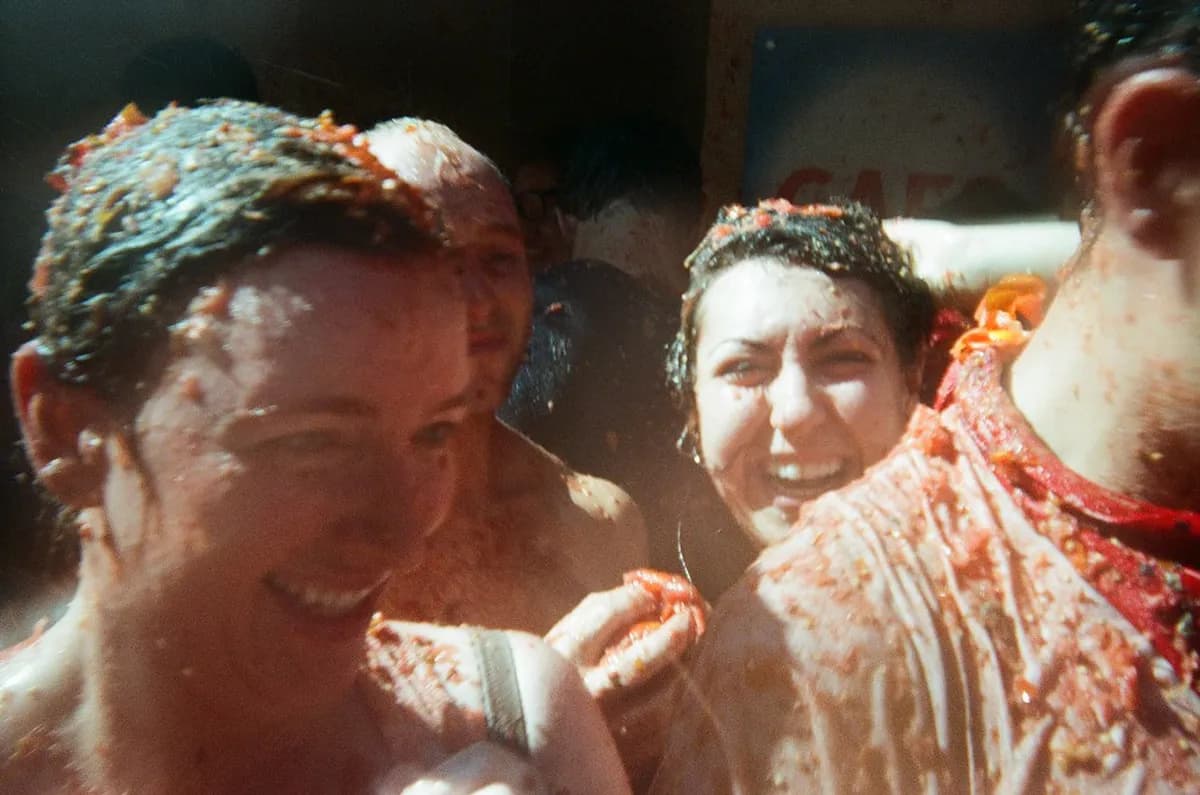
La Tomatina offers an experience like no other on earth. Standing in the red mist of Buñol for the first time is unforgettable, and proper preparation is the difference between chaos and uncontrolled panic. Updated April 2026 from verified traveler feedback and festival logistics. My biggest tip: pack light, protect your eyes, and bring a full change of dry clothes stored safely away from the tomato zone.
Every item you bring should serve at least two separate purposes. I once forgot to bring a spare pair of dry socks, and my feet stayed soggy for the entire train ride back to Valencia. Check our la tomatina festival guide for more general event details and cultural history.
Before You Go Checklist
Preparation starts weeks before you arrive in Buñol. Securing your la tomatina tickets 2026 is the most critical first step. Check the Official La Tomatina Website for the latest entry requirements. Print a physical copy of your booking confirmation just in case connectivity fails during your journey.
Spanish power outlets differ from those in the UK or USA. Most travelers arriving from abroad require Type F plugs, which are two round pins. Ensure your phone is fully charged before leaving your accommodation and bring a high-capacity portable battery. A Spain eSIM is highly recommended for staying connected throughout your festival day and travel to Buñol from Valencia.
Keep your digital documents stored in a secure cloud folder. Cash is still king for small purchases in Buñol village. Carry small denominations—especially coins and notes under 20 EUR—to pay for water, snacks, and public showers easily. Most local vendors and informal service providers will not accept credit cards during the chaos.
- Documents & Money: Physical passport copy and printed ticket confirmation
- Documents & Money: Small Euro coins and bills for village vendors
- Documents & Money: Travel insurance details stored on your phone and printed
- Tech & Electronics: Universal travel power adapter for Spanish Type F sockets
- Tech & Electronics: High-capacity portable power bank with charging cables
- Tech & Electronics: Spain eSIM for 2026 (stays connected during train travel)
- Tech & Electronics: Waterproof phone pouch with sturdy lanyard attached
What to Wear: The Tomato-Proof Uniform
Your outfit will not survive the day, so choose clothes you are willing to discard entirely. Bright white cotton t-shirts are the tradition and photo-friendly choice, though any light-colored old shirt works. Avoid dark colors and expensive fabrics—tomato pulp is notoriously difficult to wash out, and many travelers find pink stains weeks later despite multiple washes.
Old sneakers with good tread are essential. Tomato-covered cobblestones are slippery and treacherous. Flat soles grip better than cleats, and closed-toe shoes protect your feet from glass fragments and sharp stones hidden under red pulp. Avoid flip-flops, sandals, and any footwear that can fall off—the crowd density makes losing shoes inevitable. Wear comfortable shorts with at least one secure zipped pocket for your phone and cash.
A full change of dry clothes stored in a locker or back at your hotel is non-negotiable. Most travelers underestimate how soaked they become. High-pressure hoses used for post-fight cleanup penetrate even "waterproof" bags. Many participants end up in damp clothes for the entire train ride back to Valencia if they skip this step.
- Old white cotton t-shirt (or any light-colored shirt you can throw away)
- Comfortable shorts with secure zipped pockets
- Old sneakers with thick tread and closed toe
- Full change of dry clothes (left in locker or hotel)
- Lightweight undergarments you don't mind replacing
- Light cardigan or rash guard for sun protection (optional)
Goggle & Eye Protection: Finding the Right Fit
Tomato juice is highly acidic and will sting your eyes painfully. Eye protection is the single most important gear item beyond clothing. Three main options exist, each with trade-offs in peripheral vision, comfort, and durability.
Swimming goggles are the most popular choice among participants. Tight-fitting goggles (like those used in competitive swimming) create a seal that keeps tomato pulp out of your eyes. The disadvantage is reduced peripheral vision and a tight pressure feeling around your eye sockets after one hour. Snorkel masks offer superior peripheral vision and are more comfortable for extended wear, but the larger opening allows some tomato juice to seep in during high-pressure moments. Wrap-around sunglasses with tight side panels are a lighter alternative but offer minimal protection and will not prevent juice from entering your eyes.
The goggle dilemma is real: experienced festival-goers often choose one pair based on past experience and stick with it. Test your selection before festival day to ensure it doesn't fog significantly or cause headaches. Many travelers purchase two pairs as backup, keeping one in their pocket should the first become dislodged.
- Tight-fitting swimming goggles (best seal, reduced peripheral vision)
- Snorkel mask (better visibility, some juice penetration)
- Backup pair of eye protection in your pocket
- Anti-fog solution or cloth for lens care
- Saline eye drops for post-event cleaning
Waterproofing & Dry Bags: The Reality of High-Pressure Hoses
Even military-grade waterproof bags can fail under the high-pressure firefighter hoses used for post-fight cleanup. Plan accordingly by splitting your belongings. Items needed during the fight—cash, ID, phone, goggles—go in a single zippered waterproof pouch small enough to fit in your pocket. Never trust a backpack, messenger bag, or anything not currently in contact with your body.
A practical strategy used by seasoned travelers is the "double-bag" method. Place your cash, ID, and keys in a small ziplock bag, then seal that bag inside a second larger ziplock. This redundancy means if the outer seal fails, your documents survive. Alternatively, deposit your main luggage in a locker at Buñol train station (approximately 5 EUR for 24-hour rental) or leave everything at your Valencia hotel and travel light.
For electronics like cameras or action cameras, bring dedicated waterproof housing or accept the risk of damage. Waterproof phone cases rated for saltwater are more reliable than standard wet bags. GoPros are popular but require secure chest or head mounts—losing a camera in the crowd is common.
- Ziploc bags for double-bagging cash and documents
- Small waterproof pouch for in-pocket essentials
- Waterproof phone case for your mobile device
- Locker rental confirmation (if storing at Buñol station)
- Waterproof bag for any electronics or accessories
Official Rules to Remember
The La Tomatina festival operates under strict safety guidelines enforced by security personnel. Understanding these rules beforehand prevents confusion and keeps you safe.
Tomatoes must be squashed before throwing. Hard, unsquashed tomatoes can cause serious bruising and broken bones at close range. Soft, already-pulped tomatoes are what arrive in the trucks, and your job is to crush them further before tossing. The festival organizers take this rule seriously, and security will issue warnings to violators.
Two cannon signals mark the fight duration. The first cannon at approximately 11:00 AM signals the start. The second cannon exactly one hour later signals the end. At that moment, all throwing must stop immediately. Continuing to throw after the signal results in ejection from the festival zone, and security personnel are vigilant about enforcing this rule.
Prohibited items include glass bottles, hard objects (rocks, sticks), and anything that could cause injury beyond soft tomato impact. You cannot rip clothing or deliberately target someone's face with intent to injure. These rules keep the event fun for all 20,000 participants.
- Squash tomatoes before throwing them (mandatory)
- Stop immediately when the second cannon sounds (exactly 1 hour after start)
- No glass bottles, hard objects, or weapons in the fight zone
- No ripping clothing or removing someone's shoes
- No climbing structures for better views (prohibited by security)
- Respect security personnel and follow all local instructions
Logistics: Getting to Buñol from Valencia
Buñol is located 40 kilometers from Valencia, and transport logistics often determine whether your festival day runs smoothly. Multiple transport options exist, each with trade-offs in cost, convenience, and post-festival recovery.
The train is the most reliable option for most travelers. Renfe Cercanías suburban line C3 departs from Valencia's Estación del Nord early in the morning and reaches Buñol town center in approximately 50 minutes. Trains are frequent and affordable (around 3 EUR one-way). The return journey after cleanup is crowded, so patience is required, but you avoid parking hassles and can rest after the event. Check the official Renfe Cercanías website or the Omio booking app for exact 2026 schedules before your trip.
Bus service via Autobuses Buñol is another option, with journey times around 55 minutes from Valencia's main bus station. One-way tickets cost approximately 6 EUR, and multiple daily departures exist. During festival season, private shuttle buses run by tour operators offer all-inclusive packages but at premium prices (typically 50–100 EUR including entry). These shuttles provide return transport after cleanup and are ideal if you prefer organized travel.
Driving is not recommended unless you are comfortable losing car deposits to tomato stains. Parking near Buñol is extremely limited, and tomato juice is nearly impossible to remove from vehicle interiors. Those who choose to drive should park at Valencia's outskirts and use alternative transport into Buñol.
- Train: Renfe C3 line, 50 minutes, ~3 EUR, departs early morning
- Bus: Autobuses Buñol, 55 minutes, ~6 EUR, check schedules
- Package Tours: All-inclusive shuttles, 50–100 EUR, includes entry and return
- Driving: Not recommended (parking, cleanup costs)
- Book transport in advance during festival season (tickets sell out)
What Happens on the Day: The Timeline
Arrival timing dramatically affects your festival experience. Arriving too late means missing the Palo Jabón (greasy pole) tradition and losing your preferred position in the narrow streets.
Plan to reach Buñol by 8:00 AM. The village streets are already filling by this time, but you will have a few hours to find a good spot, hydrate, and adjust to the crowd. The Palo Jabón event typically begins around 10:00 AM. This traditional pre-fight activity involves locals and brave travelers attempting to climb a greased wooden pole to retrieve a large ham suspended at the top. While few succeed, the event is entertaining and marks the final countdown before the trucks arrive.
Between 10:30 AM and 11:00 AM, the first trucks carrying overripe tomatoes roll slowly through the narrow streets of Plaza del Pueblo and surrounding areas. The crowd energy builds to fever pitch. Exactly at 11:00 AM, the starting cannon fires, and the one-hour tomato fight begins in earnest.
During the fight hour, chaos reigns as 20,000 people hurl soft tomatoes at each other in confined spaces. The streets become knee-deep in red pulp. Slipping, falling, and getting drenched are inevitable. Some areas have better "supply" of tomatoes as trucks pass through; others run dry quickly.
At noon, exactly one hour after the first cannon, the second cannon signals the fight's end. Immediately, water trucks and firefighters with high-pressure hoses begin spraying the streets for cleanup. This is when your waterproof pouch becomes critical—the pressure is intense and will soak through most clothing. Stay calm and move toward designated cleanup zones or the river for rinsing.
- 8:00 AM: Arrive in Buñol, find position, hydrate
- 10:00 AM: Palo Jabón event begins (optional to watch)
- 10:30 AM: First trucks arrive with tomatoes
- 11:00 AM: Starting cannon fires, fight begins
- 11:00 AM–12:00 PM: One-hour tomato fight
- 12:00 PM: Second cannon fires, fight ends
- 12:00 PM–1:00 PM: Cleanup and hosing by firefighters
- 1:00 PM+: Change clothes, lunch, post-fight celebrations
After the Fight: Clean-Up and Recovery
Once the second cannon sounds, you are covered in tomato pulp and need to get clean. The festival provides free public showers and hose stations, but they fill up quickly. Locals often spray participants with garden hoses as a tradition, and some famous "shower spots" near the river become crowded gathering points.
Change into your pre-stored dry clothes as soon as possible. Many travelers leave a complete outfit in a locker or at their hotel specifically for this moment. Staying in damp, tomato-covered clothes is uncomfortable, especially on the 50-minute train ride back to Valencia.
Grab food and water. By 1:00 PM, you will be hungry and slightly exhausted. Local vendors sell paella, tapas, bocadillos, and water in the town center. Many travelers spend the next 2–3 hours socializing with festival-goers, taking photos, and slowly making their way back to their transport.
Your return journey is important. If you are taking the train, expect it to be crowded and slightly delayed due to the post-festival rush. Bring entertainment or accept standing room. Most travelers arrive back in Valencia by 2:00 PM and have the rest of the afternoon free to relax or explore.
- Rinse off in public showers or local hose stations
- Change into your pre-stored dry clothes
- Eat a hearty meal (paella or local dishes)
- Relax and socialize with other travelers for 2–3 hours
- Return to Valencia by train or shuttle bus
- Rest your feet and enjoy your memories
What Not to Pack
Space in your day bag is extremely limited, and the crowd density means anything you carry risks damage. Leave valuable items in your Valencia hotel or in a secure locker at Buñol train station.
Heavy backpacks are a burden in crowds and make moving quickly impossible. The heat and standing for hours makes carrying large bags very uncomfortable. Stick to essentials that fit in your pockets. Anything you bring into the fight zone will get covered in tomato pulp and stained permanently.
Expensive electronics are a huge risk. Professional DSLR cameras should stay far away from the truck routes. Tomato juice can penetrate even the smallest gaps in protective cases. If you want photos, use a cheap action camera mounted to your chest or bring a waterproofed phone in a dedicated case. Many travelers regret bringing expensive gear and spend the entire fight protecting their equipment instead of enjoying the moment.
- Don't Pack: Expensive designer clothing or high-end fashion
- Don't Pack: Professional DSLR cameras without military-grade waterproof housing
- Don't Pack: Flip-flops, sandals, or loose footwear
- Don't Pack: Large umbrellas or sticks (prohibited by security)
- Don't Pack: Non-waterproof watches, jewelry, or delicate accessories
- Don't Pack: Large backpacks or messenger bags
Frequently Asked Questions
What should I wear to La Tomatina?
Wear an old white t-shirt and shorts that you do not mind throwing away. Choose closed-toe sneakers with good tread for grip on slippery tomato-covered streets. Avoid flip-flops, sandals, and expensive footwear because they will be lost in the crowd or permanently stained. Bring a complete change of dry clothes stored safely away from the fight zone.
Can I bring a camera to the tomato fight?
Only bring a camera if it is completely waterproof and secured to your body. Action cameras like GoPros with chest or head mounts are popular, but they require serious attention and mounting. Avoid professional DSLR cameras unless you have military-grade waterproof housing. Most travelers are better off bringing a waterproofed smartphone in a quality case and focusing on enjoying the event rather than capturing every moment.
Are there lockers at La Tomatina for my bags?
Limited lockers are available at Buñol train station for approximately 5 EUR per 24 hours. These fill up very early in the morning, so arrive by 8:00 AM if you plan to use them. Private tour operators also offer locker rental. Most travelers prefer leaving their main luggage at their Valencia hotel instead, traveling light to Buñol with only essentials.
Mastering your packing list ensures you focus on the fun rather than logistics. The chaos of Buñol is manageable with preparation. Remember to check the la tomatina 2026 dates before booking your travel. Stay safe, protect your eyes, and enjoy the world's largest food fight.
Spain offers many incredible summer festivals to explore annually. You can find more inspiration in our Spain summer travel guide today. Prepare your white shirt, book your goggles, and get your Spain eSIM activated for the journey. We hope to see you in the red mist soon.
 Best Ibiza Closing Parties: Your Ultimate 2026 GuideApril 21, 2026
 La Tomatina 2026 Dates: Plan Your Buñol Tomato FightApril 21, 2026
 La Tomatina Safety: Essential Tips for Buñol 2026April 21, 2026