
Strasbourg Christmas Market Best Stalls: Top 2026 Guide
Discover the Strasbourg Christmas Market best stalls for food and gifts. Plan your 2026 visit with our expert tips on the finest Alsatian vendors.
On this page
Guide to the Strasbourg Christmas Market Best Stalls
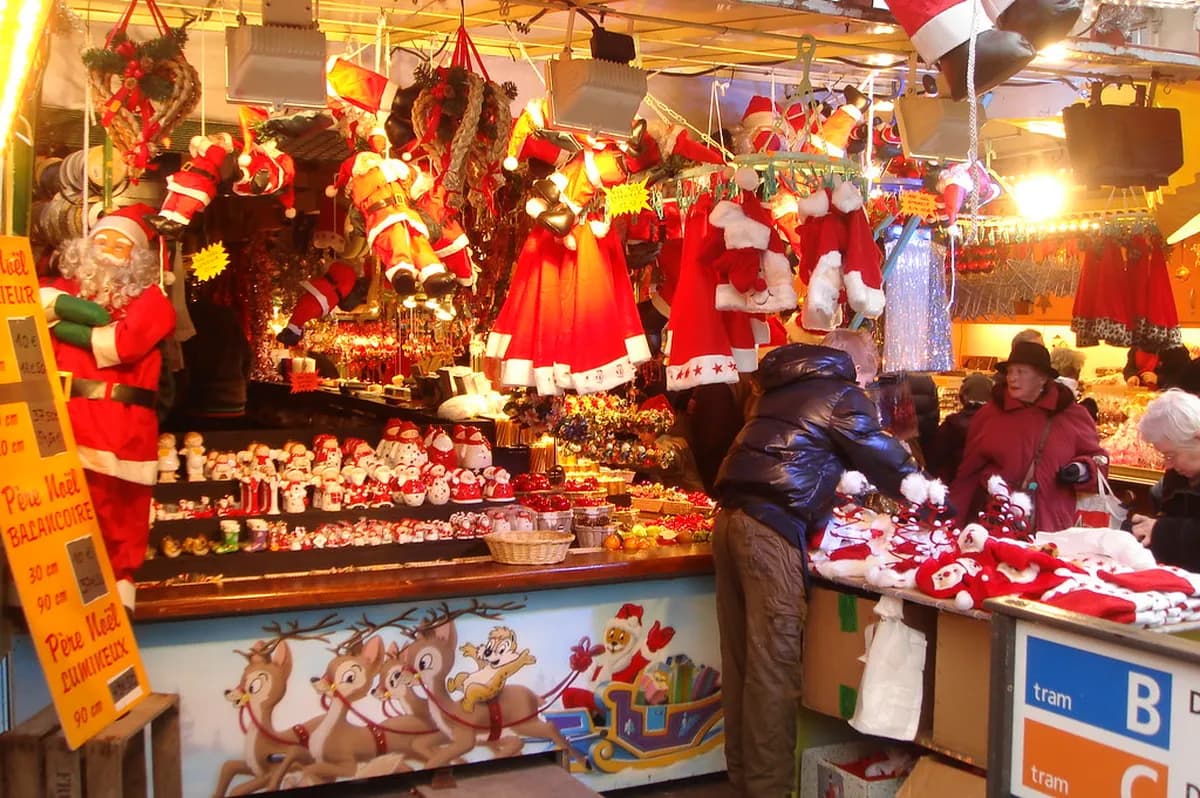
Strasbourg transforms into a magical winter wonderland when the holiday season arrives in late November. Hundreds of wooden chalets fill the historic streets with the scent of cinnamon and warm spices. Finding the **strasbourg christmas market best stalls** requires a bit of local knowledge and careful planning. This guide helps you navigate the crowded squares to discover the most authentic treasures available.
The city is often called the Capital of Christmas for its long-standing festive traditions. Visitors from around the world gather here to experience the unique Alsatian atmosphere and craftsmanship. You will find various market zones, each offering a different theme or specialty product. Exploring these diverse areas allows you to see the full range of what Strasbourg offers.
Walking through the cobblestone streets reveals a mix of historic charm and modern holiday spirit. Many stalls have been run by the same families for multiple generations in the region. Knowing where to stop for a snack or a gift makes your visit much more enjoyable. Prepare your walking shoes and appetite for an unforgettable journey through these famous festive markets.
Essential Strasbourg Christmas Market Dates & Logistics
The Strasbourg Christmas markets run annually from late November through December, creating a five-week window for exploration. In 2026, expect markets to open November 27 and close December 24. Most stalls operate from 11:00 AM to 8:00 PM on weekdays, with extended evening hours until 10:00 PM on Fridays and Saturdays. The massive 30-meter Christmas tree at Place Kléber features a light-and-music show hourly between 4:00 PM and 9:00 PM, making evenings particularly magical for photography.
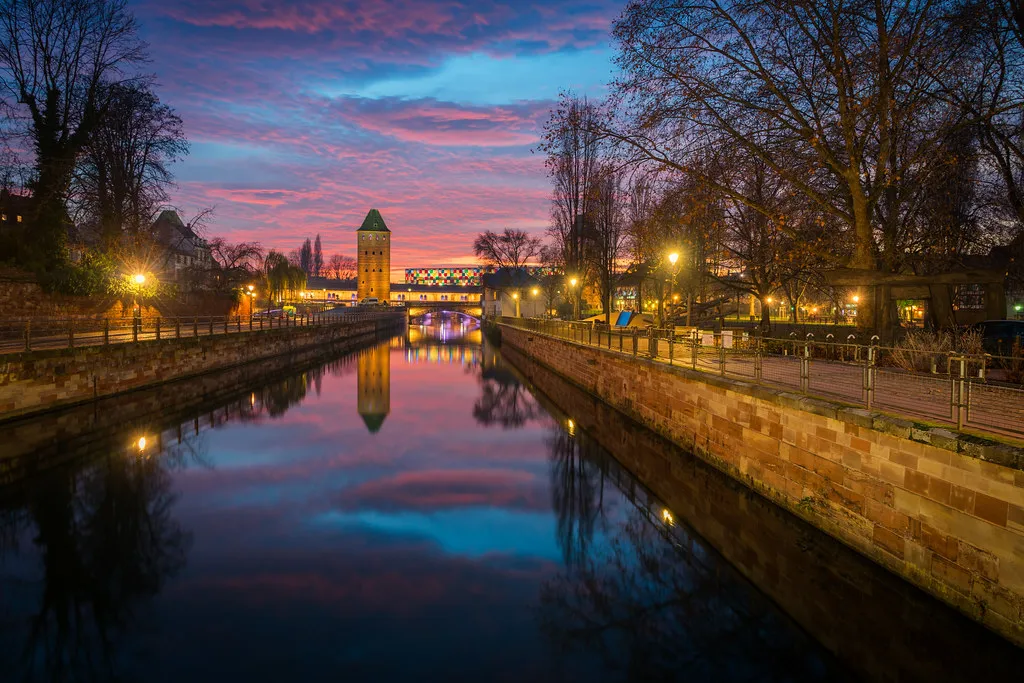
The markets spread across thirteen distinct squares across the Grande Île district, with over 300 chalets total. Place Broglie hosts the Christkindelsmärik, dating to 1570, while Place de la Cathédrale and Place Kléber anchor the main tourist zones. You can walk between major squares in 15-20 minutes, but allowing two full days ensures you experience both day and evening atmospheres without exhaustion.
Arriving on weekday mornings (Monday-Friday, 11:00 AM-2:00 PM) guarantees shorter lines and easier navigation. Weekends and the final week before Christmas peak with tour groups and holiday crowds. December 1-15 represents the "Goldilocks zone"—festive atmosphere, manageable crowds, and full stall inventory before holiday closures.
Historic Food Stalls at Place Broglie
Place Broglie hosts the historic Christkindelsmärik which dates back to the sixteenth century. This area is the perfect starting point for anyone looking for traditional holiday snacks and treats. The air here is thick with the aroma of roasting chestnuts and spiced mulled wine. Many visitors find that the food stalls in this square offer the most authentic flavors.
Look for vendors selling *baguette flambée*, which is a local favorite for a quick lunch. These crispy bread snacks are topped with cream, onions, and smoky bacon bits for a savory punch. You can find more detailed recommendations in our guide on what to eat at Strasbourg Christmas market. Most food stalls open around 11:00 AM and stay busy until the market closes at night.
Gingerbread is a staple of the Alsatian holiday season and comes in many different forms. Artisanal bakers often create intricate designs that are almost too beautiful to eat during your visit. Prices for these treats generally range from five to twenty euros depending on the size. Buying from a dedicated gingerbread stall ensures you get a fresh and high-quality product.
Crowds tend to be thickest in Place Broglie during the early evening hours on weekends. Visit during a weekday morning to enjoy shorter lines and better access to the best vendors. This square also features several stalls selling traditional decorations and warm winter accessories. It remains a cornerstone of the holiday experience for locals and tourists alike.
- Mireille Oster Gingerbread
- Best for: Spiced cakes
- Location: Place Broglie
- Cost: €10 to €25
- Tip: Try the orange flavor
- The Alsatian Sausage Grill
- Best for: Grilled meats
- Location: Near the Opera
- Cost: €6 to €9
- Tip: Add local mustard
- Traditional Baguette Flambée Hut
- Best for: Savory snacks
- Location: Central aisle
- Cost: €5 to €8
- Tip: Eat while hot
Artisanal Crafts Near the Cathedral
The stalls surrounding the massive Gothic cathedral offer some of the most scenic shopping in France. Intricate glass ornaments and hand-carved wooden toys fill these charming wooden huts every year. Most vendors accept credit cards, but carrying some cash is helpful for very small purchases. The lighting in this square makes it a prime spot for evening photography and browsing.
Hand-painted glass baubles from Meisenthal are highly sought after by serious collectors. These unique pieces represent centuries of glassblowing tradition from the nearby Northern Vosges mountains. Check the Strasbourg Christmas market dates to ensure you arrive when the stock is fresh. Early shoppers often get the best selection of limited-edition designs and colors.
Wooden ornaments are another popular choice for those looking for a durable and classic souvenir. Craftsmen often demonstrate their carving skills right at the stall for interested passersby. These items are lightweight and easy to pack in a suitcase for your journey home. Expect to pay around fifteen euros for a medium-sized hand-carved festive figure.
Pottery from the villages of Soufflenheim and Betschdorf is also frequently found in this area. These traditional ceramics feature hand-painted floral patterns that are iconic to the Alsace region. They make excellent gifts for those who enjoy cooking or decorating their homes with folk art. Be sure to ask the vendor for extra padding when they wrap your ceramic purchases.
- Meisenthal Glass Ornaments
- Best for: Glass art
- Location: Cathedral Square
- Cost: €20 to €40
- Tip: Arrive early
- Alsatian Wood Carvers
- Best for: Tree decorations
- Location: North side
- Cost: €10 to €30
- Tip: Look for signatures
- Traditional Blue Pottery
- Best for: Kitchenware
- Location: Market entrance
- Cost: €15 to €50
- Tip: Check for authenticity
Authentic Flavors at the Market of Delicacies
Place du Marché-aux-Poissons hosts a market dedicated entirely to the finest regional food products. Local farmers and small-scale producers sell honey, jams, and spirits directly to the public here. This square is generally less crowded than the main tourist hubs near the cathedral. It is the best place to find high-quality ingredients for your own holiday feast.
Many stalls offer free samples of their cheese or spiced wine to interested shoppers. Supporting these small producers ensures you get a truly unique and high-quality souvenir. You can explore more about the region's festivals at EuroFestGuide France for extra inspiration. The quality of the honey here is exceptional, often featuring forest or fir tree varieties.
Small bags of *bredele* cookies are a must-buy when visiting this specific market section. These traditional biscuits come in dozens of shapes and flavors like anise, cinnamon, and lemon. They are usually sold by weight and make for a perfect snack while you walk. Prices are very reasonable, typically ranging from six to ten euros per bag.
This market is also a great spot to find local Alsatian wine and fruit brandies. Vendors are often happy to explain the history and production methods of their specific bottles. A bottle of local Riesling or Gewürztraminer makes a sophisticated gift for any wine lover. Always check customs regulations if you plan to fly home with liquid purchases.
- The Honey Artisan
- Best for: Fir honey
- Location: River side
- Cost: €8 to €15
- Tip: Sample the chestnut honey
- Bredele Bakery Stall
- Best for: Mixed cookies
- Location: Central square
- Cost: €7 to €12
- Tip: Buy the spice mix
- Alsatian Spirit Vendor
- Best for: Fruit brandies
- Location: Corner stall
- Cost: €20 to €45
- Tip: Try the pear brandy
How to Spot Authentic Local Stalls
Not every stall in the city center offers authentic, locally made goods to visitors. Some vendors sell mass-produced items that lack the charm of traditional Alsatian handiwork. Look for the official "Strasbourg Capitale de Noël" seal to verify the vendor's local authenticity. This logo indicates that the products meet specific quality and origin standards set by the city.
Avoid stalls located directly in the heaviest foot traffic zones if you want better prices. Vendors on the edges of the main squares often offer more personal service and unique designs. This strategy helps you find high-quality items without the stress of the biggest crowds. Price tags that seem too low often indicate items that were not made in France.
Pay attention to the materials used in the ornaments and gifts on display. Real wood, glass, and ceramic should feel substantial and show slight variations in their design. Plastic items are almost always mass-produced and do not represent the true spirit of the market. Asking the vendor about where their items are made is a perfectly acceptable practice.
Local artisans are usually proud to share stories about their craft and their workshop locations. Engaging with the stall owners can lead to a much deeper appreciation for your purchase. Many of these creators only sell their work during the four weeks of the market. Taking the time to look closely ensures you bring home a piece of genuine Alsatian culture.
Unique Finds at the Village of Sharing
Place Kléber is home to the Great Christmas Tree and the heartwarming Village of Sharing. This section of the market features stalls run by charitable organizations and local community groups. Purchasing gifts here directly supports social causes and helps those in need during the holidays. It offers a more meaningful shopping experience compared to the purely commercial market areas.
For those visiting on a Strasbourg Christmas market day trip from Paris, this square is essential. The massive tree provides the perfect backdrop for holiday photos before you browse the stalls. You can find unique handmade cards, knitted goods, and simple wooden decorations here. Most items are priced affordably to encourage donations and wide community participation.
The atmosphere in Place Kléber is often lively with music and community performances. It serves as a reminder of the original spirit of giving that defines the Christmas season. Many locals prefer this area for its relaxed vibe and focus on human connection. Spending an hour here allows you to see a different side of the festive celebrations.
You can also find stalls selling hot soup and simple snacks to keep you warm. These food options are often cheaper than the gourmet offerings in the more touristy squares. The proceeds from these sales usually go back into local community projects and charities. It is a great place to rest and reflect on your holiday journey through Strasbourg.
- Charity Craft Stall
- Best for: Knitted items
- Location: Under the tree
- Cost: €5 to €20
- Tip: Great for small gifts
- Local Soup Kitchen
- Best for: Warm vegetable soup
- Location: West side
- Cost: €3 to €5
- Tip: Perfect for cold days
- Handmade Card Vendor
- Best for: Holiday stationery
- Location: North entrance
- Cost: €2 to €6
- Tip: Look for local art
Specialty Stalls: The Soupe Étoilée Experience
One of Strasbourg's most celebrated market institutions is the Soupe Étoilée (Starry Soup) stall, located at Place de la Cathédrale. This iconic vendor creates a unique vegetable soup recipe that draws crowds year-round, but reaches cult status during the Christmas markets. The stall earned its name from the star-shaped vegetables and vibrant presentation that makes each bowl feel special. Visitors often queue 10-15 minutes during peak hours just to experience this signature dish.
The Soupe Étoilée team rotates featured guest chefs during the season, each bringing their own interpretation of the classic recipe. Check the official stall schedule on Instagram or the Strasbourg Christmas Market website to discover which guest chef is featured during your visit. A single bowl costs €6-8 and comes with complimentary crusty bread. The broth is vegetable-based with seasonal additions like mushrooms, herbs, and root vegetables harvested from Alsatian farms.
This stall represents a crucial differentiator: while most Christmas market vendors sell mass-produced goods, Soupe Étoilée offers a prepared-to-order, locally-sourced culinary experience. It captures the philosophy that authentic stalls are about craftsmanship, not volume. Many first-time visitors miss this gem entirely, but locals consider it a must-visit. Arriving before 6:00 PM ensures shorter waits and guaranteed availability.
Beyond Soupe Étoilée, other specialty stalls worth seeking include the wine merchants behind the Palais Rohan (selling local Riesling and Gewürztraminer at €18-35 per bottle) and the artisanal cheese vendor at Place Gutenberg who ages local Munster and Alsatian tomme in a workshop visible from the stall.
Navigating Stalls: Crowd Strategy & Payment Etiquette
Strasbourg's Christmas markets span thirteen squares across a walkable but sprawling historic district. The most effective stall circuit follows a figure-eight pattern starting at Place Broglie (Christkindelsmärik) in the northeast, moving west to Place de la Cathédrale, then looping south through Place du Marché-aux-Poissons before returning north via Place Kléber. This routing avoids doubling back and minimizes standing still in high-traffic bottlenecks between major squares.
Timing matters dramatically. Peak congestion occurs 5:00-8:00 PM on Fridays-Sundays and weekends in mid-to-late December. Visiting on a Tuesday or Wednesday morning (11:00 AM-1:00 PM) allows browsing stalls without feeling rushed. Evening visits (after 8:00 PM on weekdays) work well for photography when crowds thin but lights remain full. Never visit December 20-24 unless you thrive in festival-like chaos—queuing for a single stall can take 30 minutes.
Payment practices vary by stall age and size. Large, established vendors accept cards for purchases over €10. Smaller, family-run artisanal stalls (especially food vendors) often demand cash only. The *consigne* system applies to reusable mugs for mulled wine and hot chocolate—you pay a €2-3 deposit and receive it back when you return the mug, incentivizing vendors to reduce waste. Always carry €30-50 in small notes, as vendors have limited change and some ATMs in the old town malfunction during peak season.
A pro tip: befriend stall owners by visiting the same vendor twice. They often hold back premium pieces (rarest glass colors, newest pottery designs) for repeat customers, revealing inventory not displayed to casual browsers. Many artisans display a printed schedule of their stall hours—respecting these hours (some close 2:00-4:00 PM for meals) shows courtesy and often earns a discount or free sample.
Meisenthal Glass and Alsatian Pottery Buyer's Guide
Meisenthal glass represents the crown jewel of Strasbourg Christmas market shopping. This hand-blown tradition originates 50 kilometers north in the Vosges mountains, where the Meisenthal glassworks has operated since 1704. Each ornament is individually crafted, meaning no two pieces are identical—a critical distinction from machine-made imports. Authentic Meisenthal glass feels noticeably heavier than counterfeits and exhibits subtle color variations even within single color categories.
Price points reflect craftsmanship: small (2-3 inch) ornaments cost €20-30, medium pieces €30-45, and large sculptural pieces €60+. The most sought-after designs include the "Cathedral Series" (miniature European cathedrals including Strasbourg's own), animal figurines, and limited-edition holiday themes released annually. Many stalls offer 10-15% discounts on purchases over €150, though negotiating prices is not customary with glass vendors.
Pottery from Soufflenheim and Betschdorf carries equally rich history. Soufflenheim wares feature hand-painted floral and geometric patterns in traditional blues and yellows, while Betschdorf pottery showcases the distinctive blue-and-gray salt-glaze technique developed locally. Both villages' pottery remains functional (dishwasher-safe, oven-safe) rather than decorative-only, making them practical heirloom gifts. Expect to pay €15-25 for small dishes and €40-80 for serving platters.
To spot authentic pieces: ask vendors for a workshop name or village origin (legitimate artisans proudly display this). Examine the bottom of ceramics for hand-stamped maker marks—mass-produced pieces lack these details. Request extra wrapping for fragile purchases; many stall owners provide newspaper-lined boxes at no extra charge, knowing breakage represents both a lost sale and customer disappointment.
Beautiful Christmas Storefronts & Displays Near the Markets
Beyond the stalls themselves, Strasbourg's surrounding architecture transforms into a photographer's paradise during the Christmas season. The "Teddy Bear House" (Maison Teddy) near Place du Château becomes iconic, its entire facade decorated with oversized plush bears, garlands, and lights. The restaurant Le Tire-Bouchon operates from this building, and the owners spend weeks each November constructing these elaborate decorations—a family tradition dating back 30 years. The building's half-timbered structure makes the contrast between rustic architecture and whimsical modern decor especially striking.
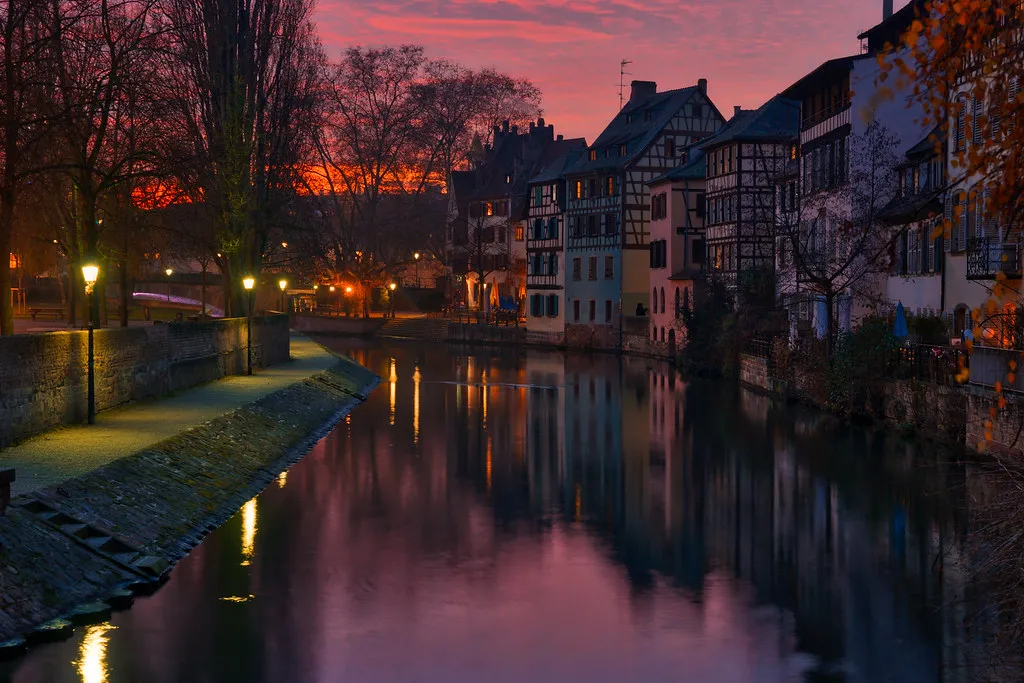
Petite France district (one block southeast of Place Kléber) offers quieter market areas alongside picture-perfect half-timbered homes reflected in the Ill River. The narrow streets of this UNESCO-recognized district glow with smaller, intimate stalls selling locally made crafts. Many storefronts feature hand-painted window displays rather than electric lights, creating a softer, more artisanal atmosphere than the main squares.
The Strasbourg Cathedral itself becomes a glowing centerpiece, especially at dusk when uplighting transforms its Gothic stonework. The cathedral's stained-glass windows are illuminated from within during evening hours, visible from Place de la Cathédrale and visible from the surrounding stalls. Several photography tour companies operate specifically during December, capitalizing on the light show and crowd dynamics—but self-guided exploration between 4:00-6:00 PM yields the best solo photography without tour group noise.
When the Strasbourg Market Is Worth It (& When It Isn't)
Strasbourg's Christmas markets deliver transformative experiences for some visitors and overwhelming crowds for others—context matters. The markets excel for travelers who: thrive in festive group energy, prioritize photography and Instagram content, value access to world-class Alsatian artisans, and have flexibility to visit weekday mornings. These visitors consistently report the experience justifies high hotel costs (€200-300/night in December versus €80-120 in summer).
The markets disappoint travelers who: prefer quiet, contemplative holiday atmospheres, travel with young children sensitive to crowding, have strict budgets, or seek solitude. For these visitors, smaller regional alternatives—Colmar (30 minutes by train), Obernai (20 minutes), or Metz (1 hour)—offer 70-80% of the aesthetic appeal with 40% of the crowds. Obernai, especially on weekday afternoons, replicates the architectural charm and artisanal stalls without December's Strasbourg chaos.
The cost-benefit equation heavily favors visiting if you can time a weekday trip in early December (Nov 27-Dec 10). This window captures full stall inventory, manageable crowds, and genuine festive atmosphere. Visiting December 15-24 requires embracing carnival-like density and accepting 2-3 hour delays for premium experiences like Soupe Étoilée or featured glass artists. Christmas Eve (Dec 24) brings closures as vendors pack out, making it a poor final-day target.
Frequently Asked Questions
What are the best stalls for food at the Strasbourg Christmas Market?
The best food stalls are found at Place Broglie and Place du Marché-aux-Poissons. Look for Mireille Oster for gingerbread and local vendors for baguette flambée. You can find more planning tips in our guide to the Strasbourg Christmas market.
When is the best time to visit the stalls to avoid crowds?
Visit the stalls on weekday mornings between 11:00 AM and 2:00 PM for the quietest experience. Crowds increase significantly after sunset and during the weekends. Early visits also ensure that popular items like Meisenthal glass are still in stock.
Are the stalls in Strasbourg expensive?
Prices vary depending on the item and the square you are visiting. Food items usually cost between €5 and €12, while handmade ornaments range from €10 to €40. Authentic artisanal products are more expensive than mass-produced souvenirs but offer better quality.
Do I need cash for the market stalls?
Many larger stalls now accept credit cards for purchases over ten euros. However, carrying some cash is highly recommended for small food items and drinks. Some small artisanal producers may only accept cash payments during busy periods.
Exploring the many stalls of the Strasbourg Christmas Market is a highlight of any winter trip to France. From the historic treats at Place Broglie to the artisanal glass near the cathedral, there is something for everyone. Taking the time to seek out authentic vendors ensures you bring home truly special memories. We hope this guide helps you find the very best treasures during your festive adventure.
Remember to dress warmly and stay hydrated as you navigate the different market squares. Planning your route in advance can help you avoid the heaviest crowds and long wait times. If you need a place to stay, check our advice on where to stay for the Strasbourg Christmas market. Booking your accommodation early is essential for getting the best locations near the stalls.
Strasbourg truly earns its title as the Capital of Christmas through its vibrant market culture. Each stall tells a story of local tradition and seasonal joy that is hard to find elsewhere. Enjoy the magical lights, the friendly atmosphere, and the delicious flavors of the Alsace region. Your 2026 holiday visit is sure to be an enchanting experience from start to finish.
 Guide to Old Town Square Christmas Market PragueApril 21, 2026
 Strasbourg Christmas Market Dates: 2026 Travel GuideApril 21, 2026
 Strasbourg Christmas Market Day Trip From Paris GuideApril 21, 2026