
Greek Orthodox Easter: A Complete Guide to Traditions
Discover the magic of Greek Orthodox Easter. Learn about unique local traditions, festive foods, and the best places to celebrate in Greece. Plan your trip now!
On this page
Experiencing Greek Orthodox Easter: Rituals and Travel Tips
Greek Orthodox Easter stands as the most significant religious event in the Greek calendar. Families across the nation gather to honor ancient rituals that blend spiritual devotion with vibrant celebration. This period transforms the entire country into a stage for candlelight processions and joyous feasts. Visitors often find that these traditions offer a deep look into the soul of Greek culture.
The atmosphere during Holy Week remains somber and reflective until the explosive joy of Sunday arrives. Each island and mountain village maintains its own specific customs passed down through generations. Planning a visit during this time requires understanding the rhythm of the liturgical calendar. You will experience a side of Greece that most summer tourists never get to witness.
Preparation for the feast begins weeks in advance with strict fasting and home cleaning. The scent of baking sweet bread and roasting meat fills the air in every neighborhood. Exploring Greece during this season provides a sensory experience unlike any other. This guide covers everything from midnight services to the best regional celebrations available.
Key Takeaways
- Book ferries and hotels at least 3-4 months in advance for Easter.
- Observe the midnight Resurrection service for the most iconic cultural experience.
- Be prepared for total closures of museums and shops on Easter Sunday.
- Pack modest clothing for attending any of the Holy Week church services.
Understanding Greek Orthodox Easter Traditions
Holy Week serves as the spiritual core of the entire Easter period for the faithful. Daily church services recount the final days of Christ with increasingly elaborate ceremonies. Locals often follow a strict fast that excludes meat, dairy, and eggs until the weekend. This devotion creates a sense of shared community focus that permeates every town square.
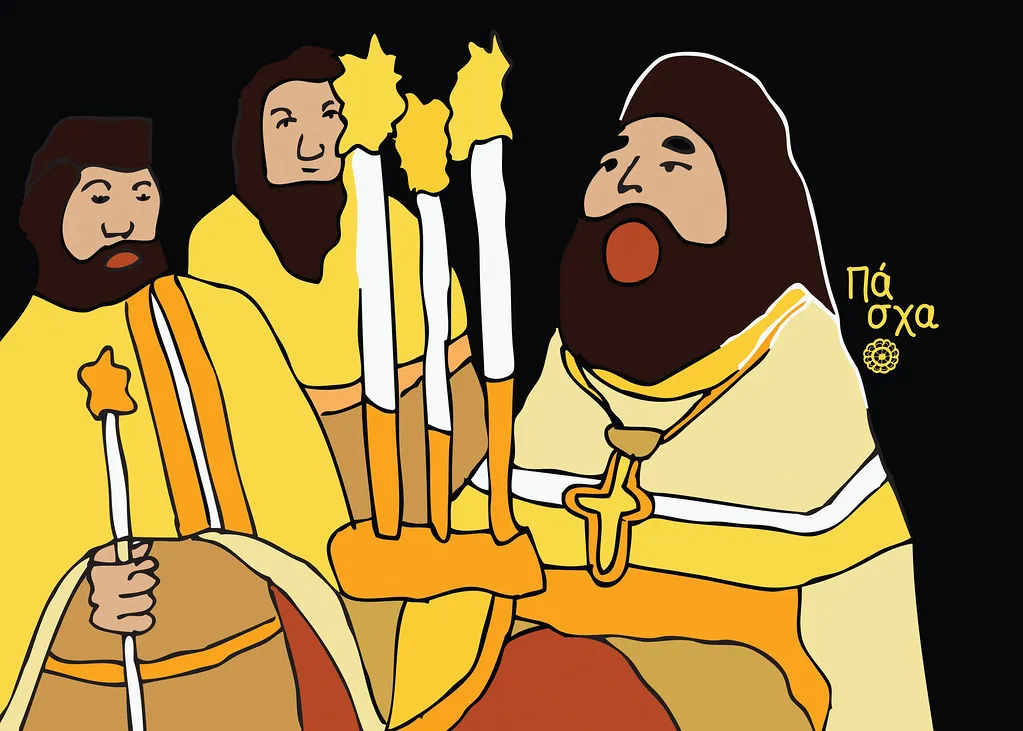
On Holy Thursday, households traditionally dye eggs a deep crimson red to symbolize life. These eggs represent the blood of Christ and the hope of the resurrection. Many families also bake Tsoureki, a braided sweet bread flavored with aromatic orange and spices. You can learn more about these specific Greek Orthodox Easter traditions to better appreciate the local customs.
Good Friday brings a mournful tone as the Epitaphios, a flower-adorned bier, is carried through the streets. Crowds follow the procession with lit brown candles while bells toll a slow, funeral rhythm. This evening is perhaps the most atmospheric time to be in a traditional Greek village. The scent of incense and jasmine creates a hauntingly beautiful environment for observers.
Children often receive special decorated candles called lambades from their godparents during this week. These candles are used during the Saturday midnight service to receive the Holy Light. Expect shops to be very busy as families purchase new clothes and gifts for the holiday. Most local businesses close early on Friday to allow staff to attend the evening services.
The Magic of Holy Saturday and Resurrection
The mood shifts dramatically on Holy Saturday as the anticipation for the resurrection builds. People gather at local churches shortly before midnight, holding unlit white candles in total darkness. The priest emerges with the Holy Light, passing the flame to the nearest congregation members. This chain of light spreads quickly until the entire courtyard glows with thousands of flickering flames.
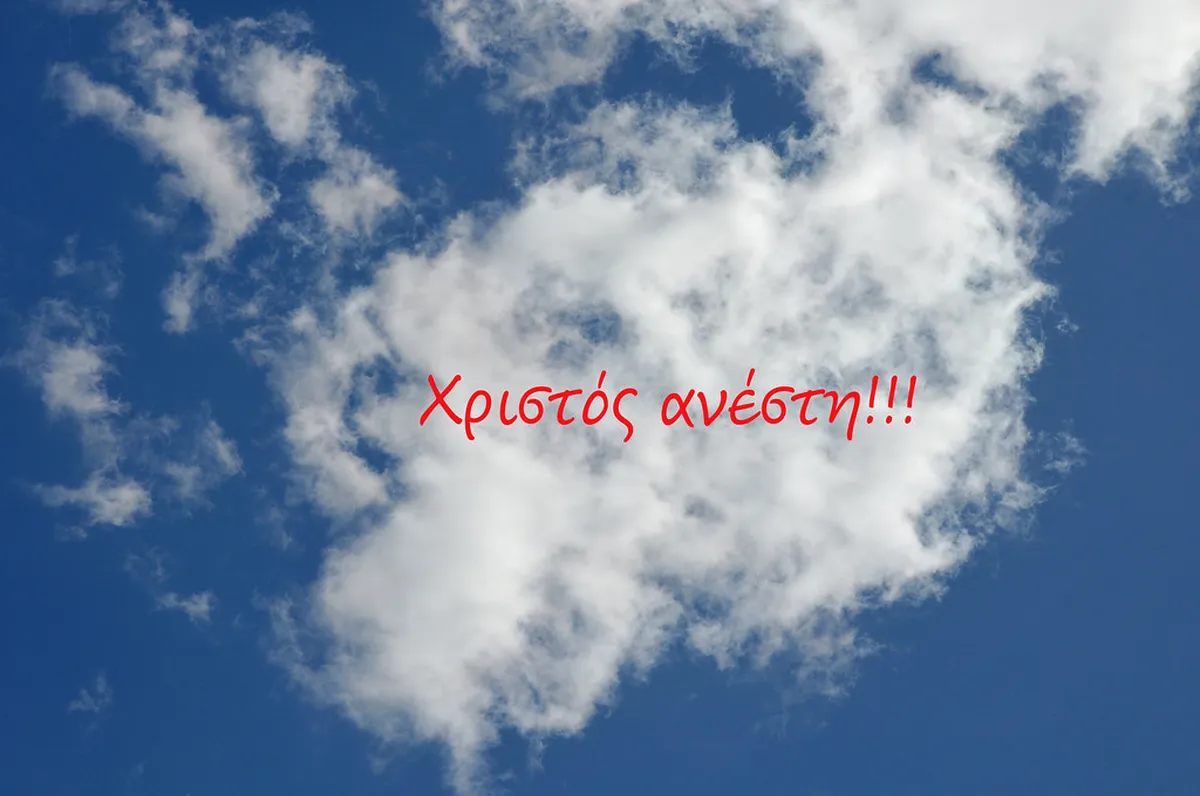
As the clock strikes twelve, the priest chants Christos Anesti, meaning Christ is Risen. Fireworks typically erupt overhead, and church bells ring out in a frantic, joyful cadence. People greet each other with kisses and the traditional response, Alithos Anesti, or Truly He is Risen. The loud celebrations mark the official end of the forty-day Lenten fasting period.
Families carefully carry their lit candles home to mark a cross above their front doors with smoke. This ritual is believed to bring blessings and protection to the household for the coming year. The first meal after the service is almost always Magiritsa, a traditional lemon-herb tripe soup. While the flavor is distinct, the soup is designed to gently prepare the stomach for Sunday's feast.
The egg-cracking game, known as tsougrisma, also begins immediately after the midnight service. Each person chooses a red egg and taps it against their opponent's egg to see which breaks. The individual whose egg remains uncracked is said to have good luck for the entire year. This simple game provides a lighthearted end to the solemnity of the previous week.
Easter Sunday: The Ultimate Greek Feast
Easter Sunday is defined by the aroma of whole lambs roasting on outdoor spits. Festivities usually begin early in the morning with the lighting of the charcoal fires. Men often take charge of the roasting process, which can take five to seven hours. This social event brings neighbors together for wine, appetizers, and traditional folk music.
The main meal features the succulent roasted lamb alongside potatoes and fresh seasonal salads. Kokoretsi, a dish of seasoned organ meats wrapped in intestines, is another common holiday staple. Tables are laden with enough food to feed large extended families and unexpected guests. Hospitality reaches its peak on this day, as strangers are often invited to join the feast.
Dessert often includes more Tsoureki bread and honey-based sweets like baklava or galaktoboureko. The celebration continues long into the afternoon with dancing and singing in the streets. Public squares in many villages host communal roasts where anyone can purchase a plate of meat. Local musicians often play the clarino or lyra to keep the festive energy high.
Transportation on Easter Sunday is nearly impossible as almost all services come to a halt. Plan to stay in one location for the entire day to fully immerse yourself in the party. Most museums and archaeological sites remain closed to allow staff to celebrate with their families. This is the perfect day to slow down and enjoy the legendary Greek philoxenia, or hospitality.
Best Places to Celebrate Easter in Greece
While every corner of Greece celebrates, some locations offer truly spectacular and unique rituals. Corfu remains the most famous destination due to its massive Venetian-style celebrations. The island attracts thousands of visitors who come to see the philharmonic bands and local customs. Accommodation prices here can triple during the holiday week, so early booking is essential.
Chios offers a more adrenaline-filled experience with its famous rocket war in Vrontados village. Two rival churches fire thousands of homemade rockets at each other's bell towers during the service. This tradition dates back to the Ottoman era and provides a stunning visual display. Safety measures are in place, but the sheer noise and light are unlike anything else in Greece.
Patmos provides a deeply spiritual atmosphere centered around the Monastery of Saint John. The Washing of the Feet ceremony on Holy Thursday is a highlight for many religious travelers. The island's volcanic landscape and ancient architecture add a solemn beauty to the processions. It is a quieter alternative for those seeking reflection rather than loud pyrotechnics.
- Corfu Pot Throwing
- Time: 11:00 AM
- Day: Holy Saturday
- Location: Liston Square
- Tip: Arrive three hours early
- Chios Rocket War
- Time: Midnight
- Day: Holy Saturday
- Location: Vrontados Village
- Access: Best viewed from hills
- Leonidio Balloons
- Time: After Midnight
- Day: Holy Saturday
- Location: Main Square
- Activity: Hundreds of hot air balloons
- Hydra Sea Procession
- Time: 9:00 PM
- Day: Good Friday
- Location: Kamini Port
- Unique: Epitaphios enters the water
Planning Your Trip for Greek Orthodox Easter 2026
Timing is the most critical factor when planning your trip to Greece for the spring season. The Greek Orthodox Easter 2026 dates fall on April 12th. This date differs from the Western Easter, which occurs one week earlier in the same year. Aligning your flights with the Orthodox calendar ensures you don't miss the main events.
Ferry schedules often change or become fully booked months before the holiday begins. Major routes from Piraeus to islands like Corfu or Chios require reservations by January. Car rentals also see a surge in demand as locals return to their ancestral villages. Secure your vehicle at least three months out to avoid inflated last-minute pricing.
Weather in mid-April can be unpredictable, ranging from sunny skies to cool evening breezes. Pack layers to stay comfortable during the long outdoor church services and late-night processions. Sturdy walking shoes are necessary for navigating the cobblestone streets of old towns. A light waterproof jacket is also recommended for potential spring showers during the week.
Budgeting for this trip requires accounting for the peak season surcharges at hotels. Expect to pay roughly 40% more for rooms in popular celebration hubs compared to May. Many tavernas offer fixed-price Easter menus that include several traditional courses. Cash is still king in smaller villages, so keep enough euros for small purchases and tips.
Common Mistakes to Avoid During Easter
Many travelers assume that restaurants will be open as usual on Easter Sunday afternoon. In reality, most family-run tavernas close so the staff can enjoy their own holiday feast. You should confirm your lunch plans with your hotel or a local host well in advance. Supermarkets and pharmacies also have limited hours or complete closures on Sunday and Monday.
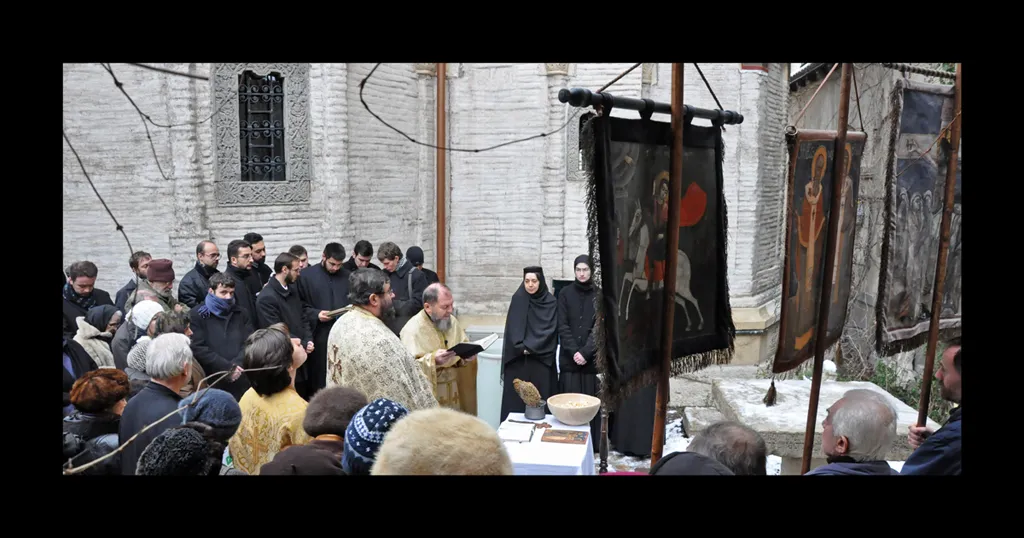
Ignoring the dress code for church services can be seen as a sign of disrespect. While modern standards are relaxing, modest clothing that covers shoulders and knees is still preferred. Avoid wearing bright or flashy colors during the somber Good Friday processions. Simple, dark attire helps you blend in with the local congregation during the rituals.
Another mistake is waiting until the last minute to buy your Easter candle or eggs. Shops often sell out of the best lambades and dyes by Holy Wednesday. If you want to participate in the rituals, purchase these items early in the week. This ensures you have everything needed to join the Saturday midnight celebration properly.
Failing to account for the noise level of Greek celebrations can be a shock for some. Fireworks and firecrackers are a standard part of the Resurrection service in many areas. If you are sensitive to loud noises, choose a smaller parish away from the main square. Earplugs can be a helpful addition to your packing list for Holy Saturday night.
Frequently Asked Questions
Is everything closed during Greek Orthodox Easter?
Most shops, museums, and archaeological sites close on Easter Sunday and Monday. Public transport runs on a very limited holiday schedule. It is best to plan for downtime and focus on local festivities during these two days. Always check the specific 2026 holiday hours for major attractions before arriving.
Can non-Orthodox tourists participate in the services?
Yes, visitors are generally welcome to observe and participate in the public aspects of the services. You can hold a candle during the processions and join the outdoor celebrations. Always remain respectful, keep noise to a minimum inside the church, and follow the lead of the local congregation.
What is the traditional food for Greek Easter?
The most iconic dish is whole roasted lamb, often cooked on a spit over charcoal. Other essentials include Magiritsa soup, Tsoureki sweet bread, and red-dyed hard-boiled eggs. You will also find Kokoretsi and various local pies depending on which region of Greece you are visiting for the holiday.
Why are the Easter eggs dyed red in Greece?
Red eggs symbolize the blood of Jesus Christ shed on the cross. The egg itself represents the sealed tomb, while the cracking of the egg signifies the resurrection and new life. This tradition is a central part of the Holy Thursday preparations and the Sunday feast games.
Greek Orthodox Easter offers a profound connection to the living history of the Mediterranean. The combination of solemn religious ritual and explosive communal joy creates an unforgettable travel experience. Whether you watch the rockets in Chios or the pots falling in Corfu, the memories will last a lifetime. Respecting the local customs allows you to fully engage with the heart of Greek society.
Early preparation remains the key to a successful trip during this busy peak period. Booking your transport and lodging well in advance ensures a smoother journey through the islands. Embrace the slower pace of Holy Week and the high energy of the Sunday feast. The warmth of Greek hospitality is never more evident than during these sacred spring days.
Take the time to learn a few Greek phrases like 'Christos Anesti' to connect with locals. You will find that a little effort goes a long way in opening doors to authentic experiences. Greece during Easter is not just a destination, but a vibrant celebration of life itself. Safe travels as you embark on this unique cultural adventure through the cradle of civilization.
 Best Autumn Festivals Europe: Top Events for 2026April 21, 2026
 15 Best Christmas Markets Europe: 2026 Travel GuideApril 21, 2026
 Best Festivals in Europe: 2026 Guide to Top EventsApril 21, 2026