
Complete Guide to Salzburg Festival 2026
Discover how to attend the Salzburg Festival 2026. Get expert tips on tickets, venues, and dress codes for this world-class Austrian arts event. Plan now!
On this page
Planning Your Perfect Trip to Salzburg Festival 2026
Salzburg transforms into a global stage during the vibrant summer months. The upcoming Salzburg Festival 2026 promises a season of world-class opera and drama. Visitors from every continent gather here to celebrate artistic excellence in Mozart's birthplace. Planning early ensures you find the best seats for these prestigious performances.
The city streets hum with the energy of performers and international music lovers. Securing your place at this event requires careful attention to detail and timing. You will encounter a blend of historical charm and cutting-edge artistic production. This guide covers everything from ticket lotteries to the strict local dress codes.
Navigating the festival can feel overwhelming for first-time attendees without a plan. Most major performances occur within the UNESCO World Heritage Old Town area. Walking between venues offers a chance to see Salzburg's stunning Baroque architecture. Prepare for an unforgettable journey into the heart of European high culture.
Key Takeaways
- Register for the ticket lottery in the autumn of 2025 to secure seats.
- Prepare formal attire like black tie or traditional Tracht for evening shows.
- Book Altstadt hotels at least one year in advance for the best proximity.
- Use the free public transit included with your festival ticket for easy travel.
Essential Dates and Schedule for 2026
The festival typically spans six weeks from mid-July through the end of August. Performances usually begin in the late afternoon to accommodate lengthy opera runtimes. Checking the Salzburg Festival 2026 schedule early helps you avoid missing limited-run shows. Opening night often features a high-profile premiere that attracts global media attention.
Drama enthusiasts should look for the iconic Jedermann play performed on the Domplatz. These outdoor performances depend heavily on clear weather for the full experience. Rainy days usually force the production to move inside the Grosses Festspielhaus. Morning concerts provide a lighter alternative to the intense evening opera schedule.
Planning a five-day stay allows you to see at least three major productions. Mid-week shows often have slightly better availability than the busy weekend slots. Most venues open their doors 30 minutes before the first note begins. Arriving early gives you time to enjoy the atmosphere and a pre-show drink.
Specific cast announcements often happen about a year before the festival starts. Top-tier conductors and singers frequently return to Salzburg for multiple seasons. Booking your flights to Munich or Salzburg should happen six months in advance. Local trains from Munich take about 90 minutes to reach the Salzburg main station.
Late August offers a unique atmosphere as the festival reaches its grand finale. Closing night celebrations often include special receptions across the Old Town. Expect higher humidity and occasional mountain rain during the peak summer weeks. Pack a compact umbrella to stay dry while walking between performance venues.
Ticket Booking and Pricing Strategies
Securing tickets is the most challenging part of planning your festival visit. The official lottery system typically opens for registrations during the preceding autumn. Consulting a Salzburg Festival tickets guide clarifies the different seating categories. High-demand operas often sell out within hours of the general public release.
Prices vary significantly based on the venue and the specific performance type. Expect to pay roughly 450 euros for premium stalls at major opera premieres. Standing room tickets offer an affordable way to see world-class talent for 30 euros. These budget-friendly options usually go on sale on the day of the performance.
Avoid purchasing from unauthorized resellers to ensure your tickets remain valid. The official ticket office provides a secure platform for returning unwanted seats. Checking the return portal frequently can lead to finding last-minute front-row spots. Many hotels also hold small blocks of tickets for their guests to purchase.
Group bookings require early coordination with the festival's institutional sales department. Youth tickets are available for those under 27 at a significant discount. You must provide valid identification when using these discounted student passes. Subscription packages offer better value if you plan to attend four or more shows.
Keep digital copies of your confirmation emails to resolve any entry issues quickly. Physical tickets are still preferred by many traditional venues in the city center. The box office on Hofstallgasse remains the primary hub for all ticket inquiries. Prepare for long queues at the box office during the opening festival week.
Iconic Venues and Performance Spaces
The Grosses Festspielhaus stands as the centerpiece of the entire festival complex. It features one of the widest stages in the world at 100 meters across. This massive space allows for breathtaking set designs and huge orchestral ensembles. Acoustics in this hall are legendary among professional musicians and casual listeners.
Another remarkable venue is the Felsenreitschule, carved directly into the Mönchsberg rock. The natural stone arches create a hauntingly beautiful backdrop for dramatic works. This venue originally served as a summer riding school for the archbishops. Wear comfortable shoes as the stone floors can be uneven in certain sections.
The Haus für Mozart offers a more intimate setting for smaller productions. It provides excellent sightlines from almost every seat in the modern auditorium. Many chamber music concerts and Mozart operas take place in this specific venue. The foyer area provides a stunning view of the surrounding mountain cliffs.
Outdoor performances of Jedermann take place against the backdrop of the Salzburg Cathedral. The bells of the cathedral often chime during the play for added drama. Seating on the Domplatz is temporary and can feel quite cramped during sell-out shows. Bring a light wrap or jacket for these evening outdoor performances.
- Grosses Festspielhaus Highlights
- Capacity: 2,179 seats
- Best for: Grand opera
- Built: 1960
- Location: Hofstallgasse
- Felsenreitschule Features
- Backdrop: Natural rock face
- Acoustics: Unique mountain echo
- History: Former riding school
- Seating: 1,412 capacity
- Domplatz Open Air
- Setting: Cathedral square
- Signature Play: Jedermann
- Weather: Outdoor only
- Vibe: Highly traditional
Accommodation and Neighborhood Guide
Finding the right place to stay is crucial for a stress-free experience. The Altstadt offers the most convenience but also the highest nightly rates. Staying in this district puts you within a five-minute walk of all venues. Researching where to stay Salzburg Festival helps you find hidden gems.
The Neustadt area across the river provides a slightly more modern atmosphere. Hotels near the Mirabell Gardens are popular for their beautiful floral surroundings. Walking across the Staatsbrücke bridge offers iconic views of the Hohensalzburg Fortress. Expect to pay at least 300 euros per night for central four-star hotels.
Quiet neighborhoods like Maxglan offer a more local feel for longer stays. These areas are well-connected by the efficient Salzburg trolleybus system. You can find charming bed and breakfasts that include traditional Austrian morning meals. Booking these residential spots often requires a minimum stay of three nights.
Luxury travelers often prefer the historic Goldener Hirsch for its traditional decor. This hotel has hosted famous conductors and singers for many decades. Make your room reservations at least one year in advance for peak dates. Cancellations are rare, so ensure your travel insurance covers festival related changes.
Nearby villages like Anif provide a scenic alternative for those with cars. The drive into the city center takes approximately fifteen to twenty minutes. Parking in the Altstadt garage is convenient but costs around 25 euros daily. Rural stays allow you to enjoy the Alpine air between intense performances.
Dress Code and Cultural Etiquette
The Salzburg Festival is famous for its very formal dress code requirements. Men typically wear black tie or traditional Austrian Tracht like the Steireranzug. Women often choose elegant evening gowns or high-quality silk Dirndls. Dressing up is considered a sign of respect for the world-class artists.
Arrival etiquette is strictly enforced at every venue throughout the city. Latecomers are never admitted once the doors close and the music begins. You must wait until the first intermission to take your assigned seat. Plan to arrive at the venue at least 45 minutes before the start.
Intermissions are a social highlight where guests gather for drinks and snacks. Ordering your champagne and pretzels before the show saves time during breaks. The interval usually lasts 30 minutes for operas and 20 minutes for concerts. Conversations in the foyer often revolve around the quality of the performance.
Mobile phones must be completely turned off before you enter the auditorium. Photography and recording are strictly prohibited during all festival performances. Ushers will intervene quickly if they see a glowing screen in the dark. Respect the silence during the final notes before the applause starts.
Dining after the show is a long-standing tradition for many festival attendees. Most restaurants near the festival hall stay open until well after midnight. Securing a table at St. Peter Stiftskulinarium requires booking several weeks ahead. Late-night menus usually feature lighter Austrian dishes and local wines.
Navigating Salzburg and Beyond
Salzburg is a compact city that is best explored on foot. The pedestrian zones in the Old Town make walking safe and enjoyable. Most major attractions are located within a twenty-minute radius of the venues. Wear broken-in shoes to handle the historic cobblestone streets comfortably.
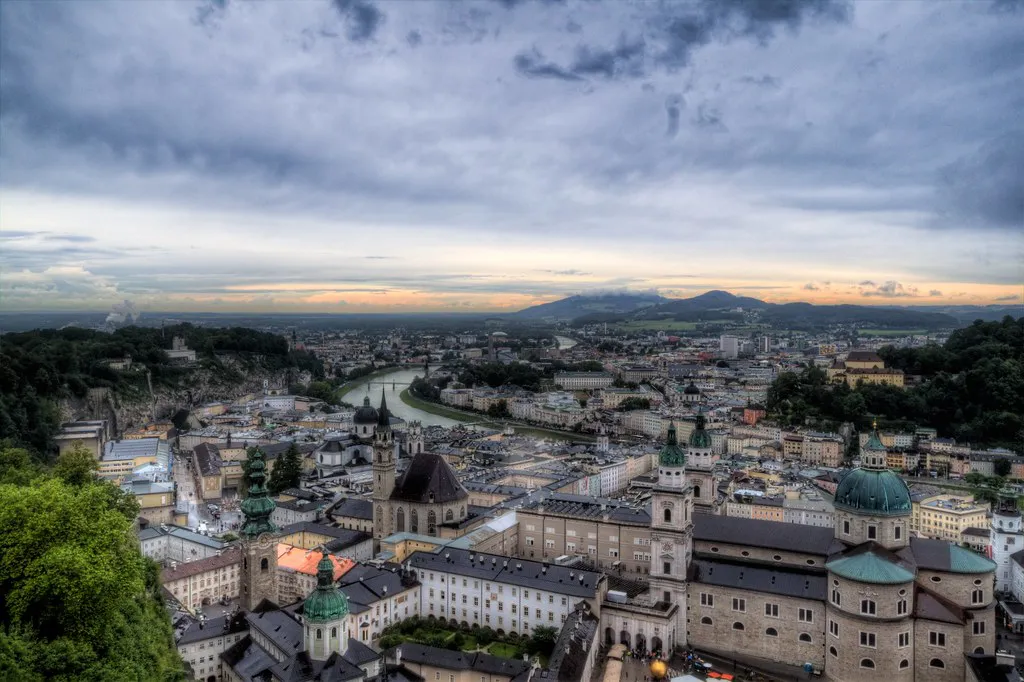
Public transportation is free for those holding a valid festival ticket. Trolleybuses run frequently and connect the train station to the center. Taxis are readily available but can get stuck in heavy festival traffic. Bicycle rentals offer a fun way to explore the banks of the Salzach.
Taking a break from the city allows you to see the broader beauty of Austria. The Lake District, or Salzkammergut, is just a short bus ride away. St. Wolfgang and Hallstatt provide stunning Alpine scenery for a day trip. Trains to Vienna take about two and a half hours for further travel.
The Salzburg Card provides free entry to many museums and local cable cars. It is a great value if you plan to visit the fortress and Mozart's house. Purchase the 72-hour version to maximize your sightseeing between various performances. The Untersberg cable car offers panoramic views of the entire festival city.
Local markets in the morning offer fresh produce and traditional snacks. The Grünmarkt near the university is perfect for a quick, authentic lunch. Try the local Bosna sausage for a savory treat between museum visits. Salzburg's water is safe to drink directly from the many public fountains.
Frequently Asked Questions
What is the dress code for the Salzburg Festival?
The dress code is very formal. Most men wear black tie or traditional Austrian Tracht, such as a Steireranzug. Women typically wear evening gowns or elegant Dirndls. While not mandatory, dressing up is a deeply ingrained tradition that shows respect for the performers and the event.
How do I get tickets for the Salzburg Festival 2026?
You should register for the official ticket lottery on the festival website during the autumn of 2025. Tickets are allocated through a tiered system based on demand and availability. Remaining seats go on sale to the general public in early spring. Always use the official ticket office to avoid scams.
Are there budget-friendly ways to attend the festival?
Yes, you can purchase standing room tickets for roughly 30 euros on the day of the performance. These are sold at the box office and offer a great view for a fraction of the cost. Additionally, many dress rehearsals are open to students at significantly discounted rates with valid ID.
What happens if it rains during an outdoor performance?
Outdoor performances like Jedermann on the Domplatz are weather-dependent. If the forecast predicts heavy rain, the production moves to the Grosses Festspielhaus. Announcements are typically made shortly before the start time. Your ticket remains valid for the indoor venue, though the atmosphere changes slightly.
Can I take photos during the performances?
No, photography and video recording are strictly prohibited inside all festival venues. This rule ensures that performers and other audience members are not distracted. You may take photos in the foyers or outside the buildings before and after the show. Ushers are very strict about enforcing this policy.
Attending the Salzburg Festival is a bucket-list experience for any lover of the arts. The combination of Alpine beauty and world-class talent creates a unique atmosphere. By planning your tickets and accommodation early, you ensure a smooth trip. Salzburg in 2026 will undoubtedly continue its legacy of incredible musical achievement.
Remember to respect the local customs and embrace the formal elegance of the city. Every performance offers a chance to witness history in a truly breathtaking setting. Your journey to Mozart's birthplace will leave you with memories that last a lifetime. Start your preparations today to secure your place at this legendary summer event.
 Best Festivals in Europe: 2026 Guide to Top EventsApril 21, 2026
 Cannes Film Festival 2026: Ultimate Visitor GuideApril 21, 2026
 Exit Festival 2026: The Ultimate Guide to Novi SadApril 21, 2026