
Salzburg Festival Schedule: Guide to 2026 Dates
Plan your trip with our Salzburg Festival schedule guide. Learn about dates, venues, and ticket tips for a perfect 2026 visit to Austria.
On this page
Exploring the Salzburg Festival Schedule for 2026
The Salzburg Festival schedule transforms this historic city into a global stage for six weeks every summer. Most events take place between mid-July and late August across various iconic venues in the Old Town. This period offers a dense concentration of world-class opera, drama, and orchestral concerts for international visitors. Attendees should plan for a mix of daytime matinees and formal evening galas during their stay.
Navigating the complex calendar requires an understanding of how performances are distributed across the weeks. Major opera premieres often cluster in the first half of the season to attract global critics. Drama highlights like Jedermann run throughout the entire duration to accommodate the high ticket demand. Planning your visit around specific dates ensures you see your preferred conductors and soloists.
Salzburg becomes exceptionally busy during these months, making early logistical planning a vital necessity for travelers. Securing a spot in the audience starts with reviewing the official Austria festival guides for season announcements. Visitors often spend their mornings exploring the Alps before attending world-class performances in the late afternoon. This guide breaks down the essential timing and venue details for the upcoming 2026 season.
Understanding the Salzburg Festival Schedule
The annual Salzburg Festival schedule follows a consistent rhythm that locals and returning guests recognize instantly. Opening ceremonies typically occur in late July, signaling the start of a six-week cultural marathon. Most major opera premieres are clustered in the first three weeks to build early seasonal momentum. Orchestral programs often rotate throughout the entire duration to ensure variety for long-term visitors.
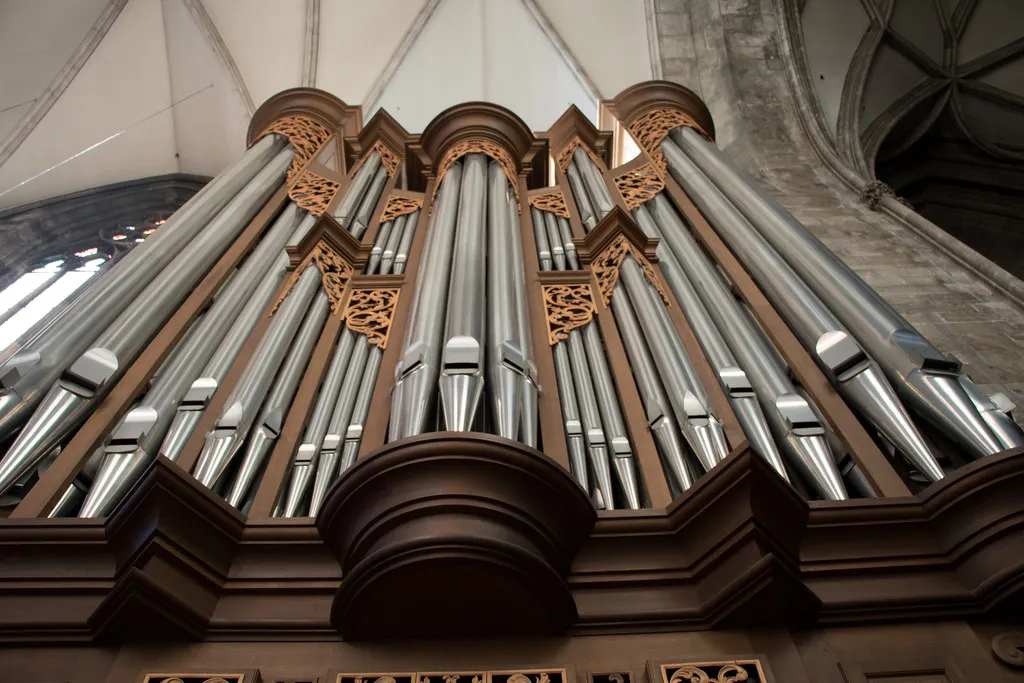
Daily performances generally begin with matinee concerts starting around 11:00 AM in the main halls. Afternoon drama sessions usually commence at 3:00 PM or 5:00 PM depending on the production length. Evening operas typically start between 6:00 PM and 7:00 PM to allow for substantial intermissions. Late-night recitals occasionally offer a more intimate setting for chamber music enthusiasts after the main shows.
Checking the Salzburg Festival 2026 guide helps travelers align their trips with specific artistic themes. Each year focuses on different composers or historical periods to keep the programming fresh and engaging. Special anniversary celebrations often result in unique one-off performances that do not repeat in later years. Reviewing the full calendar in advance allows you to balance heavy dramas with lighter concert programs.
Major Performance Venues and Locations
The Grosses Festspielhaus serves as the primary venue for major operatic productions and large-scale concerts. Its massive stage can accommodate hundreds of performers for the festival's most ambitious musical works. Walking between the three main festival halls takes less than five minutes within the pedestrian Old Town. Arriving thirty minutes early allows you to enjoy the pre-show atmosphere and the historic champagne bars.
The Felsenreitschule offers one of the most unique acoustic environments in the entire world for opera. Carved directly into the Monchsberg rock, the arcade-style stage provides a dramatic backdrop for modern productions. Many visitors prefer this venue for its historical atmosphere and intimate connection to the mountain landscape. Expect ticket prices here to reflect the limited seating capacity and the high demand for tickets.
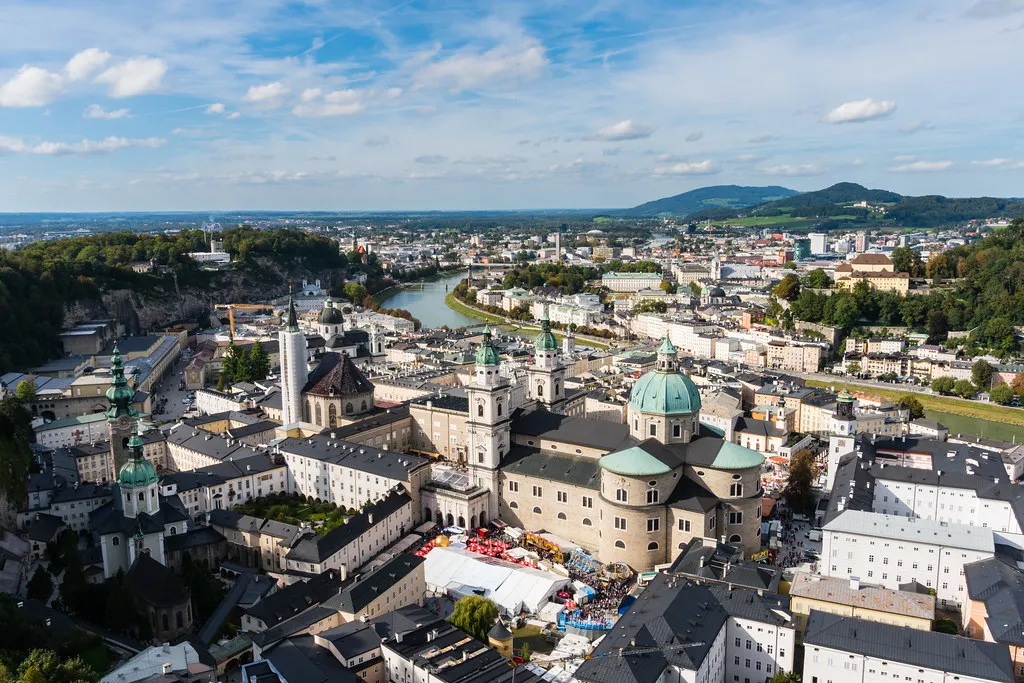
Performances on the Domplatz provide an open-air experience that is central to the festival's identity. This square sits directly in front of the Salzburg Cathedral and hosts the iconic Jedermann play. Seating is temporary and tiered to ensure every guest has a clear view of the dramatic action. The surrounding church bells often become part of the performance during the evening's most climactic moments.
- Grosses Festspielhaus
- Capacity: 2179 seats
- Best for: Grand Opera
- Location: Hofstallgasse
- Feature: Wide stage
- Felsenreitschule
- Capacity: 1412 seats
- Best for: Modern Opera
- Location: Monchsberg side
- Feature: Rock arcades
- Haus für Mozart
- Capacity: 1580 seats
- Best for: Mozart Operas
- Location: Festival Complex
- Feature: Intimate acoustics
Signature Drama and Opera Highlights
Hugo von Hofmannsthal’s play Jedermann remains the cornerstone of the festival’s dramatic offerings every year. Performances traditionally occur on the Cathedral Square under the open sky during the late afternoon. You should check the salzburg festival schedule for specific dates as these shows sell out quickly. Rain-day alternatives move the production to the Grosses Festspielhaus for all valid ticket holders.
Mozart operas are the historical foundation of the festival and appear prominently in every summer schedule. The Vienna Philharmonic Orchestra serves as the resident ensemble for these prestigious and highly anticipated productions. Conductors from around the world compete for the chance to lead these definitive musical interpretations. Booking a cycle of Mozart performances provides a comprehensive look at the composer’s most famous works.
Contemporary drama debuts offer a contrast to the classical music focus found in the concert halls. These plays often take place in smaller venues like the Perner-Insel in nearby Hallein. Shuttle buses frequently transport festival guests from the city center to these alternative performance spaces. Exploring these modern works provides a well-rounded perspective on the current European theatrical landscape.
Booking Strategies for the 2026 Season
Securing a spot in the audience requires following a strict timeline that begins in the previous year. Official ticket orders usually open in November, allowing patrons to submit their preferred dates and shows. The festival administration processes these requests over several months before confirming the final allocations. Referencing a Salzburg Festival ticket guide can clarify this complex lottery system.
Payment for allocated tickets is typically due in early spring to finalize your booking status. Remaining tickets go on sale to the general public through the online shop in late March. Popular performances often sell out within minutes of the public release during this high-traffic period. Setting up a user account on the official website beforehand saves valuable time during the checkout process.
Last-minute travelers can sometimes find tickets at the box office located near the Grosses Festspielhaus. Standing room tickets are often released on the day of the performance for a very low cost. Queueing for these spots usually starts two hours before the curtain rises for the most popular shows. This strategy allows budget-conscious fans to experience world-class art without paying premium festival prices.
Daily Logistics for Festival Attendees
Attending the festival involves more than just watching shows; it requires careful management of your daily time. Many visitors choose to stay near the Getreidegasse to remain within walking distance of the main halls. Reviewing a guide on Salzburg Festival accommodation helps in finding a central base. Evening performances often conclude late, making a nearby hotel a significant logistical advantage for guests.
Dining reservations should be made weeks in advance for restaurants located near the festival district. Many eateries offer special festival menus designed to be served quickly between the various performance times. Traditional Austrian taverns provide a more relaxed atmosphere for a post-show meal and local wine. Consider booking a table for 5:00 PM if your opera begins at 7:00 PM to avoid rushing.
The dress code at the Salzburg Festival is notoriously formal compared to other summer music events. Men typically wear dark suits or traditional Austrian Tracht, including the iconic grey and green jackets. Women often opt for elegant evening gowns or high-quality Dirndls during the premiere performances. While afternoon concerts are slightly more relaxed, dressing up remains a cherished part of the festival tradition.
Frequently Asked Questions
When is the Salzburg Festival schedule usually released?
The preliminary salzburg festival schedule is typically released in the autumn of the preceding year. Public ticket requests usually open in November, while the final detailed program with all soloists is confirmed by the following spring. You can find updates on the 2026 performance calendar online.
How long do most opera performances last?
Opera performances at the festival usually last between three and four hours, including at least one long intermission. Some Wagnerian productions may extend beyond five hours depending on the specific staging. Always check the individual start times on your ticket to plan your evening dining accordingly.
Are there dress code requirements for all events?
Formal attire is strongly encouraged for evening operas and gala concerts at the main festival houses. For morning matinees or drama performances, elegant casual wear is generally acceptable for most attendees. Wearing traditional Austrian clothing like Dirndls or Lederhosen is a very common and respected choice for all guests.
What happens if it rains during an outdoor performance?
Performances of Jedermann on the Domplatz have a designated indoor backup venue at the Grosses Festspielhaus. The festival organizers make a weather call approximately two hours before the scheduled start time. Ticket holders are notified via the official app or at the venue entrances regarding any location changes.
The Salzburg Festival schedule offers an unparalleled opportunity to witness the pinnacle of classical performing arts. By understanding the timing of ticket releases and venue logistics, you can ensure a smooth and memorable visit. Salzburg in the summer provides a magical backdrop that complements the high-caliber music and drama on stage. Start your planning early to secure your place in one of the world's most prestigious cultural celebrations.
Whether you are a lifelong opera fan or a curious traveler, the festival has something to offer everyone. The combination of Alpine scenery and world-class talent creates an atmosphere that is truly unique to Austria. Keep this guide handy as you navigate the 2026 season and prepare for your musical journey. We hope your time in Salzburg is filled with inspiring performances and beautiful memories.
 Best Autumn Festivals Europe: Top Events for 2026April 21, 2026
 Cannes Film Festival Tickets: 2026 Access GuideApril 21, 2026
 Europe Festival Calendar 2026: Top Events GuideApril 21, 2026