Nuremberg Christmas Market: The Ultimate 2026 Guide
Plan your visit to the Nuremberg Christmas Market with expert tips on food, dates, and local traditions for a perfect festive trip in 2026.
On this page
Experience the Magic of the Nuremberg Christmas Market
The nuremberg christmas market stands as a pinnacle of holiday tradition within the heart of Bavaria's second-largest city. Walking through the Hauptmarkt square during December allows travelers to witness a spectacle of lights and festive wooden stalls. This historic event traces its roots back to the mid-16th century and maintains a strict focus on traditional craftsmanship. Every year, the city welcomes millions of guests who seek the authentic atmosphere of a classic German winter celebration.
You will discover a world filled with the scent of roasted almonds and spiced wine as you explore the market. The rows of stalls are famous for their red-and-white striped cloth roofs which create a uniform and nostalgic aesthetic. Local vendors offer everything from handmade toys to intricate holiday decorations that reflect the high standards of German artisans. Planning a visit requires some preparation to ensure you experience the most famous highlights without feeling overwhelmed by the crowds.
Key Takeaways
- The 2026 market opens November 27 (opening ceremony at 5:30 PM) and runs through December 24.
- Visit Tuesday through Thursday mornings to avoid weekend crowds and enjoy a calmer browsing experience.
- Try Drei im Weckla sausages, Elisenlebkuchen, and Gerstacker blueberry glühwein—three quintessential Nuremberg specialties.
- Experience the unique Feuerzangenbowle village and sample the world's largest flaming punch cauldron.
- Shop for authentic Prune People and Rauschgold Angels at official stalls marked with the Christkindlesmarkt logo.
Nuremberg Christkindlesmarkt: 2026 Dates and Opening Hours
The market typically opens on the Friday before the first Sunday of Advent and runs until Christmas Eve. In 2026, the opening ceremony will take place on November 27 at 5:30 PM, drawing massive crowds to the Hauptmarkt square. The Christkind, a young woman chosen every two years to represent the city, will deliver the opening prologue from the church balcony to officially launch the holiday season. Daily operating hours are 10:00 AM to 9:00 PM, with December 24 closing early at 2:00 PM.
The market's location in the sprawling main market square of the Old Town is surrounded by majestic buildings like the Frauenkirche, which provides a stunning backdrop for the festive activities. Historians believe the market began as a simple weekly fair before evolving into the massive seasonal event seen today. The city enforces strict rules to ensure that only traditional goods and high-quality items are sold to visitors. Stalls are constructed from regional spruce wood and must be decorated with real greenery rather than plastic garlands. This commitment to authenticity separates this location from many modern holiday fairs found in other parts of Europe.
Each row of stalls is named after a local landmark or historical figure to help guests find their way. The atmosphere changes significantly from the bright, bustling morning hours to the romantic glow of the evening. Daytime visits are perfect for families who want to browse the stalls at a slower and more relaxed pace. Evening visitors will enjoy the thousands of fairy lights that illuminate the square and the surrounding historic architecture. For more detailed logistics, you can read our christkindlesmarkt nuremberg guide to help plan your daily itinerary.
Exploring the Main Market and Sister Cities Market
The Christkindlesmarkt on Hauptmarkt is the focal point, featuring over 160 wooden stalls topped with candy-cane-striped or thatched roofs. Nuremberg takes great pride in its reputation as the 'Little City of Wood and Cloth' during the advent season. Local officials work year-round to maintain the prestige of the event while supporting the hundreds of participating small businesses. Visitors often remark that the market feels like a step back in time due to the lack of modern music. Traditional brass bands and choirs provide the only soundtrack, adding to the dignified and peaceful holiday mood.
Just north of the main market lies the Sister Cities Market (Rathausplatz), a hidden gem that many tourists miss. This unique section honors Nuremberg's international trade heritage with stalls from approximately 20 sister cities around the world—Glasgow, Atlanta, Kharkiv, Verona, Togo, and more. You'll find international goods like lavender honey from Provence, hot toddies from Scotland, Italian salami and cheese, Ukrainian matryoshka dolls, and festive treats from across the globe. The Sister Cities Market is noticeably less crowded than the main Christkindlesmarkt, making it ideal for a more relaxed shopping and dining experience. The Austria booth's glühwein queue is significantly shorter than the main market, and the wine selections often include rare regional varieties.
For photography and aerial views, climb the interior balcony of the Frauenkirche to see the sea of red-and-white roofs from above, or scale the towers of St. Sebald's Church for sweeping panoramic views of the entire festive landscape. These elevated vantage points are especially magical during the "blue hour" at dusk when the lights begin to twinkle against the darkening sky.
Top Culinary Delights You Must Try
Food is a central part of the experience, and the city has several world-famous specialties that you cannot miss. The most iconic snack is the Nuremberg grilled sausage, which is smaller and more heavily spiced than other varieties. These sausages are typically served as 'Drei im Weckla,' meaning three sausages tucked inside a fresh, crusty hard roll. You will see smoke rising from dozens of grills as vendors cook these treats over open beechwood fires. The original recipe dates back to 1497, and the sausages must weigh exactly 23 grams to be called "Original Nuremberger." For an elevated experience, visit Zum Gulden Stern or Bratwursthäusle restaurant just off Rathausplatz to enjoy them with local horseradish (kren) in a warm, atmospheric setting.
Sweet treats are equally important, and the city is the undisputed global capital of traditional holiday gingerbread. Known locally as Lebkuchen, these cookies are made with high nut content and a secret blend of exotic spices. Our nuremberg gingerbread guide explains the difference between the various grades of quality available at the stalls. Elisenlebkuchen is the highest tier, containing almost no flour and a rich mixture of hazelnuts, walnuts, and almonds. Visit stall 104 at Wolfgang Woitinek's booth—one of the city's most esteemed producers—where you can watch the lebkuchen-making process in an actual thatched-roof gingerbread house. Avoid the hanging, icing-decorated cookies sold as decorations; they're rarely as tasty as the quality packaged varieties.
To stay warm in the cold Bavarian winter, most visitors carry a steaming mug of spiced mulled wine. Nuremberg is famous for its blueberry glühwein (Heidelbeere), which offers a fruitier profile than the standard red grape versions. Seek out the GERSTACKER brand stall—a local family producer that has been crafting their signature blueberry blend for over 35 years. The berries naturally counteract wine tannins, creating a naturally sweeter sip. Each year, the market produces a unique ceramic mug that many travelers keep as a collectible souvenir of their trip. Remember the Pfand system: you pay a small deposit (€3–5) for the mug, which is refunded when you return it to any beverage stall, or you can keep it as a souvenir.
Vegetarians will find plenty of options including roasted chestnuts, giant pretzels, and various types of fried potato pancakes. Kartoffelpuffer (stall 159) are often served with sweet applesauce or savory garlic cream, providing a filling and inexpensive meal option. The aroma of sugar-coated almonds being stirred in large copper kettles follows you through almost every aisle of the market. Local bakers also offer 'Kletzenbrot,' which is a dense fruit bread filled with dried pears, nuts, and dark spices. Look for Stollen, a Christmas nut and fruit bread originally from Dresden, and dampfnudel, a fluffy steamed bun best enjoyed with vanilla custard.
- Traditional Nuremberg Grilled Sausages
- Type: Spiced pork sausage (23g, Franconian marjoram)
- Serving: Three in a bun (Drei im Weckla)
- Best location: Zum Gulden Stern or Bratwursthäusle restaurant
- Cost: 4 to 5 Euros
- Premium Elisen Gingerbread
- Type: High-nut cookie
- Top vendor: Wolfgang Woitinek, stall 104
- Texture: Soft and moist
- Cost: 2 to 4 Euros
- Gerstacker Blueberry Glühwein
- Type: Hot spiced wine with Heidelbeere (blueberries)
- Brand: GERSTACKER (family recipe, 35+ years)
- Feature: Annual souvenir mug (€3–5 deposit, refundable)
- Cost: 4 to 6 Euros per mug
Unique Experiences: Feuerzangenbowle and Mail Coach Rides
One of Nuremberg's most distinctive attractions is the Feuerzangenbowle village—home to the world's largest flaming punch cauldron. Located on the riverside, this spectacular setup holds 9,000 liters of punch and features a dramatic presentation where vendors ignite a rum-soaked sugar loaf on a pair of oversized fire tongs (hence "fire tongs punch"). The caramelized juices drip into the spiced red wine and rum mixture below, creating a theatrical and delicious drink unique to Nuremberg. This is a memorable alternative to standard glühwein and offers excellent photo opportunities as the flames dance above the cauldron at night.
Beyond eating and shopping, the market offers several unique activities that capture the magic of the holiday season. One of the most charming experiences is taking a ride in a traditional yellow stagecoach through the Old Town. The horses are adorned with bells, and the coachman wears a historic uniform as he navigates the cobblestone streets. These mail coach rides depart from near the Schöner Brunnen fountain daily from 1:00 PM to 7:00 PM, lasting approximately 20 minutes. Tickets cost €3.50 per adult and €2 per child. This activity is very popular, so arriving early in the day is recommended to secure rides.
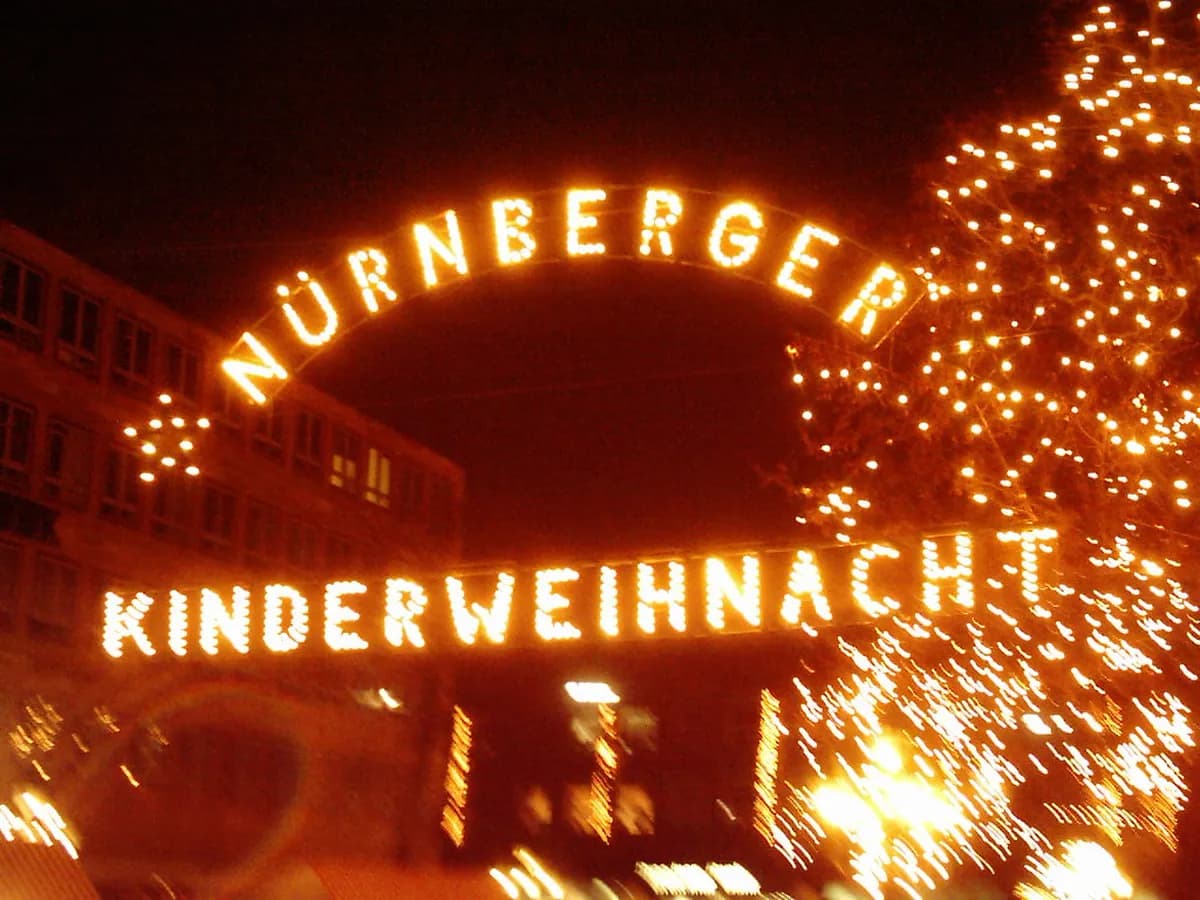
Families with younger children should visit the Kinderweihnacht, or Children's Christmas Market, located just a short walk away on Hans-Sachs-Platz. This area features a beautiful old-fashioned carousel, a mini Ferris wheel, and a small steam train for kids to enjoy. Children can participate in hands-on workshops like candle making or baking their own holiday cookies in the play huts. A wishing tree allows visitors to take wish cards from local children's homes and gift them toys from the market stalls—a meaningful way to spread holiday cheer.
The Legend of the Nuremberg Christkind
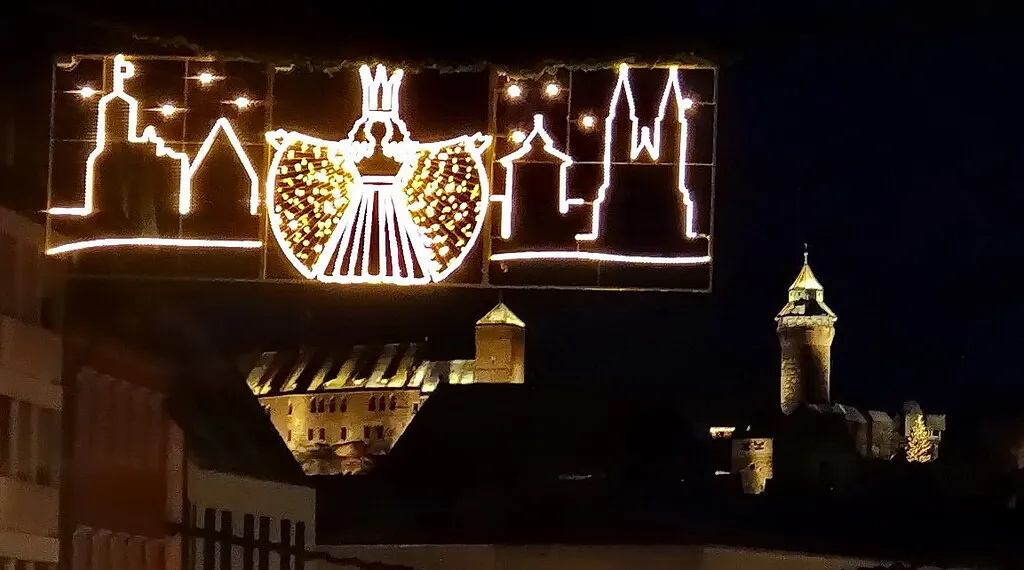
The most important symbol of the market is the Christkind, a young woman chosen every two years to represent the city. She wears a crown and a golden dress with long, wing-like sleeves that shimmer as she greets the public. Her main duty is to deliver the opening prologue from the church balcony to start the holiday season officially. The Christkind also visits local hospitals, nurseries, and senior centers to share holiday cheer with those who cannot visit. Unlike the commercialized figure of Santa Claus, the Christkind represents a more ethereal and traditional bringer of gifts that resonates deeply in southern German culture.
Children often wait in long lines for the chance to hand her their Christmas wish lists in person. She is considered a serious ambassador for the city and undergoes rigorous training before she can take on the role. Seeing her in the market is a highlight for many locals who grew up with this beautiful tradition. The Christkind appears at scheduled times throughout December, typically Tuesday through Friday at 3:00 PM. You can also climb to the balcony of the Church of Our Lady to view a small exhibit dedicated to this centuries-old tradition.
Nuremberg has preserved these customs for centuries, resisting the urge to modernize the market into a theme park. The city council even holds a competition for the most beautiful stall design to encourage vendors to maintain high standards. This focus on quality ensures that the event remains a source of pride for the entire Franconian region. You will notice that even the smallest details, like the font on the signs, reflect a commitment to historical accuracy.
Shopping Tips for Authentic Souvenirs
Finding the perfect gift is easy when you know which items are unique to the Nuremberg region. The 'Zwetschgenmännle,' or Prune People, are small figures made from dried fruit and dressed in traditional wire costumes. These date back to the 18th century when a wire drawer created them as gifts for his children using wire and plums from his garden. Legend says that having one of these figures in your home will bring good luck and prosperity for the coming year. They come in hundreds of different designs, representing various professions like chimney sweeps, musicians, and bakers. Look for stalls dedicated solely to these figurines and verify they're regional spruce-based productions rather than mass-produced imports.
Another classic souvenir is the Rauschgoldengel, a gold foil angel that was first created in Nuremberg centuries ago when the city was a major trading center for metals. These angels do not have feet and are designed to sit perfectly on top of a Christmas tree or display shelf. The intricate pleating of the gold foil requires great skill, and the most authentic versions are still made by hand. You can find them in various sizes, ranging from tiny ornaments to large centerpieces for your holiday table. Look for the official Christkindlesmarkt logo on items to ensure authenticity.
Hand-painted glass ornaments from the nearby Bavarian Forest are also highly sought after by international collectors. Each piece is individually blown and decorated, ensuring that no two ornaments are exactly the same in their detail. Many vendors will carefully wrap your purchases in bubble wrap to ensure they survive the journey home in your luggage. For more information on shopping across the country, check out germany holiday market guides for additional tips.
Wooden toys and puzzles are a staple of the market, reflecting the long history of toy making in the city. Nuremberg was once known as the toy capital of the world, and many local families still practice these traditional crafts. These items are often made from sustainable wood and finished with non-toxic paints, making them excellent gifts for children. Look for the 'Original Nuremberg' seal on the bottom of products to ensure you are buying a locally made item.
- Traditional Prune People Figures
- Material: Dried prunes and wire
- History: Created in 18th century by a wire drawer
- Meaning: Local luck charm
- Price: 5 to 15 Euros
- Gold Foil Rauschgold Angels
- Material: Hand-pleated thin gold foil
- Usage: Christmas tree topper or display piece
- Origin: 16th-century Nuremberg
- Cost: 10 to 40 Euros
- Hand-Carved Wooden Toys
- Material: Regional spruce or beech
- Items: Puzzles and figurines
- Quality: Heirloom standard
- Cost: 15 to 50 Euros
Planning Your Visit: Timing, Accommodation, and Practical Tips
Weekends are significantly busier than weekdays, with Saturday afternoons often reaching maximum capacity in the main aisles. Visiting on a Tuesday or Wednesday morning allows for a much more intimate experience with shorter lines at food stalls and better browsing conditions. If you must visit on a weekend, try to arrive right when the market opens at 10:00 AM for easier navigation. Local residents often visit during the lunch hour to grab a quick sausage and enjoy the festive atmosphere without the evening crowds.
Getting to the city is simple thanks to the excellent rail connections from other major German hubs like Munich. Many travelers choose to take a nuremberg christmas market day trip from munich using the high-speed ICE trains. The journey takes just over an hour, making it a convenient option for those staying in the Bavarian capital. Once you arrive at the Nuremberg main station, the market is a pleasant ten-minute walk through the pedestrian zone.
For overnight stays, position yourself in Nuremberg's historic Old Town to be within steps of the Christkindlesmarkt. The Sorat Hotel Saxx Nuremberg is conveniently located directly on Hauptmarkt and offers quiet, upscale accommodations despite its prime location. Other solid mid-range options include Hotel Central, closer to the main square, and Leonardo Royal Hotel, positioned between the market and train station for travelers arriving by rail. Booking well in advance is essential, as rooms fill quickly during November and December.
Winter weather in Bavaria can be unpredictable, with temperatures often hovering just above or below the freezing point. You should wear warm, waterproof boots and layer your clothing to stay comfortable while standing outdoors for several hours. Snow is possible but not guaranteed, though the market looks especially magical when a light dusting covers the wooden stalls. Keep some cash on hand as many smaller vendors do not accept credit cards for low-value purchases like snacks. Most market food stalls operate on a cash-only basis, though increasingly some accept mobile payments.
Bring a small backpack or reusable tote bag to avoid leaving your hands full—many vendors are going plastic-free, and purchases accumulate quickly. Check the daily schedule posted near the main stage to ensure you don't miss special performances, the Christkind's appearances, or themed food tours offered throughout the season. Consider booking a guided culinary tour with a local expert to deepen your understanding of the market's history while sampling authentic specialties alongside storytelling.
Extended Adventures: Way of Crèches and Historic Nuremberg
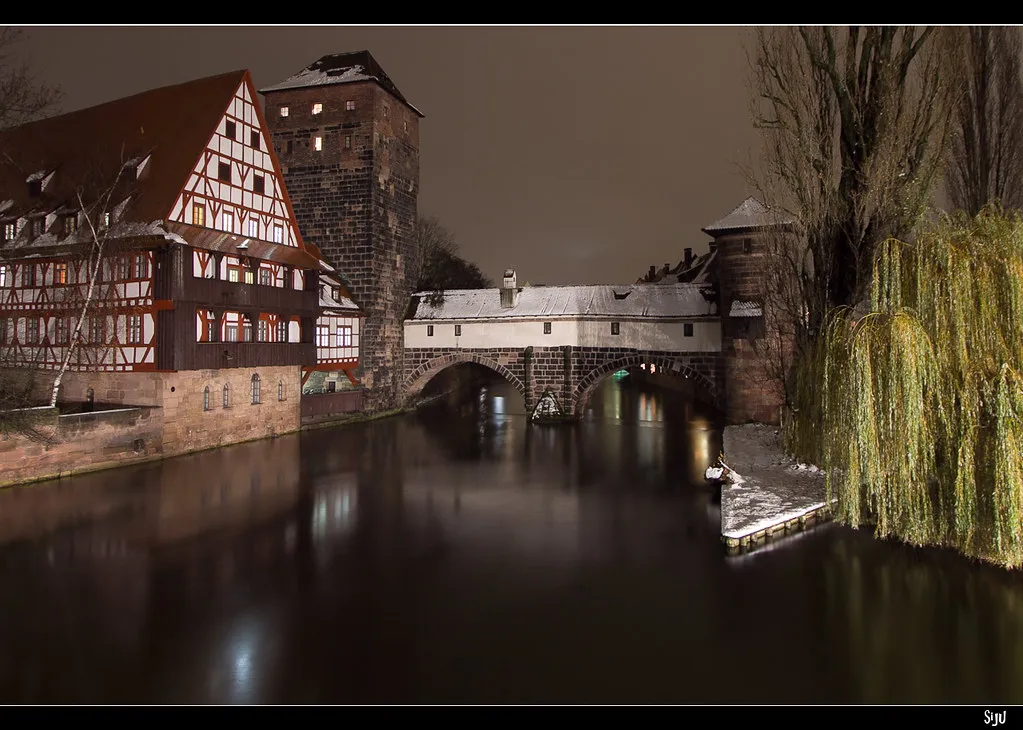
Beyond the main market stalls, Nuremberg's festive atmosphere extends throughout the historic city. The Way of Crèches (Spitalgasse) connects the Christkindlesmarkt with the Kinderweihnacht, featuring a row of nativity scene booths showcasing detailed wooden carvings in traditional Franconian dress crafted by local woodworkers. St. Egidien Church displays multiple historic nativity scenes worth exploring. The market's own famous crèche sits in a thatched hut in front of the Frauenkirche, featuring intricately carved wooden figures.
Charity also plays a large role in the market's operation, with several stalls dedicated to raising funds for local causes. Buying a simple ornament or a cup of tea from these non-profit vendors helps support community projects throughout the year. This spirit of giving is a core component of the advent season that the city works hard to protect. Visitors are encouraged to participate by supporting these charitable stalls located near the edge of the main square.
The Handwerkerhof (Craftsmen's Courtyard), located near the train station behind the historic town walls, is an essential addition to any Nuremberg Christmas visit. This year-round artisan corner features half-timbered houses, cobblestones, and skilled craftspeople demonstrating ancestral trades like leather making and gingerbread baking. It offers an excellent alternative for high-quality gift shopping and provides insights into traditional Franconian craftsmanship. The Winter Village on Jakobsmarkt, near St. Elisabeth's Church, completes the city's festive offerings with a large Christmas pyramid, vintage carousel, and festive decorations typical of the Ore Mountains.
Frequently Asked Questions
When does the Nuremberg Christmas Market open in 2026?
The market typically begins on the Friday before the first Sunday of Advent, which falls on November 27 in 2026. You should arrive by 5:30 PM to witness the famous opening prologue delivered by the Christkind from the church balcony.
Is the Nuremberg Christmas Market free to enter?
Yes, there is no admission fee to enter the main market square or the Children's Christmas Market area. You only need to pay for the food, drinks, and souvenirs you choose to purchase from the individual vendors throughout the square.
What is the best time to visit to avoid crowds?
The best time to visit is during weekday mornings or early afternoons before the local work crowds arrive. Our christkindlesmarkt nuremberg guide suggests visiting on a Tuesday or Wednesday for the most relaxed shopping experience.
What should I buy at the Nuremberg Christmas Market?
You should prioritize buying authentic items like Nuremberg gingerbread, gold foil angels, and the famous Prune People figures. These items are deeply rooted in local tradition and serve as high-quality mementos of your visit to this historic German city.
The nuremberg christmas market remains one of the most magical and authentic holiday experiences in the entire world. By focusing on tradition, local craftsmanship, and delicious regional food, the city creates an atmosphere that is truly unforgettable. Whether you are visiting for the first time or returning for a yearly tradition, the market offers something special for every traveler. Plan your trip early to ensure you can fully immerse yourself in the sights, sounds, and flavors of this Bavarian wonderland.
 Berlin Christmas Markets Guide 2026: Top 10 MarketsApril 21, 2026
 15 Best Christmas Markets Europe: 2026 Travel GuideApril 21, 2026