
Best Munich Christmas Markets: 2026 Holiday Guide
Discover the best Munich christmas markets with our local guide. Find 2026 dates, top food tips, and hidden gems for your winter trip.
On this page
Ultimate Guide to Visiting Munich Christmas Markets in 2026
Munich transforms into a beautiful winter wonderland when the holiday season arrives in Bavaria. The city is home to more than 20 distinct Christmas markets, each with its own personality and charm. You will find sparkling lights and wooden stalls scattered across the historic city center and neighborhoods beyond. Checking the munich christmas market dates helps you plan a perfect winter getaway for 2026. Most markets open in late November and run until late December during the festive season.
The tradition of Christmas markets in Munich dates back over 300 years, making them some of the oldest holiday celebrations in Europe. Locals and tourists gather to share warm drinks while enjoying the crisp winter air. Walking through these markets provides a sensory experience filled with the scent of cinnamon, roasted almonds, and mulled wine. Every neighborhood in the city hosts its own special version of this beloved winter tradition.
Key Takeaways
- Arrive at Marienplatz before noon to avoid the largest crowds.
- Understand the Pfand (deposit) system to maximize your mug souvenirs and save money.
- Visit different neighborhoods to experience market variety beyond the main square.
- Use public transit (U-Bahn) for quick access to markets across the entire city.
History and Traditions of Munich's Christkindlmarkt
The Munich Christmas markets are among the oldest and most beloved holiday traditions in Germany. The main market in Marienplatz can trace its roots back to the 14th century, when it was originally known as Nikolausmarkt. In the 19th century, it was renamed the Christkindlmarkt to celebrate the Christ child. This centuries-old tradition remains at the heart of the city's December celebrations.
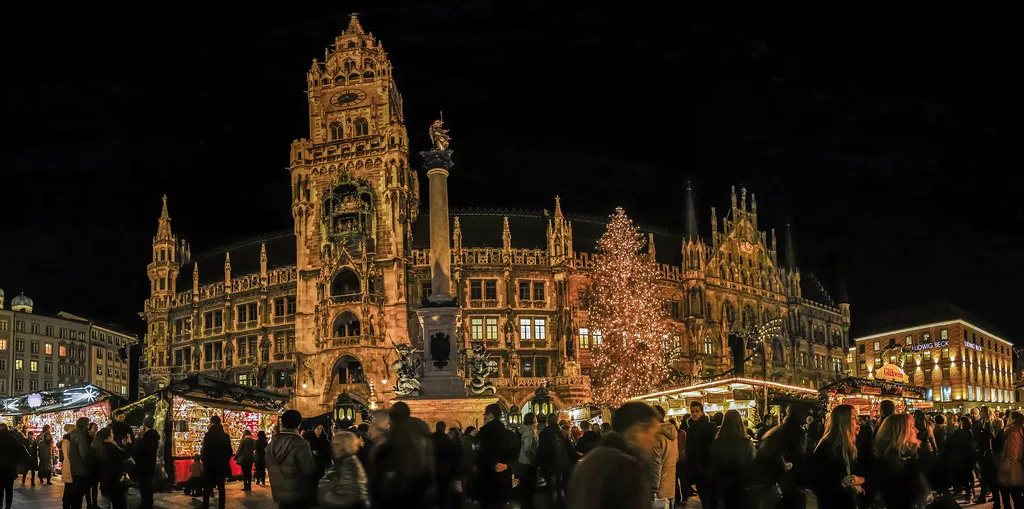
Since 1972, the main market has occupied Marienplatz, the city's most prestigious central square. A massive Christmas tree stands before the Gothic New Town Hall with thousands of sparkling lights, creating a magical backdrop that has become iconic in European holiday imagery. Visitors often gather at 5:30 PM each evening to hear live Advent music broadcast from the balcony of the Town Hall, a ritual that has been repeated for generations.
What makes Munich's markets unique is the blend of authentic Bavarian customs with modern holiday celebrations. Handcrafted ornaments, traditional wood carvings, and nativity figurines made by local artisans reflect centuries of cultural heritage. The markets celebrate local identity while welcoming the world, embodying the city's philosophy of preserving tradition while remaining open to visitors.
Top Christmas Markets in Munich to Explore
The Christkindlmarkt at Marienplatz serves as the most iconic holiday destination in the city. A massive Christmas tree stands before the New Town Hall with thousands of sparkling lights. Explore the marienplatz christmas market guide to find the best craft stalls for your shopping. You can buy handmade glass ornaments and traditional wood carvings from local Bavarian artisans. Prices for small trinkets usually range from five to fifteen euros depending on the detail.
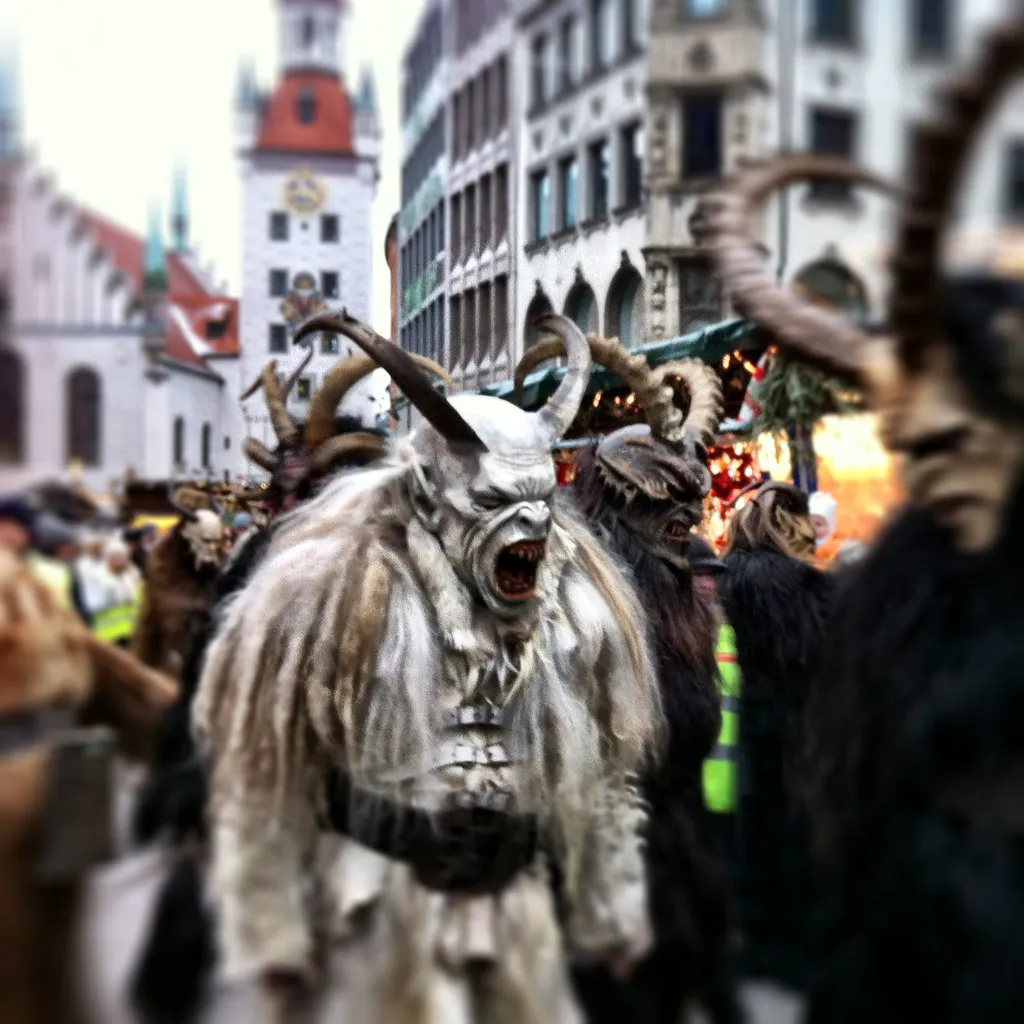
The Medieval Market at Wittelsbacherplatz offers a unique journey back in time with historical flair. Vendors wear period costumes while serving drinks in heavy clay mugs. Live jugglers and fire breathers often perform during weekend evenings. This themed market draws history enthusiasts who appreciate the immersive experience and authentic medieval atmosphere.
Pink Christmas at Stephansplatz provides an alternative vibe for visitors seeking something beyond traditional Bavarian aesthetics. Organized by the city's LGBTQ+ community, this market features drag shows, cabaret performances, and uniquely colorful merchandise. The atmosphere is warm and welcoming to all visitors, making it a must-see for those who appreciate cultural diversity during the holiday season.
The Schwabing Christmas Market focuses on local art and unique handmade jewelry designs. Located near the Munchner Freiheit station, it offers a bohemian vibe for creative shoppers. Artists often work on their projects right at the stalls during afternoon hours. This location feels much less crowded than the main tourist spots in the city center.
Tollwood Winter Festival at Theresienwiese provides a massive alternative to traditional wooden hut markets. This event features large heated tents filled with international crafts and organic food stalls. Entry to the grounds is free, though some evening shows require a separate ticket. It remains open until New Year's Eve, which is longer than most other city markets.
The Pfand (Deposit) System Explained
One of the most confusing aspects of Munich's Christmas markets for first-time visitors is the Pfand system for decorative ceramic mugs. When you order a hot beverage like mulled wine or hot chocolate, you pay a deposit (Pfand) of three to four euros in addition to the drink price. This deposit secures the unique ceramic mug, which becomes a collectible souvenir.
Here is how the Pfand system works step by step. First, you order your drink and pay the full price plus the Pfand deposit. Second, you receive your drink in the decorative ceramic mug with a small token (Pfandmarke) or receipt indicating the deposit amount. Third, you have three options: keep the mug as a souvenir (and forfeit the deposit), return the mug and token to any market vendor to receive your deposit back in cash, or keep the mug but lose three to four euros.
Most visitors choose to keep one or two mugs as souvenirs, as they are beautifully designed and change every year. Each market produces its own unique mug design, making them valuable collectibles for Christmas market enthusiasts. Many stall holders will accept mug returns only from their own booth, so plan ahead if you want your deposit back.
A helpful tip is to locate what locals call the "Mug ATM" at larger markets. These specialized cashier stations let you return your mug for a cash refund even if you used a credit card to purchase the drink. Regular ATMs often dispense only large bills, making it difficult to break them for small purchases. The Mug ATM dispenses smaller notes and coins, making it incredibly convenient for market visitors.
Must-Try Munich Christmas Market Food and Drink
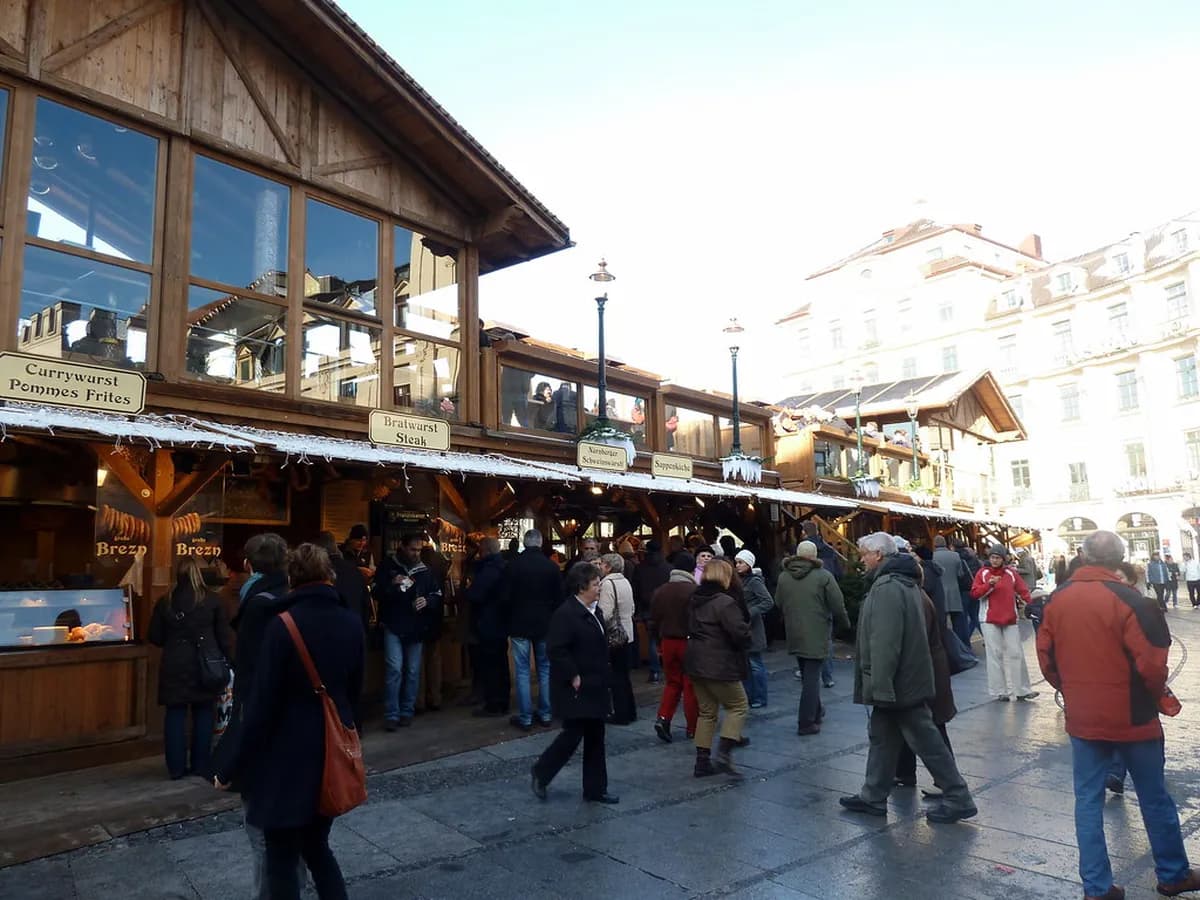
No visit is complete without tasting a traditional Bratwurst served in a fresh crusty roll. These savory snacks usually cost between four and six euros at most city stalls. Consult the munich christmas market food guide for a full list of must-try treats. Sweet options like roasted almonds and gingerbread hearts provide a perfect dessert for walkers.
Glühwein remains the most popular beverage for staying warm during cold Bavarian nights. This mulled wine with spices is served in the decorative ceramic mugs we discussed earlier. You will pay a deposit of three or four euros for the mug, which you can return to get your money back or keep as a souvenir. Different markets offer unique mug designs that change every year for collectors to enjoy.
Try the Dampfnudel if you want a warm and filling sweet treat during your walk. This steamed yeast dumpling is usually served with a rich and creamy vanilla sauce. It costs about seven euros and is large enough to share with a travel partner. Look for the stalls with large steaming pots to find the freshest dumplings available.
Vegetarians can enjoy roasted chestnuts or potato pancakes served with sweet applesauce. The potato pancakes, known as Reiberdatschi, are a crispy and salty market staple. A serving of three pancakes typically costs around five euros at most central stalls. They are cooked fresh on large griddles and served hot for the best flavor.
Feuerzangenbowle is a spectacular drink prepared tableside with flaming ceremony. This mulled wine is topped with a sugar cube soaked in rum and then ignited, creating a dramatic presentation. The Medieval Christmas Market serves an exceptional version made from an ancient recipe, served in clay goblets rather than ceramic mugs.
Practical Tips for Navigating the Markets
Many stalls still do not accept credit cards for small purchases under ten euros. Keep enough cash in your pocket to pay for snacks, drinks, and small souvenir items. Bank machines are easy to find near Marienplatz, but they often have long queues. Withdraw money before you arrive at the market to save time and avoid frustration.
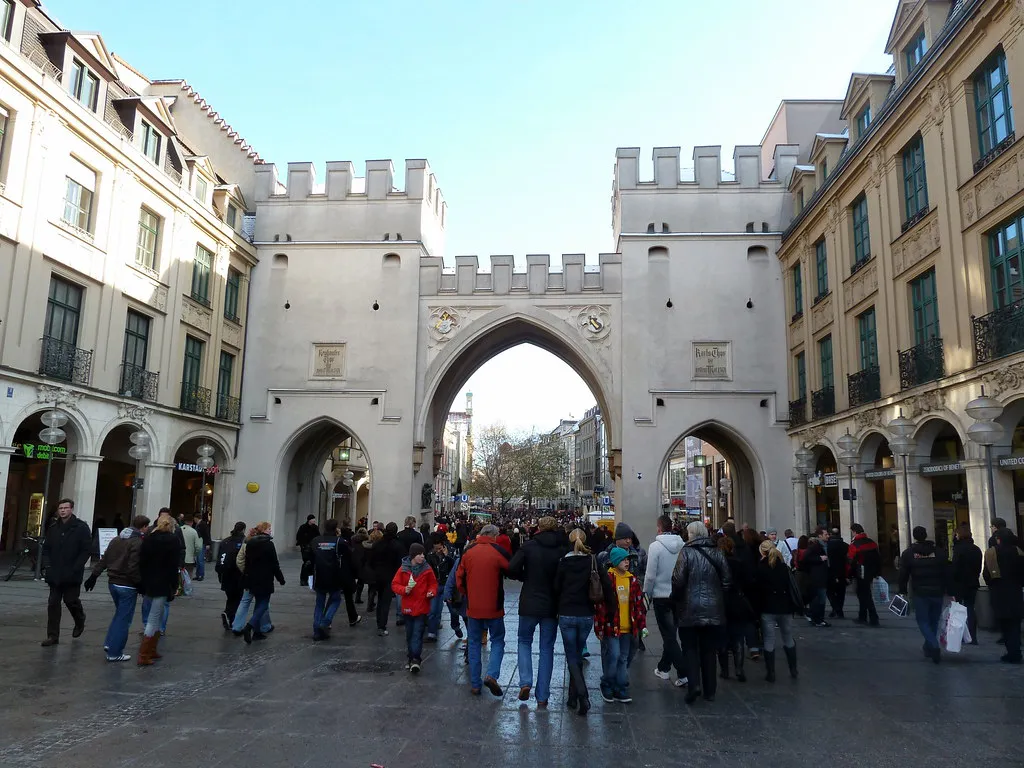
Dress in warm layers because temperatures often drop below freezing after the sun sets. Wear sturdy boots to stay comfortable while walking on the uneven cobblestone streets all day. Choose waterproof outer layers, as Munich can experience rain or light snow during the Christmas season. A warm hat and gloves are essential for extended market visits.
Public restrooms are available near most large markets for a small fee of fifty cents. Look for the "WC" signs located near the entrances of the main subway stations. Carrying a small bag of coins ensures you can access these facilities without delays. Most markets open daily from 10:00 AM until approximately 9:00 PM during the peak season.
Safety is generally very high in Munich, but watch your belongings in crowded areas. Keep your wallet in a front pocket or a zipped bag to prevent pickpocketing. The city feels very welcoming, and most vendors speak excellent English to help visitors. Ask locals for their favorite stall recommendations to find the best hidden gems nearby.
Getting Around: Munich Transport for Market Hopping
Navigating the city is simple thanks to the efficient U-Bahn and S-Bahn train networks. A single day ticket costs around nine euros and covers all central market locations across the entire city. The MVV Munich tram system makes it possible to visit markets in different neighborhoods without spending excessive time on transit. Most markets are within ten to fifteen minutes of each other via public transportation.
The U3 and U6 lines are your primary routes for reaching most Christmas markets scattered throughout the city. From Marienplatz, you can reach the Schwabing market in less than ten minutes, the Chinese Tower market in the English Garden in approximately twelve minutes, and the Neuhauser market near Nymphenburg Palace in around eight minutes. This network allows visitors to experience multiple market personalities in a single day.
If you are staying near the Hauptbahnhof (main train station), walk times to Marienplatz are approximately fifteen minutes through busy shopping streets. This neighborhood offers many budget-friendly hotels for savvy travelers. You can easily catch trains to reach markets in other parts of the city or explore day trips to nearby Bavarian towns.
Consider renting a bicycle if you prefer a more active experience. Munich has extensive cycling infrastructure, and many bike rental shops near the city center offer daily rentals for ten to fifteen euros. Cycling between markets provides fresh air and unique views of the city's festive decorations. However, be aware that cycling in crowded market areas requires caution and respect for pedestrian zones.
Where to Stay Near the Festive Action
Staying in the Altstadt puts you within walking distance of the most famous market stalls. Luxury hotels in this area offer beautiful views of the historic city skyline and direct access to Marienplatz. Expect higher prices for the convenience of being in the heart of the action. Early morning walks through the empty square provide a peaceful look at the decorations.
The area around the Hauptbahnhof offers many budget-friendly hotels for savvy travelers. You can easily catch trains to reach markets in other parts of the city. This neighborhood has many international restaurants for a quick dinner after the markets close. Walking to Marienplatz from the station takes about fifteen minutes through busy shopping streets.
Maxvorstadt is a great choice for travelers who prefer a more local and academic atmosphere. This district is home to several museums and trendy cafes near the university buildings. Prices here are often more reasonable than the hotels located directly on the main square. You can reach the central markets in less than ten minutes using the U3 line.
Consider staying near the English Garden for a scenic and quiet winter experience. The Chinese Tower market is located inside the park and offers a unique setting. Walking through the snow-covered park paths adds a romantic touch to your holiday trip. Public transit remains frequent and reliable even in the quieter residential areas of Munich.
What to Do in Munich in December Beyond Markets
Munich offers numerous attractions to balance your market visits with cultural experiences. The Munich Residenz, the largest city palace in Germany, opens its rooms to winter visitors. Classical concerts are performed regularly in the palace's beautiful Hofkapelle, where Mozart himself once played. You can enjoy masterpieces by Bach, Vivaldi, Handel, and Mozart in this historic venue.
The Hofbräuhaus beer hall is a legendary institution that operates year-round, but feels particularly festive during December. As the world's largest beer hall, it offers a glimpse into Bavarian beer culture and tradition. Many visitors enjoy warming up with a traditional German beer after spending time in the outdoor markets. Reservations are recommended during the peak holiday season.
Take a day trip to Neuschwanstein Castle, located approximately two hours south of Munich near the Austrian border. This fairytale castle inspired Walt Disney's iconic castle design and remains one of Europe's most photographed landmarks. Winter visits offer snow-covered landscape photography opportunities and fewer crowds than summer months. Guided day trips are available from the Hauptbahnhof.
Explore the beautiful churches and galleries throughout Munich's Old Town. The Theatine Church features stunning Baroque architecture and festive decorations during December. Several art museums offer indoor warmth and cultural enrichment during cold afternoons. The Christmas season brings special exhibitions and cultural performances throughout the city.
Frequently Asked Questions
When do the Munich christmas markets start in 2026?
Most Munich christmas markets are scheduled to begin on November 23, 2026. They typically run until the afternoon of December 24. You can find more details about various German events at eurofestguide.com/germany to help plan your winter itinerary.
Are the Christmas markets in Munich free to enter?
Yes, almost all traditional markets in the city center are free for the public to enter. You only need to pay for the food, drinks, and crafts you wish to purchase. Some special events or concerts held inside tents may require a paid ticket.
What is the best way to pay at the market stalls?
Cash is still the preferred method of payment for most vendors at the holiday stalls. While some larger shops accept cards, small items like sausages and mulled wine usually require euro coins. Always carry some cash to ensure you can buy snacks easily.
Which Munich market is the best for families with children?
The Fairytale Bazaar at Leonrodplatz is excellent for families because it offers many activities for kids. Children can enjoy puppet shows, craft workshops, and storytelling sessions in a colorful and fun environment. The central Marienplatz market also has a dedicated children's area.
Is it very cold at the markets in December?
Temperatures in Munich during December usually range between -2 and 4 degrees Celsius. It can feel much colder when standing still at the stalls for long periods. Wearing thermal layers, a warm hat, and gloves is highly recommended for all visitors.
Visiting the Munich christmas markets is a magical experience that every traveler should enjoy once. The combination of historic architecture and festive cheer creates a truly unique holiday atmosphere. Plan your trip early to secure the best accommodation and enjoy everything Bavaria offers. You will leave with wonderful memories and perhaps a few handcrafted treasures and decorative mugs for your home.
 Berlin Christmas Market Dates 2026: Complete GuideApril 21, 2026
 Berlin Christmas Markets Guide 2026: Top 10 MarketsApril 21, 2026