
Notting Hill Carnival Route: 2026 Guide & Map
Plan your visit with our guide to the Notting Hill Carnival route. Find the best viewing spots, transport tips, and parade details for 2026 here!

On this page
Exploring the Notting Hill Carnival Route in London
Notting Hill Carnival stands as Europe's largest street festival and a vibrant symbol of Caribbean culture. This massive celebration fills the streets of West London with rhythmic beats and dazzling colors every August Bank Holiday. Understanding the Notting Hill Carnival route helps you navigate the dense crowds effectively and find the best views.
The parade covers a significant portion of the W10 and W11 postcodes over two full days. Spectators can join the festivities at various points along the 3.5-mile circuit through the neighborhood. Planning your entry and exit points is essential for a stress-free experience during this busy weekend. Most visitors start their journey near Westbourne Park or Notting Hill Gate stations for easy access.
The Layout of the Notting Hill Carnival Route
The parade follows a circular path that winds through the heart of the Notting Hill neighborhood. Floats and mas bands move in a clockwise direction throughout the event to maintain a steady flow. Most of the action takes place along Great Western Road, Westbourne Grove, and Ladbroke Grove. Arriving before 10:00 AM ensures you can find a comfortable spot before the main crowds arrive.
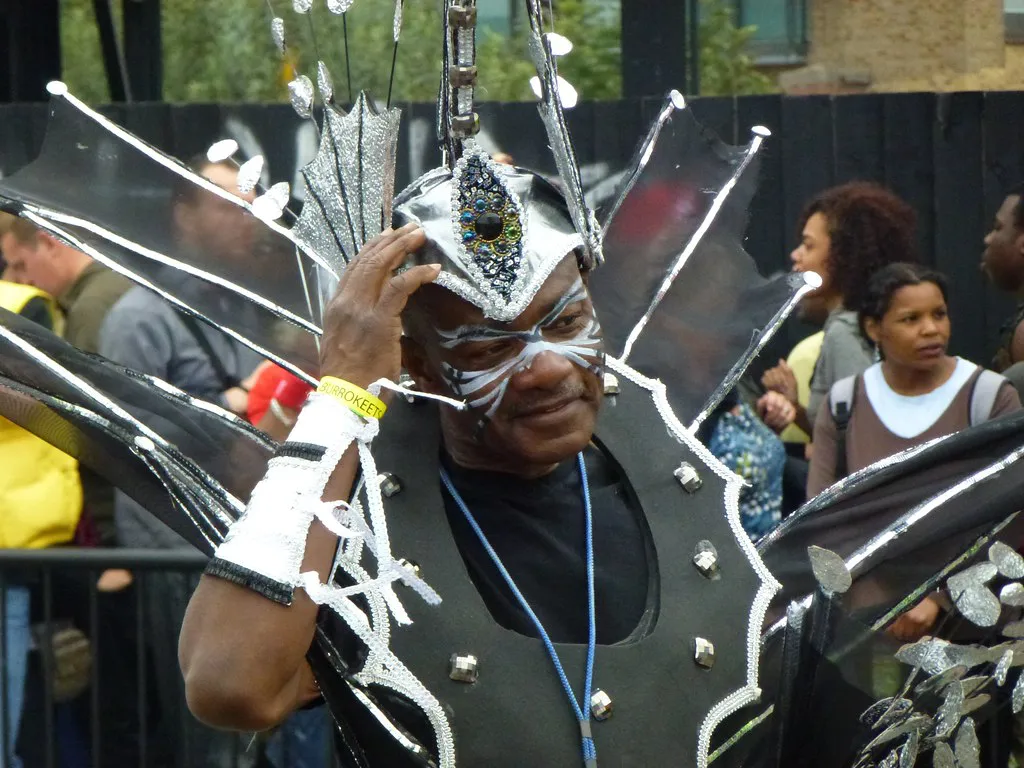
Sunday features the Children’s Day parade, which typically offers a more relaxed atmosphere for families. This day is perfect for those who want to see the costumes without the intense pressure of Monday's crowds. The Notting Hill Carnival dates usually fall on the last Sunday and Monday of August. Both days follow the same physical path, though the energy levels vary significantly.
Ladbroke Grove serves as the final stretch where the official judging of the bands takes place. This area often becomes extremely congested as performers give their final, high-energy showcases for the panel. Security personnel manage entry points here to prevent overcrowding in the narrowest sections. Expect the walk between major points to take much longer than usual due to the sheer volume of people.
Spectators should note that the route is strictly managed by barriers and stewarding teams. Crossing the street while the floats are moving can be difficult and sometimes prohibited for safety reasons. Look for designated crossing points if you need to reach the other side of the parade. These gaps are usually located near major intersections and are clearly marked by event staff.
Strategic Viewing Spots Along the Parade
Westbourne Park Road offers excellent views of the floats as they first enter the main circuit. You can see the intricate details of the costumes before the midday sun and crowds take their toll. Many photographers prefer this area for the natural lighting and slightly more open spaces. This section is often less overwhelming than the judging zone later in the route.
Chepstow Road provides a great balance of parade visibility and access to local food stalls. You will find a wide variety of Caribbean jerk chicken and curry goat available for purchase nearby. Prices for street food generally range from £8 to £15 per portion in this area. Finding a spot near a carnival sound system adds a musical backdrop to your viewing experience.
Kensal Road is a popular choice for those who want to experience the raw energy of the steel bands. The sound echoes beautifully off the buildings, creating an immersive atmosphere for all attendees. This area stays lively late into the evening as the parade begins its final turn. It is a fantastic spot for those who enjoy dancing along with the passing floats.
Choosing Notting Hill Carnival best spots depends largely on your personal comfort levels and goals. Families often prefer the northern sections of the route where the streets are slightly wider. Younger crowds tend to gravitate toward the sound systems tucked away in the side streets. Each corner of the circuit offers a unique perspective on the festival's diverse traditions.
Managing Transport and Access Points
Transport for London implements significant station closures to manage the millions of visitors expected each year. Notting Hill Gate and Royal Oak often operate as exit-only or entry-only during peak afternoon hours. Checking the official 2026 transport updates before you leave home is a vital step for every traveler. Many bus routes are diverted several blocks away from the festival perimeter starting on Saturday night.
Walking from slightly further stations like Paddington or Shepherd's Bush can save significant travel time. These walks take about 20 to 30 minutes but help you avoid the worst tube station bottlenecks. Ensure you have a physical map or an offline digital version as mobile signals often fail in high-density crowds. Look for official carnival safety tips regarding travel and personal belongings.
Driving into the area is nearly impossible due to extensive road closures across Kensington and Chelsea. Residents must apply for special permits weeks in advance to access their own residential streets. Most parking suspensions begin on Sunday morning and last until the early hours of Tuesday. Public transport remains the only reliable way for tourists to reach the festival zone during the weekend.
Bicycles are also discouraged within the immediate carnival area due to the lack of secure parking and heavy foot traffic. If you cycle, plan to lock your bike several streets away from the main parade barriers. Walking remains the primary mode of transport once you cross the security perimeter. Wear comfortable shoes as you will likely cover several miles of pavement throughout the day.
Essential Landmarks and Route Highlights
Navigating the winding streets of West London becomes much easier when you identify key local landmarks. The judging zone near the northern end of Ladbroke Grove is the most famous landmark on the circuit. This is where the most elaborate performances occur as bands compete for annual titles. It is also the most crowded part of the entire 3.5-mile loop.
Great Western Road marks the traditional starting point where the floats line up early in the morning. Watching the bands prepare their costumes and instruments provides a unique behind-the-scenes look at the festival. The atmosphere here is full of anticipation and nervous energy before the music begins. It is an ideal spot for those who want to see the floats in pristine condition.
- Westbourne Park Station
- Type: Primary access point
- Best for: Early arrivals
- Where: Northern route entry
- Cost: Standard tube fare
- Ladbroke Grove Judging Area
- Type: Performance highlight
- Best for: High energy
- Where: Final parade stretch
- Cost: Free to watch
- Sainsbury's Ladbroke Grove
- Type: Meeting landmark
- Best for: Finding friends
- Where: Canal-side area
- Cost: N/A
- Westbourne Grove
- Type: Commercial hub
- Best for: Food and drinks
- Where: Central parade section
- Cost: Varies by vendor
Common Mistakes When Navigating the Route
Many first-time visitors try to walk against the flow of the parade to see more bands quickly. This strategy leads to exhaustion and frustration in the narrow Victorian streets of Notting Hill. Following the clockwise movement of the floats makes navigating the circuit much more efficient. It also allows you to experience the bands in the order they were intended to perform.
Forgetting to locate public toilets early in the day is a frequent error that can ruin your afternoon. Official portable toilets are scattered along the route, but queues often exceed thirty minutes during peak times. Some local residents charge a small fee for use of their private bathroom facilities. Carry small change as many of these informal options do not accept contactless payments yet.
Relying entirely on mobile apps for navigation is risky due to the extreme network congestion in the area. Thousands of people using data simultaneously often causes maps and messaging services to stop working. Take a screenshot of the route map before you arrive to ensure you can always find your way. Choosing a specific landmark as a meeting point helps you reunite with friends if you get separated.
Wearing inappropriate footwear can lead to blisters and discomfort long before the parade ends. You will likely walk several miles on uneven pavement and through various types of street debris. Choose sturdy trainers that you do not mind getting slightly dirty or dusty from the festivities. Review our guide on what to wear to carnival for more practical style and comfort advice.
Frequently Asked Questions
What is the best time to arrive at the Notting Hill Carnival route?
Arriving by 10:00 AM is highly recommended to secure a good viewing spot before the main crowds gather. The parade usually starts moving shortly after this time, and the energy builds throughout the morning. Early arrival also makes it easier to navigate transport links before stations become exit-only.
Is the Notting Hill Carnival route the same on both days?
Yes, the physical 3.5-mile circuit remains the same for both Sunday and Monday festivities in London. Sunday is traditionally Children’s Day and features smaller floats and a more family-oriented atmosphere. Monday is the main event with larger bands and much higher attendance levels across the United Kingdom.
Are there quiet areas along the Notting Hill Carnival route?
Quiet areas are rare, but the streets furthest from the sound systems offer a slightly lower volume level. The northern sections near Kensal Road sometimes provide more breathing room compared to the dense Ladbroke Grove area. Families often find the side streets between the main parade roads more manageable for short breaks.
Navigating the Notting Hill Carnival route requires a mix of early planning and flexibility on the day. By understanding the clockwise flow and choosing your viewing spots wisely, you can enjoy the best of the festival. Remember to check transport updates and wear comfortable shoes for the long walk through West London.
The vibrant atmosphere and cultural significance make this event a highlight of the London summer calendar. Whether you prefer the family-friendly Sunday or the high-energy Monday, the route offers something for everyone. Stay safe, respect the local neighborhood, and immerse yourself in the incredible music and costumes.
Planning your visit around the key landmarks ensures you won't miss the most spectacular performances. Keep a map handy and follow the official guidance to make the most of your 2026 carnival experience. This iconic celebration continues to be a testament to the diverse and inclusive spirit of the city.
 Best Spots for King's Day in Amsterdam (2026 Guide)April 21, 2026
 Edinburgh Christmas Ice Rink: 2026 Skating GuideApril 21, 2026
 Edinburgh Fringe 2026 Dates: Essential Planning GuideApril 21, 2026