
Best Wine Festivals Europe 2026: Top Events Guide
Explore top wine festivals in Europe for 2026. From Bordeaux to Jerez, discover dates, costs, and tips to plan your perfect vineyard trip today!
On this page
Discover the Best Wine Festivals in Europe for 2026
European wine culture offers a sensory journey through historic vineyards and vibrant city squares. These seasonal celebrations bring together local producers and international enthusiasts to toast the latest harvest. Planning your trip around the europe festival calendar 2026 month by month ensures you catch the peak of the festivities.
The 2026 season promises an array of traditional ceremonies and modern tasting experiences across the continent. Visitors can expect everything from grand riverfront parades in France to cozy village gatherings in the Italian hills. Each region showcases its unique grape varieties through music, food pairings, and educational workshops.
Attending these events provides a deeper understanding of local heritage and agricultural traditions. You will find that many festivals offer affordable entry options and inclusive tasting packages for all budgets. This guide explores the most prestigious gatherings that define the European viticulture landscape.
Bordeaux Wine Festival: A French Riverfront Classic
Bordeaux transforms its stunning Garonne riverfront into a two-kilometer wine road every June. This iconic event, known as Fête le Vin, showcases the incredible diversity of the region's world-class appellations. Travelers often combine this visit with other summer festivals europe 2026 to maximize their seasonal itinerary.
The tasting pass remains the most efficient way to sample different styles without individual cash transactions. For approximately €21, guests receive a glass, a carrying case, and eleven tasting vouchers for various pavilions. This system allows you to explore crisp whites and bold reds while walking along the historic quays.
Evening entertainment adds a magical layer to the viticultural experience with spectacular drone shows and live music. Majestic tall ships often dock along the river, offering deck tours and unique photo opportunities for maritime enthusiasts. Many local restaurants also feature special festival menus designed to pair perfectly with regional bottles.
Booking central accommodation early is essential as hotels near the riverfront fill up many months in advance. The city's efficient tram system makes it easy to reach the festival site from quieter residential neighborhoods. Consider visiting on a weekday to avoid the largest crowds and enjoy more personal interactions with the winemakers.
Bad Dürkheim Wurstmarkt: The World's Largest Celebration
Despite its name, the Wurstmarkt in Germany is officially recognized as the largest wine festival on the planet. Located in the picturesque Palatinate region, this event attracts over 600,000 visitors across two weekends in September. It serves as a cornerstone of the best festivals in europe 2026 for those seeking scale and tradition.
The heart of the festival lies within the 'Schubkärchler,' which are traditional small wine stands with wooden benches. Guests sit closely together, fostering a friendly atmosphere where sharing tables with strangers is standard practice. Most stands serve local Riesling and Pinot Noir in half-liter glasses known as 'Dubbeglas.'
Fairground rides and large beer-style tents provide diverse entertainment options for families and groups of friends. While the wine remains the primary focus, the variety of traditional German sausages and snacks keeps everyone well-fed. Entry to the festival grounds is free, making it accessible for budget-conscious travelers exploring the region.
Regional trains provide frequent service from nearby cities like Mannheim and Ludwigshafen directly to the festival gates. Staying in the town of Bad Dürkheim itself offers the most immersive experience but requires reservations nearly a year ahead. Local tourism offices often provide maps of the surrounding vineyards for those wanting a quiet morning hike.
Fiestas de la Vendimia: Sherry Traditions in Jerez
Jerez de la Frontera celebrates its famous sherry heritage with the Fiestas de la Vendimia every September. This Spanish harvest festival blends religious tradition with exuberant street parties and equestrian displays. The city's white-washed streets come alive with the scent of fermenting grapes and the sound of flamenco.
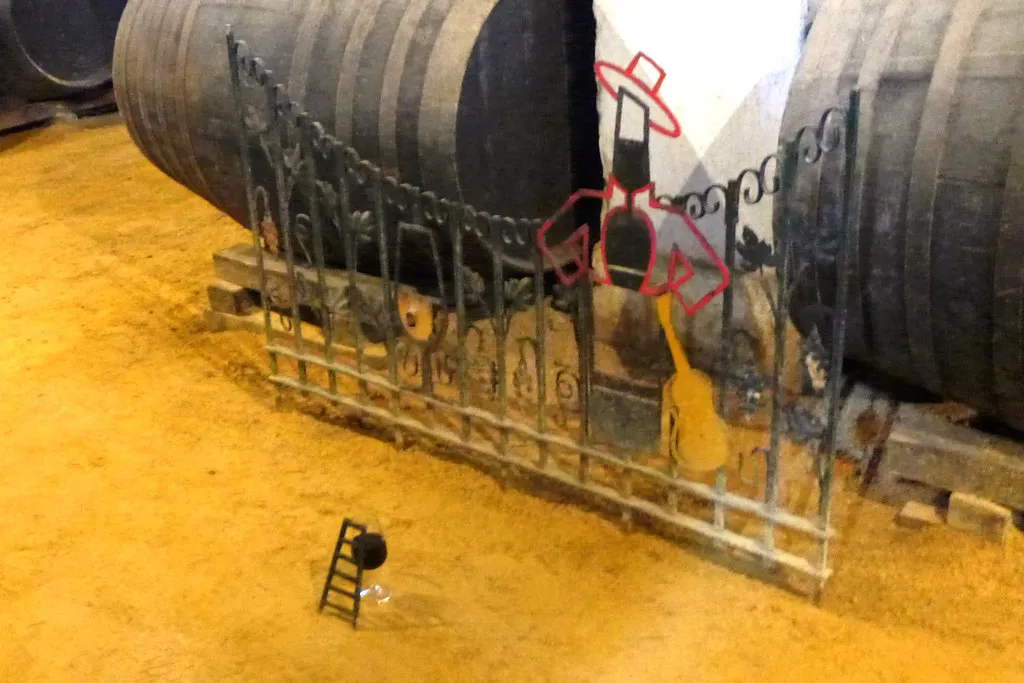
The ceremonial treading of the grapes in front of the cathedral marks the official start of the festivities. Visitors can witness traditional Andalusian horse shows, which highlight the region's deep connection to noble equine breeds. Many historic bodegas open their doors for exclusive tours and specialized tasting sessions during this period.
Tapas crawls through the central plazas offer a delicious way to sample Fino, Amontillado, and Oloroso varieties. Local vendors serve small plates of Iberico ham and aged cheeses that complement the complex flavors of the fortified wines. Most events are centrally located, allowing for easy exploration on foot through the historic old town.
Temperatures in southern Spain can remain quite high during the early autumn months. Plan your outdoor activities for the late morning or evening to avoid the intense midday heat. Checking the official city schedule helps you time your visit with specific flamenco performances or public tastings.
Chianti Classico Expo: Tuscan Vineyard Magic
Greve in Chianti hosts an intimate and prestigious wine expo in its charming triangular main square. This Italian gathering focuses specifically on the Black Rooster label, representing the highest quality of the region. It is a highlight for anyone exploring the best food festivals europe due to the incredible local pairings.
The festival utilizes a simple glass-purchase system where you buy a commemorative wine glass for around €15. This glass comes with a set of tickets that you exchange for pours at various producer booths. It allows for a sophisticated tasting pace while chatting directly with the families who own the estates.
Local artisans set up stalls around the square selling wild boar salami, truffle honey, and pecorino cheeses. These gourmet products provide the perfect accompaniment to the structured tannins of a Chianti Classico Riserva. The atmosphere remains relaxed and elegant, reflecting the slow-paced lifestyle of the Tuscan countryside.
Public buses run from Florence to Greve, though the schedule can be limited on Sundays. Renting a car with a designated driver allows you to explore the surrounding 'Chiantigiana' road and its many hillside castles. Most wineries in the area offer shipping services if you find a particular bottle you wish to send home.
Smart Planning for Wine Festivals in Europe
Successful festival trips require a balance between spontaneity and careful logistical preparation. Many travelers make the mistake of over-scheduling their days without accounting for the effects of sun and alcohol. Prioritizing hydration and regular meals will ensure you enjoy the full duration of the event.
Transport remains the most critical factor when visiting rural vineyard regions or busy city festivals. Utilizing local trains and shuttles is always safer and more convenient than attempting to navigate unfamiliar roads. Many festival organizers partner with local transit authorities to provide extended service hours for attendees.
Researching the specific tasting customs of each country helps you avoid social faux pas at the stands. In some regions, a small rinse of the glass is expected between different varieties to maintain flavor purity. Always carry a small amount of cash as some smaller vendors may not accept international credit cards.
- Book your accommodation at least six months early.
- Location: City center preferred
- Tip: Check near train stations
- Benefit: Avoid high peak prices
- Alternative: Nearby satellite towns
- Purchase tasting passes online to skip long queues.
- Cost: €15 to €40 typically
- Includes: Glass and vouchers
- Access: Fast-track entry lanes
- Requirement: Valid photo identification
- Pack a reusable water bottle for constant hydration.
- Utility: Free refill stations
- Health: Prevents dehydration
- Pacing: One water per glass
- Convenience: Fits in day bags
- Verify the festival dates on official tourism websites.
- Timing: Harvest dates vary yearly
- Source: Regional tourism boards
- Accuracy: Prevents travel errors
- Bonus: Find fringe event lists
Frequently Asked Questions
What is the best month for wine festivals in Europe?
September is the premier month for wine festivals in Europe because it coincides with the traditional grape harvest. Most regions in Germany, Italy, and Spain hold their primary celebrations during this window. You can find more timing details in our monthly festival guide to help plan your trip.
Are wine festivals in Europe family-friendly?
Many European wine festivals offer family-friendly environments with fairground rides, live music, and non-alcoholic grape juice options. Events like the Bad Dürkheim Wurstmarkt function more like large town fairs with activities for all ages. However, evening sessions in major cities tend to cater more toward adult crowds and social drinking.
How much does it cost to attend a wine festival?
Entry to the festival grounds is often free, but you must pay for tasting privileges through glass purchases or vouchers. Expect to spend between €20 and €50 per person for a full day of tastings and local food. Premium events or guided masterclasses will require additional fees and advance booking through official channels.
Do I need to book tickets for wine festivals in advance?
While general admission is usually open, booking tasting passes and special events in advance is highly recommended to save money. Popular festivals in Bordeaux and Tuscany often sell out of their premium packages weeks before the start date. Early booking also ensures you have a guaranteed spot for limited-capacity cellar tours or workshops.
Attending wine festivals in Europe provides a unique window into the continent's rich agricultural soul and community spirit. Whether you prefer the grand scale of German fairs or the intimacy of Tuscan squares, there is an event for every palate. These celebrations offer more than just a drink; they provide a connection to the land and the people who tend it.
Start planning your 2026 vineyard adventure today to secure the best accommodation and transport options. Remember to pace your tastings and embrace the local customs of each unique destination you visit. With a bit of preparation, your journey through Europe's wine regions will be a highlight of your travel year.
 Best Autumn Festivals Europe: Top Events for 2026April 21, 2026
 Europe Festival Calendar 2026: Top Events GuideApril 21, 2026
 Festivals Eastern Europe Year Calendar: 2026 GuideApril 21, 2026