
San Fermin History: From Ancient Roots to Global Fame
Discover the deep San Fermin history. Learn how Pamplona's religious feast became the world-famous running of the bulls festival through centuries of tradition.
On this page
Exploring San Fermin History: Pamplona's Ancient Tradition
The story of San Fermin begins with a Roman senator's son who converted to Christianity during the third century. Legend says Fermin traveled to France where he eventually met his martyrdom by decapitation for his religious beliefs. His relics returned to Pamplona in the 12th century to inspire deep devotion among the local Basque population. Understanding this San Fermin festival guide starts with recognizing these ancient spiritual foundations.
Modern visitors often focus on the adrenaline of the streets rather than the liturgical roots of the event. The festival actually represents a complex blend of religious piety, commercial fairs, and traditional bullfighting spectacles. Centuries of evolution have shaped the nine-day celebration into the massive international gathering seen today. Local families still honor these traditions by wearing the iconic white clothing and red scarves.
The Early Origins of San Fermin History
Ancient records suggest that Saint Fermin was the first bishop of Amiens and a prominent figure in early Christianity. Devotion to him grew significantly after his remains were brought to the city of Pamplona in 1186 AD. Medieval citizens initially celebrated his feast day on October 10th to honor his life and sacrifice. These early gatherings focused primarily on religious ceremonies held within the majestic walls of the Pamplona cathedral in Spain.
The transition from a purely religious event to a multifaceted festival took several hundred years to complete. During the Middle Ages, the city also hosted large merchant fairs that attracted traders from across the region. Combining these commercial activities with the religious feast created a more vibrant atmosphere for the local residents. Travelers often find that the historical layers of the city reveal themselves during the quiet morning hours.
Weather conditions in October often proved too harsh for the outdoor festivities and agricultural markets. Heavy rains and cold temperatures frequently disrupted the processions and the movement of livestock through the narrow streets. City officials began discussing a date change to ensure the success of both the fair and the feast. This logistical challenge eventually led to one of the most important decisions in the history of the celebration.
The Medieval Roots of the Encierro
The famous running of the bulls actually began as a simple necessity for local butchers in the 14th century. Cattle had to be moved from the surrounding fields into the city center for the afternoon bullfights. Young men eventually started jumping in front of the animals to show off their bravery and speed. This spontaneous activity evolved into the structured running of the bulls 2026 guide that many follow today.
Historical routes for the cattle drive were much shorter than the modern path through the Old Quarter. Butchers would use sticks and shouts to guide the bulls toward the temporary wooden arenas set up in the square. Spectators gathered on balconies to watch the dangerous transit of the animals through the crowded cobblestone alleys. The thrill of the chase quickly became more popular than the commercial aspects of the livestock trade.
Safety regulations were almost nonexistent during these early years of the medieval encierro. Participants relied on their knowledge of the city's corners and doorways to avoid the charging bulls. Modern runners must now follow strict rules to ensure the tradition continues without excessive risk to the public. Learning the route remains a vital part of preparing for the event in the current era.
Merging Fairs and Faith in 1591
The year 1591 marked a permanent shift in how the people of Pamplona celebrated their patron saint. City council members officially moved the festival from October to the seventh day of July. This date change allowed the religious feast to coincide with the height of the summer fair season. Residents enjoyed the warmer weather which made the outdoor dancing and singing much more pleasant.
Merging the different events created a unique atmosphere where faith and commerce existed side by side. Farmers brought their best livestock to sell while the clergy led solemn processions through the main plazas. Bullfights became the central form of entertainment that bridged the gap between the various social classes. The first July celebration in 1591 lasted for two days and featured music, tournaments, and fireworks.
Over time, the duration of the festival expanded as more activities were added to the official program. What began as a weekend event grew into a full week of non-stop celebration by the late 19th century. The opening ceremony known as the Txupinazo eventually became the loud and colorful start to the festivities. You can learn more about this tradition in our txupinazo opening ceremony guide for first-time visitors.
Ernest Hemingway’s Impact on Pamplona’s Fame
American author Ernest Hemingway first arrived in Pamplona in 1923 and was immediately captivated by the bulls. He spent his days watching the runs and his nights drinking with the local bullfighters and social clubs. His experiences formed the basis for his 1926 novel, which brought global attention to the San Fermin history. This literary masterpiece transformed a local Spanish feast into an essential destination for international travelers.
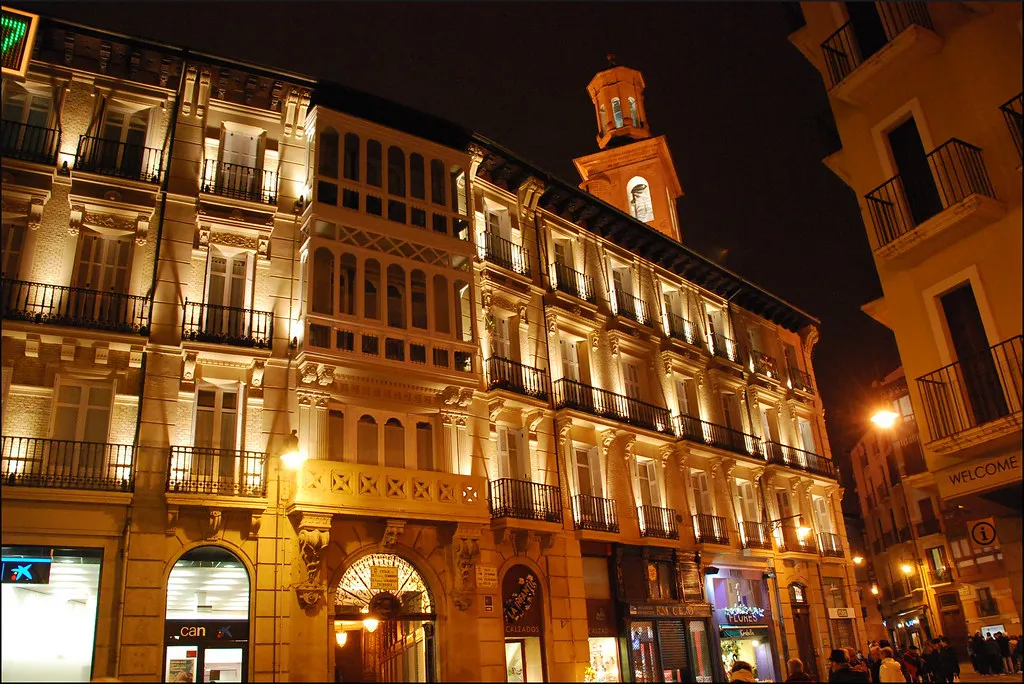
Hemingway returned to the city many times throughout his life to participate in the annual festivities. He often stayed at the Hotel La Perla, which remains a landmark for fans of his writing today. The author’s vivid descriptions of the courage and tragedy in the ring helped romanticize the sport for foreigners. Many visitors still seek out the specific cafes and bars mentioned in his famous stories.
The influx of global tourists changed the economic landscape of Pamplona during the mid-20th century. Local businesses adapted to serve the needs of thousands of English-speaking visitors who arrived every July. While the festival grew in size, the core traditions remained remarkably consistent with their medieval origins. Consulting a Pamplona running of the bulls safety guide is now essential for the modern crowds.
The Giant Figures and Religious Processions
Beyond the excitement of the bull run, the festival features the beautiful parade of the Gigantes and Cabezudos. These towering wooden figures have been a staple of the San Fermin celebrations since at least 1860. The giants represent four pairs of kings and queens from different continents including Europe and Africa. Children often wait in the streets to see the Kilikis, who chase the crowds with light foam bladders.
The morning of July 7th remains the most important religious moment for the people of Pamplona. A large statue of Saint Fermin is carried through the streets in a solemn and beautiful procession. Local singers perform traditional songs known as jotatras to honor the saint as the parade passes by. This event offers a peaceful contrast to the chaotic energy found in the bullring later that afternoon.
Traditional music played on the txistu and the flute provides the soundtrack for the entire nine-day event. Dancers in traditional Basque costumes perform in the plazas to keep the ancient folklore alive for new generations. These cultural displays ensure that the festival remains a celebration of regional identity rather than just a tourist attraction. Respecting these customs is vital for anyone wishing to experience the true heart of the Navarre region.
- The Giant Figures of Pamplona
- Type: Towering wooden puppets
- Meaning: Global unity and peace
- When: Daily morning parades
- Cost: Free public viewing
- The Kilikis and Cabezudos
- Type: Large-headed carnival figures
- Role: Entertaining and chasing children
- Access: Throughout the Old Quarter
- Tip: Great for families
Modern Heritage and Local Traditions
The modern festival is largely organized and sustained by the local social clubs known as Penas. These groups maintain their own brass bands and host private dinners for their members during the week. They are responsible for the vibrant banners and the festive atmosphere found in the sun section of the bullring. Finding a place to stay is the first step, so check where to stay in Pamplona during San Fermin early.
Economic growth from tourism provides significant funding for the city's infrastructure and cultural preservation programs. Balancing the needs of millions of visitors with the comfort of local residents remains a constant challenge. City officials work year-round to ensure that the streets are cleaned and the events remain safe for everyone. The resilience of the local culture allows the festival to thrive despite the pressures of modern globalization.
Planning for a visit requires understanding the deep history and the specific rules of the various events. Most veterans of the festival suggest arriving a few days early to get accustomed to the city's layout. Wearing the traditional white and red attire is the best way to show respect for the local heritage. Each year brings new memories while honoring the centuries of tradition that define the spirit of Pamplona.
Frequently Asked Questions
Who was the real Saint Fermin in history?
Saint Fermin was a 3rd-century missionary and the son of a Roman official in Pamplona. He is celebrated as the first bishop of Amiens and a martyr. His relics were returned to Pamplona in 1186, sparking the religious devotion that eventually grew into the modern festival. Check the san fermin 2026 dates to plan your visit around his feast day.
When did the running of the bulls start?
The practice began in the 14th century as a way to transport bulls from the fields to the city center. Butchers and young locals eventually started running alongside the animals for excitement. By the 17th and 18th centuries, it had become a formalized part of the annual July festivities.
Why do people wear red scarves during San Fermin?
The red scarf, or pañuelico, is worn to honor the martyrdom of Saint Fermin, who was decapitated in France. It is a symbol of the saint's sacrifice and a sign of unity among festival participants. Tradition dictates that you only tie the scarf after the opening rocket is fired on July 6th.
San Fermin history reveals a fascinating journey from a medieval religious feast to a world-renowned cultural phenomenon. The combination of ancient legends, literary fame, and local passion creates an atmosphere unlike any other in the world. Visitors who take the time to learn these stories will find a much richer experience in the streets of Pamplona. Embracing both the thrill of the run and the solemnity of the tradition ensures the festival's legacy continues.
 Best Ibiza Closing Parties: Your Ultimate 2026 GuideApril 21, 2026
 Running of the Bulls Safety: Expert Pamplona TipsApril 21, 2026
 Running of the Bulls 2026: Pamplona Festival GuideApril 21, 2026